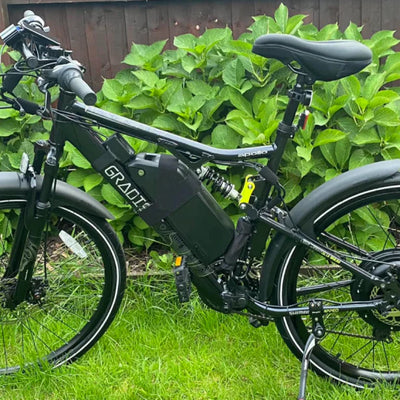
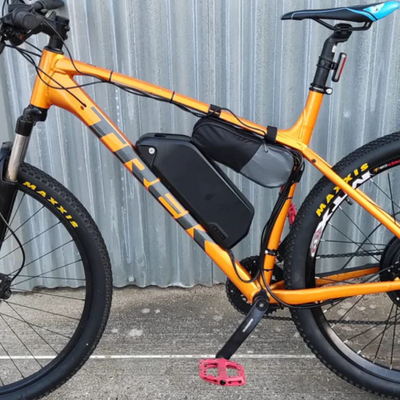
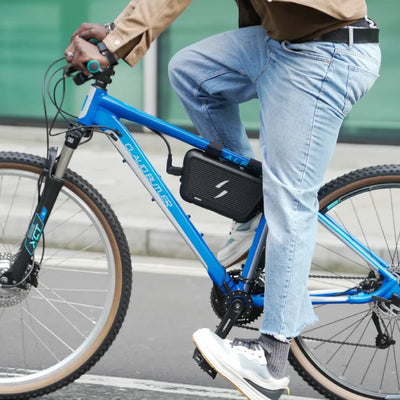
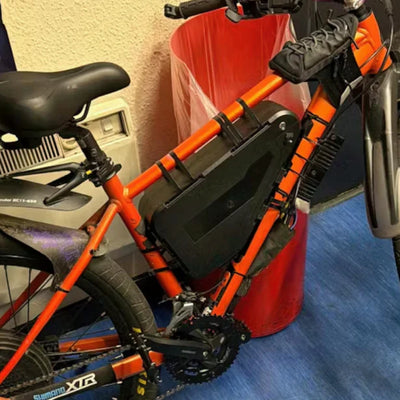
E-bike conversion kit legal speed limits vary dramatically between jurisdictions—UK/EU regulations restrict motor assistance to 25 km/h (15.5 mph) with 250W maximum power maintaining bicycle classification avoiding registration/insurance/licensing requirements.
while US federal law permits 32 km/h (20 mph) pedal-assist or 32 km/h throttle-only with 750W ceiling though individual states impose additional restrictions creating patchwork compliance landscape where identical conversion systems legal one location become illegal motor vehicles requiring registration elsewhere.
Understanding what makes choosing the best ebike kit legally compliant versus creating unregistered motor vehicle requires examining federal regulations, state/local laws, power-speed relationship, enforcement realities.
insurance implications, and practical risk assessment rather than assuming manufacturer capability specifications determine legality or that non-compliance consequences remain theoretical rather than real fines, confiscation, liability exposure, and criminal prosecution possibilities making informed legal compliance essential component conversion planning alongside performance considerations.
UK & EU Legal Speed Limits
![]()

The 25 km/h Hard Ceiling
UK/EU E-Bike Legal Definition:
Electrically Assisted Pedal Cycles (EAPCs) maintain bicycle classification through strict limits:
Legal Requirements:
-
Maximum assisted speed: 25 km/h (15.5 mph) absolute ceiling
-
Maximum motor power: 250W rated continuous output
-
Pedal assist only: Motor assists pedaling (pure throttle illegal)
-
Motor cut-off: Assistance stops completely above 25 km/h
-
Age restriction: 14+ years minimum rider age
-
No registration: Treated as standard bicycle (no license, insurance, tax required)
What This Means Practically:
Motor provides assistance up to 25 km/h, then completely stops helping:
-
0-25 km/h: Motor assists pedaling (powerful helpful boost)
-
25 km/h: Motor assistance cuts off automatically (hard limit)
-
25+ km/h: Rider pedals unassisted (motor provides zero power)
-
Downhill/pedaling hard: Can exceed 25 km/h through human power alone (legal)
-
Speed limit: Applies to motor assistance, not bicycle itself
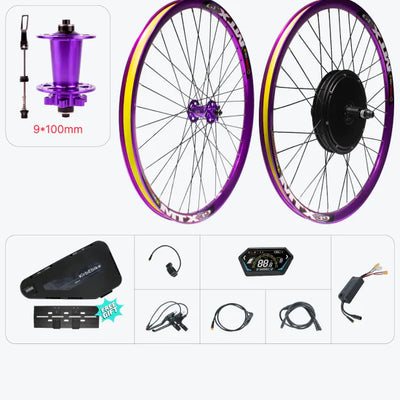
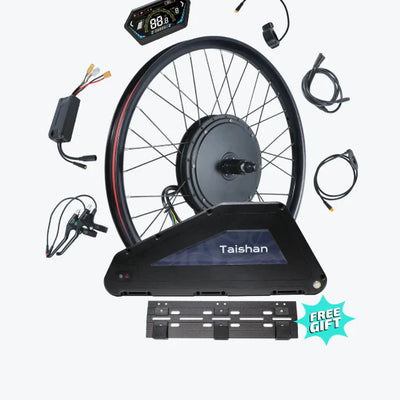
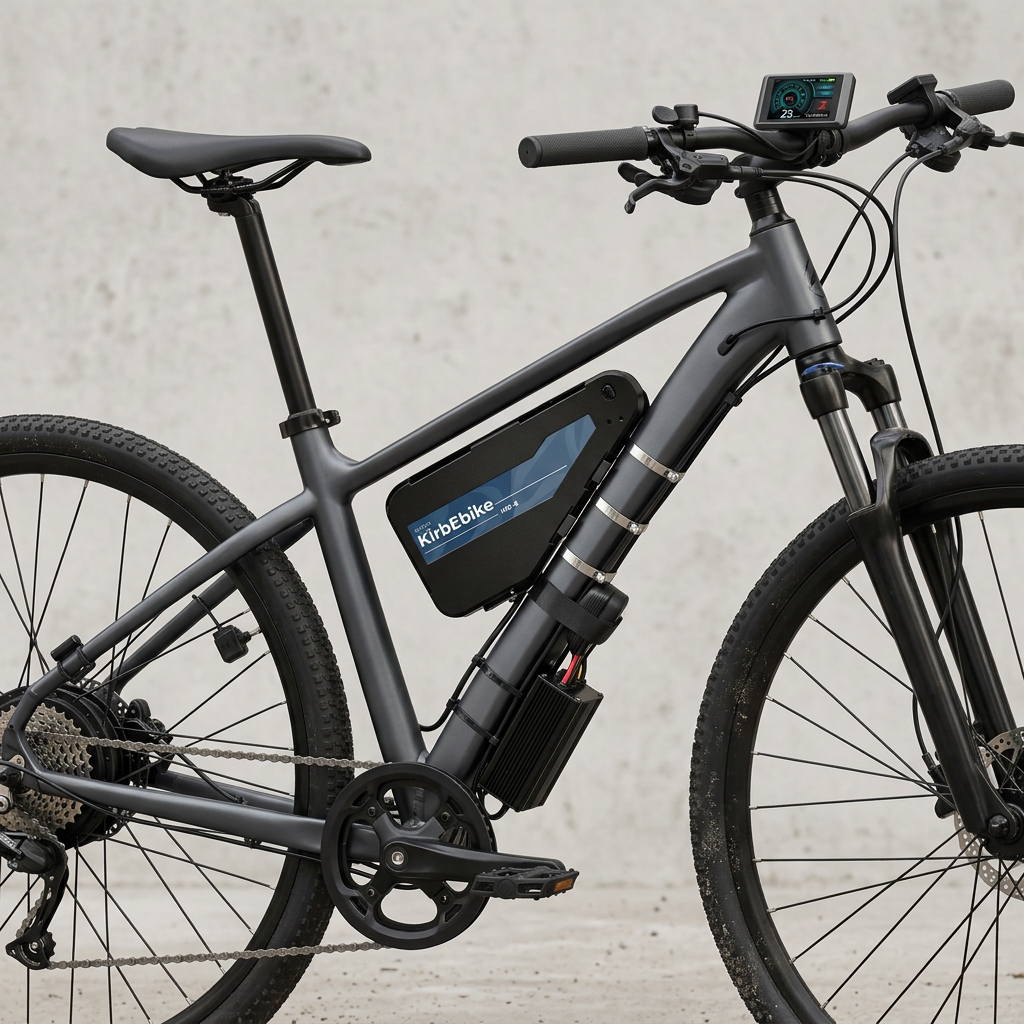
Kirbebike Legal-Compliant Systems:
36V 250W Front Hub Motor:
![]()

- Power: 250W (legal compliant)
- Assisted speed: 25-30 km/h (programmed 25 km/h cut-off available)
- Weight: 2.7kg
- Application: UK/EU road legal operation
48V 250W Front Hub Motor:
- Power: 250W (legal compliant)
- Assisted speed: 30-35 km/h (requires 25 km/h programming compliance)
- Weight: 2.7kg
- Application: Can be configured UK/EU legal
Exceeding Legal Limits: Consequences
Operating Non-Compliant Systems:
Systems exceeding 250W or 25 km/h assistance become motor vehicles:
Legal Classification Change:
-
From: Bicycle (EAPC)
-
To: Motor vehicle (moped/motorcycle category)
-
Requirements: Registration, insurance, tax, license, MOT, helmet mandatory
-
Reality: Registration impossible (conversion kits not type-approved)
-
Result: Illegal unregistered motor vehicle operation
Enforcement Consequences:
Increasingly strict enforcement UK/EU:
Potential Penalties:
-
Fines: Significant (unregistered motor vehicle)
-
Points: Driving license endorsement possible
-
Confiscation: Bicycle/kit seized
-
Prosecution: Criminal record possible serious violations
-
Insurance: Void coverage (accident liability extreme)
-
Injury accidents: Personal liability unlimited (no valid insurance)
Enforcement Reality Check:
While enforcement historically lax, trend toward stricter action:
- Police awareness increasing (dedicated e-bike operations some areas)
- Accident investigations reveal non-compliance (insurance denial, prosecution)
- Public complaint response (high-power e-bikes generating complaints)
- Delivery riders targeted (commercial use higher scrutiny)
- Technology detection (speed/power monitoring developing)
US Federal & State Speed Limits
![]()

Federal Law: 20 mph Ceiling
Consumer Product Safety Commission (CPSC) Definition:
Federal law establishes baseline e-bike classification:
Federal Requirements:
-
Maximum assisted speed: 32 km/h (20 mph) on motor power alone
-
Maximum motor power: 750W (1 horsepower) rated output
-
Three classes: Class 1 (pedal-assist 20 mph), Class 2 (throttle 20 mph), Class 3 (pedal-assist 28 mph)
-
Bicycle classification: Meets federal bicycle definition (not motor vehicle)
Three-Class System:
Most US states adopted three-class framework:
Class 1:
- Type: Pedal-assist only (no throttle)
- Speed: 20 mph (32 km/h) assisted maximum
- Access: Bicycle paths, trails generally allowed
- Restrictions: Fewest limitations
Class 2:
- Type: Throttle-capable (assist without pedaling)
- Speed: 20 mph (32 km/h) throttle maximum
- Access: Some path restrictions (varies locally)
- Restrictions: More limited than Class 1
Class 3:
- Type: Pedal-assist only
- Speed: 28 mph (45 km/h) assisted maximum
- Power: Often 750W limit
- Access: Roads primarily (path restrictions common)
- Requirements: Sometimes helmet mandatory, age restrictions
- Restrictions: Most limited access
State-by-State Variations
No Uniform National Standard:
Individual states impose additional restrictions:
State Variations:
-
Speed limits: Some states restrict to 20 mph all classes
-
Power limits: Some reduce from 750W federal ceiling
-
Age restrictions: Vary by state and class
-
Helmet requirements: State-specific mandates
-
Path access: Local jurisdiction decisions
-
Registration: Few states require (rare)
Example State Regulations:
California:
- Class 1/2: 20 mph, 750W, age 16+
- Class 3: 28 mph, 750W, age 16+, helmet mandatory
- Path access: Local jurisdiction control
New York:
- All classes: 25 mph maximum (stricter than federal)
- Power: 750W limit
- Throttle: Class 2 allowed (recent change)
Texas:
- Class 1/2: 20 mph
- Class 3: 28 mph
- Power: 750W
- Few restrictions (permissive state)
Kirbebike Systems US Context:
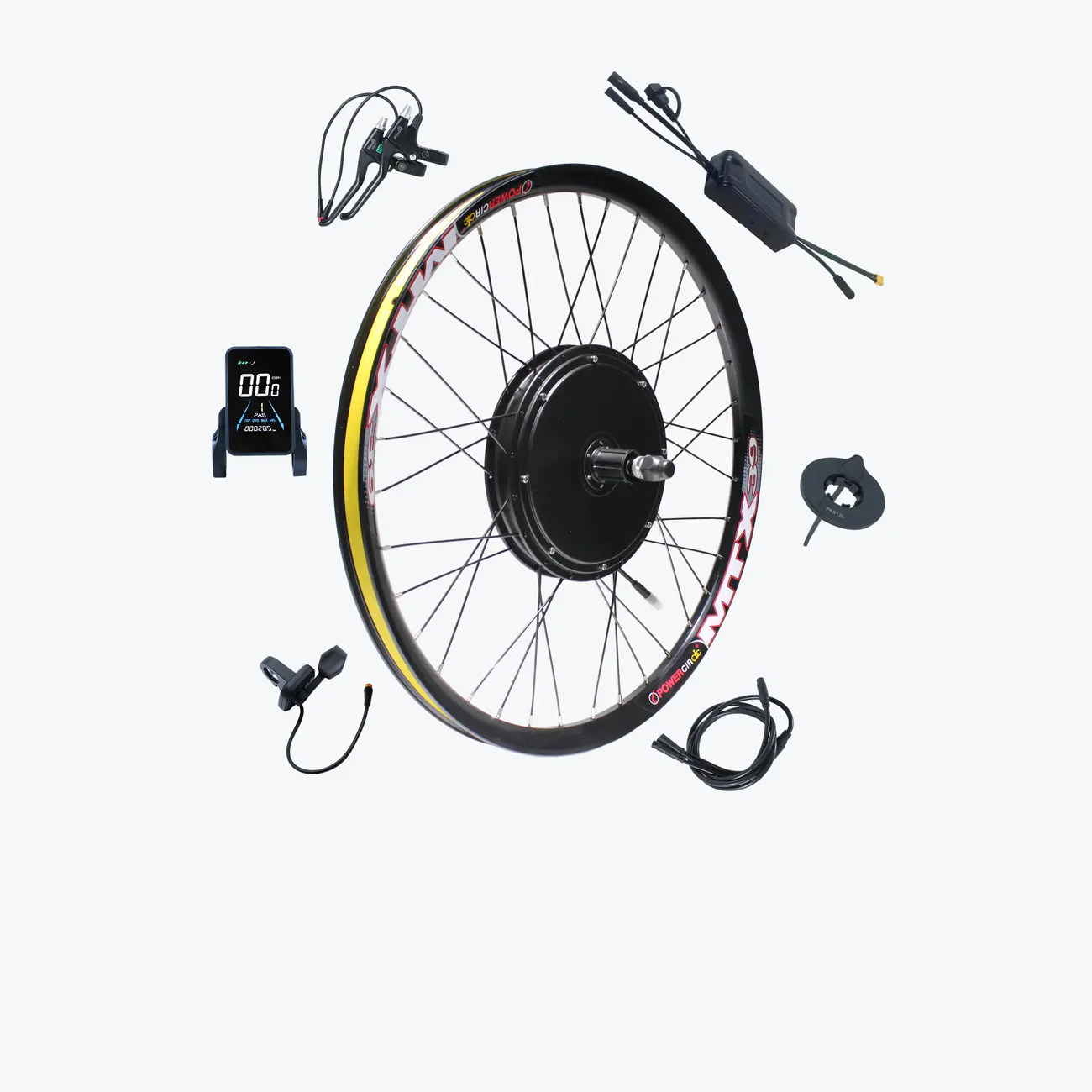
500-750W Rear Hub (Class 1/2/3 Capable):
- Power: 500-750W (federal compliant)
- Speed: 35-40 km/h (22-25 mph) capable
- Configuration: Programmable assist cut-off (20 or 28 mph)
- Application: Class 1, 2, or 3 depending on configuration
1000W+ Systems:
- Power: 1000-4000W (exceeds federal 750W)
- Speed: 45-85+ km/h (28-53+ mph)
- Legal status: Not federally compliant e-bike
- Application: Off-road, private property only legally
Legal Speed vs Actual Capability Comparison
| System | Legal Limit (UK/EU) | Legal Limit (US Federal) | Actual Capability | Legal Use | |--------|-------------------|----------------------|------------------|-----------| | 250W Front Hub | 25 km/h (15.5 mph) | 32 km/h (20 mph) Class 1/2 | 25-35 km/h | UK/EU: Compliant 25 km/h programmed<br>US: Compliant 20 mph limit | | 500W Rear Hub | Illegal (exceeds 250W) | 32 km/h (20 mph) Class 1/2 | 35-40 km/h | UK/EU: Private property only<br>US: Legal if limited 20 mph | | 750W Rear Hub | Illegal (exceeds 250W) | 32 km/h (20 mph) or 45 km/h (28 mph) Class 3 | 35-45 km/h | UK/EU: Private property only<br>US: Legal if limited 20/28 mph | | 1000W Direct-Drive | Illegal (exceeds 250W) | Illegal (exceeds 750W) | 45-50 km/h | UK/EU: Private property only<br>US: Off-road/private only | | 2000W+ Systems | Illegal (exceeds 250W) | Illegal (exceeds 750W) | 50-85+ km/h | UK/EU: Private property only<br>US: Off-road/private only |
Speed Programming & Compliance
Controller Configuration
How Speed Limits Work:
E-bike conversion kits use programmable controllers limiting assisted speed:
Speed Limiting Methods:
-
GPS speed sensing: Cuts motor assistance at programmed limit
-
Wheel speed calculation: RPM-based speed estimation
-
Display settings: User-configurable maximum (compliance responsibility)
-
Hard-coded limits: Factory programming (tamper-resistant)
Honest Assessment:
If planning illegal speeds, acknowledge risk consciously:
-
Accept consequences: Fines, confiscation, prosecution possible
-
Insurance void: Accident liability unlimited
-
Criminal record: Serious violations prosecutable
-
Injury liability: Hitting pedestrian uninsured catastrophic
-
No ignorance defense: "Didn't know" insufficient
Private Property & Off-Road Use
Where Legal Restrictions Don't Apply
Private Land:
Property owner permission enables unrestricted operation:
Legal Private Use:
-
Your property: Any speed, any power (your rules)
-
Consenting property: Owner permission (landowner rules)
-
Closed private roads: No public access (unrestricted)
-
Private tracks: Racing, testing facilities
-
Limitation: Cannot access via public roads (trailering required)
Off-Road Designated Areas:
Some locations permit high-power e-bikes:
-
Motor vehicle trails: Often allow e-bikes (check specific rules)
-
Private MX tracks: E-bike days increasingly common
-
Designated areas: Some parks create e-bike zones
-
Racing venues: Competition events (organized)
Practical Reality: Getting There
The Transportation Problem:
High-power systems face chicken-egg challenge:
Scenario:
- System: 2000W capable 60 km/h
- Legal use: Private property only
- Problem: Getting there requires public road use (illegal)
- Solutions: Trailer, truck transport (inconvenient, expensive)
- Reality: Many ride illegally (accepting risk)
Risk Assessment:
Honest evaluation if planning non-compliant use:
-
Enforcement likelihood: Low rural, higher urban
-
Consequence severity: Moderate fines to prosecution
-
Injury scenario: Unlimited personal liability
-
Risk tolerance: Personal decision (informed)
Insurance & Liability Implications
Standard Bicycle Insurance
Coverage Requirements:
Legal e-bikes (250W, 25 km/h UK / 750W, 20-28 mph US) covered under bicycle policies:
Typical Coverage:
-
Theft: Bicycle and components
-
Damage: Accidental damage protection
-
Liability: Third-party injury/damage
-
Legal costs: Defense coverage
-
Requirements: Legal compliant e-bike
Non-Compliant System Insurance
Coverage Void:
Illegal motor vehicle operation voids bicycle insurance:
Consequences:
-
No theft coverage: Loss uncompensated
-
No liability protection: Personal assets at risk
-
Injury accidents: Unlimited personal liability
-
Legal defense: No coverage (criminal prosecution)
Real-World Example:
Non-compliant e-bike hits pedestrian:
-
Injuries: Serious (hospital, rehabilitation)
-
Liability: Your personal responsibility
-
Insurance: Void (illegal motor vehicle)
-
Damages: £50,000-500,000+ possible
-
Personal assets: Home, savings at risk
-
Bankruptcy: Possible outcome serious accident
Enforcement Trends & Future
Increasing Scrutiny
UK/EU Enforcement Evolution:
Historically lax enforcement tightening:
Recent Developments:
-
Police operations: Dedicated e-bike enforcement (London, major cities)
-
Speed detection: Technology deployment (camera enforcement)
-
Public complaints: High-power delivery riders generating backlash
-
Accident investigations: Non-compliance discovered, prosecuted
-
Insurance awareness: Insurers denying claims, investigating compliance
US Enforcement Variation
State-by-State Reality:
Enforcement varies dramatically:
Permissive States:
- Limited enforcement (Texas, many rural states)
- Police unfamiliar e-bike laws
- Few complaints (acceptance)
Strict States:
- Active enforcement (California, New York, urban areas)
- Path patrols (park rangers, police)
- Complaints response (residents, trail users)
Conclusion
The fundamental principle guiding legal speed decisions: capability doesn't determine legality, configuration and use do—purchasing high-capability system acceptable if programmed and used within legal limits (private property unrestricted use, public roads legal compliance), but operating non-compliant systems public roads regardless of "everyone does it" perception creates real legal and financial risks demanding conscious informed decision rather than assumed immunity from consequences.
Ready to select appropriate legal-compliant conversion system? Explore the complete electric bike kit battery range including 250W UK/EU legal options, 750W US-compliant systems, programmable controllers enabling legal configuration, and expert guidance ensuring your conversion delivers desired performance within legal framework appropriate your jurisdiction avoiding expensive painful legal consequences non-compliance creates.
Frequently Asked Questions
What is the legal speed limit for e-bike conversion kits in the UK?
25 km/h (15.5 mph) absolute maximum motor-assisted speed with 250W power ceiling maintaining EAPC (Electrically Assisted Pedal Cycle) bicycle classification avoiding motor vehicle registration/insurance/licensing requirements.
What is the legal speed limit for e-bike conversion kits in the United States?
32 km/h (20 mph) federal maximum for Class 1 (pedal-assist) and Class 2 (throttle-capable) with 750W power ceiling.
Can I use a 1000W or 2000W e-bike conversion kit legally on public roads?
UK/EU: No—exceeds 250W legal maximum (illegal motor vehicle, registration impossible). US: No federally (exceeds 750W limit), illegal public roads, legal only private property/off-road designated areas with property owner permission.
How do police know if my e-bike conversion kit exceeds legal speed limits?
Visual identification (oversized motors, high speeds observed), speed radar/cameras (detecting >25 km/h or >20/28 mph assisted operation).
What happens if I get caught riding an illegal e-bike conversion kit?
UK/EU consequences: fines (unregistered motor vehicle operation), possible driving license points, bicycle/kit confiscation, criminal prosecution serious/repeat violations.
: invalid url input)
usmile
Liquid error (snippets/blog-best-product line 36): product form must be given a product
Liquid error (snippets/blog-best-product line 59): product form must be given a product