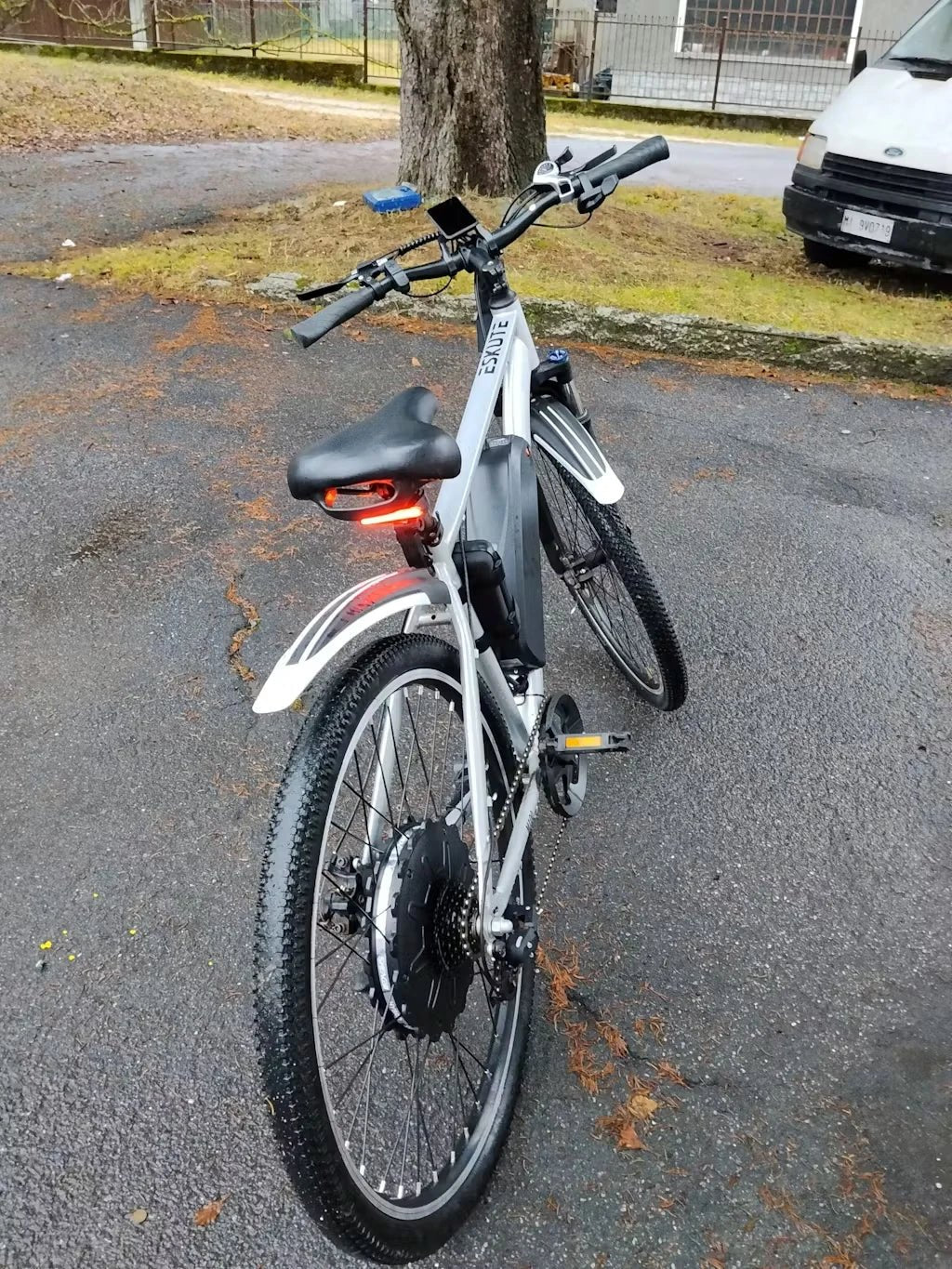
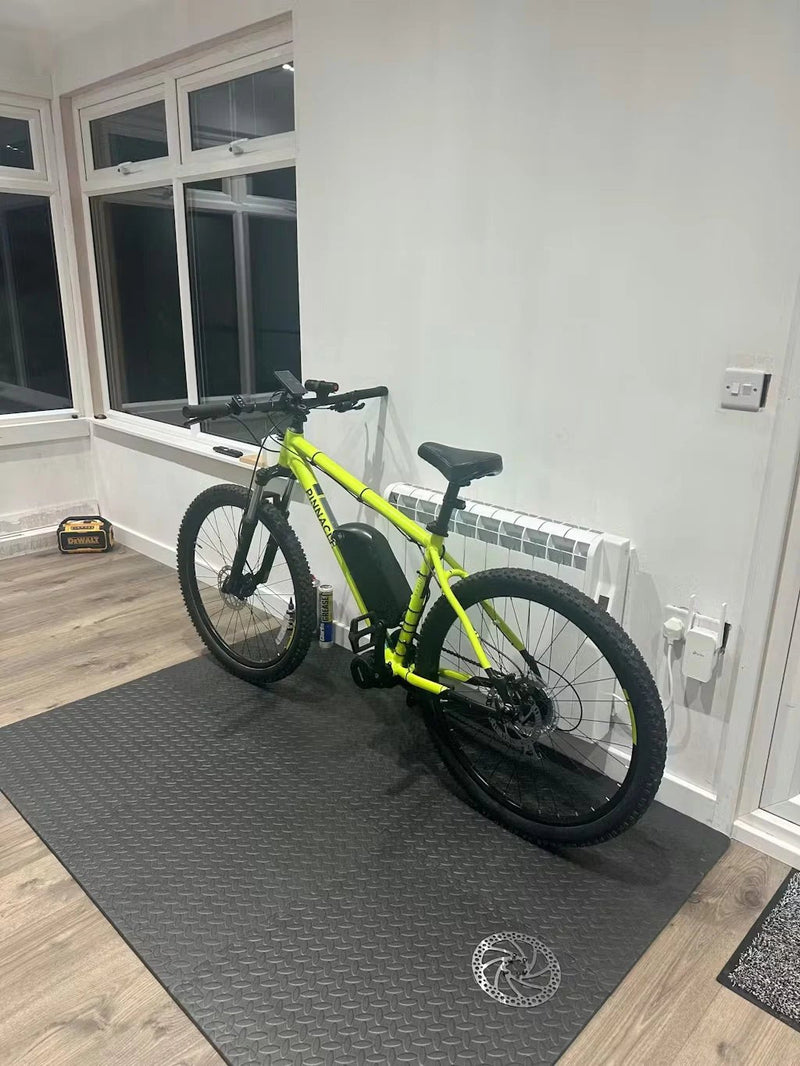
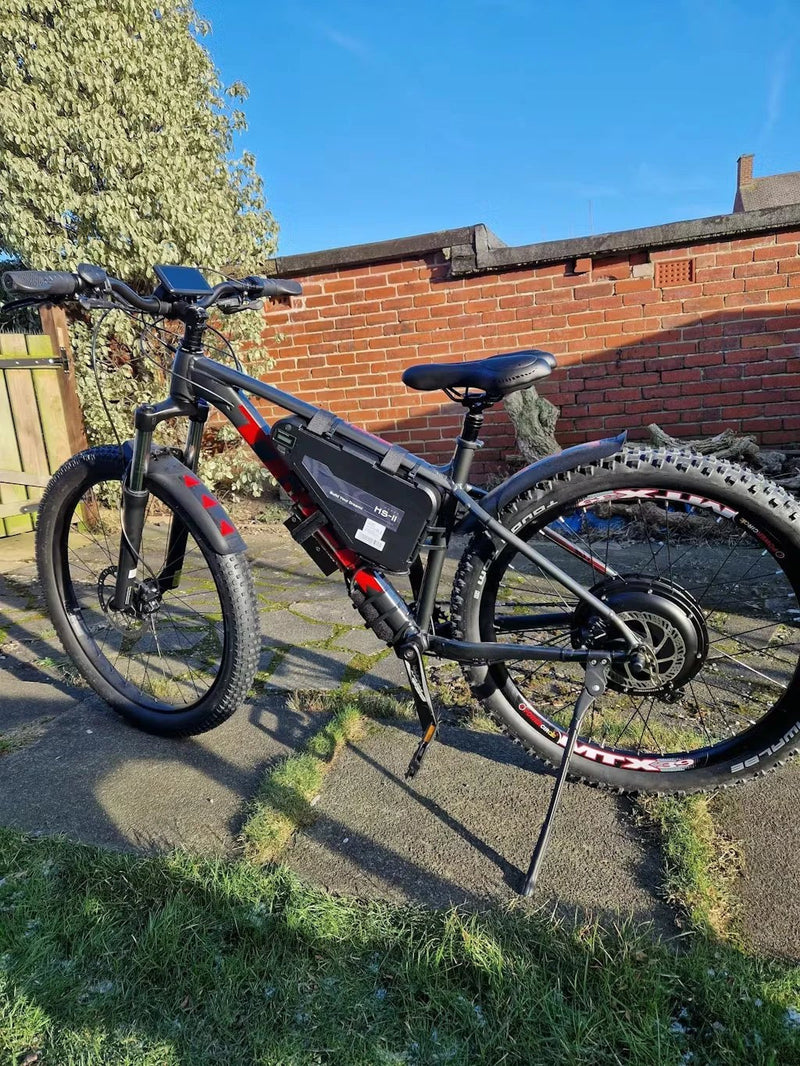
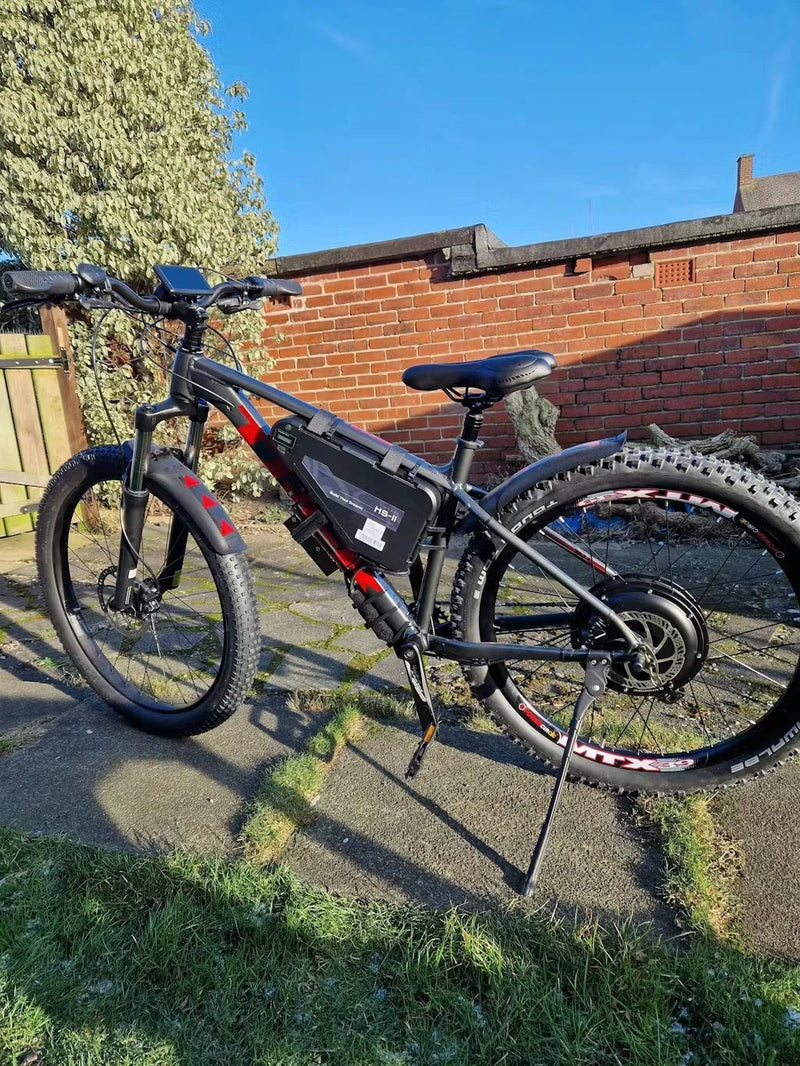
Heavy riders face unique e-bike conversion challenges that lighter cyclists never encounter—motor overheating, premature component failure, inadequate power delivery, frame stress concerns, and ran...
Selecting appropriate motor power represents the single most consequential decision in e-bike conversion—too little power creates frustrating inadequate performance, while excessive power wastes in...
Front hub motor e-bike conversion represents the simplest electric bicycle transformation available—replacing front wheel takes 20 minutes requiring only basic mechanical skills, preserving rear dr...
Rear hub motor e-bike conversion represents the most popular electric bicycle transformation globally—delivering superior traction physics favor rear-wheel-drive, balanced natural handling preservi...
E-bike conversion kits transform standard bicycles into electric-powered machines through external motor systems mounted visibly on frames—hub motors built into wheel hubs (250W-4000W) or mid-drive...
When exploring electric bicycle conversion options, most riders immediately consider hub motors or mid-drives—but friction drive systems represent an alternative approach that once dominated early ...
Mid-drive motors mount at the bicycle's bottom bracket, powering the bike through the existing chain and gears rather than directly driving a wheel. This fundamental architectural difference from h...
Choosing between front-wheel and rear-wheel motor placement represents one of the most consequential decisions in e-bike conversion, fundamentally affecting installation complexity, handling charac...
The fundamental choice between mid-drive and hub motor technology represents the single most consequential decision in e-bike conversion, creating profound differences in efficiency, climbing capab...