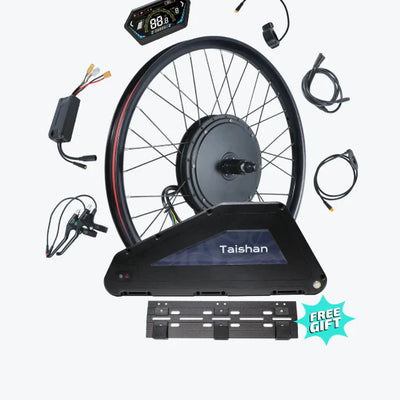
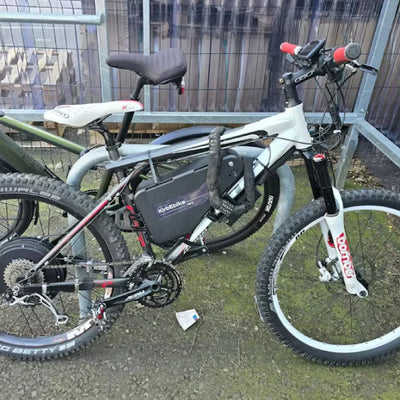
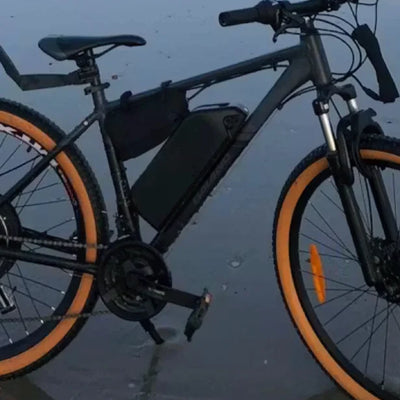
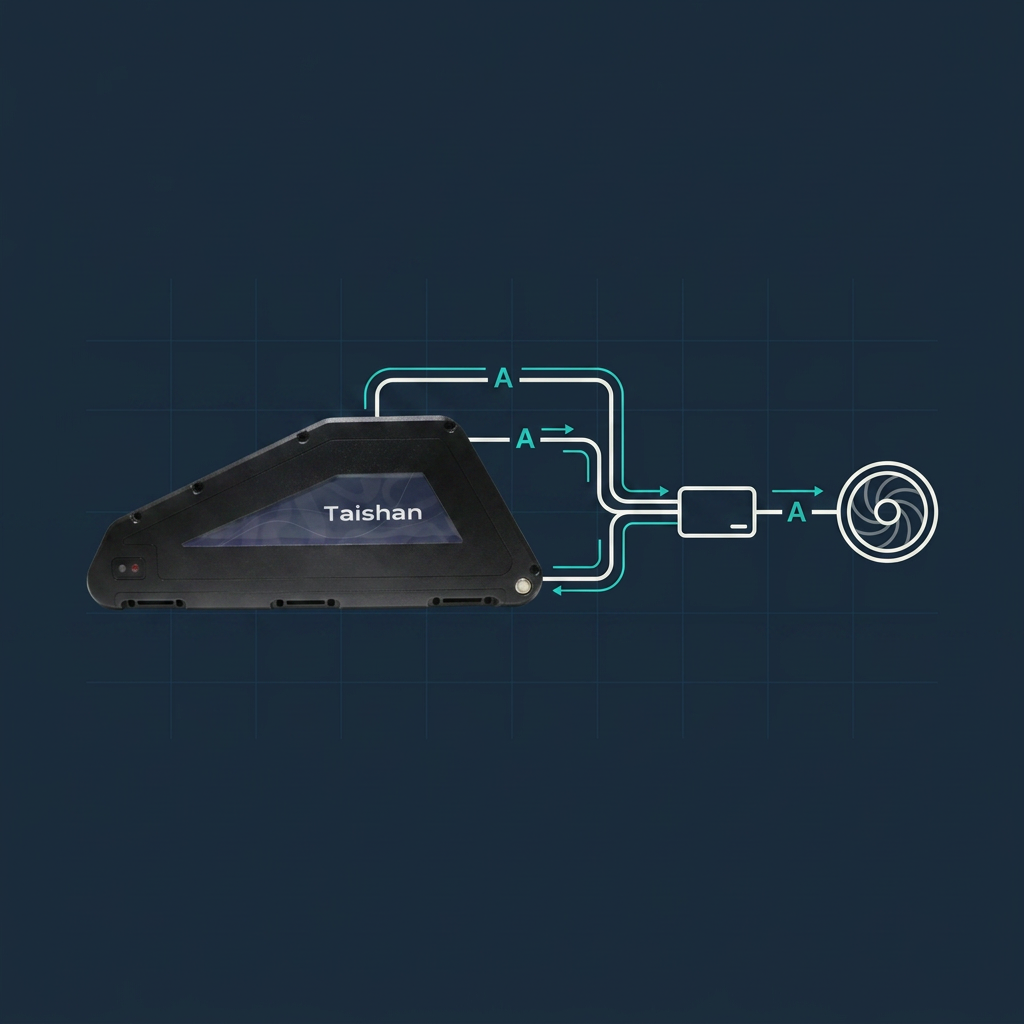
When considering ebike battery options, a common question arises in the 48V vs 52V ebike debate: Can I use a 52V battery on a 48V motor? In this article, we will delve into the compatibility and performance aspects of using a 52V battery on a 48V motor.
Advantages of 52V Batteries
When comparing 52V and 48V batteries, the former offers several advantages that make it an appealing choice for ebike enthusiasts.
- Increased Speed: A higher voltage translates to increased motor RPM, resulting in a faster ride. With a 52V battery, you can enjoy a little extra speed and power, perfect for those seeking an exhilarating riding experience.
- Enhanced Power: Higher voltage means higher watts, which directly translates to increased power. Climbing hills and riding against headwinds becomes easier and more efficient with a 52V battery.
- Extended Range: If you don't require the extra power for speed, a 52V battery offers the advantage of increased range on a single charge. You can go further without needing to recharge, making it an ideal choice for long-distance rides.
Advantages of 48V Batteries
While 52V batteries have their merits, 48V batteries also have their own advantages. It's important to consider both options before making a decision.
- Lighter Weight and Cost Savings: In general, 48V batteries are slightly lighter than their 52V counterparts. While the weight difference may be negligible, it can be a factor to consider for those seeking a lighter overall ebike setup. Additionally, 48V batteries tend to be more affordable, although the price difference is usually minimal.
- Compatibility: Some controllers and motors are specifically designed for 48V systems. In such cases, using a 48V battery becomes a requirement. However, it's worth noting that many 48V controllers and motors available today can also handle 52V batteries without any issues.
In the 48V vs 52V ebike comparison, understanding the benefits of each can help riders tailor their ebike's performance to their needs.
Compatibility Considerations
Using a higher voltage battery on a 48V motor may raise concerns about compatibility. However, if the company selling the motor kit offers a 52V battery as an option, it indicates that they have tested and verified its compatibility. In most cases, using a 52V battery on a 48V motor is safe and even performs better than a 48V battery.

52V Batteries and Electrify Bike Company
Electrify Bike Company, a reputable provider of ebike components, has sold thousands of 52V batteries on 48V motors. Based on their experience, they have found that 52V batteries yield better results and customer preference. The increased capacity and power of 52V batteries allow riders to cover longer distances at a faster pace.
Exploring Battery Voltage and Design
The world of ebike batteries encompasses various voltage options, including 36V, 48V, 52V, 60V, and 72V. Each voltage range serves specific purposes based on the desired performance and requirements of the ebike.
However, it's important to note that most 48V and 52V controllers have electronic components with voltage limitations that max out between 60V and 64V. Going beyond these voltage limits may result in component damage. Therefore, using a 52V battery with a maximum voltage of 58.8V on a 48V controller ensures safe operation without risking component failure.

Dual Battery Configuration
For those seeking even more power and range, a dual battery configuration can be considered. This involves using both a 52V and a 48V battery simultaneously, taking advantage of the combined voltage and capacity. However, it's crucial to ensure that the controller and wiring system can handle the dual battery setup.
Frequently Asked Questions
In the context of the 48V vs 52V ebike systems, can a 48V battery be used with a 36V motor?
The voltage of the battery and the motor should match for optimal performance. Using a 48V battery with a 36V motor may not provide sufficient power and could result in reduced performance.
What battery do I need for a 48V 2000W motor?
For a 48V 2000W motor, it is recommended to use a 48V battery with a high amp-hour (Ah) rating to ensure it can supply the required power consistently.
Can you charge a 48V battery with a 42V charger?
It is not advisable to charge a 48V battery with a charger that has an output voltage significantly lower than the battery's nominal voltage. Using a 42V charger may not fully charge the battery and can potentially lead to decreased performance and capacity over time.

Conclusion
In conclusion, the 48V vs 52V ebike battery comparison shows that using a 52V battery on a 48V motor can enhance speed, power, and range, presenting an attractive option for many riders. While compatibility concerns may arise, reputable companies like Electrify Bike have tested and verified the compatibility of 52V batteries on 48V motors.
However, it's essential to ensure that voltage limits of controllers and electronic components are not exceeded for safe operation. Ultimately, the choice between a 52V and 48V battery depends on individual preferences and specific requirements. Consider factors such as desired performance, weight, and cost when deciding on the best battery option for your ebike.
: invalid url input)
usmile
Liquid error (snippets/blog-best-product line 36): product form must be given a product
Liquid error (snippets/blog-best-product line 59): product form must be given a product