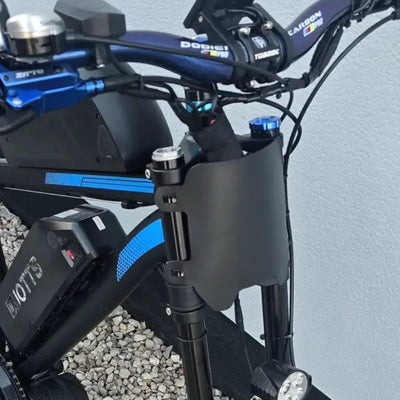
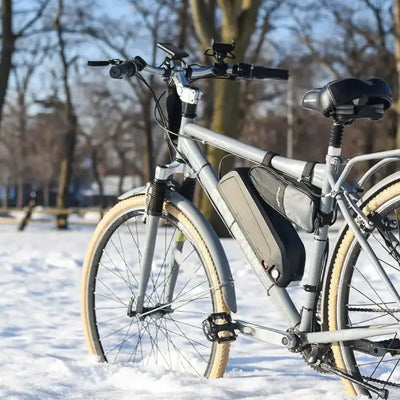
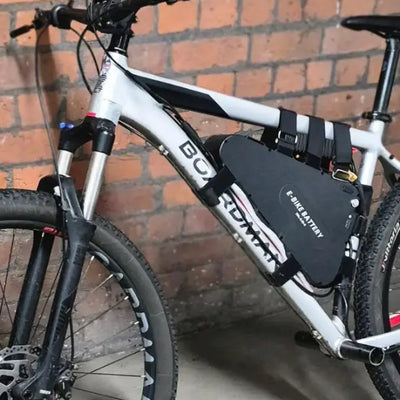
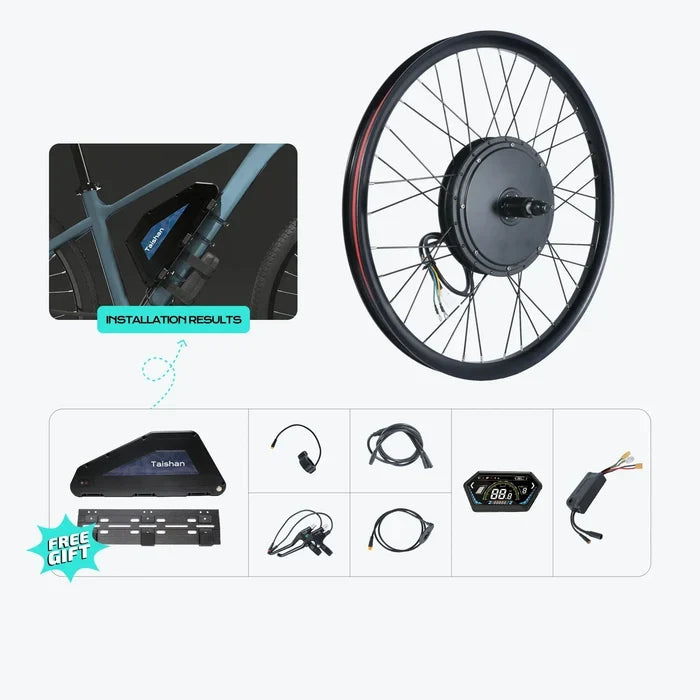
A 1000W e-bike conversion kit delivers serious hill-climbing capability—confidently conquering 12-18% sustained grades at 18-24 km/h (average 85kg rider), adequately handling 18-20% extreme hills at 12-16 km/h with effort, and maintaining comfortable 28-32 km/h moderate 8-10% inclines representing transformative capability versus 500W systems struggling identical terrain—but actual hill performance depends critically on rider weight (each additional 15kg reduces climbing speed 15-20%).
gradient steepness (power demands increase exponentially beyond 12%), voltage system (48V vs 52V affecting torque delivery), motor type (direct-drive versus geared hub influencing efficiency), battery capacity ensuring power delivery under load, and realistic expectations acknowledging physics limits even powerful motors face extreme combinations (110kg+ rider, 20%+ grade, headwind simultaneously).
Understanding what makes choosing the best ebike kit with 1000W motor optimal hill climbing requires examining power-to-weight physics, real-world Kirbebike 48V 1000W performance data across gradients and rider weights, thermal management under sustained load, battery requirements preventing voltage sag, comparison to 500-750W and 2000W alternatives, and honest assessment matching motor capability to actual terrain demands rather than assumptions "1000W conquers anything" disconnected from gradient realities and rider characteristic variables.
Understanding Hill Climbing Physics
![]()

Power Requirements vs Gradient
The Gravity Challenge:
Hill climbing demands power fighting gravity pulling rider + bicycle downward:
Basic Physics Formula:
Power (Watts) = Mass (kg) × Gravity (9.81 m/s²) × Vertical Speed (m/s)
Practical Translation:
Steeper hills require exponentially more power maintaining same speed:
Power Required (100kg Total Weight = 85kg Rider + 15kg Bike):
Maintaining 20 km/h (5.56 m/s):
-
Flat (0%): ~200W (rolling resistance, wind)
-
5% Grade: ~450W total (250W fighting gravity + 200W resistance)
-
10% Grade: ~850W total (650W gravity + 200W resistance)
-
15% Grade: ~1300W total (1100W gravity + 200W resistance)
-
20% Grade: ~1700W total (1500W gravity + 200W resistance)
Critical Observation:
1000W motor adequate 10% grades but marginal 15%, insufficient 20%+ maintaining 20 km/h (physics non-negotiable)
Rider Weight Impact Magnification
Weight Dramatically Affects Climbing:
Heavier riders require proportionally more power:
10% Grade, 20 km/h Target Speed:
Power Requirements:
-
70kg rider (85kg total): ~720W
-
85kg rider (100kg total): ~850W
-
100kg rider (115kg total): ~980W
-
115kg rider (130kg total): ~1110W
Reality for 1000W Motor:
-
70-85kg riders: Comfortable power reserves (operates 70-85% capacity)
-
100kg riders: Adequate (operates 95-98% capacity, minimal reserve)
-
115kg+ riders: Marginal (100%+ demand, slower speeds necessary)
Hill Climbing Performance Table
|
Grade
|
70kg Rider Speed
|
85kg Rider Speed
|
100kg Rider Speed
|
115kg Rider Speed
|
Power Demand vs 1000W Capacity
|
|
5-8%
|
30-35 km/h
|
28-32 km/h
|
26-30 km/h
|
24-28 km/h
|
50-75% (comfortable)
|
|
8-10%
|
28-32 km/h
|
26-30 km/h
|
24-28 km/h
|
22-26 km/h
|
65-85% (adequate)
|
|
10-12%
|
24-28 km/h
|
22-26 km/h
|
20-24 km/h
|
18-22 km/h
|
75-95% (near capacity)
|
|
12-15%
|
20-24 km/h
|
18-22 km/h
|
16-20 km/h
|
14-18 km/h
|
85-105% (at/exceeding capacity)
|
|
15-18%
|
16-20 km/h
|
14-18 km/h
|
12-16 km/h
|
10-14 km/h
|
95-115% (inadequate/marginal)
|
|
18-20%
|
12-16 km/h
|
10-14 km/h
|
8-12 km/h
|
6-10 km/h
|
105-130% (struggling/inadequate)
|
|
20%+
|
10-14 km/h
|
8-12 km/h
|
Inadequate
|
Inadequate
|
120%+ (insufficient power)
|
Thermal Management Under Load
Heat Generation Climbing
Sustained Load Reality:
Hill climbing creates maximum motor stress:
Heat Generation Factors:
-
Continuous high power: Motor operates 80-100%+ capacity
-
Low speed: Reduced airflow cooling (stationary climbing)
-
Extended duration: Long sustained hills cumulative heat
-
Environmental: Summer temperatures compound issue
-
Load: Heavy riders increase thermal stress
1000W Direct-Drive Thermal Advantages:
Why 1000W Direct-Drive Handles Heat:
✓ Large motor mass: 4-6.2kg acts as heat sink ✓ Surface area: Extensive cooling potential ✓ No internal gears: Eliminates gear friction heat ✓ Robust construction: Designed sustained high power ✓ Thermal capacity: Absorbs heat without immediate failure
Thermal Management Recommendations:
✓ Monitor motor temperature (hand-check hot but touchable acceptable) ✓ Allow cooling breaks extreme sustained climbs (5-10 minutes rest every 10-15 minutes hard climbing) ✓ Avoid continuous 100%+ power extended periods (thermal protection may engage, reducing power) ✓ Consider 1500-2000W if regular extreme climbing (larger motors better thermal headroom)
Battery Requirements for Hill Climbing
Voltage Sag Under Load
The Power Delivery Challenge:
Hills demand maximum current from battery:
Voltage Sag Phenomenon:
-
Full battery (54.6V fully charged 48V system): Maximum power delivery
-
Under load: Voltage drops temporarily (internal resistance)
-
Heavy sag: Reduces available power (48V → 42V under load = power reduction)
-
Weak batteries: Excessive sag cripples performance
Battery Specifications Critical:
Minimum Requirements 1000W Hill Climbing:
Capacity: 48V 16Ah minimum (20Ah better) Discharge rate: 30A continuous minimum (40A+ ideal) Cell quality: LG, Samsung, Panasonic only (cheap cells sag excessively) BMS: 40A+ rated (prevents premature cut-off) Construction: Quality assembly (poor builds internal resistance)
Inadequate Battery Symptoms:
✗ Power reduction hills (voltage sag excessive) ✗ Premature BMS cut-off (over-current protection) ✗ Reduced top speed (insufficient voltage delivery) ✗ Shortened range (capacity lost to sag) ✗ Overheating (excessive internal resistance)
Comparison: 500W vs 1000W vs 2000W Hill Climbing
![]()

Capability Differences Real-World
500W System (48V SHENGYI Geared Hub):
Moderate Hills (8-10%, 85kg Rider):
- Speed: 20-24 km/h (adequate but slower)
- Experience: Noticeable effort required
- Thermal: Warm, adequate
Steep Hills (12-15%, 85kg Rider):
- Speed: 13-16 km/h (struggling)
- Experience: Hard pedaling necessary
- Thermal: Hot, marginal sustained
Summary Observation:
1000W provides substantial upgrade vs 500W steep hills (30-50% speed increase), but 2000W delivers further significant improvement extreme gradients (20-30% speed increase vs 1000W) making power selection terrain-dependent: 1000W adequate most hills most riders, 2000W necessary extreme regular steep climbs or very heavy riders (110kg+).
When 1000W Adequate vs Insufficient
1000W Excels These Scenarios
Optimal 1000W Hill Applications:
✓ Moderate regular hills: 8-12% sustained grades frequent ✓ Average riders: 70-100kg range ✓ Mixed terrain: Combination flat, moderate, occasional steep ✓ Commuting: Regular predictable routes known grades ✓ Recreational: Varied terrain without extreme sustained climbs ✓ Cargo moderate: Occasional loads 10-20kg additional
Real-World Success: 85kg Rider, Hilly Commute
Profile:
- Weight: 85kg
- Commute: 16km each way
- Terrain: Mix of 8-12% sustained hills (1-2km each)
- Occasional: 15% short climbs (200-300m)
- System: 48V 1000W direct-drive, 20Ah battery
Results After 12 Months:
✓ 8-12% hills: Conquered confidently 22-28 km/h ✓ 15% short climbs: Manageable 16-20 km/h with effort ✓ Thermal: Never overheating (adequate breaks between climbs) ✓ Range: 40-45km aggressive hill climbing ✓ Satisfaction: Complete—adequate power all conditions ✓ Comparison: Previous 750W struggled, constant maximum effort
Key Insight: "1000W transformed hill climbing from constant struggle to confident capability—adequate power reserves mean operating 70-80% capacity comfortable sustainable versus 750W constantly maxed creating thermal stress and disappointing performance despite quality motor."
1000W Struggles These Scenarios
Where 1000W Inadequate:
✗ Very heavy riders: 110kg+ regular sustained climbing ✗ Extreme sustained hills: 18-20%+ extended climbs daily ✗ Loaded touring: 100kg+ rider + 20-30kg cargo steep terrain ✗ Maximum capability: Desire effortless climbing any grade ✗ Hot climates: Ambient 35°C+ compounds thermal stress
Real-World Inadequacy: 115kg Rider, Mountain Terrain
Profile:
- Weight: 115kg
- Terrain: 15-20% sustained climbs regular (3-5km)
- System: 48V 1000W direct-drive
- Outcome: Inadequate, upgraded to 60V 2500W
Problems Encountered:
✗ Power: Constantly 100-110%+ demand (insufficient) ✗ Speed: 12-16 km/h struggling (frustrating slow) ✗ Thermal: Overheating frequent (power reduction, stops) ✗ Satisfaction: Disappointed, inadequate capability ✗ Solution: Sold 1000W, purchased 2500W system
After 2500W Upgrade:
✓ Hills conquered 24-28 km/h (transformative) ✓ Power reserves comfortable (operates 70-80% capacity) ✓ Thermal management perfect (larger motor, adequate headroom) ✓ Satisfaction complete (appropriate power for demands)
Key Lesson: "1000W marginal 115kg rider extreme sustained hills—constant maximum load creates thermal stress, disappointing performance, and inadequate capability making 2000W+ necessary achieving satisfying reliable climbing heavy riders or extreme terrain regardless of 1000W motor quality."
Optimizing 1000W Hill Performance
Riding Technique Maximization
Get Most From 1000W:
Technique Tips:
✓ Gear down early: Lower gear before hill (maintain motor RPM optimal range) ✓ Pedal assist: Contribute 50-100W pedaling (reduces motor load significantly) ✓ Momentum: Carry speed into climbs (reduces power demand initial acceleration) ✓ Weight distribution: Lean forward steep climbs (improves rear traction) ✓ Breaks: Allow cooling extremely sustained climbs (5-10 minute rests prevent thermal shutdown) ✓ Route planning: Choose gradual routes when possible (avoid steepest options unnecessarily)
System Optimization
Maximize Performance:
✓ Quality battery: Invest best cells (minimal voltage sag, maximum power delivery) ✓ Tire pressure: Maintain recommended maximum (reduces rolling resistance hills) ✓ Weight reduction: Minimize unnecessary cargo (every kg matters) ✓ Maintenance: Keep drivetrain clean, lubricated (reduces power losses) ✓ Voltage upgrade: Consider 52V system vs 48V (10-15% torque improvement same wattage)
Making Hill Climbing Decisions
A 1000W e-bike conversion kit delivers serious transformative hill-climbing capability—confidently conquering 12-15% sustained grades at 18-24 km/h average riders (85kg), adequately handling 8-10% moderate hills at 26-30 km/h comfortable speeds, and managing 15-18% extreme grades at 14-18 km/h with significant effort representing substantial 30-50% performance improvement versus 500-750W systems struggling identical terrain—but faces physics limitations extreme combinations (very heavy riders 110kg+, sustained 18-20%+ gradients.
Ready to conquer hills with optimal motor power? Explore the complete electric bike kit battery range including 48V 1000W direct-drive systems (12-18% grade capability, 70-100kg riders, robust thermal management), 500-750W options (moderate hills, lighter riders, budget-conscious), 2000W+ extreme power (very heavy riders, sustained extreme grades, maximum capability), and expert guidance ensuring your conversion delivers adequate hill-climbing performance through motor power matched to steepest regular terrain, rider weight reality, and thermal management requirements.
Frequently Asked Questions
Can a 1000W e-bike conversion kit climb 15% hills?
Yes but performance depends critically on rider weight: 70-85kg riders achieve 16-22 km/h confident climbing with moderate effort (motor operates 85-100% capacity.
How much faster is 1000W vs 500W climbing hills?
Substantial 30-50% speed advantage steep grades: 10% grade 85kg rider 500W achieves 20-24 km/h while 1000W reaches 26-30 km/h (~25% faster).
Will a 1000W motor overheat climbing long steep hills?
Depends on gradient, duration, rider weight, ambient temperature: moderate hills (8-12%) and average riders (70-100kg) 1000W direct-drive handles extended climbs without overheating (large motor mass excellent heat sink.
What's the steepest hill a 1000W e-bike motor can climb?
Physics limits depend on rider weight and acceptable speed: 70kg rider can climb 18-20% grades at 12-16 km/h with hard effort (marginal but functional).
Do I need 2000W for hill climbing or is 1000W enough?
Depends on hills steepness, frequency, rider weight: 1000W adequate most riders (70-100kg) regular 8-15% sustained hills (confident 18-30 km/h climbing, comfortable power reserves.
: invalid url input)
usmile
Liquid error (snippets/blog-best-product line 36): product form must be given a product
Liquid error (snippets/blog-best-product line 59): product form must be given a product