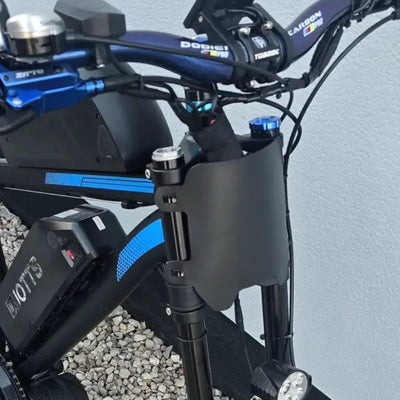
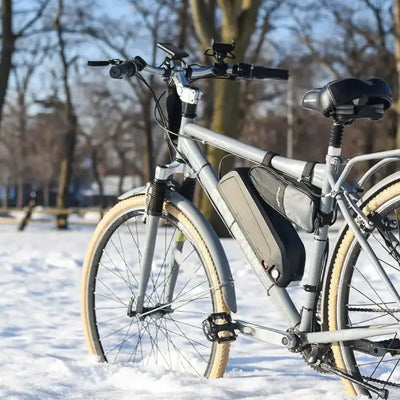
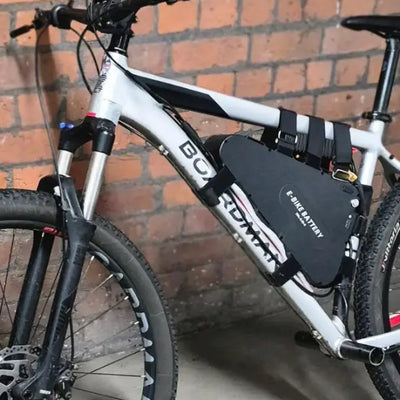
Daily commuting on an e-bike demands reliability. Your battery powers every journey, and neglecting its maintenance means risking unexpected failures during your morning ride to work or evening return home.
Unlike weekend recreational riders who can tolerate occasional issues, commuters need consistent performance—every single day.Proper e-bike battery maintenance isn't complex, but it requires consistency.
The difference between a battery that lasts three years and one that reaches five years often comes down to simple daily habits and periodic checks. For riders covering 20-30 miles daily on their KirbEbike conversions, these practices directly impact total cost of ownership and commuting reliability.
This comprehensive maintenance checklist covers everything daily commuters need to know—from pre-ride inspections to long-term storage practices. Follow these guidelines, and your battery will deliver dependable service throughout its rated lifespan.
Daily Maintenance Routine: Before Every Ride
![]()

Quick Visual Inspection (30 seconds)
Before each ride, spend half a minute examining your battery and connections.
Check for obvious issues:
- Battery securely locked in mount (test with gentle upward pull)
- No visible cracks, dents, or swelling on battery case
- Connector firmly seated with no visible gaps
- No moisture or debris in connection points
- Display powers on normally when activated
One KirbEbike commuter reports catching a loose connector during their pre-ride check—a 30-second inspection that prevented being stranded 6 km from home with a massive hill between them and the train station.
Verify Charge Level
Check battery percentage before departing, especially if you didn't charge overnight.
Charge assessment guidelines:
- 80-100%: Sufficient for most commutes with margin
- 60-79%: Adequate for direct commutes, minimal detours
- 40-59%: Risky for longer commutes, consider charging
- Below 40%: Charge before riding unless commute is very short
Many riders develop intuition about their specific commute requirements. A 23 km hilly ride might need 25-30% battery, while a flat 15 km route uses only 15-20%. Know your baseline consumption.
Connection Point Examination
Weekly deep inspection of connections:
- Remove battery and inspect both battery-side and bike-side connectors
- Look for corrosion (green/white deposits on metal contacts)
- Check for bent or damaged pins
- Wipe contacts with dry cloth to remove dust and debris
- Ensure rubber gaskets (if present) remain intact
Corrosion on connectors increases resistance, generating heat and reducing efficiency. Early detection prevents permanent damage.
Weekly Maintenance Tasks
Comprehensive Cleaning Protocol
Battery exterior cleaning (every 7-10 days):
- Remove battery from bike
- Wipe casing with slightly damp cloth (not dripping wet)
- Clean around connector with dry cloth or compressed air
- Inspect mounting rails for dirt accumulation
- Dry thoroughly before reinstalling
Never pressure-wash batteries or submerge them. While modern batteries feature IP65+ ratings, prolonged water exposure or high-pressure spray can compromise seals.
Mounting Hardware Check
Battery mounting systems experience constant vibration stress.
Inspect mounting components:
- Tighten any loose mounting bolts or screws
- Check for cracks in mounting bracket
- Verify locking mechanism engages fully
- Test that battery doesn't rattle or shift when secured
- Examine any rubber dampening material for degradation
Loose batteries suffer accelerated wear on connection points and cases. Secure mounting protects your investment.
Performance Monitoring
Track basic performance metrics to identify degradation early.
Record weekly observations:
- Approximate range achieved on typical commute
- Percentage remaining after standard ride
- Any unusual voltage drops under load (watch display)
- Charging time from typical depletion level to full
Gradual changes are normal, but sudden performance drops indicate problems requiring investigation.
Charging Best Practices for Commuters
![]()

Optimal Charging Schedule
Daily commuters face a choice: charge after every ride or wait until battery drops to specific levels.
Recommended approach for most commuters:
- Charge after each ride if depleting 30% or more
- For short commutes using <20% per ride, charge every 2-3 days
- Maintain charge between 20-80% for maximum longevity
- Avoid letting battery sit at 100% for extended periods
The 48V 16Ah mid-motor battery in many KirbEbike systems handles daily charging cycles exceptionally well when kept in the 20-80% range.
Charging Environment Matters
Ideal charging conditions:
- Temperature: 10-25°C (avoid extreme cold or heat)
- Dry location away from moisture sources
- Well-ventilated area (batteries generate minor heat while charging)
- Stable surface where charger and battery won't be disturbed
- Away from flammable materials (standard electrical safety)
Conditions to avoid:
- Charging in direct sunlight or hot cars
- Charging immediately after hard ride (let battery cool 15-30 minutes)
- Freezing temperatures (below 0°C)
- Humid environments like bathrooms or unheated garages in winter
Charger Care and Inspection
Your charger requires maintenance too.
Monthly charger inspection:
- Examine power cable for fraying or damage
- Check connector for bent pins or corrosion
- Verify LED indicator functions properly
- Test that charger doesn't overheat during normal operation
- Ensure fan (if equipped) operates and isn't blocked
Replace damaged chargers immediately. Using damaged chargers risks battery damage and safety hazards.
Long-Term Storage Protocol
Extended Storage Preparation
For riders taking breaks from commuting—holidays, seasonal changes, injuries—proper storage preserves battery health.
Storage preparation steps:
- Charge battery to 50-60% (not full, not empty)
- Remove from bike and clean thoroughly
- Store in cool, dry location (10-15°C ideal)
- Check voltage monthly and recharge if dropped significantly
- Avoid placing heavy objects on battery
Storage duration guidelines:
- 1-4 weeks: Minimal special preparation needed
- 1-3 months: Follow full storage protocol, check biweekly
- 3-6 months: Check weekly, maintain 50-60% charge
- 6+ months: Consider bringing to partial use occasionally
Reactivation After Storage
Post-storage checklist:
- Inspect battery for any damage that occurred during storage
- Charge to 80-100% before first use
- Perform initial short test ride to verify normal operation
- Monitor performance closely for first few rides
- Resume normal maintenance schedule
Batteries stored properly show minimal degradation even after months of inactivity.
Troubleshooting Common Commuter Issues
Sudden Range Reduction
Potential causes and solutions:
|
Symptom
|
Likely Cause
|
Solution
|
|
Gradual range decrease over months
|
Normal aging
|
Continue use; plan for eventual replacement
|
|
Sudden 30%+ range drop
|
Connection resistance or cell imbalance
|
Clean connections; perform calibration cycle
|
|
Range drops in cold weather
|
Temperature effect on chemistry
|
Normal; store battery warm when possible
|
|
Range drops with voltage sags under load
|
Worn cells or BMS issues
|
Professional diagnosis recommended
|
Charging Problems
Common charging issues:
Battery won't charge (no LED on charger):
- Verify power outlet functions
- Check charger connections
- Inspect charger for damage
- Test different outlet
Charging very slowly:
- Normal if using low-amperage charger (2A takes 8-10 hours)
- Clean connection points
- Verify charger specifications match battery
Won't reach 100%:
- Capacity degradation normal after hundreds of cycles
- BMS may limit charging to protect aged cells
- Consider replacement if capacity unacceptable
Connection Issues
Intermittent power or error messages:
- Remove and reseat battery firmly
- Clean all connection points thoroughly
- Inspect for bent pins or damaged connectors
- Check wiring for breaks or loose connections
- Test with multimeter if comfortable (verify voltage present)
Frequently Asked Questions
How often should I charge my commuter e-bike battery?
For daily commutes depleting 30% or more of capacity, charge after each ride. Shorter commutes using less than 20% can charge every 2-3 days. Maintain charge between 20-80% for optimal longevity and always charge after rides dropping below 20%.
Can I leave my battery on the charger overnight?
Modern chargers with automatic shutoff make overnight charging safe, but best practice is unplugging within a few hours of completion. Storing batteries at 100% charge for extended periods accelerates degradation—charge the night before your ride rather than days in advance.
Should I remove my battery daily or leave it on the bike?
For riders storing bikes in temperature-controlled spaces, either approach works. However, daily removal and indoor storage proves essential during winter months and extends battery life by protecting against temperature extremes and theft. Takes 10 seconds and provides peace of mind.
How do I know if my battery needs replacement?
Replace when capacity drops below 70% of original performance, when range no longer meets your commuting needs, or if you observe physical damage or swelling. Most commuter batteries require replacement after 800-1200 full charge cycles, translating to 3-5 years depending on usage patterns.
What's the most important maintenance task for battery longevity?
Avoiding deep discharges below 20% and limiting time spent at 100% charge delivers the greatest longevity benefit. Temperature management runs a close second—protecting batteries from extreme heat and cold significantly extends lifespan. These two factors outweigh all other maintenance combined.
Can I upgrade to a higher capacity battery on my KirbEbike?
Yes, provided voltage matches your system. A 48V 20Ah battery can replace a 48V 16Ah battery, offering extended range. Verify physical dimensions fit your mounting location and that connector types match. Never mix voltages—a 52V battery cannot replace a 48V battery safely.
How should I maintain my battery during a two-week vacation?
Charge to 50-60%, remove from bike, and store indoors in a cool, dry location. Two weeks requires no additional attention—battery will hold charge adequately. For longer vacations exceeding one month, check voltage weekly and recharge if it drops significantly.
Conclusion
Daily commuting demands dependable performance from your e-bike battery. The maintenance practices outlined here—from 30-second daily inspections to monthly deep cleaning—ensure your KirbEbike battery delivers consistent range and reliability throughout its service life.
The difference between a battery that frustrates you with premature failure and one that reliably powers your commute for 4-5 years comes down to consistent, simple maintenance habits. None of these practices require special skills or expensive tools—just attention and consistency.
For riders ready to convert their commuter bike with quality components backed by proven reliability, explore the complete KirbEbike conversion kit collection featuring batteries designed for long-term daily use.
: invalid url input)
usmile
Liquid error (snippets/blog-best-product line 36): product form must be given a product
Liquid error (snippets/blog-best-product line 59): product form must be given a product