De vraag komt constant op in fietsforums, Reddit-threads en gesprekken in fietsenwinkels: waarom zou je betalen voor een compleet nieuwe e-bike als je de perfect goede fiets die al in je garage staat, kunt ombouwen? Het is een legitieme vraag, en het eerlijke antwoord is dat voor de juiste rijder met de juiste verwachtingen, een ombouwkit voor e-bikes buitengewone waarde levert die speciaal gebouwde e-bikes eenvoudigweg niet kunnen evenaren.
Maar "de moeite waard" hangt volledig af van waarmee je vergelijkt en wat je daadwerkelijk nodig hebt. Deze gids ontleedt de werkelijke kosten, de echte voordelen en de eerlijke beperkingen, zodat je met vertrouwen kunt beslissen.
De Kernwaardepropositie: Wat je Daadwerkelijk Krijgt

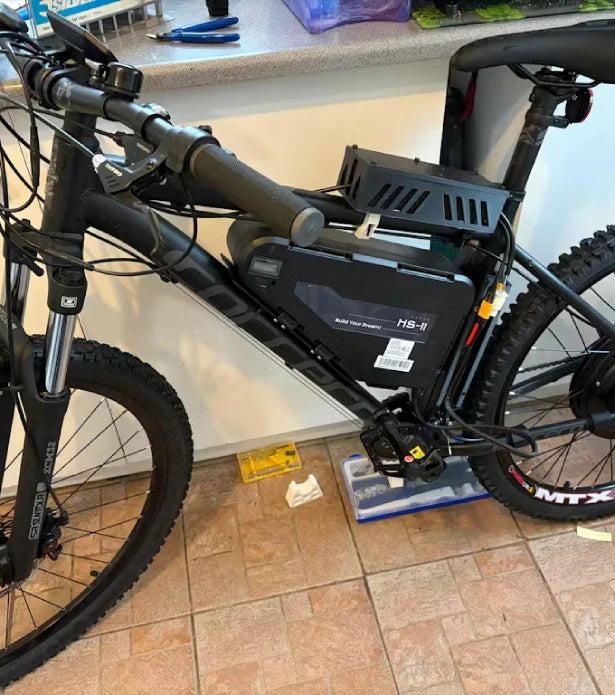
Wanneer je een ombouwkit koopt, koop je geen e-bike – je koopt het elektrische systeem dat van elke fiets een e-bike maakt. De motor, accu, controller, display en sensoren worden op je bestaande fiets geïnstalleerd, wat betekent dat de framemetrie waar je van houdt, de componenten waarvoor je al hebt betaald, en de afstelling die je hebt verfijnd, allemaal precies zo blijven als ze zijn.
Dit is fundamenteel anders dan het kopen van een kant-en-klare e-bike, waarbij je betaalt voor een volledig nieuwe fiets plus het elektrische systeem – of je nu de nieuwe fiets wilt of niet.
De waardevergelijking van de ombouwkit:
- Je behoudt de fiets die je kent en vertrouwt
- Je voegt elektrische ondersteuning toe voor een fractie van de kosten van een complete e-bike
- Individuele componenten kunnen onafhankelijk worden geüpgraded of vervangen
- Je bent niet gebonden aan propriëtaire systemen
Eerlijke Kostenvergelijking: Ombouwkit vs. Nieuwe E-bike
Het financiële argument voor ombouwkits is het sterkst wanneer je al een degelijke fiets bezit. Hier is hoe de cijfers zich verhouden in verschillende scenario's.
|
Scenario
|
Ombouwkit Route
|
Nieuwe E-bike Route
|
Geschatte Besparing
|
|
Hebt een goede bestaande fiets
|
Alleen kit
|
Volledige e-bike aankoop
|
Aanzienlijk
|
|
Moet een donorbike kopen
|
Donorbike + kit
|
Volledige e-bike aankoop
|
Redelijk
|
|
Wil high-power off-road
|
High-power kit
|
Equivalent e-MTB
|
Zeer aanzienlijk
|
|
Wil een straatlegale forensenfiets
|
Budget kit
|
Instapmodel e-bike
|
Redelijk
|
Het verschil wordt dramatisch groter aan de high-performance kant. Kirbebike's 52V 2000W kit levert prestaties waarvoor gelijkwaardige speciaal gebouwde e-bikes aanzienlijk hogere prijzen vragen, omdat speciaal gebouwde fabrikanten bovenop de kosten van het elektrische systeem ook framekosten, merkpremies en dealermarges toevoegen.
Waar ombouwkits geen geld besparen: Als je een donorbike moet aanschaffen en kiest voor een bescheiden kit, dan wordt de besparing ten opzichte van een instapmodel speciaal gebouwde e-bike kleiner. In dit scenario komt de waarde minder uit financiële besparingen en meer uit de andere voordelen die hieronder worden behandeld.
De 6 Echte Voordelen van Ombouwkits

1. Behoud de Fiets Waar je Al van Houdt
Dit is het meest onderschatte voordeel. Fietsers die jarenlang een Brompton hebben afgesteld voor woon-werkverkeer, een mountainbike voor lokale routes, of een racefiets voor weekendritten, hebben een betekenisvolle gehechtheid aan die machines – en goede redenen om ze te blijven gebruiken.
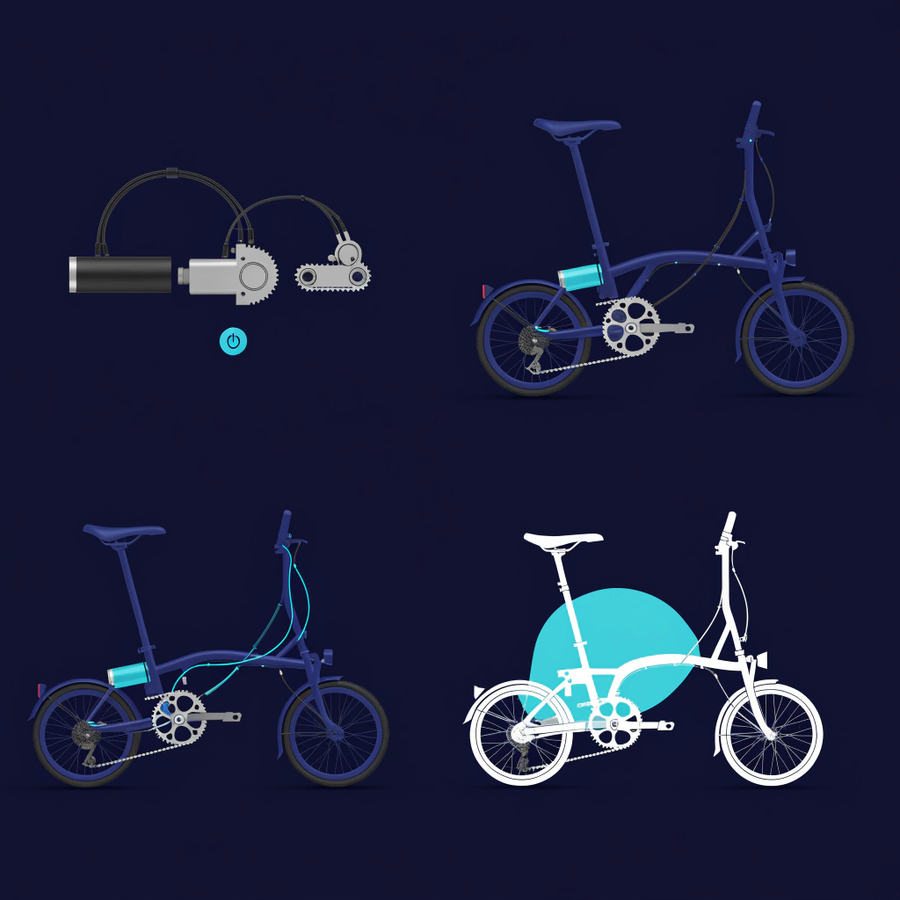
Een Kirbebike-kit installeert op racefietsen, MTB's, hybride fietsen, vouwfietsen, bakfietsen, driewielers en Bromptons in alle 13 standaard wielmaten van 16" tot 700C. De fiets die je kent, wordt een e-bike; verder verandert er niets.
2. Volledige Maatwerk van Vermogen en Bereik
Speciaal gebouwde e-bikes worden geconfigureerd zoals de fabrikant heeft besloten. Ombouwkits laten je precies kiezen wat je nodig hebt. Het assortiment van Kirbebike strekt zich uit van 36V 250W straatlegale systemen tot 72V 4000W extreme prestatiesystemen – hetzelfde basisinstallatieproces, radicaal verschillende vermogensafgiftes om aan te sluiten bij waarvoor je de fiets daadwerkelijk wilt gebruiken.
Beschikbare vermogensopties:
- 250W voorwiel (legaal voor de weg, UK woon-werkverkeer)
- 500W/750W middenmotor (koppelgericht, uitstekend voor bergop)
- 1000W naafmotor (veelzijdige allround prestaties)
- 1500W-2000W (hoge prestaties, off-road gericht)
- 2500W-3000W (serieuze prestaties)
- 4000W (extreem/MTB/fatbike)
De accucapaciteit is even flexibel – van compacte 7Ah-pakketten voor licht woon-werkverkeer tot 30Ah high-capacity units voor maximale actieradius.
3. Componentonafhankelijkheid en Lange Termijn Repareerbaarheid
Wanneer de motor van een eigen e-bike defect raakt nadat de garantie is verlopen, zijn de opties vaak beperkt en duur. Met een ombouwkit is elk onderdeel afzonderlijk vervangbaar. Controller kapot? Vervang de controller. Accucapaciteit afgenomen? Upgrade de accu.
Motor versleten na 20.000 km? Vervang het motorwiel. Kirbebike-klanten hebben dit duidelijk aangetoond – één rijder heeft bijna 14.000 mijl afgelegd op zijn 1500W-systeem, waarbij een tweede controller en derde display werden gebruikt, terwijl de originele motor en accu in gebruik bleven.
4. Installatie Duurt 20 Minuten
Kirbebike-kits installeren in ongeveer 20 minuten op de meeste fietsen. Dit is geen marketingclaim – het is geverifieerd door tientallen klantrecensies van mensen zonder eerdere elektrische of mechanische ervaring.
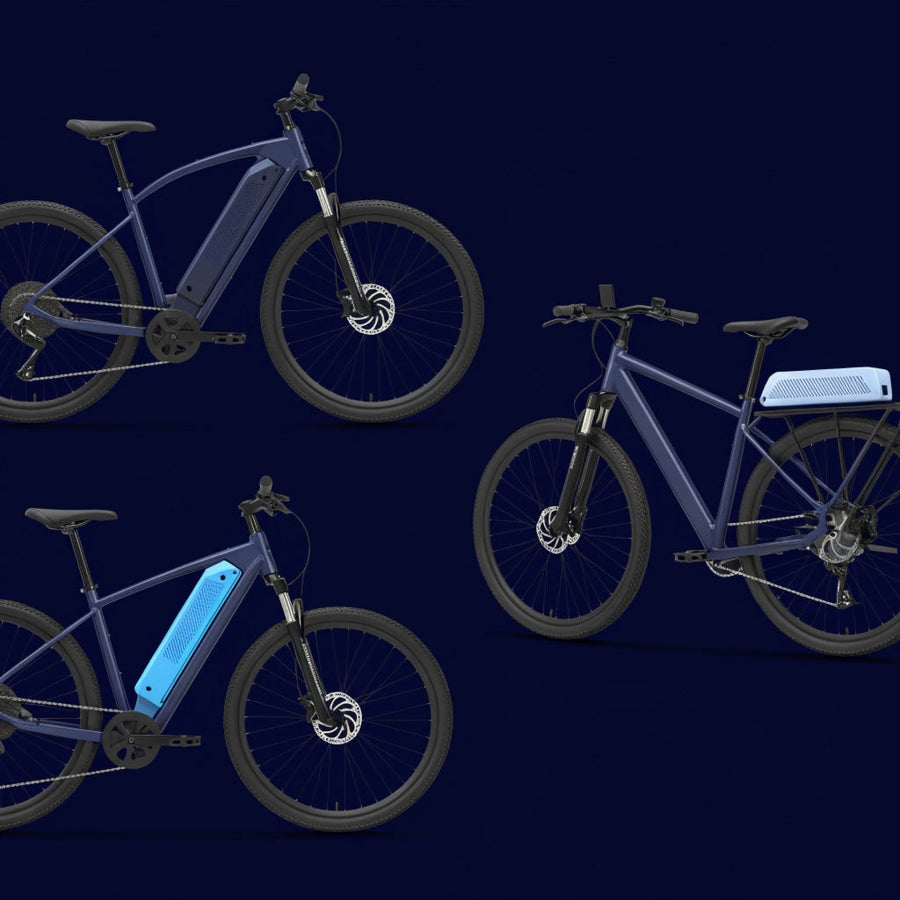
Het motorwiel vervangt het bestaande wiel (geen framemodificaties nodig), de accu wordt bevestigd aan bestaande bidonhoudernokken of de achterdrager, en het display en de sensoren worden aan het stuur en de trapas bevestigd. Vergeleken met het vinden, kopen en wachten op een hele nieuwe e-bike, is de ombouwroute drastisch sneller om te gaan rijden.
5. Duurzaamheid en Milieuwaarde
Het ombouwen van een bestaande fiets houdt een functioneel frame in gebruik dat anders stil zou staan of verkocht zou worden wanneer de eigenaar overstapt op een nieuwe e-bike. De milieukosten van het produceren van een complete nieuwe e-bike – inclusief frame, voorvork, componenten en elektrisch systeem – zijn aanzienlijk hoger dan het produceren van alleen de elektrische ombouwcomponenten.
Voor milieubewuste fietsers is de ombouwroute met een aanzienlijke marge de duurzamere keuze.
6. Bewezen Betrouwbaarheid op Lange Termijn
De praktijkgegevens van Kirbebike-klanten zijn werkelijk indrukwekkend. Meerdere geverifieerde klanten hebben meer dan 20.000 km op hun kits gereden, waarbij één rijder in twee jaar tijd bijna 20.000 km aflegde op een 1500W-systeem zonder problemen. Een forens meldde 3.500 km op een EZ Rider-kit, een ander reed dagelijks 30 mijl na vier jaar – dit zijn echte cijfers van echte fietsers, geen schattingen van de fabrikant.
De Eerlijke Beperkingen

Geen enkel artikel over ombouwkits dat de moeite waard is om te lezen, negeert de nadelen. Hier schieten ombouwkits echt tekort in vergelijking met speciaal gebouwde e-bikes.
Esthetiek van de integratie: Ombouwkits voegen zichtbare componenten toe – bedrading, een opbouwbare motor, een externe accu – die niet zo naadloos integreren als fabriekssystemen. Fietsers voor wie een strakke fabriekslook belangrijk is, zullen dit opmerken.
Incompatibiliteit met carbonframes: Carbonframes zijn over het algemeen niet geschikt voor naafmotorconversies vanwege de betrokken draaimomentkrachten. Dit sluit ombouwkits uit voor high-end racefietsen en sommige full-suspension mountainbikes met carbonframes.
Kwaliteit van de donorbike is belangrijk: Een ombouwkit op een versleten fiets met falende remmen, een gescheurd frame of versleten onderdelen creëert een systeem dat minder veilig en betrouwbaar is dan een kwaliteitsvolle donorbike rechtvaardigt. De kit compenseert geen onderliggende fietsproblemen.
Wie Haalt de Meeste Waarde uit een Ombouwkit?
Het eerlijke antwoord is dat ombouwkits voor de meeste fietsers de moeite waard zijn – maar ze zijn absoluut de juiste keuze voor specifieke situaties.
Best passende scenario's:
-
Forensen die een bestaande betrouwbare fiets elektrificeren voor de dagelijkse rit naar het werk of het station, en zo de kosten en het diefstalrisico van een dure speciaal gebouwde e-bike vermijden
-
Fietsers met een emotionele band met een specifieke fiets — de Brompton vouwfiets, de vintage stalen toerfiets, de op maat gemaakte MTB — die elektrische ondersteuning willen zonder die fiets te verliezen
-
Prestatiegerichte rijders die meer vermogen willen dan straatlegale e-bikes bieden en van plan zijn om op privéland of off-road te rijden
-
Budgetbewuste rijders die echte elektrische ondersteuning willen zonder de kosten van een complete nieuwe e-bike
-
Duurzaamheidsbewuste rijders die de levensduur van bestaande apparatuur willen verlengen
-
Knutselaars en doe-het-zelvers die plezier beleven aan het bouwproces en het begrijpen van hun apparatuur
Situaties waarin een speciaal gebouwde e-bike meer zin heeft:
- Je bezit momenteel geen fiets en begint vanaf nul met een bescheiden budget
- Je wilt een volledig geïntegreerd, onderhoudsarm systeem en hebt geen interesse in de technische kant
- Je bestaande fiets heeft een carbon frame of is anderszins niet geschikt voor ombouw
Naafmotor vs. Middenmotor: Welke is het Waard?
Beide kit types leveren echte elektrische ondersteuning, maar ze passen bij verschillende rijstijlen.
|
Factor
|
Naafmotor Kit
|
Middenmotor Kit (Tongsheng TSDZ8)
|
|
Installatiecomplexiteit
|
Erg makkelijk
|
Gemiddeld
|
|
Klimvermogen
|
Goed
|
Uitstekend
|
|
Slijtage aandrijflijn
|
Minimaal
|
Gemiddeld (gebruikt versnellingen)
|
|
Natuurlijk rijgevoel
|
Goed
|
Zeer natuurlijk (koppelingssensor)
|
|
Gewichtsverdeling
|
Wielzwaar
|
Gecentraliseerd
|
|
Beste voor
|
Vlak-matig terrein
|
Heuvelachtig terrein
|
|
Kirbebike assortiment
|
250W-4000W
|
500W/750W
|
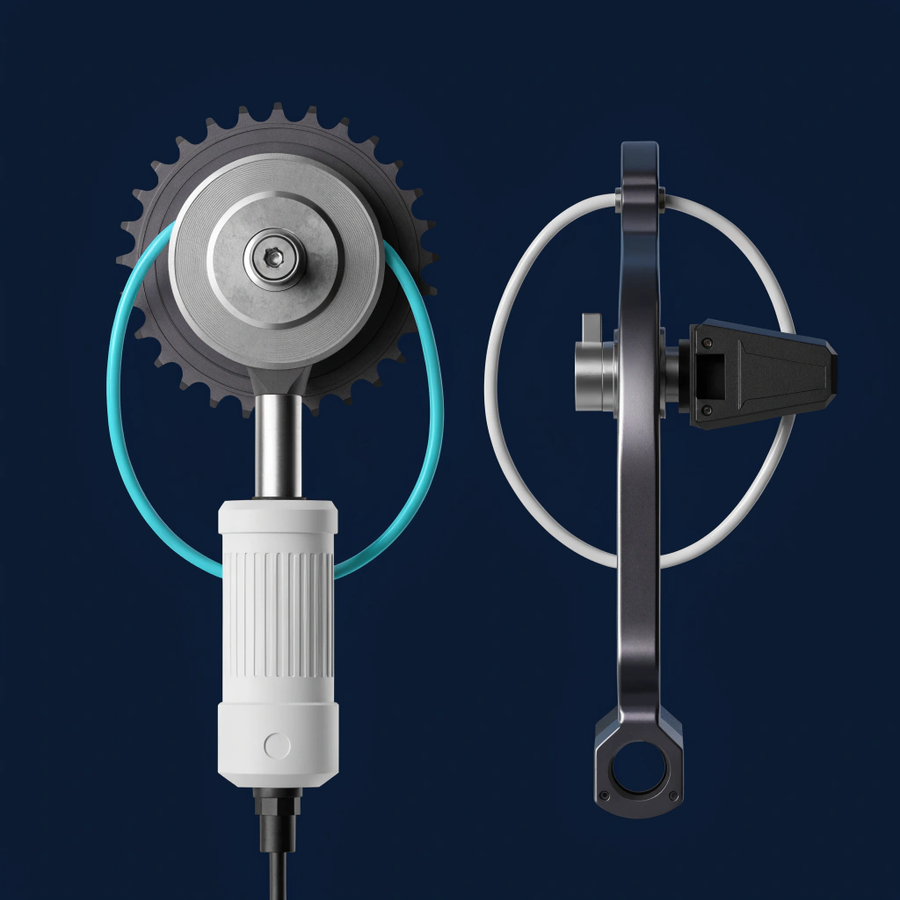
Het Tongsheng TSDZ8 middenmotor systeem maakt gebruik van dubbele koppelsensoren en levert 140 Nm koppel – eigenschappen die het bijzonder aantrekkelijk maken voor fietsers op heuvelachtig terrein die het meest natuurlijke pedaalondersteuningsgevoel willen. Meerdere Kirbebike klantbeoordelingen vermelden specifiek hoe natuurlijk en responsief het middenmotor-gevoel is vergeleken met naafmotor-systemen.
Wat echte Kirbebike-klanten zeggen
Klantbewijs is betrouwbaarder dan beweringen van de fabrikant. In de geverifieerde Kirbebike-recensies komen consistente thema's naar voren:
-
Verwachtingen overtroffen — "Mijn verwachtingen massaal overtroffen" van een fietser die een forenzenfiets ombouwde voor de heuvels van Devon
-
Dagelijks woon-werkverkeer getransformeerd — Een 6 km heuvelachtige rit naar het station veranderd van een inspanning in een gemakkelijke routine
-
Langdurige tevredenheid — Meer dan vier jaar en bijna 14.000 mijl op een 1500W-systeem met dagelijkse ritten van 30 mijl
-
Eenvoudige installatie — Meerdere recensenten zonder eerdere elektrische ervaring die de installatie succesvol hebben voltooid
-
Compatibiliteit — Klanten die kits monteren op Bromptons, racefietsen, MTB's en hybride fietsen in alle wielmaten
Conclusie
De combinatie van aanzienlijke kostenbesparingen, volledige aanpassing van 250W tot 4000W, 20 minuten installatie en bewezen meerjarige betrouwbaarheid van echte klanten maakt de zaak overtuigend. Er zijn beperkingen – incompatibiliteit met carbon frames, esthetiek van de integratie.
en Britse wettelijke vermogenslimieten voor weggebruik – maar geen van deze beïnvloedt de meeste fietsers die een standaardfiets willen elektrificeren. Voor forenzen, recreatieve fietsers, weekendavonturiers en prestatiejagers op privégrond verandert een kwaliteitsombouwset de rijervaring tegen een fractie van de kosten van speciaal gebouwde e-bikes.
Blader door het complete assortiment Kirbebike e-bike ombouwsets en accu's om de set te vinden die past bij jouw fiets, jouw terrein en jouw ambities.
Veelgestelde vragen
Zijn e-bike ombouwsets legaal in het VK?
Ja, met belangrijke voorwaarden. Voor gebruik op openbare wegen moet de kit geconfigureerd zijn als een EAPC (Electrically Assisted Pedal Cycle): maximaal 250W continu motorvermogen, alleen pedaalondersteuning (geen alleen-gashendel) en snelheid beperkt tot 25 km/u (15,5 mph).
Zijn e-bike ombouwsets net zo goed als speciaal gebouwde e-bikes?
Kwaliteitskits van gerenommeerde leveranciers zijn echt goed en presteren op specifieke punten vaak beter dan speciaal gebouwde e-bikes. Ze bieden meer vermogensopties, volledige componentonafhankelijkheid en lagere instapkosten. Echte Kirbebike-klanten rapporteren regelmatig 15.000+ mijl betrouwbaar gebruik.
Zijn e-bike ombouwsets veilig?
Ja, mits correct gemonteerd op een geschikte fiets. Kirbebike-kits zijn CE- en ROHS-gecertificeerd. De donorfiets moet in goede mechanische staat zijn – vooral de remmen, die de extra snelheid en het gewicht met vertrouwen moeten kunnen verwerken.
Hoe lang gaan e-bike ombouwsets mee?
Goed onderhouden kits bereiken regelmatig 15.000-20.000 km+ gebruik. Klantbewijs van Kirbebike bevestigt dit – een 1500W-systeem van een rijder legde bijna 14.000 mijl af in vier jaar met intacte originele accu en motor.
Kan ik zelf een ombouwset monteren zonder mechanische ervaring?
Ja. De meeste Kirbebike-klanten installeren hun kits succesvol zonder voorafgaande elektrische of mechanische ervaring. De standaardinstallatie duurt ongeveer 20 minuten, met behulp van de meegeleverde gereedschappen. Schriftelijke instructies en installatievideogidsen zijn beschikbaar.