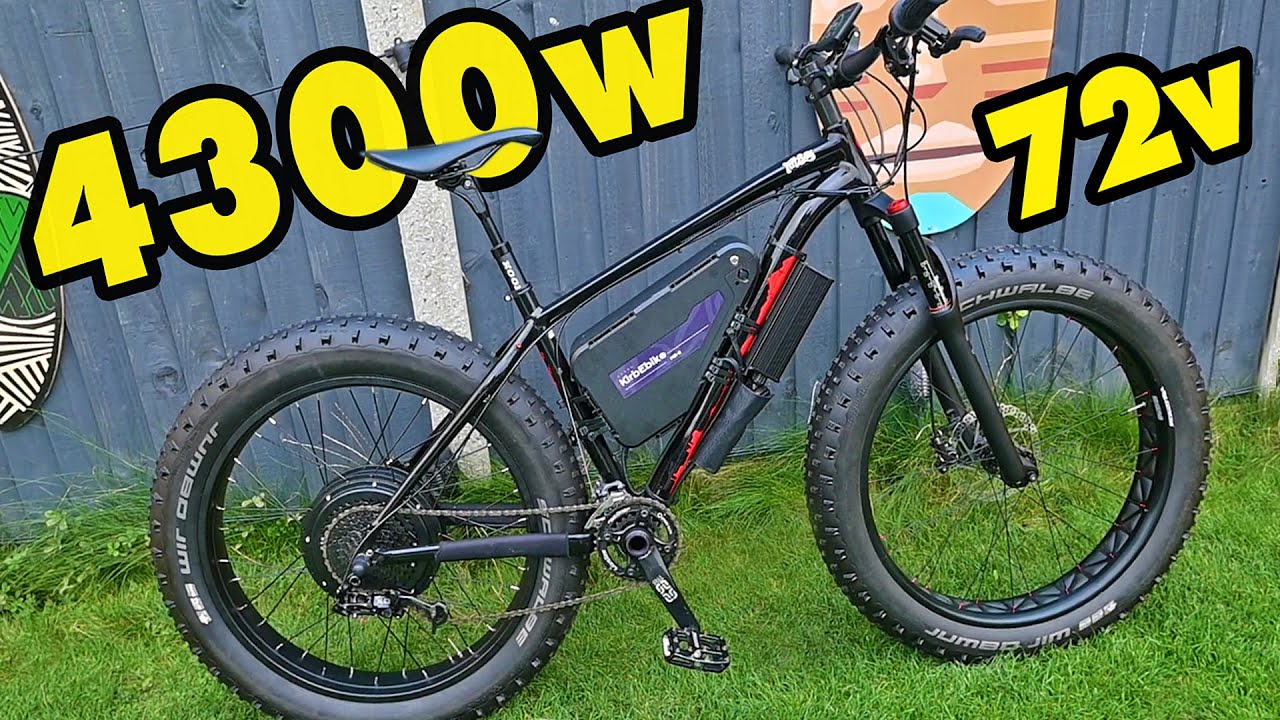
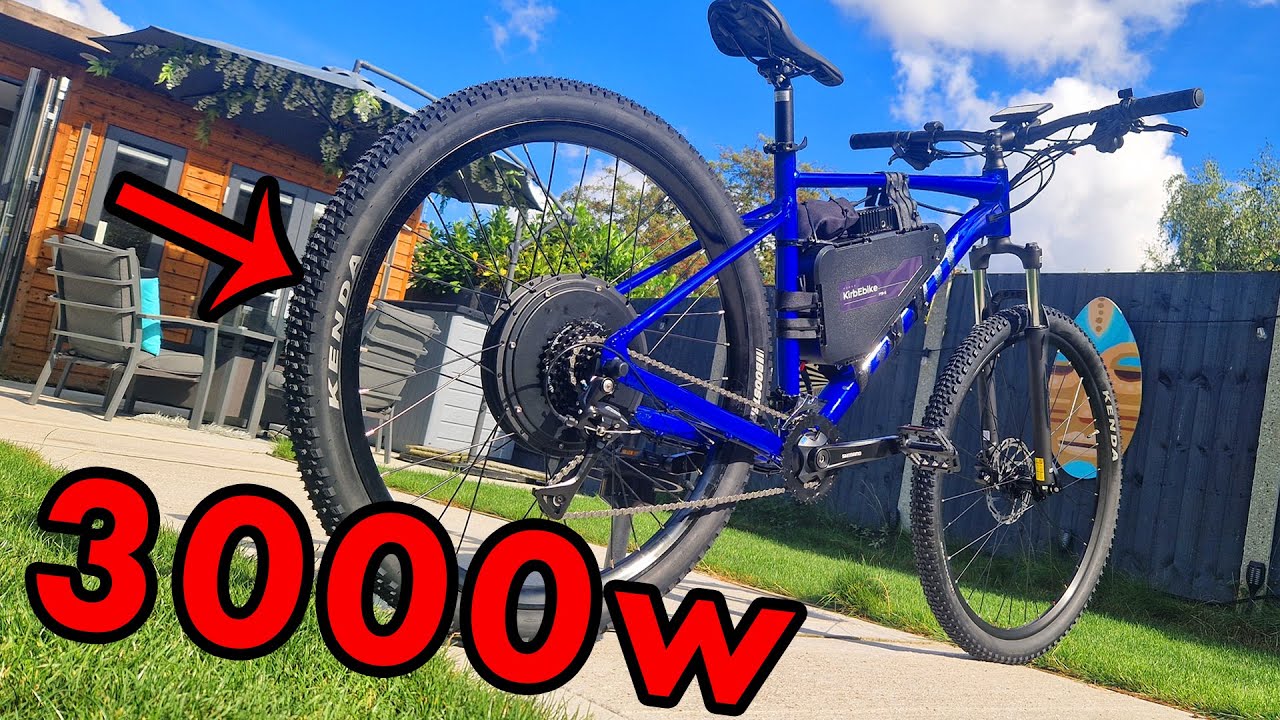
What is included in an electric bike conversion kit with battery?
- Motor wheel, controller, display and wiring harness
- Pedal-assist and brake sensors or cut-offs
- Selected battery, mount and compatible charger
Exact contents vary by variant. A "No Battery" selection is a motor kit, not a complete battery package.
Can any bike be converted to an electric bike?
No. Many conventional bikes can be converted, but axle type, dropout width and material, wheel size, brake clearance, drivetrain standard, battery space and frame condition must all be suitable. Thru-axle frames, carbon forks and unusual rear spacing need special attention.
How do I choose the correct wheel size?
Use this three-step check:
-
Read the tyre: find the wheel size and ETRTO marking on the sidewall.
-
Match the rim: confirm the replacement rim width supports the intended tyre.
-
Check clearance: verify space at the fork, frame, brakes and mudguards with the tyre fitted.
A 29-inch MTB and 700C road wheel can share the 622 mm bead-seat diameter while needing very different rim and frame clearances.
Should I choose a front or rear hub motor?
Choose a front hub for simpler drivetrain compatibility and a rear hub for stronger powered-wheel traction. A front motor must suit the fork and brake; a rear motor must also match dropout spacing, brake interface and the cassette or freewheel standard.
Can a hub motor fit a thru-axle or carbon frame?
Standard hub-motor axles normally need compatible open dropouts. Do not assume a thru-axle frame can accept one, and do not fit a front hub motor to a carbon fork without specialist approval. Assess the axle, frame material and torque-arm placement together.
How do I match the battery, BMS and controller?
- Match the battery's nominal voltage to the controller.
- Make sure the BMS continuous-discharge rating supports controller current.
- Confirm the connector, wiring and low-voltage cut-off.
Physical connector fit alone does not prove electrical compatibility. Compare KirbEbike battery options by voltage, capacity and case size after confirming the controller specification.
How do I estimate battery range and choose capacity?
Start with nominal energy: voltage x amp-hours = watt-hours. Then allow for the factors that change real-world consumption:
-
Route: hills, repeated starts and headwinds
-
Load: rider, bike and cargo weight
-
Setup: speed, assist level, controller current and tyre pressure
-
Conditions: temperature and battery age
A larger pack can extend range but also adds size, weight, charging time and cost. Keep a sensible reserve instead of treating a theoretical estimate as guaranteed range. Correct current limits and suitable charging habits also support battery life.
Can I use a 5A fast charger with any ebike battery?
No. The cells, BMS, charge port and internal wiring must support that charging current. A 5A charger can shorten charging time only for a compatible pack. Use the supplied charger or one approved for the exact battery voltage and model. The Taishan battery page shows compatible packs supplied with a 5A charger.
How do I check battery case fit and removal clearance?
-
Trace the case: reproduce the exact battery outline from its dimension drawing.
-
Place the template: check bottle-boss, cable, suspension and frame clearance at the intended mounting position.
-
Test removal: move the template in the direction the battery slides on and off its rail.
A case can fit inside the frame but still lack room for removal. Use the HS-II battery dimensions and capacity options when testing that case format.
Are KirbEbike conversion kits waterproof?
Compatible systems use water-resistant connectors and selected controllers are resin potted, but waterproof ratings vary by component and product. No conversion should be submerged or pressure washed. Route cables to avoid standing water and keep unused connectors capped. Check the compatible controller and display specifications for the selected system.
Will an ebike conversion affect my bike warranty?
It can. A conversion may void or restrict the original bike's warranty, especially for damage connected to an added motor, battery, wheel or wiring modification. Read the warranty before converting a newer bike and keep the removed parts if you may want to return it to standard form.
How often should torque arms, connectors and mounting hardware be checked?
Inspect the conversion after the first short rides and at regular service intervals:
-
Mechanical: axle movement, loose torque arms and mounting hardware
-
Electrical: damaged insulation, hot or discoloured connectors and water entry
-
Battery mount: rail movement, loose fasteners and connector wear
Recheck sooner after a hard impact, wheel removal or drivetrain work. High-power systems need more frequent inspection because axle and electrical loads are greater.
How much does an electric bike conversion kit cost?
Compare the total installed cost, not only the headline kit price:
-
Core system: motor kit, selected battery and compatible charger
-
Fit parts: torque arms, mounting hardware, tyres and any brake upgrades
-
Labour: wheel work, electrical fitting and local bike-shop charges where needed
Mainstream UK kits often cost roughly £300-£1,000 before labour, shipping or bike-specific upgrades; premium systems can cost more. The 52V 2000W kit shows battery and no-battery configurations as a practical example.
Can I install an ebike conversion kit myself?
A mechanically confident rider can fit many correctly matched hub kits, but basic mechanical knowledge and accurate measurements are essential. The wheel, torque arms, battery pack, brake cut-offs and wiring must all be fitted correctly. Use a qualified technician for damaged dropouts, brake upgrades, specialist wheel work or uncertain electrical connections.
Are high-power conversion kits road legal?
Rules depend on the completed bike and where it will be used:
-
Great Britain: a 500W-4000W motor is not an EAPC simply because an app limits its output.
-
United States: state and local e-bike classes, equipment rules and access restrictions still apply.
Choose high-power systems for lawful private-land or specialist use and verify current local requirements before riding. For a road-focused lower-power option, review the EZ Rider 36V 250W front hub kit.



 best seller