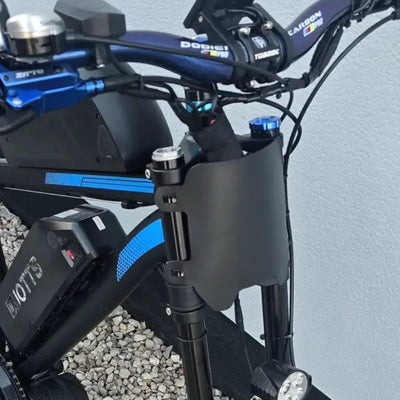
Als je een online marktplaats bezoekt, zie je rijen goedkope elektrische fietsen die van alles beloven voor heel weinig geld. Daarnaast staat een stillere optie: de e-bike ombouwkit, die een fiets die je al bezit omtovert tot iets elektrisch. Op het eerste gezicht lijkt de goedkope fabriekse-bike de gemakkelijkere weg.
Eén keer betalen, uitpakken, rijden. Maar waarde en gemak zijn niet hetzelfde, en voor de meeste Nederlandse fietsers vertellen de echte cijfers een heel ander verhaal. Deze gids zet beide opties eerlijk naast elkaar, zodat je kunt beslissen welke het meest zinvol is voor jouw situatie.
Wat je eigenlijk vergelijkt
![]()

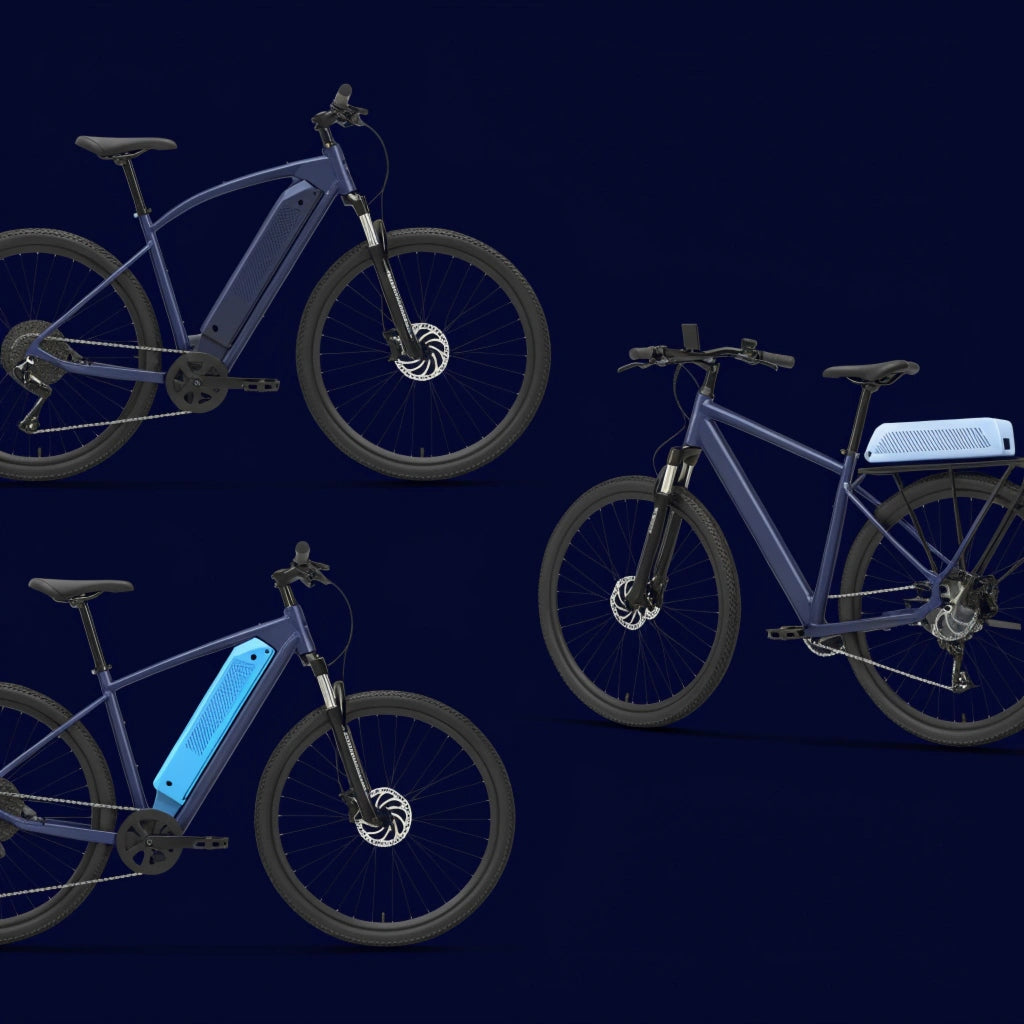
Voordat we in de details duiken, is het handig om te begrijpen wat elke optie fundamenteel is. Een goedkope fabriekse-bike is een complete fiets die is samengesteld met de goedkoopste onderdelen die de fabrikant in staat stellen een bepaalde verkoopprijs te bereiken. Het elektrische systeem (motor, accu, controller) wordt bepaald door kostenbeperkingen, niet door prestatiedoelen. Het frame, de remmen, versnellingen en banden zijn op dezelfde manier geoptimaliseerd om de totale prijs laag te houden.
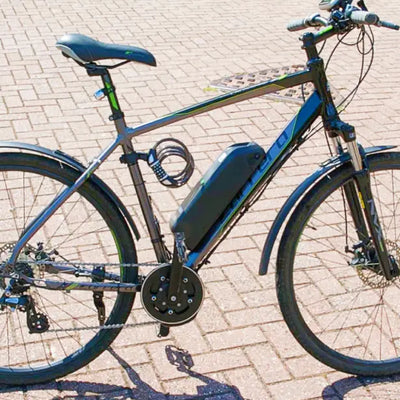
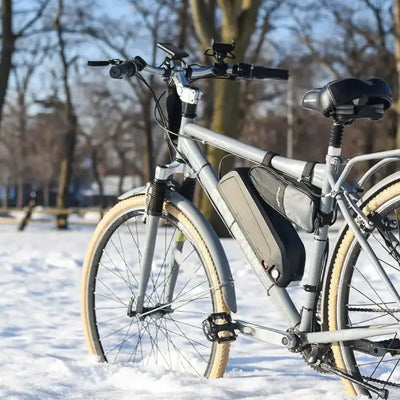
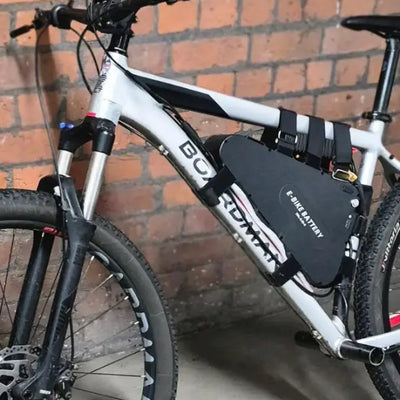
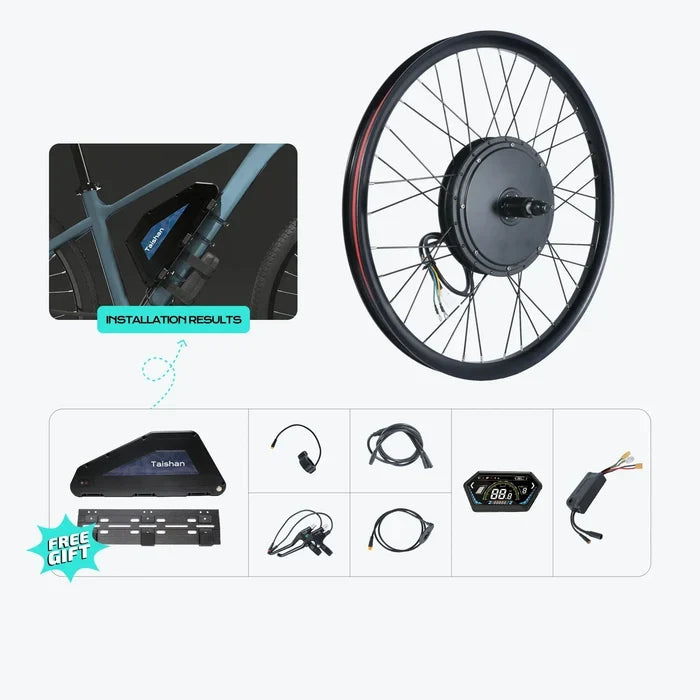
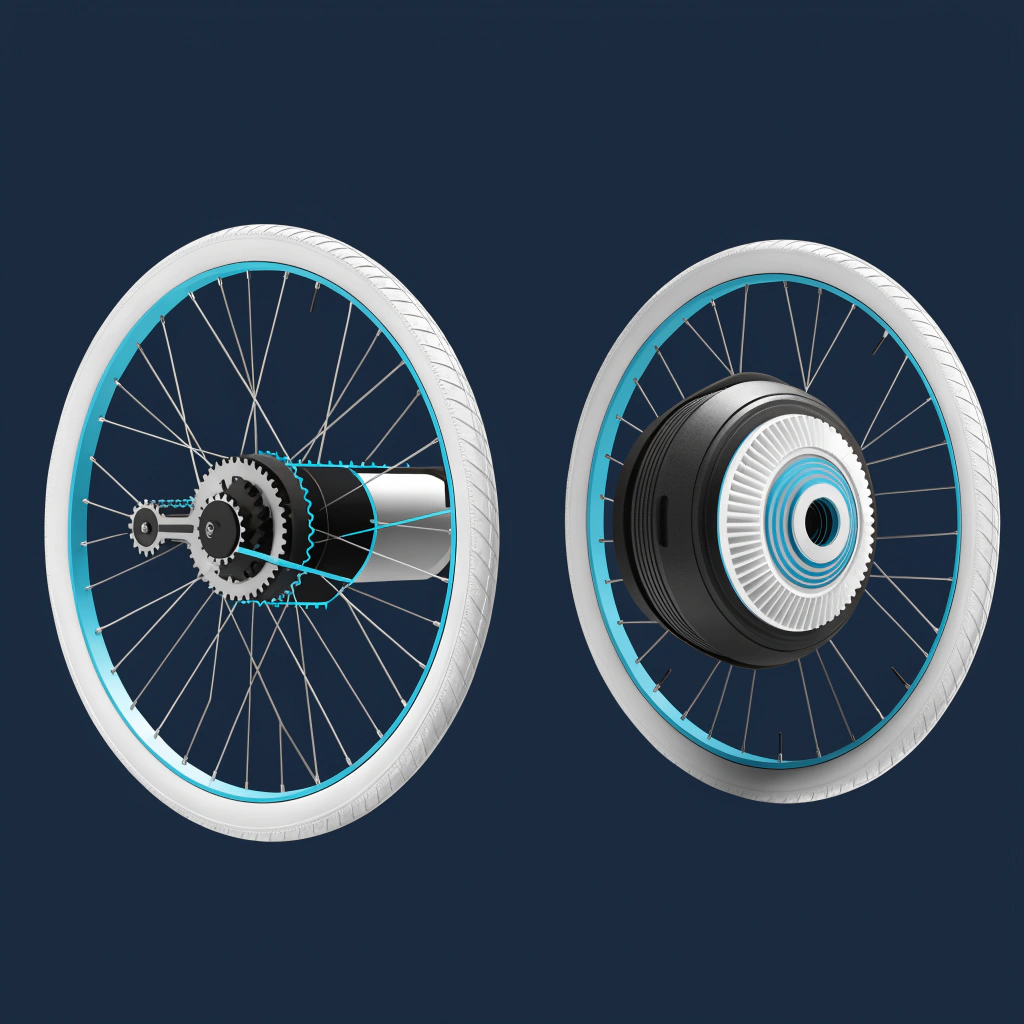
Een ombouwkit is alleen het elektrische systeem – motor, accu, controller, display, sensoren – geïnstalleerd op een fiets die je al bezit. Het budget van de kit gaat volledig naar de elektrische componenten. De mechanische basis (frame, remmen, aandrijving) is van het kwaliteitsniveau dat jouw bestaande fiets vertegenwoordigt.
Dit onderscheid is het belangrijkste inzicht. Voor dezelfde uitgave krijgt een koper van een ombouwkit een toegewijd elektrisch systeem, terwijl een koper van een goedkope e-bike dat geld verdeelt over elektrische componenten en een hele fiets.
Vergelijking van beide opties
|
Factor
|
Goedkope fabriekse-bike
|
Ombouwkit (Kirbebike)
|
|
Kwaliteit accucellen
|
Generiek, vaak onbekende herkomst
|
LG-cellen, geverifieerde chemie
|
|
Accucapaciteit
|
Vaak 7-10Ah vast
|
7Ah–30Ah selecteerbaar
|
|
Motorkwaliteit
|
Basis, geen merkverificatie
|
Borstelloos, CE/ROHS gecertificeerd
|
|
Motorvermogensbereik
|
Meestal alleen 250W
|
250W tot 4000W
|
|
Framekwaliteit
|
Budget, vast
|
Je bestaande kwaliteitsfiets
|
|
Remmen
|
Eenvoudige mechanische, laagste kosten
|
Je bestaande remmen (upgradebaar)
|
|
Versnellingen
|
Budgetgroepset
|
Je bestaande groepset
|
|
Reparatiegemak
|
Eigenaardige onderdelen, moeilijk te verkrijgen
|
Standaardcomponenten, onafhankelijk vervangbaar
|
|
Installatie inspanning
|
Nul
|
~20 minuten
|
|
Fiets pasvorm/comfort
|
Onbekend, nieuwe aanpassing nodig
|
Je vertrouwde, passende fiets
|
|
Diefstalrisico
|
Hoger (complete e-bike is doelwit)
|
Lager (verwijder accu, fiets ziet er standaard uit)
|
|
Kosten op lange termijn
|
Vervang de hele fiets als er problemen zijn
|
Vervang alleen het defecte onderdeel
|
|
Nederlands wettelijk
|
Typisch ja (250W/25km/u)
|
Ja (250W kit), hoger vermogen voor off-road
|
Het accup-probleem bij goedkope e-bikes
![]()

De accukwaliteit is waar de waardepropositie van de goedkope fabriekse-bike het duidelijkst wegvalt, en het is de moeite waard om dit in detail te bekijken, omdat de meeste kopers hier niet zorgvuldig genoeg naar kijken voordat ze kopen.
Goedkope e-bikes bereiken hun prijspunten deels door cellen van ongeverifieerde herkomst te gebruiken met een onbekende BMS-kwaliteit. De zichtbare specificatie – "36V 10Ah" – zegt niets over de feitelijke celchemie, degradatiesnelheid of veiligheidsbeheer. Batterijen van anonieme celfabrikanten degraderen sneller, leveren inconsistente capaciteit en vormen in het ergste geval veiligheidsrisico's.
Wat dit in de praktijk betekent:
- De geadverteerde capaciteit kan binnen het eerste gebruiksseizoen al aanzienlijk lager zijn.
- De levensduur van de accu van goedkope e-bikes is vaak slechts 18-24 maanden voordat er aanzienlijk bereikverlies optreedt.
- Vervangende accu's zijn vaak merkgebonden, moeilijk verkrijgbaar en duur in verhouding tot de capaciteit.
- BMS-storingen bij accu's van slechte kwaliteit leiden tot oplaadproblemen die moeilijk te diagnosticeren en te repareren zijn.
Kirbebike-accu's maken gebruik van LG-cellen – dezelfde celfabrikant die wordt gebruikt in hoogwaardige consumentenelektronica – met een intelligent BMS dat real-time bewaking en bescherming biedt. De 48V 16Ah-accu die in de middenmotor kit zit, is beoordeeld voor meer dan 1.000 laadcycli met een levensduur van meerdere jaren. Een Kirbebike-klant heeft hun systeem bijna 20.000 km over twee jaar gebruikt op de originele accu zonder problemen. Zo'n lange levensduur bereik je niet met generieke cellen.
Het verschil in rijervaring
![]()

Naast specificaties en kosten, verschilt de feitelijke rijervaring van elke optie aanzienlijk.
Op een goedkope fabriekse-bike:
- De pasvorm is zoals de geometrie van de fabrikant die biedt – mogelijk niet geschikt voor jouw lichaam.
- De gewichtsverdeling is vast – de plaatsing van de batterij was een ontwerpbeslissing die werd genomen omwille van het productiegemak.
- Het assistentiegevoel weerspiegelt een basis cadanssensor en een budgetcontroller – vaak schokkerig, niet vloeiend.
- De fiets voelt aan als een product dat gebouwd is om een prijsklasse te halen.
Op een omgebouwde fiets die je al bezit:
- De geometrie is bekend en afgestemd op bestaand gebruik.
-
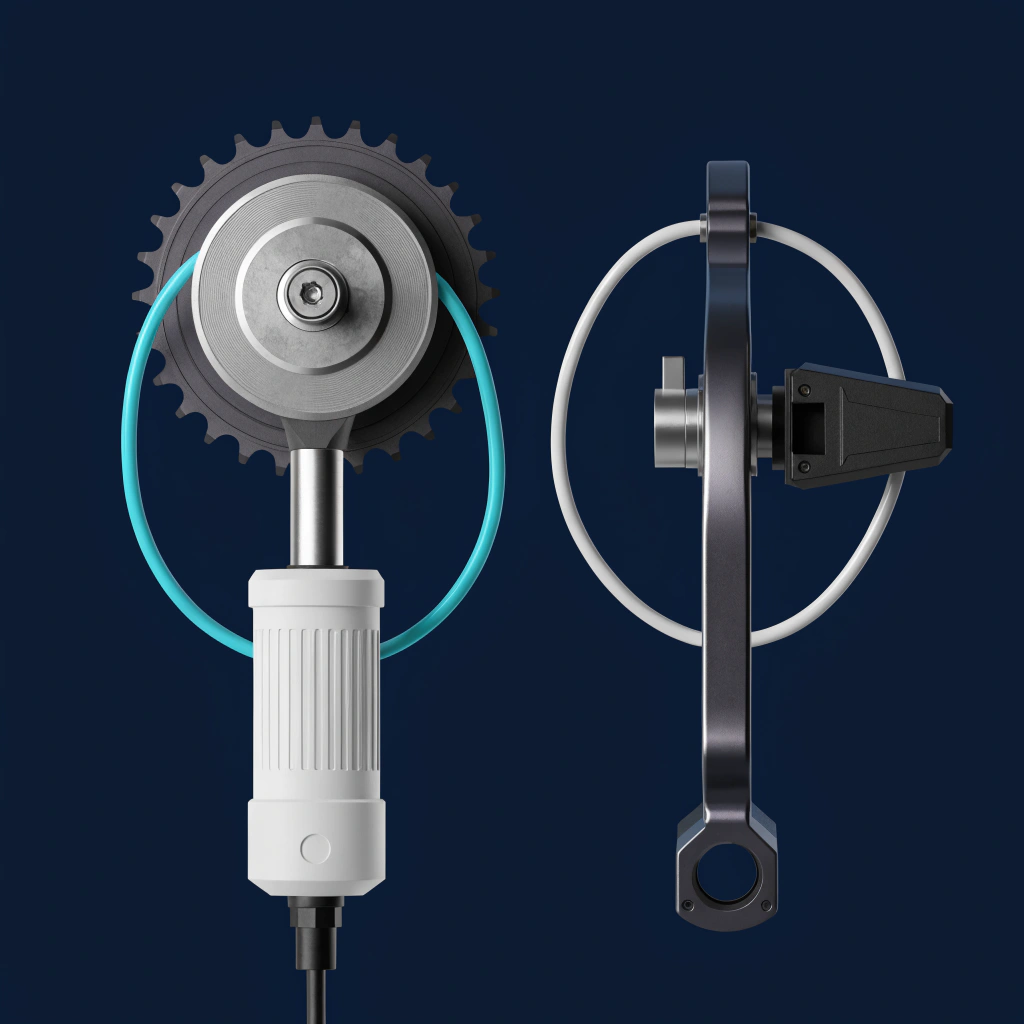
De Tongsheng TSDZ8 middenmotor kit van Kirbebike gebruikt dubbele torsiesensoren die reageren op hoe hard je trapt, niet alleen of je trapt – het rijgevoel is echt natuurlijk.
- FOC-controllers in naafmotor kits zorgen voor een vloeiende vermogensafgifte in plaats van een stapsgewijze cadansreactie.
- De fiets voelt aan als jouw fiets, met doordachte elektrische ondersteuning.
Klantengetuigenissen bevestigen dit consequent. Fietsers die een woon-werkfiets hebben omgebouwd, beschrijven een transformatie van hun dagelijkse routine – heuvels die 25 minuten duurden, duren nu 11 minuten, heuvelachtige ritten van 23 km worden voltooid met assistentieniveau één en 80% batterij over. Dit zijn fietsers op fietsen die ze kennen en vertrouwen, die dramatisch capabeler zijn gemaakt.
Wanneer wint de goedkope fabriekse-bike dan wel?
Een eerlijke vergelijking erkent de scenario's waarin een fabriekse-bike echt de juiste keuze is.
U bezit geen geschikte fiets: Als u helemaal opnieuw begint zonder bestaande fiets, heeft u zowel de fiets als het elektrische systeem nodig. Een bescheiden fiets kopen en een ombouwkit toevoegen, kan in de buurt komen van de kosten van een complete e-bike, en op dat moment heeft het gemak van een kant-en-klare optie meer aantrekkingskracht.
U zult echt geen 20 minuten installeren: De ombouwkit vereist het aansluiten van motor, accu, display en sensoren. De instructies zijn duidelijk en de meeste fietsers voltooien dit zonder moeite – maar als het idee van enige montage angst oproept, heeft een kant-en-klare optie legitieme aantrekkingskracht.
U wilt een zeer goedkope instap met minimale binding: Als u de goedkoopst mogelijke manier wilt om elektrisch te fietsen zonder verwachtingen van levensduur, dan vereist een budget fabriekse-bike geen besluitvorming. De afweging in kwaliteit is reëel, maar de verminderde commitment ook.
Voor de meeste andere toepassingen wint de ombouwkit op elke belangrijke metric.
Vermogensbereik: waar de kloof onoverbrugbaar wordt
Een gebied waar goedkope fabriekse-bikes tegen elke prijs niet kunnen concurreren, is het vermogensbereik. Nederlandse e-bikes die legaal op de weg zijn, zijn beperkt tot 250W, ongeacht de kosten. Een goedkope e-bike geeft je 250W in een instappakket. Een kwaliteitsombouwkit geeft je ook 250W legaal op de weg – maar geeft je ook toegang tot 500W, 750W, 1000W, 2000W, 3000W en 4000W opties voor off-road, privéland en high-performance toepassingen.
Het assortiment van Kirbebike omvat 250W voorwielkits die legaal op de weg zijn tot 72V 4000W extreme prestatiesystemen die 90+ km/u kunnen halen voor MTB- en fatbike-toepassingen. Geen enkele fabriekse-bike aan de budgetkant benadert dit. Fietsers die beginnen met een weglegale 250W kit en later meer prestaties willen, kunnen het elektrische systeem upgraden terwijl ze dezelfde fiets behouden – een flexibiliteit die niet bestaat in de wereld van de fabriekse-bike.
Het voordeel op het gebied van diefstal en veiligheid
Deze praktische overweging wordt vaak niet besproken, maar is wel van groot belang voor Nederlandse forenzen in de stad. Een complete e-bike – zelfs een goedkope – is een complete e-bike die buiten wordt vergrendeld. Hij is herkenbaar elektrisch, heeft een accu bevestigd en wordt gezien als een doelwit dat de moeite waard is om te stelen voor een snelle wederverkoop.
Een omgebouwde fiets waarvan de accu is verwijderd, ziet eruit als een standaardfiets. Het motorwiel is aanwezig, maar op afstand niet duidelijk herkenbaar als e-bike-hardware. Verwijder de accu bij het vergrendelen en de diefstalwaarde daalt aanzienlijk. Verschillende Kirbebike-klanten vermelden specifiek dat ze hun compacte accu eraf halen en meenemen terwijl de fiets vergrendeld blijft – een veiligheidspraktijk die simpelweg niet beschikbaar is op geïntegreerde fabriekse-bikes.
Samenvattend oordeel
Het oordeel hangt af van je uitgangspunt, maar de logica is consistent. Als je een degelijke fiets bezit, biedt een ombouwkit in alle belangrijke opzichten meer waarde: motorkwaliteit, levensduur van de accu, rijervaring, repareerbaarheid op lange termijn en totale eigendomskosten over meerdere jaren. De barrière van 20 minuten installatie is echt laag; meerdere Kirbebike-klanten zonder eerdere ervaring hebben het succesvol voltooid met de meegeleverde gereedschappen en videogidsen.
Als je zonder fiets begint en absolute eenvoud met minimale binding wilt, heeft een budget fabriekse-bike zijn plaats – maar begin die aankoop met realistische verwachtingen over levensduur en repareerbaarheid.
Voor alle anderen verslaat de ombouwroute op een kwaliteitsvolle donorfiets, met behulp van een betrouwbare direct-to-consumer kit met geverifieerde componenten, de goedkope fabriekse-bike op de metrics die de echte waarde bepalen: hoe goed deze presteert, hoe lang deze meegaat en hoeveel het kost om deze draaiende te houden. Bekijk het volledige Kirbebike e-bike kit assortiment met accu's om de combinatie te vinden die van je bestaande fiets een systeem maakt dat elke goedkope fabriekse-bike overtreft.
Veelgestelde vragen
Is een ombouwkit beter dan een goedkope elektrische fiets voor woon-werkverkeer in Nederland?
Voor de meeste forenzen die al een fiets bezitten, ja. Een ombouwkit investeert het volledige budget in het elektrische systeem – kwaliteitsmotor en LG-celaccu – terwijl de mechanische basis afkomstig is van je bestaande fiets.
Kan ik een goedkope elektrische fiets ombouwen als de accu defect is?
Over het algemeen niet praktisch. Goedkope fabriek e-bikes maken gebruik van eigen accusystemen met niet-standaard connectoren, wat vervanging moeilijk en duur maakt. Dit is een van de belangrijkste nadelen op lange termijn van budget fabriek e-bikes.
Zijn ombouwsets moeilijker te onderhouden dan fabriek e-bikes?
Nee, in de meeste gevallen gemakkelijker. Onderdelen van fabriek e-bikes zijn vaak gepatenteerd met beperkte beschikbaarheid van onderdelen. Onderdelen van ombouwsets zijn standaard en onafhankelijk vervangbaar. Een defecte controller, display of batterij is eenvoudig te vervangen.
Wat als ik geen goede donorfiets heb voor ombouw?
Het sterkste argument voor een fabriek e-bike is precies dit scenario. Als je sowieso een fiets moet kopen, kunnen de gecombineerde kosten van een donorfiets plus ombouwset in de buurt komen van een complete budget e-bike.
Hebben ombouwsets dezelfde actieradius als goedkope fabriek e-bikes?
De actieradius hangt voornamelijk af van de accucapaciteit en de rijomstandigheden, niet van het feit of het systeem in de fabriek is gebouwd of is omgebouwd. Kirbebike biedt accu-opties van 7Ah tot 30Ah – een 52V 30Ah accu levert een bereik van 50-100 km dat geen enkele budget fabriek e-bike benadert.
Is het installeren van een ombouwset echt zo eenvoudig als beweerd?
Geverifieerde klantrecensies bevestigen consequent een installatie van 20 minuten door rijders zonder eerdere ervaring. De kit bevat alle benodigde gereedschappen, duidelijke papieren instructies en toegang tot videogidsen.
: invalid url input)
usmile
Liquid error (snippets/blog-best-product line 36): product form must be given a product
Liquid error (snippets/blog-best-product line 59): product form must be given a product