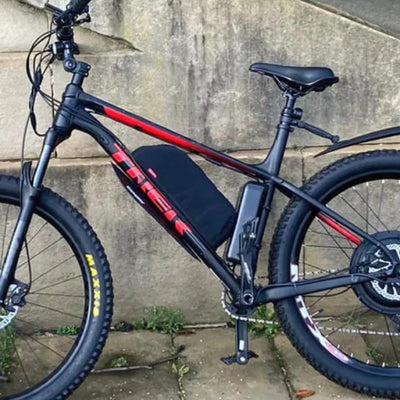
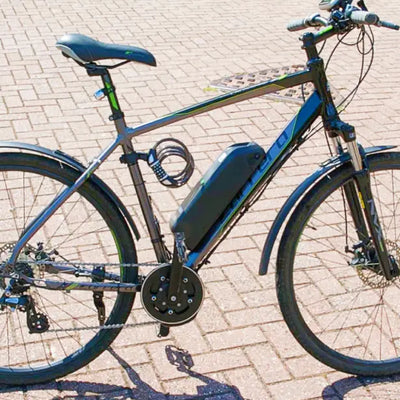
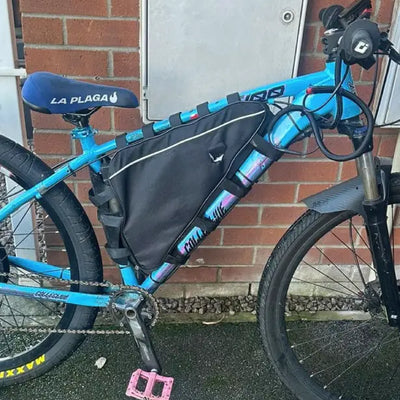
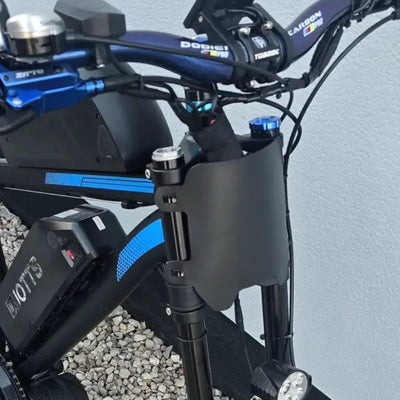
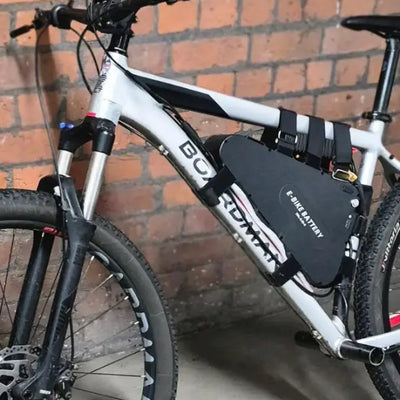
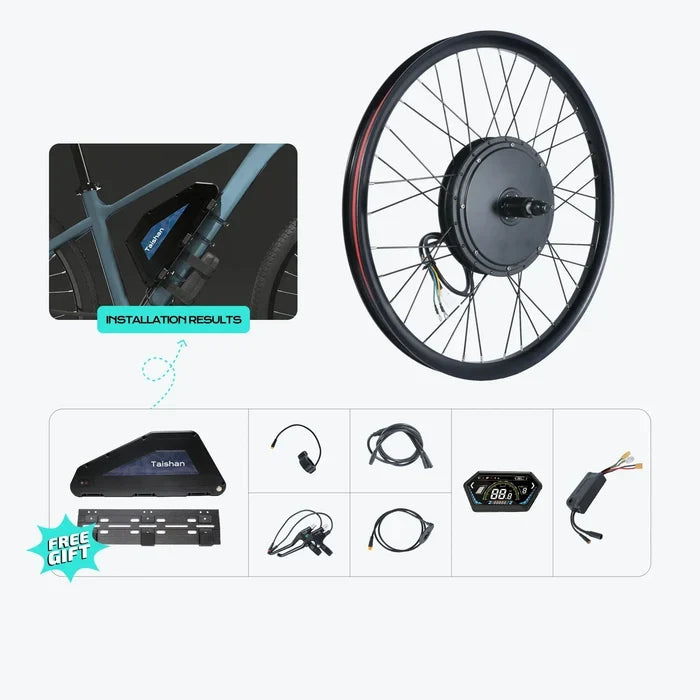
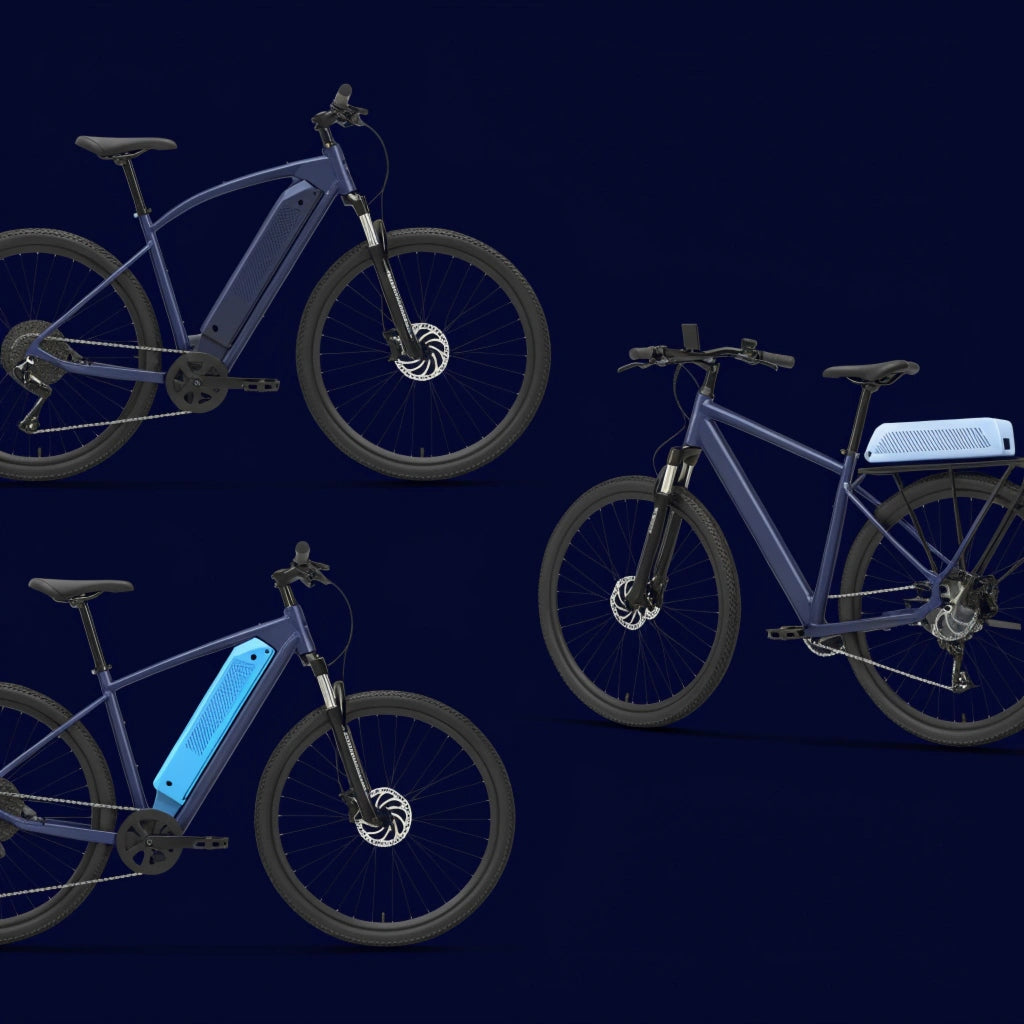
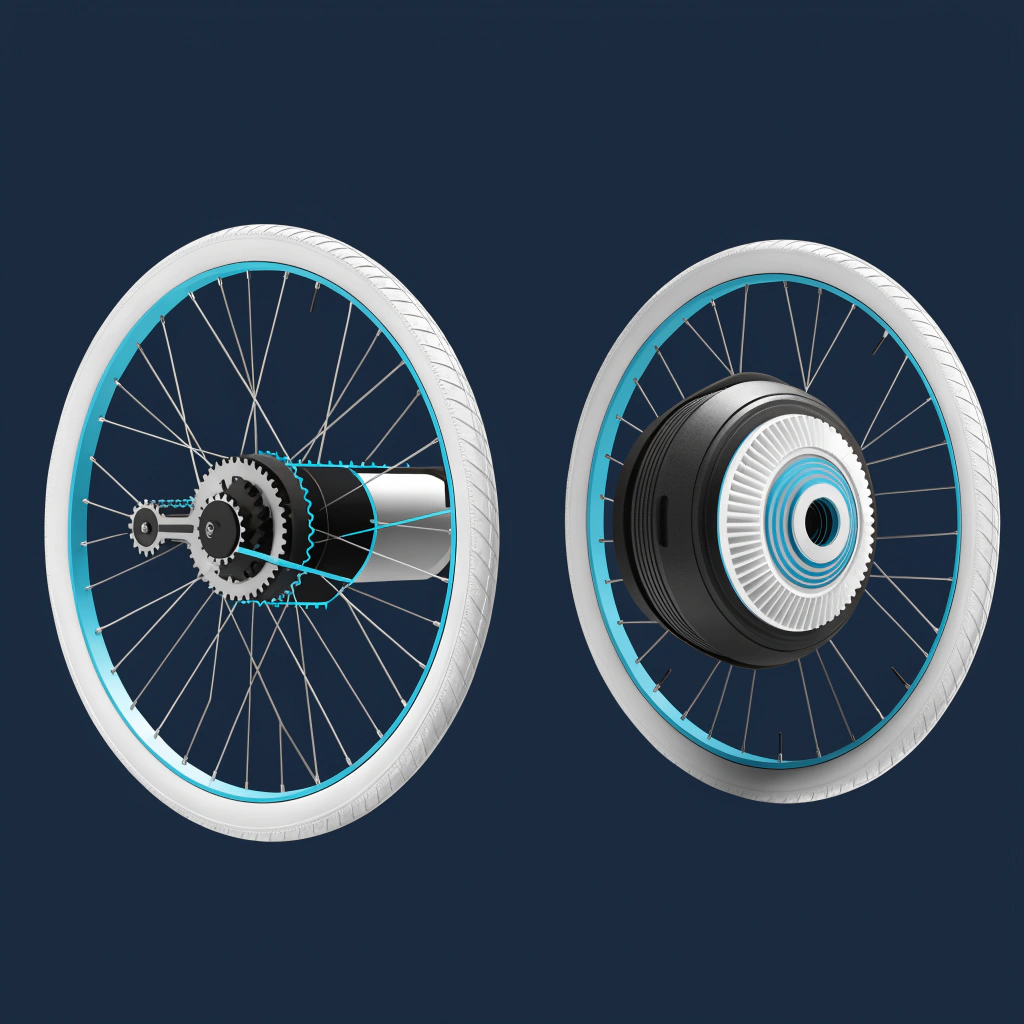
Your e-bike battery is the heart of your electric cycling experience, and knowing when to replace it can save you from unexpected breakdowns and deteriorating performance. Whether you've installed an e-bike conversion kit or purchased a complete electric bicycle, understanding battery lifespan, recognizing replacement signs, and following proper replacement procedures ensures continued enjoyment of electric-assisted cycling.
This comprehensive guide covers everything you need to know about e-bike battery replacement timing, safety protocols, and best practices.
Understanding E-Bike Battery Lifespan
How Long Do E-Bike Batteries Actually Last?
Lithium-ion batteries—the standard for modern e-bikes—don't last forever. Their lifespan depends on multiple interconnected factors:
Charge cycle count: Most quality e-bike batteries endure 500-1,000 full charge cycles before capacity drops to approximately 60-70% of original performance. A "charge cycle" means depleting the battery from 100% to 0% and recharging fully—though partial charging counts proportionally (two 50% charges equal one full cycle).
Calendar aging: Even unused batteries degrade over time. Chemical reactions within lithium cells continue regardless of usage, typically reducing capacity by 2-5% annually. Most batteries maintain acceptable performance for 3-7 years depending on storage conditions and initial quality.
Expected Lifespan by Battery Quality
|
Battery Type
|
Typical Lifespan
|
Charge Cycles
|
Cell Quality
|
|
Budget batteries
|
2-3 years
|
300-500 cycles
|
Generic cells
|
|
Mid-range batteries
|
3-5 years
|
500-800 cycles
|
Samsung/LG cells
|
|
Premium batteries
|
5-7+ years
|
800-1,000+ cycles
|
Premium branded cells
|
|
High-capacity systems
|
4-6 years
|
600-900 cycles
|
Varies by brand
|
The batteries included with quality conversion kits from Kirbebike typically fall into the mid-range to premium category, using LG cells designed for longevity and consistent performance.
Critical Signs Your Battery Needs Replacement
![]()

Performance-Based Indicators
Dramatic range reduction: If your battery originally provided 60km range but now struggles to reach 35-40km under identical conditions (same route, weather, rider weight, assist level), capacity has declined significantly. Range reductions exceeding 30-40% indicate replacement time approaches.
Sudden power cutoffs: Batteries approaching end-of-life often exhibit voltage sag under load, causing unexpected shutdowns even when the display shows remaining charge. If your motor cuts out unexpectedly on hills or during acceleration despite indicated battery capacity, internal resistance has likely increased beyond acceptable levels.
Inconsistent assist levels: Modern e-bikes maintain consistent power delivery across the battery's charge range. If you notice power fluctuations—strong assistance initially but rapidly weakening before the battery shows empty—cell imbalance or BMS (Battery Management System) degradation may be occurring.
Extended charging times: A battery that previously charged in 4-5 hours but now requires 8-10+ hours has likely developed internal resistance issues. While some increased charging time is normal as batteries age, dramatic increases signal impending failure.
Proper Disposal of Old Batteries
Environmental and Legal Requirements
E-bike batteries contain heavy metals and toxic chemicals requiring proper disposal. Improper disposal harms the environment and may be illegal in your jurisdiction.
UK disposal regulations:
- Batteries cannot be disposed of with regular household waste
- Retailers selling batteries must accept old batteries for recycling
- Local recycling centers have dedicated battery collection points
- Some manufacturers offer take-back programs
Where to Recycle E-Bike Batteries
Retail recycling programs:
- Most bicycle shops accept old e-bike batteries
- Electrical retailers often have battery recycling bins
- E-bike conversion kit sellers may offer mail-back programs
Local authority facilities:
- Household waste recycling centers (HWRCs) accept batteries
- Mobile hazardous waste collection events
- Some councils offer curbside collection for batteries
Specialist recyclers:
- Companies specializing in lithium battery recycling
- Often provide shipping containers for safe transport
- May offer payment for batteries containing recoverable materials
Preparing Batteries for Disposal
- Discharge battery to below 30% capacity
- Cover terminals with insulating tape to prevent shorts
- Place in original packaging or wrap in non-conductive material
- Never dispose of damaged/swollen batteries through regular channels—contact hazardous waste services
Battery Refurbishment vs. Replacement
![]()

Understanding Re-Celling Services
Some companies offer battery "re-celling"—replacing internal cells while retaining original casing and BMS. This option costs 40-60% of new battery prices but comes with considerations:
Advantages of re-celling:
- Lower cost than complete replacement
- Environmental benefits (reduces electronic waste)
- Retains original battery form factor and mounting
- Can upgrade to higher capacity cells
Disadvantages and risks:
- BMS may be aged even with new cells
- Warranty typically shorter than new batteries
- Quality depends heavily on service provider expertise
- Not all battery designs suitable for re-celling
When re-celling makes sense:
- Battery discontinued/unavailable new
- Custom or unusual battery configuration
- High-quality original BMS worth preserving
- Budget constraints significant
When to choose new battery:
- Original battery under 3 years old (often warranty covered)
- Physical damage to casing or mounting points
- BMS-related issues causing problems
- Manufacturer offers affordable replacement options
Troubleshooting New Battery Issues
Common Post-Installation Problems
Battery not recognized by system:
- Verify connector fully seated
- Check for bent connector pins
- Confirm battery voltage matches controller requirements
- Some systems require "pairing" process—consult documentation
Reduced performance with new battery:
- Controller may need recalibration for new battery
- Display settings might need voltage adjustment
- Break-in period (first 5-10 charge cycles) sometimes required
- Verify you're comparing like-for-like (same conditions as old battery)
Charging issues:
- Confirm charger voltage matches new battery
- Check charger output with multimeter
- Verify battery BMS isn't in protection mode (often requires specific reset procedure)
- Ensure charging port contacts clean and undamaged
Physical fit problems:
Upgrading Battery Capacity During Replacement
Considerations for Higher-Capacity Batteries
Replacement time offers opportunities to upgrade capacity for extended range:
Compatibility requirements:
- Voltage must match exactly (36V, 48V, 52V, etc.)
- Controller must handle increased amp-hour capacity
- Physical space must accommodate larger battery
- Mounting system must support additional weight
Performance impacts:
- Higher capacity (Ah) increases range proportionally
- Same voltage means no speed increase
- Heavier battery affects bike handling slightly
- Charging times increase proportionally with capacity
Voltage vs. Capacity Upgrades
|
Upgrade Type
|
Range Impact
|
Speed Impact
|
Compatibility
|
|
Higher Ah (same voltage)
|
+30-50% range
|
No change
|
Usually compatible
|
|
Higher voltage (same Ah)
|
Variable (often less)
|
+20-40% speed
|
Requires new controller/motor
|
|
Both higher voltage & Ah
|
+20-40% range
|
+20-40% speed
|
Complete system replacement
|
For most riders replacing batteries on existing conversion kits, increasing Ah capacity while maintaining voltage provides the best balance of improved range without requiring additional component changes.
Warranty and Support Considerations
Understanding Battery Warranties
Most quality e-bike batteries include warranties covering:
Typical warranty coverage:
- Manufacturing defects (1-2 years standard)
- Capacity retention guarantees (often 70-80% at 2 years)
- BMS failures
- Physical defects in casing or connectors
What warranties don't cover:
- Normal capacity loss from aging
- Damage from improper charging
- Physical damage (drops, crashes, water damage from submersion)
- Use of third-party chargers
- Modifications or attempted repairs
When to Contact Support
Before purchasing replacement batteries:
Warranty period: If battery is within warranty period and showing problems, contact the original seller or manufacturer before buying replacement. Many issues are covered, potentially saving significant expense.
Technical questions:
- Uncertain about compatibility
- Experiencing unusual behavior
- Need clarification on specifications
- Considering capacity upgrades
Installation difficulties: Professional installation services available if DIY installation seems daunting. Many bike shops familiar with e-bike systems can perform battery replacements safely.
Conclusion
Recognizing when to replace your e-bike battery and executing the replacement safely ensures uninterrupted enjoyment of electric-assisted cycling. Most riders need battery replacement after 3-5 years or 500-800 charge cycles, with clear warning signs like dramatic range reduction, sudden power losses, or physical damage indicating replacement time has arrived.
By following proper safety protocols—working in ventilated areas, using appropriate tools, and handling batteries with respect for their stored energy—you can safely install replacement batteries yourself.
Remember to dispose of old batteries responsibly through recycling programs, and maximize your new battery's lifespan through proper charging habits and storage practices. Whether you're maintaining a complete conversion kit system or individual components, quality replacement batteries from reputable manufacturers provide years of reliable service.
With proper care and timely replacement, your e-bike will continue delivering the performance and range you depend on for commuting, recreation, and adventure.
Frequently Asked Questions
When should I replace my e-bike battery?
Replace your battery when capacity drops to 60-70% of original (typically after 500-1,000 charge cycles or 3-7 years), you experience dramatic range reduction exceeding 30-40%, encounter sudden power cutoffs under load, or notice physical damage like swelling or cracks in the casing.
Can you replace an e-bike battery yourself?
Yes, most e-bike batteries can be replaced by owners following basic safety protocols. The process involves powering down the system, disconnecting the electrical connector, releasing mounting hardware, and reversing steps for installation. Professional help is advisable if you're uncomfortable with electrical systems.
How do I know what replacement battery to buy?
Match the voltage exactly (36V, 48V, 52V, etc.), verify connector type compatibility, confirm physical dimensions fit your mounting location, and ensure amp-hour (Ah) capacity meets your range needs. Consult your original kit documentation or contact the manufacturer for specific compatibility information.
What happens if I use the wrong voltage battery?
Using incorrect voltage damages your controller and potentially the motor. Lower voltage causes poor performance and potential controller errors. Higher voltage can immediately destroy the controller through overvoltage, creating fire risks and complete system failure. Always match voltage exactly.
How long does a 48V e-bike battery typically last?
Quality 48V batteries last 3-5 years with proper care, providing 500-800 full charge cycles before capacity drops to 70-80% of original. Premium batteries with Samsung or LG cells may exceed 800-1,000 cycles. Actual lifespan varies significantly based on charging habits, storage conditions, and usage patterns.
Is it worth getting my e-bike battery re-celled instead of buying new?
Re-celling costs 40-60% of new battery prices but may be worthwhile for discontinued batteries, unusual configurations, or when the original BMS remains functional. However, new batteries offer full warranties, guaranteed performance, and known cell quality. Choose new batteries unless specific circumstances favor re-celling.
Can I upgrade to a higher capacity battery when replacing?
Yes, upgrading amp-hour (Ah) capacity while maintaining the same voltage is usually straightforward and increases range proportionally. Ensure physical space accommodates the larger battery, mounting system supports additional weight, and your controller handles the increased capacity. Higher capacity batteries require longer charging times.
: invalid url input)
usmile
Liquid error (snippets/blog-best-product line 36): product form must be given a product
Liquid error (snippets/blog-best-product line 59): product form must be given a product