Setting appropriate speed limits on your e-bike controller represents more than just legal compliance—it's about optimizing safety, extending component lifespan, and ensuring your converted bicycle operates within manageable parameters.
Whether you're running a 250W system for urban commuting or a high-power 3000W+ setup for extreme performance, understanding controller speed limit configuration protects both rider and equipment.Modern e-bike controllers offer sophisticated speed management through multiple methods: display programming, physical speed limit wires, and controller firmware settings.
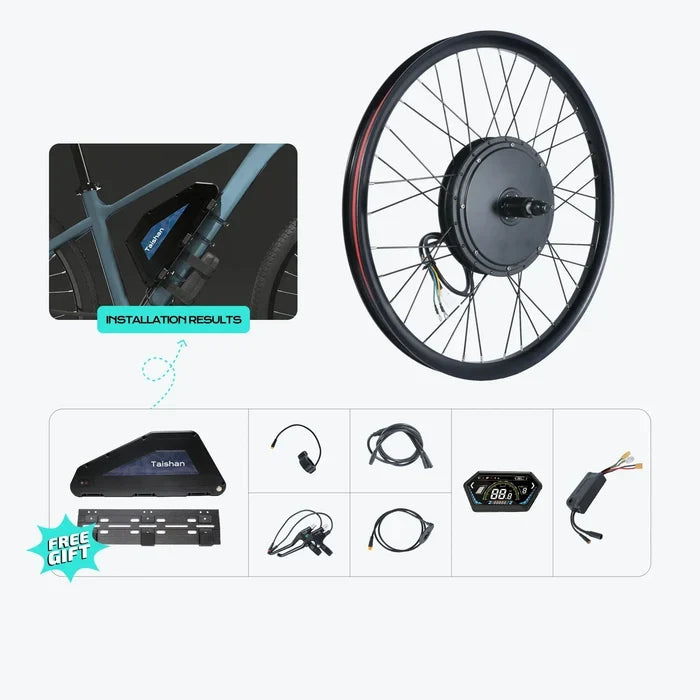
Each approach serves distinct purposes, from temporary speed restrictions to permanent safety configurations. KirbEbike conversion kits include intelligent FOC controllers that provide flexible speed limit options across their entire product range, from the road-legal EZ Rider to extreme performance systems.
Understanding E-Bike Controller Speed Management
![]()

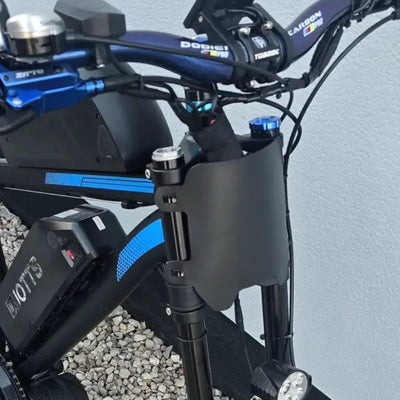
E-bike controllers function as the central processing unit of your electric bicycle, managing power delivery from battery to motor while monitoring numerous safety parameters. Speed limiting occurs at the controller level through several interconnected systems working simultaneously.
Primary Speed Control Methods:
- Display-based speed limit programming
- Physical speed limit wire connections
- Controller parameter configuration
- Throttle voltage restriction
- Phase current limitation
The sophistication of these systems varies dramatically between basic and advanced controllers. KirbEbike's intelligent FOC (Field-Oriented Control) controllers provide precise speed management while maximizing efficiency and motor protection across all power levels.
The Speed Limit Wire: Your Physical Safety Override
![]()

Most quality e-bike controllers include a dedicated speed limit wire—typically a thin wire extending from the controller harness, often colored differently from power wires. This wire serves as a hardware-level speed restriction mechanism that operates independently of display settings.
How the Speed Limit Wire Functions
When the speed limit wire connects to the controller's ground (negative) terminal, it activates a predetermined speed restriction programmed into the controller firmware. This physical connection cannot be overridden through display settings, providing a fail-safe speed limitation method.
Common Speed Limit Wire Applications:
- Regional legal compliance (restricting to 15.5 mph or 25 km/h)
- Youth rider safety restrictions
- Shared bike scenarios requiring different speed tiers
- Battery conservation during long-distance rides
- Motor protection during break-in periods
The speed limit wire on KirbEbike controllers typically reduces maximum speed by 40-50% when activated, making a 30 mph capable system operate at approximately 15-18 mph—perfect for jurisdictions with strict e-bike classifications.
Locating Your Speed Limit Wire
Speed limit wires vary in appearance across different controller manufacturers, but several characteristics help identification:
-
Thinner gauge than power wires (typically 22-24 AWG versus 14-16 AWG for motor phases)
-
Single wire rather than paired (unlike brake or throttle connections)
- Often labeled "Speed Limit" or marked with specific color coding
- May include a small connector or bare terminal end
If uncertain about wire identification, consult your controller documentation or contact KirbEbike support at support@kirbebike.com before making any connections. Incorrect wiring can damage controller components or create safety hazards.
Display-Based Speed Limit Programming
![]()

Modern TFT and LCD displays offer intuitive speed limit configuration through menu-driven interfaces. This software-based approach provides flexibility for adjusting limits without physical rewiring, ideal for riders who need variable speed restrictions.
Accessing Display Speed Settings
KirbEbike's TFT color displays follow standardized menu structures for speed limit configuration:
Standard Access Procedure:
- Power on the display while holding the "M" or mode button for 3-5 seconds
- Navigate to "Advanced Settings" or "Parameter Settings"
- Locate "Speed Limit" or "Max Speed" parameter (typically P08 or similar designation)
- Adjust value using up/down buttons
- Confirm and exit settings menu
Speed limits configured through displays typically operate in real-time, immediately restricting motor controller output when the set threshold is reached. The system monitors wheel speed through the integrated speed sensor, cutting power delivery when the limit is approached.
Speed Limit Configuration Table
|
Power Level
|
Legal Limit (UK/EU)
|
Performance Limit
|
Off-Road Limit
|
|
250W
|
15.5 mph (25 km/h)
|
20 mph (32 km/h)
|
Not applicable
|
|
500-750W
|
15.5 mph (25 km/h)
|
28 mph (45 km/h)
|
35 mph (56 km/h)
|
|
1000-1500W
|
Typically not legal on roads
|
35 mph (56 km/h)
|
45 mph (72 km/h)
|
|
2000-3000W
|
Motor vehicle classification
|
45 mph (72 km/h)
|
55 mph (88 km/h)
|
|
4000W+
|
Requires registration
|
55+ mph (88+ km/h)
|
65+ mph (105+ km/h)
|
Note: Legal limits vary by jurisdiction. Always verify local regulations before operating your e-bike.
Controller Parameter Configuration for Advanced Users
Beyond basic speed limit settings, controller parameters offer granular control over acceleration curves, current limits, and speed behavior. These advanced settings require careful adjustment to prevent motor damage or unsafe operation.
Critical Parameters Affecting Speed
P-Parameters Common in E-Bike Controllers:
-
P03 (Voltage Level): Determines system voltage (36V, 48V, 52V, 72V)
-
P04 (Current Limit): Maximum amperage delivered to motor
-
P08 (Speed Limit): Top speed restriction in km/h or mph
-
P10 (Wheel Diameter): Affects speed calculation accuracy
-
P12 (Speed Sensor Pulses): Magnets per wheel revolution
-
P14 (Acceleration Rate): Power delivery ramp-up speed
Incorrect parameter configuration can result in erratic behavior, reduced range, component overheating, or premature system failure. KirbEbike controllers arrive pre-configured for optimal performance with their matched motor and battery specifications, but adjustments may be necessary for specific applications.
Safe Parameter Adjustment Guidelines
When modifying controller parameters beyond basic speed limits:
Essential Precautions:
- Document original settings before making changes
- Adjust one parameter at a time, testing thoroughly between modifications
- Never exceed voltage or current ratings of your motor
- Monitor motor and controller temperatures during initial test rides
- Start conservatively with power and speed increases
The mid-motor conversion kits from KirbEbike feature Tongsheng TSDZ8 controllers with comprehensive parameter access, allowing experienced users to fine-tune performance characteristics while maintaining safety margins.
Legal Compliance and Speed Limit Requirements
Regional regulations governing e-bike speed limits vary significantly, with some jurisdictions imposing strict restrictions while others allow considerably higher speeds. Understanding these requirements prevents legal complications and ensures appropriate insurance coverage.
UK and EU Regulations
European e-bike legislation defines specific power and speed thresholds that determine vehicle classification:
EAPC (Electrically Assisted Pedal Cycles) Requirements:
- Maximum continuous motor power: 250W
- Motor assistance cutoff: 15.5 mph (25 km/h)
- Motor activation: Pedal-assist only (no throttle while stationary)
- No licensing, registration, or insurance required when compliant
Systems exceeding these specifications typically classify as motor vehicles requiring registration, insurance, and appropriate operator licensing. The EZ Rider kit meets EAPC requirements perfectly with its 36V 250W configuration and 15 mph speed limit.
Speed Classifications in Other Regions
United States E-Bike Classes:
-
Class 1: Pedal-assist only, 20 mph limit
-
Class 2: Throttle permitted, 20 mph limit
-
Class 3: Pedal-assist only, 28 mph limit
Australian Regulations:
- Maximum power: 250W continuous
- Speed limit: 25 km/h (15.5 mph)
- Pedal-assist operation required
High-power systems like KirbEbike's 72V 4000W extreme performance kit typically fall outside standard bicycle classifications in most jurisdictions, requiring careful consideration of local motor vehicle laws before operation on public roads.
Speed Limiting for Safety and Component Protection
Beyond legal compliance, strategic speed limiting extends component lifespan and enhances rider safety, particularly during system break-in periods and in challenging conditions.
Motor Break-In Period Speed Restrictions
New brushless motors benefit from gradual break-in procedures that allow magnetic components to stabilize and bearings to properly seat:
Recommended Break-In Protocol:
-
First 50 miles: Limit speed to 60-70% of maximum capability
-
Miles 50-100: Gradually increase to 80-85% of maximum
-
After 100 miles: Full performance operation acceptable
This conservative approach particularly benefits hub motors in KirbEbike's conversion kit lineup, where proper break-in significantly extends motor bearing life and reduces long-term maintenance requirements.
Weather-Related Speed Adjustments
Environmental conditions warrant temporary speed reductions:
Rain and Wet Conditions:
- Reduce maximum speed by 25-30%
- Extends braking distances significantly
- Reduces tire traction and cornering grip
- Minimizes water intrusion risk into electrical components
Cold Weather Operations:
- Limit speed during initial 5-10 minutes of riding
- Allows battery to warm gradually under load
- Prevents sudden voltage drops from cold batteries
- Reduces stress on stiff grease in motor bearings
Battery Health and Speed Management
Operating at maximum speed continuously degrades battery health through sustained high current draw and elevated temperatures. Strategic speed limiting extends battery longevity:
Battery-Protective Speed Strategies:
- Limit sustained high-speed riding to 60-70% of trips
- Use lower assist levels when possible
- Monitor battery temperature during aggressive riding
- Allow cooling periods during extended high-power sessions
KirbEbike's LG-cell battery packs include intelligent BMS (Battery Management Systems) that protect against over-discharge and overheating, but rider-imposed speed limits provide additional protection margins.
Conclusion
Setting speed limits safely on e-bike controllers balances performance desires with legal compliance, safety requirements, and component longevity. Whether implementing restrictions through physical speed limit wires, display programming, or advanced parameter configuration, understanding these systems empowers riders to optimize their converted bicycles for specific applications.
The comprehensive KirbEbike conversion kit range provides the flexibility to configure speed limits appropriate for any scenario—from legal road-compliant systems to extreme off-road performance. Intelligent controller technology, combined with thoughtful speed management, ensures reliable, safe operation across the power spectrum.
Frequently Asked Questions
How do I permanently limit my e-bike speed for legal compliance?
Connect the speed limit wire to controller ground (negative terminal) and secure the connection permanently with heat shrink tubing. This hardware-level restriction cannot be overridden through display settings, ensuring consistent legal compliance.
Can I adjust speed limits while riding?
No, speed limit changes through display settings require stopping and accessing the parameter menu. The physical speed limit wire can be toggled with a switch installation, but adjustments should only occur while stationary.
Will setting a lower speed limit extend my battery range?
Yes, significantly. Operating at 60-70% of maximum speed typically extends range by 30-40% because aerodynamic drag increases exponentially with speed, requiring substantially more power at higher velocities.
What happens if I set the speed limit higher than my motor's capability?
The motor will reach its maximum speed determined by voltage, load, and mechanical factors regardless of programmed limits. Setting limits higher than achievable speeds has no effect but doesn't cause damage.
Do speed limits affect acceleration and hill-climbing ability?
No, speed limits only restrict top speed. Acceleration rates and hill-climbing torque remain unaffected until the speed limit threshold is reached, at which point power delivery reduces to maintain the set maximum.
Can different speed limits be set for throttle versus pedal assist?
Some advanced controllers support separate throttle speed limits (often lower for legal compliance) while allowing higher pedal-assist speeds. Check your specific controller documentation for this capability—not all models support dual limits.
How accurate are e-bike controller speed measurements compared to GPS?
When properly calibrated with correct wheel diameter and magnet count settings, controller speed measurements typically achieve 95-98% accuracy compared to GPS. Minor variations occur due to tire pressure changes and wear affecting actual circumference.
: invalid url input)
usmile
Liquid error (snippets/blog-best-product line 36): product form must be given a product
Liquid error (snippets/blog-best-product line 59): product form must be given a product