Walk into any online marketplace and you'll find rows of cheap electric bikes promising everything for very little money. Alongside them sits a quieter option—the e-bike conversion kit—that transforms a bicycle you already own into something electric. On the surface, the cheap factory e-bike looks like the easier path.
Pay once, unbox, ride. But value and convenience aren't the same thing, and for most UK riders the real numbers tell a very different story. This guide puts both options side by side honestly so you can decide which actually makes sense for your situation.
What You're Actually Comparing
![]()

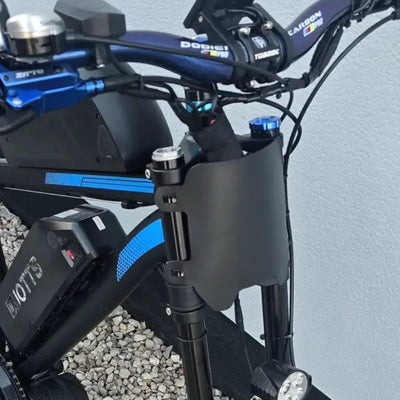
Before diving into specifics, it helps to understand what each option fundamentally is. A cheap factory e-bike is a complete bicycle assembled with the lowest-cost components that allow the manufacturer to hit a target retail price. The electrical system (motor, battery, controller) is determined by cost constraints, not performance goals. The frame, brakes, gears, and tyres are similarly value-engineered to keep the total price down.
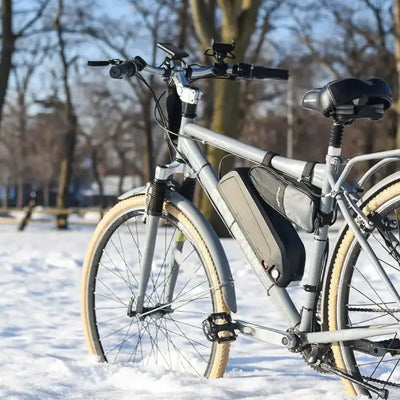
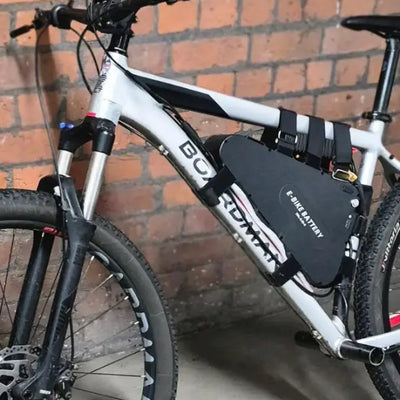
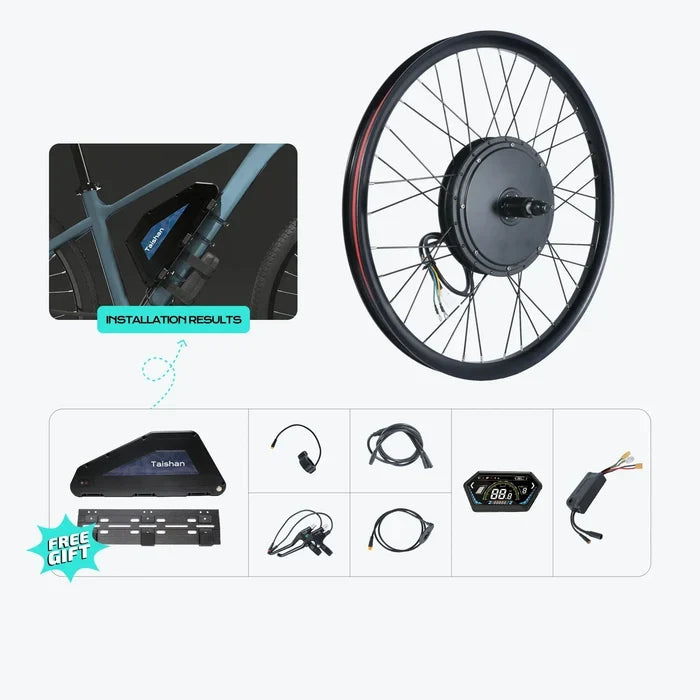
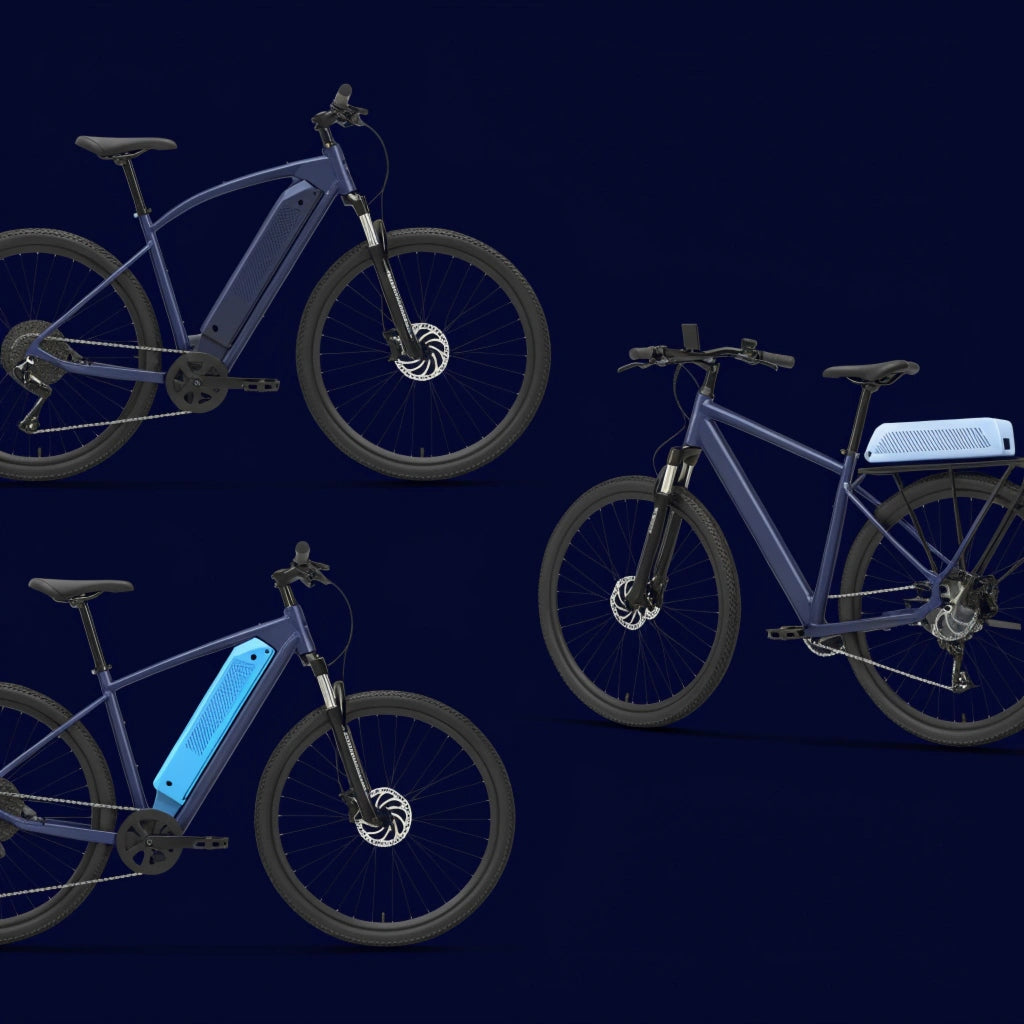
A conversion kit is the electrical system alone—motor, battery, controller, display, sensors—installed on a bicycle you already own. The kit budget goes entirely into the electrical components. The mechanical foundation (frame, brakes, drivetrain) is whatever quality level your existing bike represents.
This distinction is the key insight. At the same spend, a conversion kit buyer gets a dedicated electrical system, while a cheap e-bike buyer splits that money between electrical components and an entire bicycle.
Head-to-Head Comparison
|
Factor
|
Cheap Factory E-Bike
|
Conversion Kit (Kirbebike)
|
|
Battery cell quality
|
Generic, often unknown origin
|
LG cells, verified chemistry
|
|
Battery capacity
|
Often 7-10Ah fixed
|
7Ah–30Ah selectable
|
|
Motor quality
|
Basic, no brand verification
|
Brushless, CE/ROHS certified
|
|
Motor power range
|
Typically 250W only
|
250W to 4000W
|
|
Frame quality
|
Budget, fixed
|
Your existing quality bike
|
|
Brakes
|
Basic mechanical, lowest cost
|
Your existing brakes (upgradable)
|
|
Gears
|
Budget groupset
|
Your existing groupset
|
|
Repairability
|
Proprietary parts, hard to source
|
Standard components, independently replaceable
|
|
Installation effort
|
Zero
|
~20 minutes
|
|
Bike fit/comfort
|
Unknown, new adjustment needed
|
Your familiar, fitted bike
|
|
Theft risk
|
Higher (complete e-bike is target)
|
Lower (remove battery, bike looks standard)
|
|
Long-term cost
|
Replace whole bike when issues arise
|
Replace only failed component
|
|
UK road legal
|
Typically yes (250W/15.5mph)
|
Yes (250W kit), higher power for off-road
|
The Battery Problem with Cheap E-Bikes
![]()

Battery quality is where the cheap factory e-bike's value proposition falls apart most clearly, and it's worth examining in detail because most buyers never look at this carefully enough before purchasing.
Cheap e-bikes hit their price points partly by using cells of unverified origin with undisclosed BMS quality. The visible spec—"36V 10Ah"—tells you nothing about the actual cell chemistry, degradation rate, or safety management. Batteries from anonymous cell manufacturers degrade faster, deliver inconsistent capacity, and in worst cases pose safety risks.
What this means in practice:
- Capacity advertised at purchase may be measurably lower within the first season of use
- Battery lifespan on cheap e-bikes frequently runs to just 18-24 months before significant range loss
- Replacement batteries are often proprietary, difficult to source, and expensive relative to capacity
- BMS failures on poor-quality batteries lead to charging problems that are difficult to diagnose and repair
Kirbebike batteries use LG cells—the same cell manufacturer used in premium consumer electronics—with an intelligent BMS providing real-time monitoring and protection. The 48V 16Ah battery included in the mid-drive kit is rated for 1,000+ charge cycles with a multi-year lifespan. One Kirbebike customer ran their system for close to 20,000km over two years on the original battery without issues. That kind of longevity doesn't happen with generic cells.
The Riding Experience Gap
![]()

Beyond specs and costs, the actual experience of riding each option differs substantially.
On a cheap factory e-bike:
- Fit is whatever the manufacturer's geometry provides—may or may not suit your body
- Weight distribution is fixed—battery placement was a design decision made for manufacturing convenience
- Assist feel reflects a basic cadence sensor and budget controller—often jerky, not smooth
- The bike feels like a product built to a price point
On a converted bike you already own:
- Geometry is familiar and dialled in from existing use
-
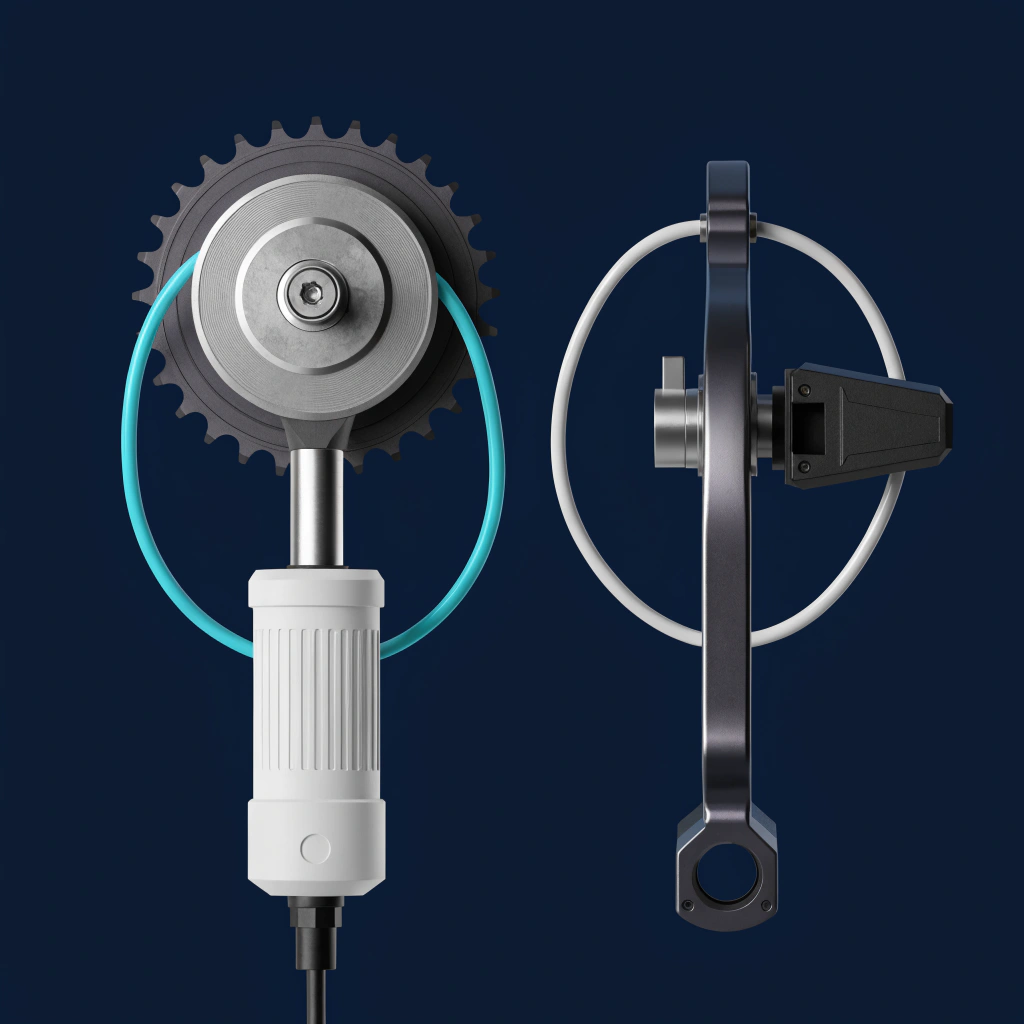
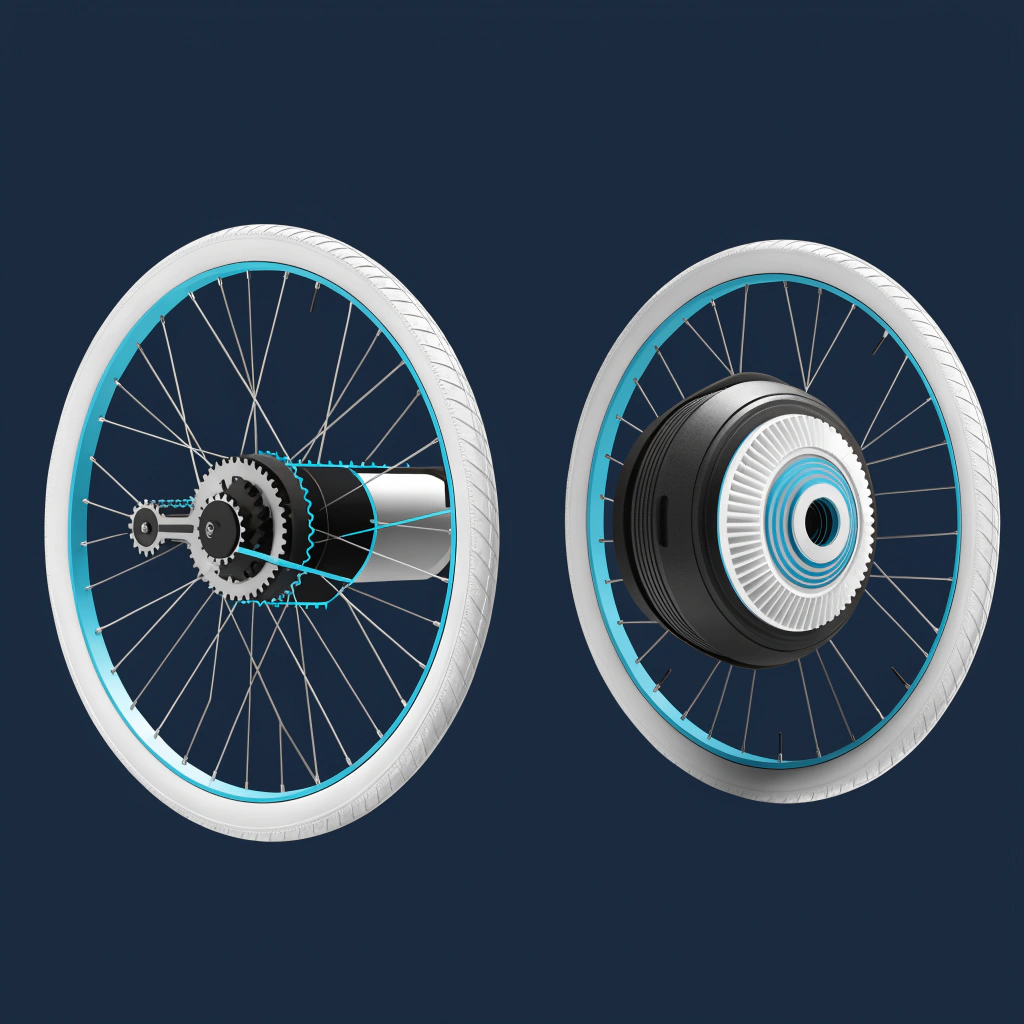
Kirbebike's Tongsheng TSDZ8 mid-drive kit uses dual torque sensors that respond to how hard you pedal, not just whether you're pedalling—the ride feel is genuinely natural
- FOC controllers in hub motor kits deliver smooth power delivery rather than stepped cadence response
- The bike feels like your bike, with electric assist added thoughtfully
Customer testimony consistently reflects this. Riders who converted a commuter bike describe a transformation of daily routine—Devon hills that took 25 minutes now take 11, hilly 23km commutes completed on level one assist with 80% battery remaining. These are riders on bikes they know and trust, made dramatically more capable.
When Does the Cheap Factory E-Bike Actually Win?
An honest comparison acknowledges the scenarios where a factory e-bike genuinely is the right choice.
You don't own a suitable bicycle: If you're starting from scratch with no existing bike, you need both the bicycle and the electrical system. Buying a modest bicycle and adding a conversion kit can approach the cost of a complete e-bike, and at that point the convenience of a ready-built option has more appeal.
You genuinely won't do 20 minutes of installation: The conversion kit requires connecting motor, battery, display, and sensors. The instructions are clear and most riders complete it without difficulty—but if the idea of any assembly creates anxiety, a ready-to-ride option has legitimate appeal.
You want a very low-cost entry point with minimal attachment: If you want the cheapest possible way to try electric cycling with no expectation of longevity, a budget factory e-bike requires no decision-making. The trade-off in quality is real, but so is the reduced commitment.
For most other use cases, the conversion kit approach wins on every meaningful metric.
Power Range: Where the Gap Becomes Unbridgeable
One area where cheap factory e-bikes cannot compete at any price point is power range. UK road-legal e-bikes are capped at 250W regardless of cost. A cheap e-bike gives you 250W in an entry-level package. A quality conversion kit also gives you 250W road-legal operation—but also gives you access to 500W, 750W, 1000W, 2000W, 3000W, and 4000W options for off-road, private land, and high-performance applications.
Kirbebike's range spans 250W front-wheel road-legal kits through to 72V 4000W extreme performance systems capable of 55MPH+ for MTB and fat tire applications. No factory e-bike at the budget end approaches this. Riders who start with a road-legal 250W kit and later want more performance can upgrade the electrical system while keeping the same bike—a flexibility that doesn't exist in the factory e-bike world.
The Theft and Security Advantage
This practical consideration often goes undiscussed but matters significantly for UK urban commuters. A complete e-bike—even a cheap one—is a complete e-bike left locked outside. It's recognisably electric, has a battery attached, and presents as a target worth stealing for a quick resale.
A converted bike with the battery removed looks like a standard bicycle. The motor wheel is present but not obviously identifiable as e-bike hardware from a distance. Remove the battery when locking up and the theft target value drops substantially. Several Kirbebike customers specifically mention taking their compact battery off and carrying it while the bike stays locked—a security practice that's simply not available on integrated factory e-bikes.
Summary Verdict
The verdict depends on your starting point, but the logic is consistent. If you own a decent bicycle, a conversion kit is better value in every direction that matters—motor quality, battery longevity, ride experience, long-term repairability, and total cost of ownership over multiple years. The 20-minute installation barrier is genuinely low; multiple Kirbebike customers with no prior experience completed it successfully using the included tools and video guides.
If you're starting without a bike and want absolute simplicity with minimal commitment, a budget factory e-bike has its place—just enter that purchase with realistic expectations about longevity and repairability.
For everyone else, the conversion route on a quality donor bike, using a reputable direct-to-consumer kit with verified components, beats the cheap factory e-bike on the metrics that determine real value: how well it performs, how long it lasts, and how much it costs to keep running. Browse the full Kirbebike ebike kit range with batteries to find the combination that turns your existing bicycle into a system that outperforms any cheap factory alternative.
Frequently Asked Questions
Is a conversion kit better than a cheap electric bike for UK commuting?
For most commuters who already own a bicycle, yes. A conversion kit puts the full budget into the electrical system—quality motor and LG cell battery—while the mechanical foundation comes from your existing bike.
Can I convert a cheap electric bike if the battery fails?
Generally not practically. Cheap factory e-bikes use proprietary battery systems with non-standard connectors, making replacement difficult and expensive. This is one of the most significant long-term disadvantages of budget factory e-bikes.
Are conversion kits harder to maintain than factory e-bikes?
No—in most cases, easier. Factory e-bike components are often proprietary with limited parts availability. Conversion kit components are standard and independently replaceable. A failing controller, display, or battery is a simple swap.
What if I don't have a good donor bike for conversion?
The strongest argument for a factory e-bike is exactly this scenario. If you need to buy a bicycle anyway, the combined cost of donor bike plus conversion kit can approach a budget complete e-bike.
Do conversion kits have the same range as cheap factory e-bikes?
Range depends primarily on battery capacity and riding conditions, not whether the system is factory-built or converted. Kirbebike offers battery options from 7Ah to 30Ah—a 52V 30Ah battery delivers 50-100km range that no budget factory e-bike approaches.
Is installing a conversion kit really as simple as claimed?
Verified customer reviews consistently confirm 20-minute installation by riders with no prior experience. The kit includes all necessary tools, clear paper instructions, and access to video guides.
: invalid url input)
usmile
Liquid error (snippets/blog-best-product line 36): product form must be given a product
Liquid error (snippets/blog-best-product line 59): product form must be given a product