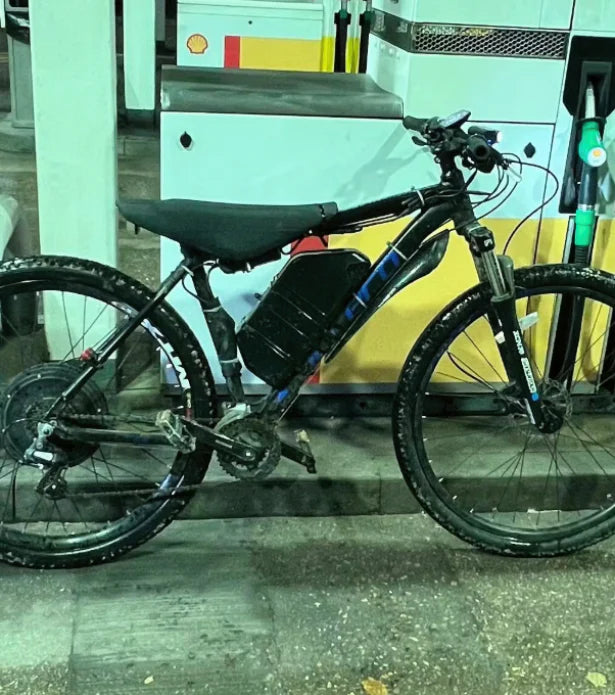
Fat tire e-bike conversion delivers unmatched all-terrain capability, exceptional traction on challenging surfaces, year-round riding versatility, and adventure access to beaches, snow trails, mud, and loose terrain impossible on standard bicycles—but selecting optimal kits requires matching powerful motors, adequate battery capacity, appropriate motor placement, and fat-specific components to extreme riding conditions and unique frame geometry.
While the best ebike kit options serve various cycling applications, understanding which configurations excel for fat tire bikes versus standard wheel applications determines whether your conversion conquers sand dunes and snowy trails or disappoints through inadequate power and incompatible components.
This comprehensive guide examines top fat tire conversion kits, power requirements for challenging surfaces, installation considerations, seasonal riding strategies, and component selection ensuring your fat bike conversion delivers professional-grade all-terrain performance across the most demanding riding conditions.
Why Fat Tire Bikes Need Specialized Conversion Kits

Understanding the unique requirements fat tire bicycles present ensures proper kit selection and optimal all-terrain performance.
Fat Tire Bike Characteristics
What Makes Fat Bikes Different:
Tire Dimensions:
- Width: 3.8" to 5.0+ inches typical
- Volume: 3-4x standard MTB tire
- Pressure: 5-15 PSI (vs 30-40 PSI standard)
- Contact patch: Massive surface area
- Flotation: Snow, sand, mud capability
Frame Geometry:
- Wider rear dropouts (170-197mm vs 135-142mm)
- Wider front forks (135-150mm vs 100mm)
- Increased tire clearance
- Reinforced frame construction
- Heavier overall weight
Riding Conditions:
- Snow-covered trails
- Beach sand riding
- Muddy loose terrain
- Rocky technical trails
- All-season capability
- Extreme weather conditions
Power Requirements for Fat Bikes
Why Fat Bikes Need More Power:
Increased Rolling Resistance:
- Wider tires = more surface contact
- Soft surfaces demand continuous power
- Sand and snow especially challenging
- Mud creates suction resistance
- 30-50% more power needed vs standard
- Battery consumption significantly higher
Weight Considerations:
- Fat bike frame: 2-3kg heavier
- Tires and wheels: 2-4kg additional
- Total bike weight: 18-22kg typical
- Rider plus gear: Significant
- Motor must handle total load
- Climbing capability critical
Minimum Power Recommendations:
Light Use (Groomed Trails):
- Power: 750-1000W minimum
- Application: Packed snow, firm sand
- Performance: Adequate assistance
- Battery: 48V 16-20Ah
Moderate Use (Variable Conditions):
- Power: 1000-1500W recommended
- Application: Fresh snow, loose sand
- Performance: Confident capability
- Battery: 52V 20Ah ideal
Aggressive Use (Extreme Terrain):
- Power: 1500-2000W+ required
- Application: Deep snow, soft sand
- Performance: Unstoppable
- Battery: 52V 20-30Ah essential
Fat-Specific Component Requirements
Motor Compatibility:
Dropout Width Critical:
- Rear dropouts: 170-197mm (vs 135-142mm standard)
- Front dropouts: 135-150mm (vs 100mm standard)
- Motor axle must match exactly
- Spacers available for some applications
- Verify compatibility before purchase
Wheel Size Options:
- 20" fat tires (folding fat bikes)
- 24" fat tires (compact models)
- 26" fat tires (most common)
- 27.5"+ (newer standard)
- 29"+ (rare, specialized)
Top Fat Tire Conversion Kit Recommendations
Best Overall Fat Tire: 1500W-2000W Fat Wheel System

Why It Excels:
Purpose-built for fat tire applications with appropriate power and compatibility:
Complete System Specifications:
Motor Configuration:
- Power: 1500W-2000W brushless direct-drive
- Type: Fat tire specific rear hub
- Dropout Width: 170-190mm compatible
- Motor Weight: 5.1-5.3kg
- Construction: Heavy-duty sealed bearings
- Waterproofing: IP65 weather resistance
Why Perfect for Fat Bikes:
- Adequate power soft surfaces (1500-2000W)
- Fat tire dropout compatibility
- Heavy load capability
- Reliable continuous power
- Weather-resistant construction
- Proven fat bike performance
Battery Configuration:
- Capacity: 52V 20Ah LG cells
- Range: 40-60km mixed terrain
- Performance: Sustained power delivery
- Quality: Premium construction
- Mounting: Down tube secure
- Lock: Integrated security
Performance Capabilities:
- Speed: 50-60 km/h maximum
- Snow: Conquers packed and fresh
- Sand: Rides beach terrain confidently
- Mud: Powers through consistently
- Hills: Serious climbing capability
- Load: Heavy rider plus gear
Installation Considerations:
- Time: 20-25 minutes typical
- Torque arms: Mandatory both sides
- Dropout: Verify width match
- Cassette: Transfer required
- Complexity: Moderate
- Brake upgrade: Recommended
Ideal Fat Bike Rider:
- All-season riding
- Snow and sand focus
- Serious capability needed
- Quality investment
- Adventure priority
- Versatile usage
Best Extreme Fat Tire: 52V-60V 2500W-3000W System

Why It Excels:
Maximum power for extreme conditions and heavy loads:
Complete System Specifications:
Motor Options:
60V 2500W-3000W Configuration:
- Power: 2500-3000W brushless
- Speed: 75-85 km/h capability
- Weight: 6.8kg heavy-duty
- Torque: Unstoppable deep snow/sand
- Construction: Professional-grade
- Application: Extreme conditions
Battery Configuration:
- Capacity: 60V 20Ah premium cells
- Range: 40-80km aggressive terrain
- Performance: Maximum sustained power
- Quality: Military-grade construction
- Voltage: Superior under extreme load
Extreme Performance:
- Deep powder snow: Conquered
- Soft beach sand: Dominated
- Heavy loads: Hauled effortlessly
- Steep grades: Climbed powerfully
- Speed: Exceptional capability
- Traction: Raw power advantage
Investment Justification:
- Extreme terrain focus
- Professional usage
- Maximum capability
- Year-round versatility
- Ultimate performance
Ideal Extreme User:
- Deep snow regular
- Soft sand beaches
- Heavy cargo hauling
- Professional use
- Maximum power priority
- Ultimate capability
Best Budget Fat Tire: 48V 1000W System
Why It Excels:
Adequate capability at accessible investment for moderate fat biking:
Complete System Specifications:
Motor Details:
- Power: 48V 1000W brushless
- Type: Standard hub motor
- Adaptation: With spacers for some fat bikes
- Speed: 45-50 km/h
- Weight: 4-6kg
- Quality: Proven reliability
Battery Configuration:
- Capacity: 48V 16Ah LG cells
- Range: 35-50km moderate conditions
- Performance: Adequate assistance
- Investment: Budget-conscious
Performance Limitations:
- Adequate packed snow/firm sand
- Struggles deep soft conditions
- Moderate terrain capable
- Budget-friendly entry
- Reasonable capability
Compatibility Note:
- May require dropout spacers
- Verify width compatibility
- Not all fat bikes compatible
- Check before purchase
- Professional consultation helpful
Ideal Budget User:
- First fat bike conversion
- Moderate terrain
- Occasional extreme conditions
- Budget priority
- Entry-level e-fat bike
Fat Tire Conversion Comparison Table
|
Kit Type
|
Power
|
Dropout Width
|
Best Conditions
|
Key Advantage
|
Battery
|
Range
|
|
Budget 1000W
|
1000W
|
Adapt with spacers
|
Packed snow, firm sand
|
Entry cost
|
48V 16Ah
|
35-50km
|
|
Fat-Specific 1500-2000W
|
1500-2000W
|
170-190mm native
|
All conditions
|
Purpose-built
|
52V 20Ah
|
40-60km
|
|
Extreme 2500-3000W
|
2500-3000W
|
170-190mm native
|
Deep snow, soft sand
|
Maximum power
|
60V 20Ah
|
40-80km
|
Fat Bike Installation Considerations
Dropout Width Verification
Critical Compatibility Step:
Measuring Your Fat Bike:
Rear Dropout Measurement:
- Measure frame inner width
- Common sizes: 170mm, 177mm, 190mm, 197mm
- Match motor axle exactly
- Spacers available for some gaps
- Verify before purchase
Motor Compatibility:
- 170mm: Common fat bike standard
- 190mm: Modern fat bike common
- 197mm: Wide fat bike (Surly, etc.)
- Spacer kits: Available for adaptation
- Custom builds: Possible for extreme widths
Torque Arm Requirements
Mandatory for Fat Bikes:
Fat bikes' increased loads demand torque arms:
Torque Arm Specifications:
- 1000W: One torque arm minimum
- 1500-2000W: Two torque arms mandatory
- 2500W+: Heavy-duty both sides required
- Aluminum frames: Always use torque arms
- No exceptions: Safety critical
Installation:
- Secure to frame dropout
- Proper torque: 15-20 Nm
- Both sides high power
- Regular inspection
- No movement allowed
Brake System Requirements
Essential Upgrades:
Fat bike speeds and weights demand powerful brakes:
Minimum Requirements:
- 1000-1500W: Hydraulic disc mandatory
- 1500W+: High-performance hydraulic essential
- 2000W+: Premium brakes required
- Upgrade before riding
- 180-203mm rotors recommended
Seasonal Riding Strategies
Winter Snow Riding
Optimizing for Snow:
Tire Pressure:
- Deep powder: 5-7 PSI
- Packed trails: 8-12 PSI
- Icy conditions: 10-15 PSI
- Lower = better flotation
- Experiment for conditions
Power Management:
- Use higher assist levels
- Anticipate resistance
- Smooth power application
- Battery consumption high
- Cold reduces capacity 20-30%
Battery Care:
- Store warm overnight
- Install warm battery
- Charge immediately after ride
- Avoid extreme cold storage
- Capacity monitoring
Range Optimization
Realistic Expectations:
Range Reduction Factors:
- Soft surfaces: 40-60% reduction vs pavement
- Cold weather: Additional 20-30% reduction
- Wind resistance: Significant impact
- Rider weight plus gear: Critical
- Tire pressure: Affects efficiency
Typical Real-World Range:
48V 16Ah System:
- Pavement: 50km potential
- Packed snow/firm sand: 30-35km
- Soft snow/loose sand: 20-25km
- Deep conditions: 15-20km
52V 20Ah System:
- Pavement: 60-70km potential
- Packed conditions: 40-50km
- Moderate conditions: 30-40km
- Extreme conditions: 25-30km
52V 30Ah System:
- Pavement: 80-100km potential
- Packed conditions: 60-70km
- Moderate conditions: 45-55km
- Extreme conditions: 35-45km
Tire Selection and Pressure
Optimization:
Tire Choice:
- Aggressive tread: Loose surfaces
- Moderate tread: Mixed conditions
- Minimal tread: Packed surfaces
- Studded: Ice and hardpack
- Quality construction essential
Pressure Guidelines:
- Start low (5-7 PSI)
- Increase if bottoming
- Decrease if poor flotation
- Test and adapt
- Conditions vary dramatically
Riding Technique
Efficiency Strategies:
Power Application:
- Smooth throttle/assist usage
- Anticipate resistance changes
- Maintain momentum
- Body position forward soft surfaces
- Weight distribution critical
Battery Conservation:
- Lower assist when possible
- Maintain steady pace
- Avoid excessive speed
- Plan route carefully
- Monitor constantly
Fat Tire Selection Decision Framework
Choose 1500-2000W System If:
Balanced Requirements: ✓ Regular snow and sand riding ✓ Moderate to aggressive terrain ✓ Year-round versatility wanted ✓ Quality investment acceptable ✓ Serious capability needed ✓ Most fat bike riders
Choose 2500-3000W System If:
Extreme Requirements: ✓ Deep powder snow regular ✓ Soft beach sand primary ✓ Heavy loads frequently ✓ Professional usage ✓ Maximum capability priority ✓ Ultimate performance
Choose 1000W System If:
Entry Requirements: ✓ Budget priority ✓ Moderate conditions primarily ✓ Occasional extreme terrain ✓ First fat bike conversion ✓ Entry-level exploration
Conclusion
Fat tire e-bike conversion delivers transformative all-terrain capability, year-round riding versatility, snow and sand access, and adventure opportunities impossible on standard bicycles—but optimal kit selection requires matching adequate power (1500-2000W minimum for serious use, 2500-3000W for extreme conditions), fat-specific dropout compatibility (170-197mm), and appropriate battery capacity to challenging surface resistance, seasonal weather variations, and increased weight.
Ready to conquer sand and snow through proven fat bike e-conversion? Explore the complete electric bike kit battery range including fat-tire-optimized systems with detailed specifications, dropout compatibility guidance, power recommendations, and expert support ensuring your conversion delivers the exceptional all-terrain performance, reliable operation, and adventure capability only proper fat bike e-conversions provide across the most challenging riding conditions.
Frequently Asked Questions
What power level e-bike conversion kit do I need for fat tire bikes?
Fat tire bikes need significantly more power than standard bikes: 1000-1500W minimum for packed snow and firm sand, 1500-2000W recommended for variable conditions and all-season use, 2500-3000W for deep powder snow and soft beach sand.
Will standard e-bike conversion kits fit fat tire bikes?
Most standard kits require modification: fat bikes use 170-197mm rear dropouts vs 135-142mm standard, requiring fat-specific motors or spacer adaptation.
How much does fat tire e-conversion reduce battery range?
Soft surfaces dramatically reduce range: packed snow/firm sand reduces range 30-40% vs pavement, deep soft snow/loose sand reduces 50-60%, cold weather additionally reduces 20-30%.
Do I need torque arms for fat tire e-bike conversion?
Absolutely mandatory for safety: fat bikes' increased weight and resistance create massive torque on dropouts. Use one torque arm minimum for 1000-1500W, two mandatory both sides for 1500W+, heavy-duty type for 2500W+ systems.
What tire pressure should I use for e-fat bike on snow and sand?
Optimize pressure for conditions: deep powder snow 5-7 PSI, packed snow trails 8-12 PSI, soft dry beach sand 5-8 PSI, firm wet sand 10-12 PSI. Lower pressure increases flotation preventing sinking but risks rim damage on obstacles.