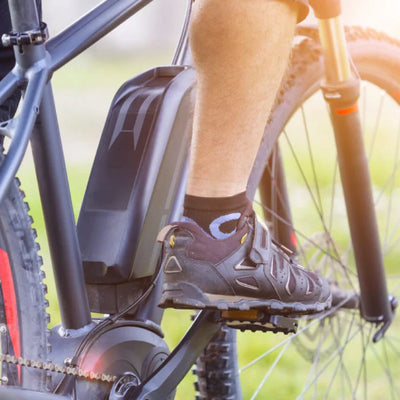
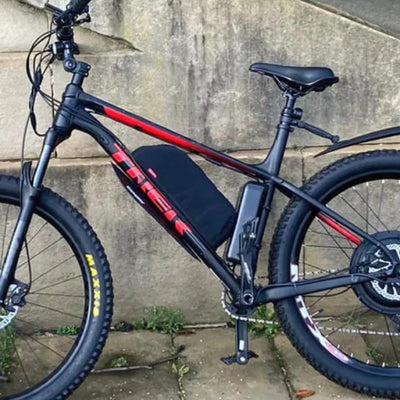
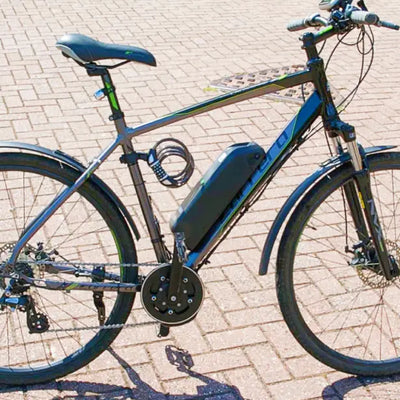
Mountain bike e-conversion delivers powerful trail assistance, extended ride capabilities, technical climb mastery, and renewed enthusiasm for challenging terrain—but selecting optimal kits requires matching motor type (hub vs mid-drive), power level, torque characteristics, and durability to your specific trail conditions, riding style, frame compatibility, and performance expectations.
While the best ebike kit options span all cycling applications, understanding which configurations excel for off-road mountain biking versus compromising trail performance determines whether your conversion transforms challenging rides into effortless adventures or creates disappointment through inadequate capability.
This comprehensive guide examines top mountain bike conversion kits, motor type selection, power requirements, installation considerations, and trail-specific features ensuring your MTB conversion delivers professional-grade off-road performance rivaling purpose-built electric mountain bikes.
Essential Requirements for MTB Conversion Kits
![]()

Understanding which features matter specifically for mountain biking versus road cycling determines optimal kit selection and trail performance satisfaction.
Power and Torque Requirements
Off-Road Performance Needs:
Mountain biking demands different power characteristics than road cycling:
Why MTB Needs More Power:
- Steep technical climbs (15-25%+ grades)
- Loose surface traction demands
- Low-speed torque essential
- Obstacle navigation power
- Sustained climbing capability
- Heavy rider plus gear weight
Minimum Power Recommendations:
Cross-Country/Light Trails:
- Power: 500-750W adequate
- Torque: 80-120Nm sufficient
- Application: Groomed trails, moderate grades
- Motor: Mid-drive or geared hub
- Performance: Assistance-focused
All-Mountain/Trail Riding:
- Power: 750-1500W recommended
- Torque: 120-160Nm ideal
- Application: Technical trails, steep climbs
- Motor: Mid-drive preferred, powerful hub acceptable
- Performance: Serious capability
Enduro/Downhill Access:
- Power: 1500-3000W+ required
- Torque: Maximum available
- Application: Extreme terrain, shuttle replacement
- Motor: Powerful hub motor
- Performance: Unstoppable climbing
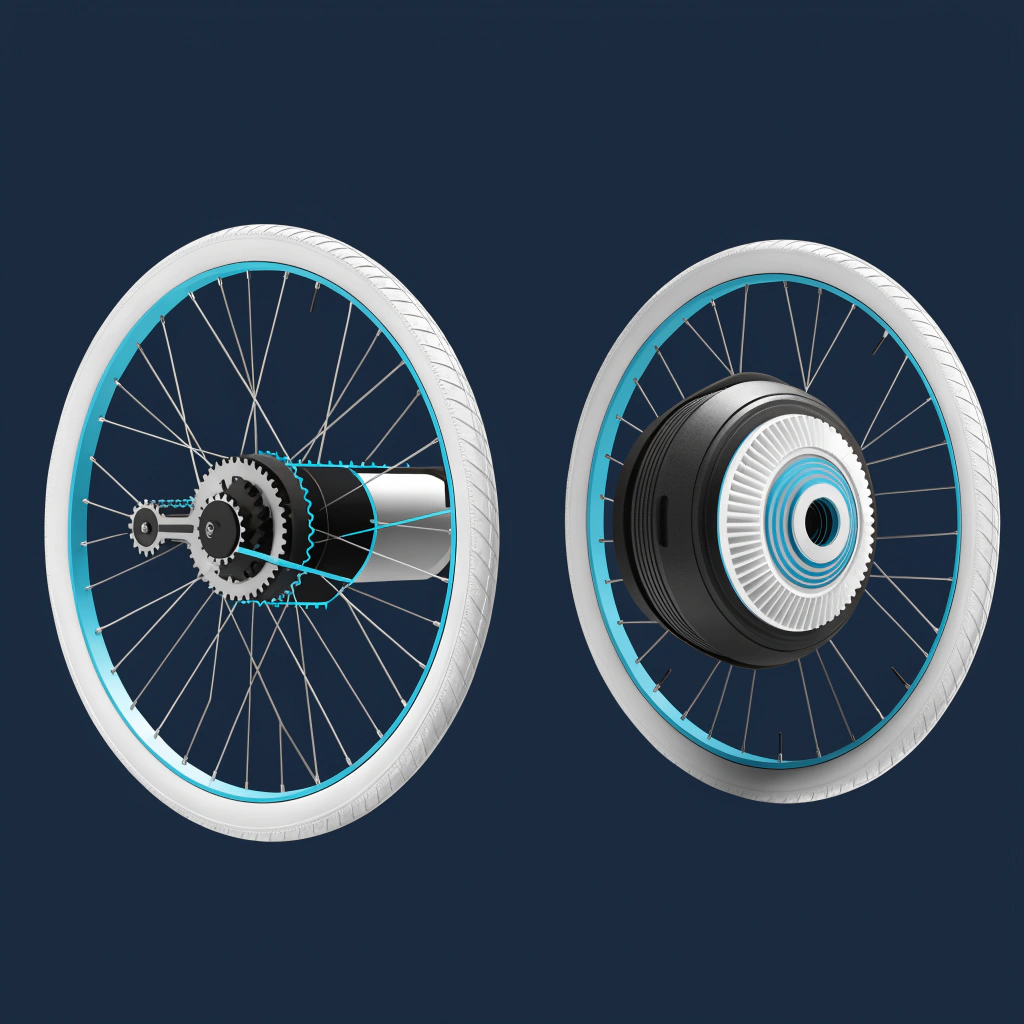
Motor Type Selection Critical
Hub vs Mid-Drive for MTB:
This decision fundamentally affects trail performance:
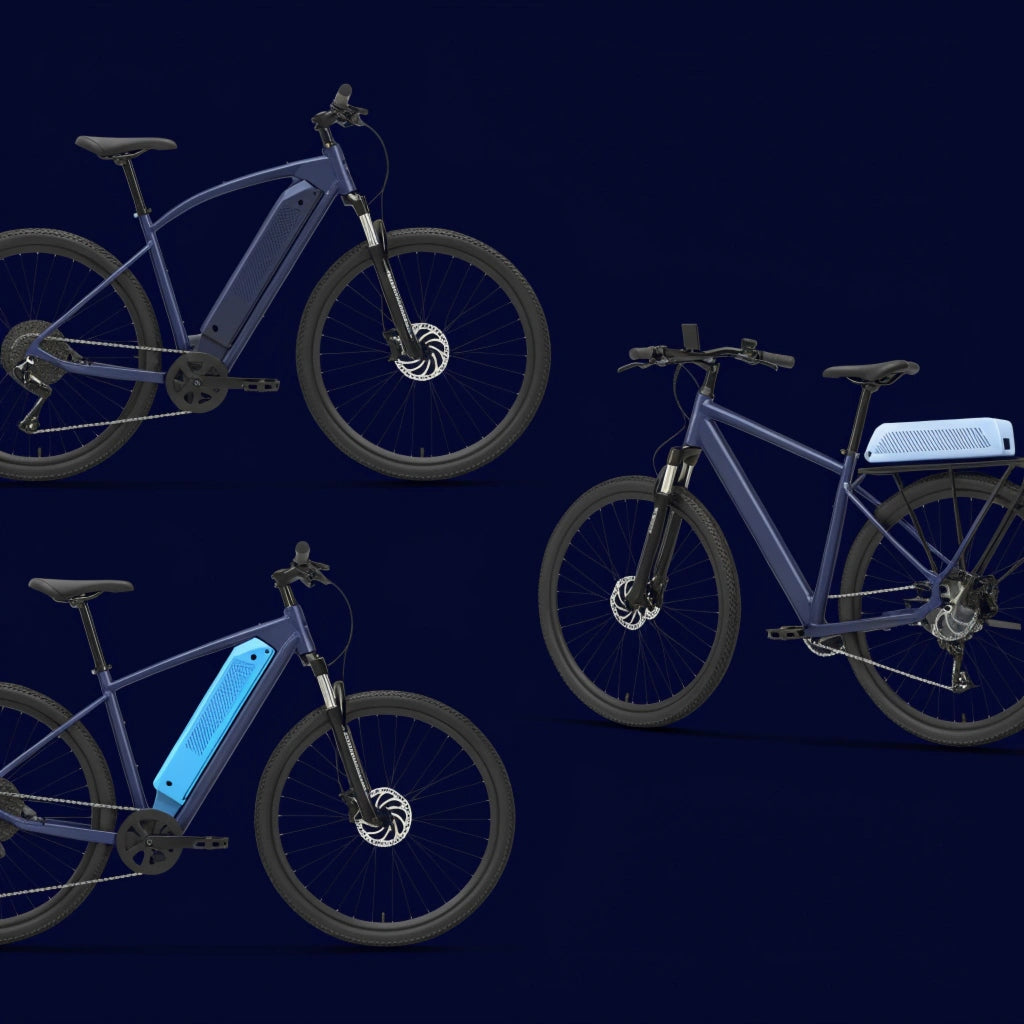
Mid-Drive Advantages for MTB:
Gear Leverage Benefits:
- Low gears multiply motor torque dramatically
- 500W mid-drive = 1500W+ effective wheel power
- Steep technical climbs conquered efficiently
- Battery range extended significantly
- Natural pedaling feel maintained
Weight Distribution:
- Centered mass (optimal handling)
- Suspension performance preserved
- Technical maneuvering enhanced
- Professional MTB feel
- Balanced traction both wheels
Efficiency:
- 20-30% better than hub motors
- Extended range technical terrain
- Motor optimal RPM maintained
- Heat management superior
- Battery life maximized
Hub Motor Advantages for MTB:
Installation Simplicity:
- 20-minute installation vs 30-40 minutes
- No bottom bracket concerns
- Drivetrain unchanged
- Reversible easily
- Less complexity
Raw Power Available:
- 2000-4000W systems possible
- Direct power delivery
- No gear dependency
- Power-through capability
- Brute force climbing
Lower Maintenance:
- No drivetrain stress
- Chain life normal
- Cassette longevity standard
- Simple reliable operation
Frame and Component Compatibility
MTB-Specific Requirements:
Frame Considerations:
Material Strength:
- Aluminum: Suitable for 250-2000W with torque arms
- Steel/Chromoly: Excellent for any power level
- Carbon fiber: NOT recommended for conversion
- Frame condition: Inspect for cracks, damage
Suspension Compatibility:
Hardtail MTB:
- Ideal for conversion
- All motor types suitable
- Simpler installation
- Excellent rigidity
- Proven platform
Full Suspension MTB:
- Hub motor: Possible with considerations
- Mid-drive: Excellent choice
- Frame flex considerations
- Pivot clearance verification
- Specialized knowledge helpful
Brake System Requirements:
Power Level vs Brakes:
- 250-500W: V-brakes adequate (flat terrain)
- 750-1000W: Hydraulic disc recommended
- 1500W+: Hydraulic disc mandatory
- 2000W+: High-performance brakes essential
- Upgrade if necessary
Top MTB Conversion Kit Recommendations
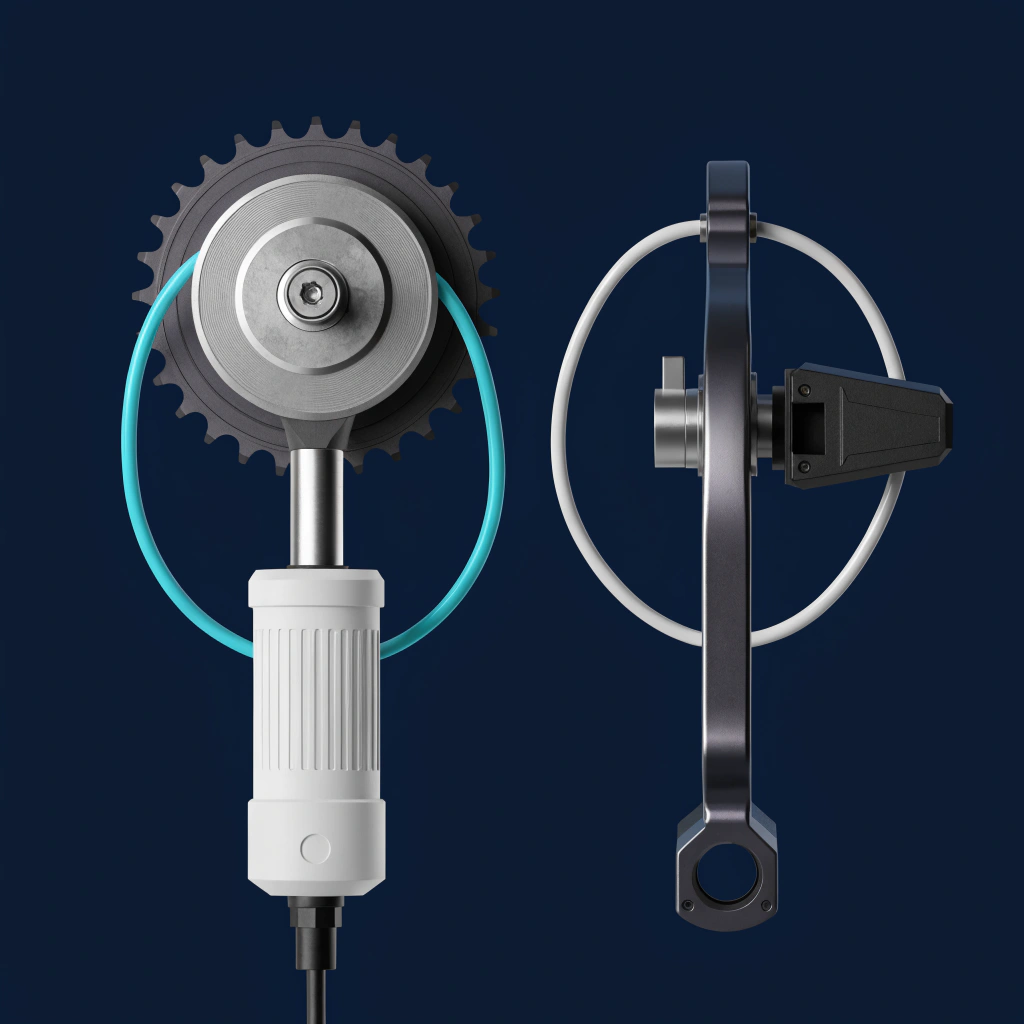
Best Overall MTB: Tongsheng TSDZ8 Mid-Drive
Why It Excels:
The mid motor electric conversion kit delivers optimal MTB balance through gear leverage and natural feel:
Complete System Specifications:
Motor Configuration:
- Brand: Tongsheng TSDZ8
- Power: 36V 500W or 48V 750W options
- Torque: 140Nm maximum (exceptional)
- Weight: 4.8kg (light for mid-drive)
- Type: Integrated torque sensor
- Construction: Sealed professional-grade
Why Perfect for MTB:
- 140Nm torque conquers steep technical climbs
- Gear leverage multiplies power dramatically
- Torque sensor provides natural responsive feel
- 4.8kg centered weight maintains handling
- Efficient operation extends trail range
- Professional mountain bike dynamics
Battery Options:
36V 500W System:
- Battery: 36V 16Ah LG cells
- Range: 40-50km technical trails
- Application: XC and light trail
- Efficiency: Maximum
- Weight: Lighter option
48V 750W System:
- Battery: 48V 16Ah LG cells
- Range: 40-60km mixed terrain
- Application: All-mountain trail
- Power: Serious capability
- Performance: Aggressive riding
Trail Performance:
- Climbs 15-20% grades confidently
- Low-speed torque exceptional
- Natural pedaling feel maintained
- Suspension performance preserved
- Technical maneuvering enhanced
- Professional MTB experience
Installation Complexity:
- Time: 30-40 minutes typical
- Skill: Moderate mechanical comfort needed
- Tools: All included
- Bottom bracket: Removal required
- Guidance: Comprehensive video tutorials
- Support: Professional assistance available
Ideal MTB Rider Profile:
- Technical trail enthusiast
- Efficiency and feel priority
- Steep climbing regular
- Natural handling valued
- Mechanical comfort adequate
- Quality investment perspective
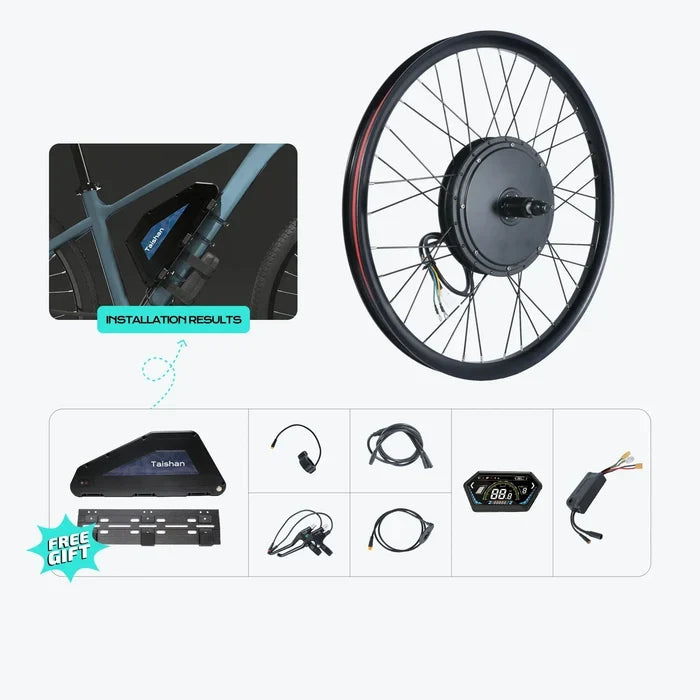
Best High-Power MTB: 52V-60V 2000W-3000W Hub System
![]()

Why It Excels:
Raw power conquers extreme terrain through brute force:
Complete System Specifications:
Motor Options:
52V 2000W MTX Rim:
- Power: 2000W brushless direct-drive
- Speed: 50-60 km/h capability
- Weight: 5.1-5.3kg
- Torque: Exceptional low-end
- Application: Serious trail riding
60V 2500W-3000W System:
- Power: 2500-3000W brushless
- Speed: 75-85 km/h maximum
- Weight: 6.8kg robust construction
- Torque: Unstoppable climbing
- Application: Extreme terrain
Battery Configuration:
52V 20-30Ah Options:
- Cells: LG 21700 high-discharge
- Range: 40-80km depending on capacity
- Performance: Sustained power delivery
- Quality: Premium construction
60V 20Ah System:
- Cells: Premium high-discharge
- Range: 40-80km aggressive riding
- Performance: Maximum capability
- Voltage: Superior under extreme load
Trail Performance:
- Conquers any grade through power
- Obstacle navigation effortless
- Shuttle run replacement capable
- Heavy loads handled easily
- Speed capability exceptional
- Intimidating power delivery
Installation:
- Time: 20-25 minutes (rear wheel)
- Torque arms: Mandatory both sides
- Brake upgrade: Essential
- Complexity: Moderate
- Cassette: Transfer required
Ideal MTB Rider Profile:
- Extreme terrain focus
- Maximum power priority
- Shuttle replacement goal
- Heavy rider or loads
- Power-through preference
- Performance investment
Best Budget MTB: 48V 1000W Hub System
![]()

Why It Excels:
Serious capability at accessible investment for trail riders:
Complete System Specifications:
Motor Details:
- Power: 48V 1000W brushless direct-drive
- Speed: 45-50 km/h
- Weight: 4-6.2kg depending on configuration
- Torque: Good for price point
- Quality: Proven reliability
Battery Configuration:
- Capacity: 48V 16Ah LG cells
- Range: 35-50km trail riding
- Performance: Adequate power delivery
- Investment: Budget-conscious quality
Trail Performance:
- Handles 10-15% grades confidently
- Moderate technical terrain capable
- Good low-speed torque
- Reliable trail assistance
- Budget-friendly capability
Value Proposition:
- Genuine trail performance
- Quality components
- Proven reliability
- Reasonable investment
- Excellent entry point
Ideal MTB Rider Profile:
- First MTB conversion
- Moderate trail riding
- Budget-conscious
- Entry-level e-MTB
- Quality on budget
MTB Conversion Comparison Table
|
System Type
|
Power
|
Torque
|
Weight
|
Best For
|
Key Advantage
|
Installation
|
|
Mid-Drive 500W
|
500W
|
140Nm
|
4.8kg
|
XC, technical trails
|
Efficiency, feel
|
30-40 min
|
|
Mid-Drive 750W
|
750W
|
140Nm
|
4.8kg
|
All-mountain
|
Gear leverage
|
30-40 min
|
|
Hub 1000W
|
1000W
|
Good
|
4-6kg
|
Trail, budget
|
Value, simple
|
20-25 min
|
|
Hub 2000W
|
2000W
|
Excellent
|
5.1-5.3kg
|
Aggressive trail
|
Serious power
|
20-25 min
|
|
Hub 3000W
|
3000W
|
Maximum
|
6.8kg
|
Extreme terrain
|
Unstoppable
|
20-25 min
|
MTB-Specific Installation Considerations
Torque Arm Requirements
Critical for Hub Motors:
Torque arms prevent catastrophic dropout failure:
Requirements by Power:
- 750W: One torque arm minimum
- 1000-1500W: One mandatory, two recommended
- 2000W+: Two torque arms absolutely required
- Aluminum frames: Always use torque arms
- Steel frames: Mandatory 1000W+
Installation:
- Secure to frame dropout
- Proper torque specifications (15-20 Nm)
- Both sides for 2000W+ motors
- Regular inspection essential
- No movement allowed
Brake System Upgrades
Safety Critical:
MTB speeds and weights demand adequate braking:
Minimum Requirements:
- 250-750W: Hydraulic disc recommended
- 1000-1500W: Hydraulic disc mandatory
- 2000W+: High-performance hydraulic essential
- Upgrade if needed before riding
- Safety non-negotiable
Brake Pad Considerations:
- Metallic pads for power and heat
- Larger rotors increase stopping power
- 180mm+ recommended for 1000W+
- 203mm for 2000W+ systems
- Regular inspection and replacement
Tire and Wheel Considerations
Traction and Durability:
Tire Selection:
- Aggressive tread for loose surfaces
- Quality construction for durability
- Appropriate width for conditions
- Tubeless setup recommended
- Regular inspection essential
Wheel Strength:
- Standard MTB wheels adequate 250-1000W
- Reinforced wheels for 1500W+
- Spoke tension critical
- Regular trueing needed
- Quality rims important
Maximizing MTB Performance
Optimal Riding Technique
Mid-Drive Usage:
Gear Selection:
- Shift to low gear before steep section
- Maintain cadence 60-80 RPM
- Let gears multiply torque
- Smooth pedal pressure
- Anticipate terrain changes
Power Management:
- Lower assist on flats (preserve range)
- Higher assist steep technical climbs
- Match assist to difficulty
- Monitor battery carefully
- Understand system limits
Hub Motor Usage:
Power Application:
- Smooth throttle application
- Avoid sudden power bursts
- Anticipate traction limits
- Body position forward climbing
- Weight distribution critical
Battery Management for Trails
Range Optimization:
Realistic Range Expectations:
- Technical trails: 30-50% range reduction vs road
- Steep climbing: 40-60% reduction
- Aggressive riding: Maximum consumption
- Plan accordingly
- Carry extra capacity if possible
Trail Strategies:
- Know your range limits
- Plan bailout options
- Lower assist when possible
- Smooth riding technique
- Monitor constantly
Maintenance Priorities
Trail Conditions:
- Clean bike after muddy rides
- Inspect electrical connections
- Verify battery security
- Check brake function
- Suspension maintenance regular
MTB Conversion Decision Framework
Choose Mid-Drive If:
Performance Priorities: ✓ Technical trail riding focus ✓ Steep sustained climbing regular ✓ Efficiency and range critical ✓ Natural MTB feel valued ✓ Gear leverage appreciated ✓ Quality investment perspective
Choose Hub Motor If:
Priorities Different: ✓ Raw power over efficiency ✓ Simple installation critical ✓ Maximum power wanted ✓ Budget considerations ✓ Lower maintenance priority ✓ Power-through preference
Conclusion
Mountain bike e-conversion delivers transformative trail capability, extended ride distances, technical climb mastery, and renewed enthusiasm for challenging terrain—but optimal kit selection requires understanding whether mid-drive efficiency and natural feel or hub motor raw power and simplicity better serves your specific trail riding style, terrain challenges, and performance expectations. The mid motor electric conversion kit with Tongsheng TSDZ8 excels for technical riding through 140Nm torque, gear leverage advantages, and natural pedaling dynamics, while high-power hub motors deliver extreme capability through brute force.
Ready to transform mountain biking through proven e-conversion advantages? Explore the complete electric bike kit battery range including MTB-optimized systems with detailed specifications, power comparisons, motor type guidance, and expert support ensuring your conversion delivers the exceptional trail performance, reliable climbing capability, and professional mountain bike experience only quality e-MTB conversions provide.
Frequently Asked Questions
What power level e-bike conversion kit do I need for mountain biking?
Match power to terrain intensity: 500-750W mid-drive adequate for XC and technical trails through gear leverage (140Nm torque), 1000-1500W for aggressive all-mountain riding, 2000-3000W for extreme terrain and shuttle replacement.
Should I choose mid-drive or hub motor for mountain bike conversion?
Mid-drive excels for technical trails through gear leverage (140Nm torque multiplied), superior efficiency (20-30% better range), natural MTB feel, and centered weight distribution.
Will e-bike conversion affect my mountain bike's suspension performance?
Mid-drive motors (4.8kg centered) minimally impact suspension through optimal weight distribution at bottom bracket. Hub motors add 4-7kg unsprung weight to rear wheel slightly reducing suspension performance but remaining acceptable for most trail riding.
Do I really need torque arms for mountain bike hub motor conversion?
Absolutely critical for safety: 750W+ motors generate massive torque potentially ripping dropouts from frame without torque arms. Use one minimum for 750-1500W (two recommended), two mandatory both sides for 2000W+ systems.
Can I convert a full-suspension mountain bike to electric?
Yes, both mid-drive and hub motors work with full-suspension MTB frames. Mid-drive installation identical to hardtail (bottom bracket mounting).
: invalid url input)
usmile
Liquid error (snippets/blog-best-product line 36): product form must be given a product
Liquid error (snippets/blog-best-product line 59): product form must be given a product