Commuting by e-bike conversion delivers reliable daily transportation, significant cost savings versus driving, exercise benefits, weather independence, and parking simplicity—but selecting the optimal kit requires matching power, range, reliability, and features to your specific commute distance, terrain, weather conditions, and storage requirements.
While the best ebike kit options span power levels from 250W to 4000W, understanding which configuration serves urban commuting needs without excessive complexity or unnecessary capability determines long-term satisfaction with your converted commuter.
This comprehensive guide examines top conversion kits for city riding, essential commuter features, installation considerations, and selection criteria ensuring your daily commute becomes faster, cheaper, more enjoyable, and completely reliable regardless of weather or traffic conditions.
Essential Features for Commuter Conversion Kits
![]()

Understanding which features matter most for daily urban transportation versus recreational riding determines optimal kit selection and long-term commuting satisfaction.
Reliability and Weather Resistance
Daily Dependability Requirements:
Commuters rely on their e-bike transportation daily—reliability surpasses performance priorities:
Critical Reliability Features:
Quality Battery Cells:
- LG or Samsung cells mandatory (no generic)
- 1000+ cycle lifespan essential
- Reliable capacity maintenance
- Consistent performance delivery
- Temperature tolerance adequate
- Years of dependable service
Weather Protection:
- IP65 minimum waterproofing (IP66 preferred)
- Motor sealed against moisture
- Controller weatherproof enclosure
- Display waterproof construction
- Battery secure mounting
- All-weather commuting capability
Component Durability:
- Brushless motor construction
- Sealed bearing systems
- Corrosion-resistant materials
- Quality electrical connectors
- Professional-grade components
- Proven track record
Range Requirements
Commute Distance Planning:
Calculate minimum range as 2x daily commute for adequate buffer:
Range Planning Formula:
Daily Commute Distance:
- One-way commute: X km
- Round trip: 2X km
- Minimum battery range needed: 2.5X km (buffer)
- Recommended capacity: 3X km (safety margin)
Practical Examples:
5km Commute (10km daily):
- Minimum range: 25km
- Recommended: 30km+
- Battery: 36V 13Ah adequate
- Charging: Every 2-3 days possible
10km Commute (20km daily):
- Minimum range: 50km
- Recommended: 60km+
- Battery: 48V 16Ah ideal
- Charging: Every 2-3 days comfortable
15km Commute (30km daily):
- Minimum range: 75km
- Recommended: 90km+
- Battery: 48V 20Ah or 52V 20Ah
- Charging: Daily or alternate days
20km+ Commute (40km+ daily):
- Minimum range: 100km+
- Recommended: 120km+
- Battery: 52V 30Ah or dual battery
- Charging: Daily essential
Speed and Power Requirements
Urban Commuting Needs:
Match power to terrain and traffic conditions:
Flat Urban Terrain:
- 250-500W adequate
- 25-35 km/h speeds sufficient
- Legal compliance possible
- Efficiency priority
- Budget-friendly
Rolling Hills Moderate:
- 500-750W recommended
- 35-40 km/h capability
- Hills handled confidently
- Versatile performance
- Most popular choice
Significant Hills Regular:
- 750-1000W essential
- 40-50 km/h speeds
- Steep grades conquered
- Quick acceleration
- Serious capability
Extreme Hills Daily:
- 1000-1500W required
- 45-55 km/h performance
- Any grade handled
- Professional power
- Investment justified
Commuter-Specific Features
Essential Accessories:
Integrated Lighting:
- Front headlight powered by battery
- Rear taillight always visible
- Safety critical for dark commutes
- Professional appearance
- Legal requirement many areas
Fenders and Mudguards:
- Essential for wet weather
- Protects clothing
- Keeps bike cleaner
- Professional appearance
- Year-round comfort
Rear Rack Compatibility:
- Pannier or bag mounting
- Laptop and work items transport
- Grocery carrying capability
- Professional equipment
- Daily utility essential
Secure Battery Lock:
- Integrated locking mechanism
- Prevents theft concerns
- Work parking security
- Peace of mind essential
- Standard on quality kits
Display Features:
- Battery level accurate
- Speed display
- Trip distance tracking
- Assist level selection
- Error code diagnostics
Top Commuter Conversion Kit Recommendations
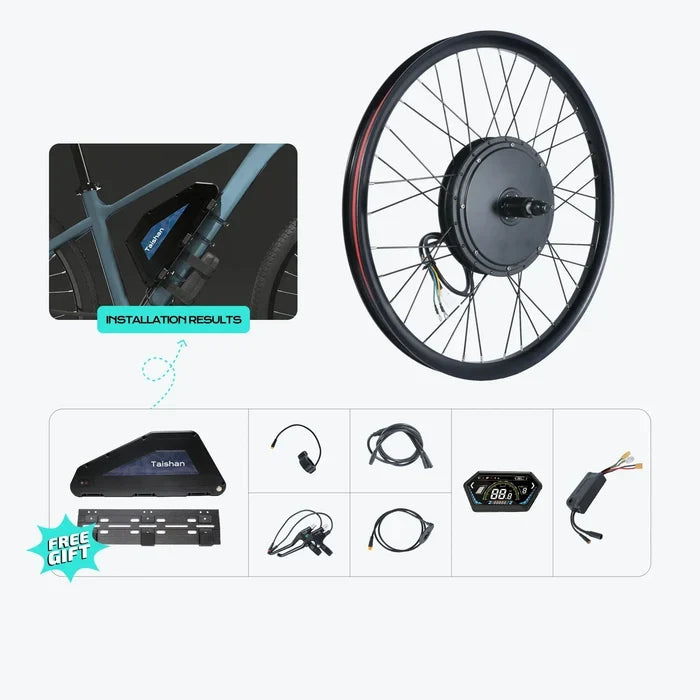
Best Overall Commuter: 48V 750W-1000W System
![]()

Why It Excels:
The 48V 750W-1000W rear-wheel configuration delivers optimal commuter balance:
Complete System Specifications:
Motor Options:
48V 750W SHENGYI (Hills Moderate):
- Power: 750W brushless geared
- Speed: 35-40 km/h
- Weight: 4.5kg
- Range: 40-60km typical
- Application: Most commuters
48V 1000W Direct-Drive (Hills Serious):
- Power: 1000W brushless
- Speed: 45-50 km/h
- Weight: 4-6.2kg
- Range: 35-50km typical
- Application: Challenging terrain
Battery Configuration:
- Capacity: 48V 16-20Ah options
- Cells: LG branded premium
- Range: 35-60km depending on capacity
- Cycles: 1000+ lifespan
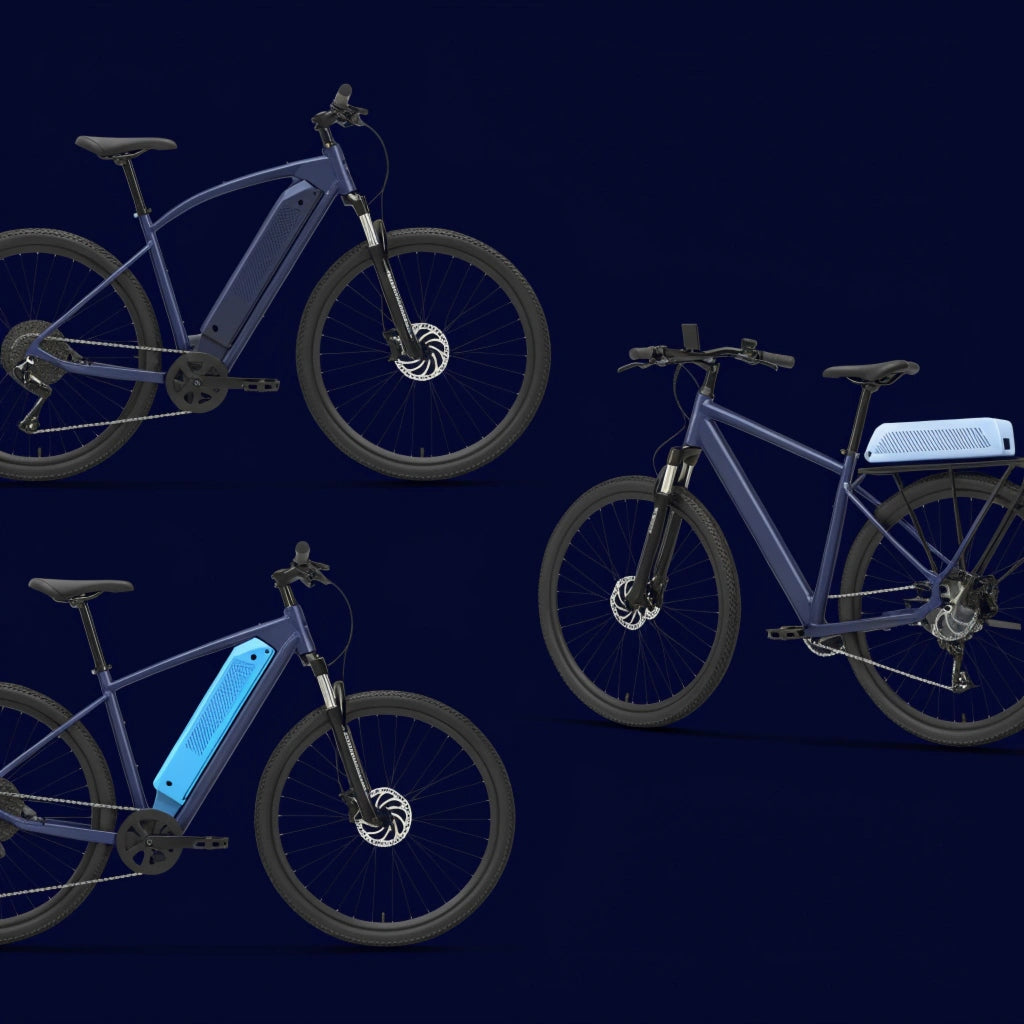
- Mounting: Down tube secure
- Lock: Integrated security
Commuter Features:
- Reliable daily transportation
- Adequate power all terrain
- Weather resistance IP65
- Quality construction
- 1-year warranty
- Responsive support
Ideal Commuter Profile:
- 10-20km daily commute
- Mixed flat and hills
- Year-round reliability needed
- Versatile capability wanted
- Quality valued
- Budget reasonable
Best Budget Commuter: 500W-750W MTX System
![]()

Why It Excels:
Exceptional value delivering genuine capability at accessible investment:
Complete System Specifications:
Motor Details:
- Power: 500W-750W SHENGYI geared
- Type: Rear hub brushless
- Weight: 4.5kg
- Speed: 35-40 km/h
- Quality: Proven brand
- Reliability: Excellent track record
Battery Configuration:
- Capacity: 36V 13Ah or 48V 11.6-16Ah
- Cells: Quality branded
- Range: 40-60km typical
- Adequate for most commutes
- Budget-friendly
- Reliable performance
Value Proposition:
- Genuine quality components
- Proven reliability
- Adequate commuter power
- Reasonable investment
- Comprehensive warranty
- Excellent value
Ideal Commuter Profile:
- 8-15km daily commute
- Flat to moderate terrain
- Budget-conscious quality
- First conversion
- Reliable transportation needed
- Smart value priority
Best Legal Compliant: 36V-48V 250W System
Why It Excels:
Road-legal power with adequate assistance for flat commuting:
Complete System Specifications:
Motor Details:
- Power: 250W brushless geared
- Type: Front or rear hub
- Weight: 2.7kg (front), 4kg (rear)
- Speed: 25-30 km/h (legal limit)
- Legal: UK/EU compliant
- Insurance: Standard bicycle
Battery Configuration:
- Capacity: 36V 13Ah or 48V 11.6Ah
- Range: 30-50km depending on voltage
- Adequate flat commuting
- Legal compliance
- Efficient operation
Legal Benefits:
- No registration required
- No license needed
- Bicycle insurance adequate
- Cycle path legal
- Complete compliance
- Peace of mind
Ideal Commuter Profile:
- Flat urban terrain
- Legal compliance critical
- 5-15km daily commute
- Insurance concerns
- First e-bike experience
- Law-abiding priority
Best Performance Commuter: 52V 2000W System
Why It Excels:
Serious power for challenging commutes and performance priority:
Complete System Specifications:
Motor Details:
- Power: 52V 2000W brushless
- Type: MTX rim rear hub
- Weight: 5.1-5.3kg
- Speed: 50-60 km/h capability
- Torque: Exceptional climbing
- Quality: Premium components
Battery Configuration:
- Capacity: 52V 20-30Ah options
- Cells: LG 21700 high-discharge
- Range: 40-80km depending on capacity
- Voltage: Superior under load
- Performance: Sustained power
- Professional-grade
Performance Benefits:
- Steep hills conquered
- Quick commute times
- Heavy load capability
- Future-proof power
- Professional performance
Ideal Commuter Profile:
- 15-30km hilly commute
- Steep sustained grades
- Speed priority
- Performance valued
- Quality investment
- Serious capability needed
Commuter Conversion Comparison Table
|
Kit Type
|
Power
|
Battery
|
Speed
|
Range
|
Best For
|
Key Advantage
|
|
Budget Legal
|
250W
|
36V 13Ah
|
25-30 km/h
|
30-40km
|
Flat 5-15km
|
Legal compliance
|
|
Budget Value
|
500-750W
|
36-48V 13-16Ah
|
35-40 km/h
|
40-60km
|
Moderate 8-15km
|
Excellent value
|
|
Best Overall
|
750-1000W
|
48V 16-20Ah
|
35-50 km/h
|
35-60km
|
Varied 10-20km
|
Versatile capability
|
|
Performance
|
2000W
|
52V 20-30Ah
|
50-60 km/h
|
40-80km
|
Hilly 15-30km
|
Maximum power
|
Commute-Specific Considerations
Workplace Charging Options
Battery Management Strategies:
Workplace Charging Available:
- Smaller battery adequate (save weight)
- 48V 11.6-13Ah sufficient
- Charge at work daily
- Lighter bike preferred
- Cost savings significant
No Workplace Charging:
- Larger battery essential
- 48V 16-20Ah minimum
- Full day plus buffer needed
- Investment in capacity critical
- Range anxiety eliminated
Charging Logistics:
- Removable battery essential
- Office desk charging possible
- Secure storage needed
- 2-8 hour charging typical
- Standard outlet adequate
Secure Storage Requirements
Work Parking Considerations:
Secure Indoor Storage:
- Any kit suitable
- Battery removal optional
- Theft concerns minimal
- Standard lock adequate
- Ideal situation
Outdoor Unsecured:
- Premium locks mandatory (£50+ investment)
- Battery removal essential
- Display removal considered
- Insurance recommended
- Theft risk significant
Public Bike Racks:
- Remove battery always
- Remove display if possible
- Heavy-duty D-lock + cable
- Insurance strongly recommended
- Risk assessment critical
Weather and Seasonal Factors
Year-Round Commuting:
Winter Considerations:
- Battery capacity reduces (20-30% cold)
- Oversized battery compensates
- Indoor storage overnight ideal
- Charge after arrival (warm battery)
- Fenders absolutely essential
- Lighting critical (dark mornings)
Summer Benefits:
- Maximum battery efficiency
- Extended range achieved
- Comfortable riding
- Quick drying after rain
- Optimal performance
Wet Weather:
- IP65+ waterproofing essential
- Fenders prevent spray
- Quality rain gear needed
- Traction awareness important
- Brake performance checked
Maximizing Commuter Performance
Route Optimization
Commute Planning Strategies:
Route Selection:
- Dedicated cycle paths preferred
- Quieter roads chosen
- Hill avoidance if possible
- Traffic reduction priority
- Safety over speed
- Consistent route learned
Assist Level Management:
- Lower levels flat sections
- Higher levels hills only
- Traffic acceleration higher
- Open road lower assist
- Range optimization
- Battery efficiency maximized
Multi-Modal Integration
Combined Transportation:
Train/Bus + E-Bike:
- Folding bikes ideal (convertible)
- Lightweight priority
- Quick battery removal
- Compact configuration
- Versatile commuting
- Weather backup available
Park and Ride:
- Drive to station
- E-bike final leg
- Parking costs saved
- Traffic avoided
- Flexible approach
- Weather management
Conclusion
E-bike conversion for urban commuting delivers exceptional value through reliable daily transportation, significant cost savings, exercise benefits, weather independence, and parking simplicity—but optimal kit selection requires matching power (500-1000W ideal for most), range (2.5x daily commute minimum), and features (weather resistance, battery security, lighting) to your specific commute characteristics rather than theoretical maximums. The mid motor electric conversion kit and hub motor options serve different priorities, with 48V 750W-1000W rear hub systems delivering optimal commuter balance for most urban riders.
Ready to transform your daily commute through proven e-bike advantages? Explore the complete electric bike kit battery range including commuter-optimized systems with detailed specifications, range calculations, feature comparisons, and expert guidance ensuring your conversion delivers years of reliable, economical, enjoyable daily transportation regardless of distance, terrain, or weather conditions facing urban commuters.
Frequently Asked Questions
What power level e-bike conversion kit do I need for daily commuting?
Match power to terrain: 250-500W adequate for flat urban commuting (25-35km/h), 750-1000W ideal for rolling hills and varied terrain (35-50km/h, most popular), 1000-2000W for steep sustained grades or long distances (45-60km/h).
How do I calculate what battery capacity I need for my commute?
Calculate minimum range as 2.5x your round-trip commute distance for adequate buffer: 10km daily commute needs 25km+ range (36V 13Ah adequate), 20km needs 50km+ range (48V 16Ah ideal), 30km needs 75km+ range (52V 20Ah recommended).
Can I charge my e-bike battery at work?
Yes, removable batteries charge from standard outlets in 2-8 hours depending on capacity and charger.
Is e-bike conversion reliable enough for daily commuting?
Absolutely—quality systems with LG/Samsung batteries, brushless motors, and IP65+ waterproofing deliver years of reliable daily transportation with minimal maintenance.
How much money will I save commuting by e-bike vs driving?
Typical savings substantial: eliminate fuel costs (£150-300+ monthly depending on distance), avoid parking fees (£50-200+ monthly urban areas), reduce vehicle maintenance and insurance, improve health reducing medical costs.
: invalid url input)
usmile
Liquid error (snippets/blog-best-product line 36): product form must be given a product
Liquid error (snippets/blog-best-product line 59): product form must be given a product