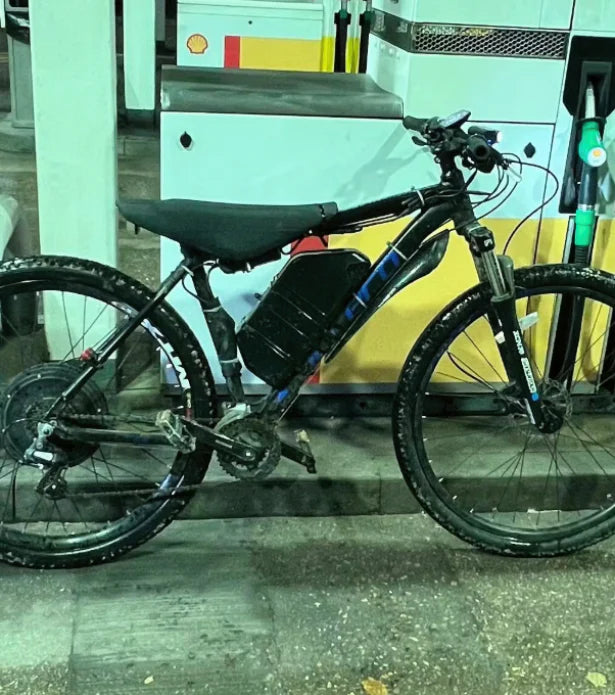
De ombouw van een fatbike naar e-bike levert ongeëvenaarde terreincapaciteiten, uitzonderlijke tractie op uitdagende ondergronden, het hele jaar door veelzijdigheid om te rijden en toegang tot avonturen op stranden, sneeuwpaden, modder en losse terreinen die met standaardfietsen onmogelijk zijn – maar voor de keuze van optimale kits moeten krachtige motoren, voldoende accucapaciteit, geschikte motorplaatsing en fatbike-specifieke componenten worden afgestemd op extreme rijomstandigheden en unieke framegeometrie.
Hoewel de beste ebike kit-opties diverse fietsapplicaties dienen, bepaalt het begrijpen welke configuraties uitblinken voor fatbikes versus standaardwieltoepassingen of uw ombouw zandduinen en sneeuwpaden overwint of teleurstelt door onvoldoende vermogen en incompatibele componenten.
Deze uitgebreide gids onderzoekt top ombouwkits voor fatbikes, benodigde vermogen voor uitdagende ondergronden, installatieoverwegingen, seizoensgebonden rijstrategieën en componentenselectie, zodat uw fatbike-ombouw professionele terreinprestaties levert onder de meest veeleisende rijomstandigheden.
Waarom fatbikes gespecialiseerde ombouwkits nodig hebben

Het begrijpen van de unieke vereisten van fatbikes zorgt voor de juiste kitselectie en optimale terreinprestaties.
Kenmerken van fatbikes
Wat fatbikes anders maakt:
Bandafmetingen:
- Breedte: typisch 3.8" tot 5.0+ inch
- Volume: 3-4x standaard MTB-band
- Druk: 5-15 PSI (vs 30-40 PSI standaard)
- Contactvlak: Enorm oppervlak
- Drijfvermogen: Capaciteit voor sneeuw, zand, modder
Framegeometrie:
- Bredere achterpatten (170-197 mm vs 135-142 mm)
- Bredere voorvorken (135-150 mm vs 100 mm)
- Grotere bandenvrijheid
- Verstevigde frameconstructie
- Zwaarder totaalgewicht
Rijomstandigheden:
- Sneeuwbedekte paden
- Rijden op strandzand
- Modderig, los terrein
- Rotsachtige technische paden
- All-season capaciteit
- Extreme weersomstandigheden
Vermogensvereisten voor fatbikes
Waarom fatbikes meer vermogen nodig hebben:
Verhoogde rolweerstand:
- Bredere banden = meer contactoppervlak
- Zachte ondergronden vereisen continu vermogen
- Zand en sneeuw zijn bijzonder uitdagend
- Modder creëert zuigweerstand
- 30-50% meer vermogen nodig vs standaard
- Batterijverbruik significant hoger
Gewichtsoverwegingen:
- Fatbike frame: 2-3 kg zwaarder
- Banden en wielen: 2-4 kg extra
- Totaal fietsgewicht: typisch 18-22 kg
- Rider plus uitrusting: Significant
- Motor moet totale belasting aankunnen
- Klimvermogen cruciaal
Minimale vermogensaanbevelingen:
Licht gebruik (geprepareerde paden):
- Vermogen: minimaal 750-1000W
- Toepassing: Aangestampte sneeuw, stevig zand
- Prestaties: Voldoende ondersteuning
- Accu: 48V 16-20Ah
Gemiddeld gebruik (variabele omstandigheden):
- Vermogen: 1000-1500W aanbevolen
- Toepassing: Verse sneeuw, los zand
- Prestaties: Zelfverzekerde capaciteit
- Accu: 52V 20Ah ideaal
Agressief gebruik (extreem terrein):
- Vermogen: 1500-2000W+ vereist
- Toepassing: Diepe sneeuw, zacht zand
- Prestaties: Onverslaanbaar
- Accu: 52V 20-30Ah essentieel
Fatbike-specifieke componentvereisten
Motorcompatibiliteit:
Dropout-breedte kritiek:
- Achterpatten: 170-197mm (vs 135-142mm standaard)
- Voorpatten: 135-150mm (vs 100mm standaard)
- Motoras moet exact overeenkomen
- Afstandhouders beschikbaar voor sommige toepassingen
- Controleer compatibiliteit vóór aankoop
Opties wielmaat:
- 20" fatbikebanden (vouw-fatbikes)
- 24" fatbikebanden (compacte modellen)
- 26" fatbikebanden (meest voorkomend)
- 27,5"+ (nieuwere standaard)
- 29"+ (zeldzaam, gespecialiseerd)
Aanbevelingen voor top ombouwkits voor fatbikes
Beste algehele fatbike: 1500W-2000W Fat Wheel Systeem

Waarom het uitblinkt:
Speciaal gebouwd voor fatbike-toepassingen met passend vermogen en compatibiliteit:
Volledige systeemspecificaties:
Motorconfiguratie:
- Vermogen: 1500W-2000W borstelloze directe aandrijving
- Type: Fatbike-specifieke achternaaf
- Dropout-breedte: 170-190mm compatibel
- Motorgewicht: 5.1-5.3 kg
- Constructie: Heavy-duty afgedichte lagers
- Waterdichtheid: IP65 weerbestendigheid
Waarom perfect voor fatbikes:
- Voldoende vermogen op zachte ondergronden (1500-2000W)
- Compatibiliteit met fatbike-dropouts
- Geschikt voor zware belasting
- Betrouwbaar continu vermogen
- Weerbestendige constructie
- Bewezen fatbike prestaties
Batterijconfiguratie:
- Capaciteit: 52V 20Ah LG cellen
- Bereik: 40-60 km gemengd terrein
- Prestaties: Continue stroomlevering
- Kwaliteit: Premium constructie
- Bevestiging: Veilige onderbuismontage
- Slot: Geïntegreerde beveiliging
Prestatiecapaciteiten:
- Snelheid: maximaal 50-60 km/u
- Sneeuw: overwint gepakte en verse sneeuw
- Zand: rijdt vol vertrouwen over strandterrein
- Modder: rijdt er consistent doorheen
- Heuvels: serieuze klimcapaciteit
- Belasting: zware berijder plus uitrusting
Installatieoverwegingen:
- Tijd: typisch 20-25 minuten
- Torquearmen: verplicht aan beide zijden
- Dropout: controleer breedte overeenkomst
- Cassette: overzetten vereist
- Complexiteit: matig
- Remupgrade: aanbevolen
Ideale fatbike rijder:
- Het hele jaar door rijden
- Focus op sneeuw en zand
- Serieuze capaciteit nodig
- Kwaliteitsinvestering
- Prioriteit voor avontuur
- Veelzijdig gebruik
Beste extreme fatbike: 52V-60V 2500W-3000W Systeem

Waarom het uitblinkt:
Maximaal vermogen voor extreme omstandigheden en zware belastingen:
Volledige systeemspecificaties:
Motoropties:
60V 2500W-3000W Configuratie:
- Vermogen: 2500-3000W borstelloos
- Snelheid: 75-85 km/u capaciteit
- Gewicht: 6,8 kg heavy-duty
- Koppel: Onoverwinnelijk in diepe sneeuw/zand
- Constructie: Professionele kwaliteit
- Toepassing: Extreme omstandigheden
Batterijconfiguratie:
- Capaciteit: 60V 20Ah premium cellen
- Bereik: 40-80 km agressief terrein
- Prestaties: Maximale continue stroom
- Kwaliteit: Militaire constructie
- Spanning: Superieur onder extreme belasting
Extreme prestaties:
- Diepe poedersneeuw: Overwonnen
- Zacht strandzand: Gedomineerd
- Zware ladingen: Moeiteloos vervoerd
- Steile hellingen: Krachtig beklommen
- Snelheid: Uitzonderlijke capaciteit
- Tractie: Ruw vermogensvoordeel
Rechtvaardiging van de investering:
- Focus op extreem terrein
- Professioneel gebruik
- Maximale capaciteit
- Het hele jaar door veelzijdigheid
- Ultieme prestaties
Ideale extreme gebruiker:
- Regelmatig in diepe sneeuw
- Zachte zandstranden
- Zwaar vrachtvervoer
- Professioneel gebruik
- Prioriteit voor maximaal vermogen
- Ultieme capaciteit
Beste budget fatbike: 48V 1000W Systeem
Waarom het uitblinkt:
Voldoende capaciteit tegen een toegankelijke investering voor matig fatbiken:
Volledige systeemspecificaties:
Motordetails:
- Vermogen: 48V 1000W borstelloos
- Type: Standaard naafmotor
- Aanpassing: Met afstandhouders voor sommige fatbikes
- Snelheid: 45-50 km/u
- Gewicht: 4-6 kg
- Kwaliteit: Bewezen betrouwbaarheid
Batterijconfiguratie:
- Capaciteit: 48V 16Ah LG cellen
- Bereik: 35-50 km matige omstandigheden
- Prestaties: Voldoende ondersteuning
- Investering: Budgetbewust
Prestatiebeperkingen:
- Voldoende gepakte sneeuw/stevig zand
- Moeizaam in diepe zachte omstandigheden
- Geschikt voor matig terrein
- Budgetvriendelijke instap
- Redelijke capaciteit
Compatibiliteitsopmerking:
- Mogelijk zijn dropout-spacers nodig
- Controleer de breedtecompatibiliteit
- Niet alle fatbikes zijn compatibel
- Controleer voor aankoop
- Professioneel advies is nuttig
Ideale budgetgebruiker:
- Eerste fatbike-conversie
- Middelzwaar terrein
- Af en toe extreme omstandigheden
- Budget prioriteit
- Instapmodel e-fatbike
Vergelijkingstabel voor Fat Tire Conversie
|
Type kit
|
Vermogen
|
Dropout-breedte
|
Beste omstandigheden
|
Belangrijkste voordeel
|
Batterij
|
Bereik
|
|
Budget 1000W
|
1000W
|
Aanpassen met spacers
|
Gepakte sneeuw, stevig zand
|
Instapkosten
|
48V 16Ah
|
35-50km
|
|
Fat-specifiek 1500-2000W
|
1500-2000W
|
170-190 mm native
|
Alle omstandigheden
|
Speciaal gebouwd
|
52V 20Ah
|
40-60km
|
|
Extreem 2500-3000W
|
2500-3000W
|
170-190 mm native
|
Diepe sneeuw, zacht zand
|
Maximaal vermogen
|
60V 20Ah
|
40-80km
|
Overwegingen bij de installatie van Fatbikes
Controle van Dropout-breedte
Kritische Compatibiliteitsstap:
Uw Fatbike Meten:
Meting Achterpatten:
- Meet de interne framebreedte
- Gangbare maten: 170 mm, 177 mm, 190 mm, 197 mm
- Moet exact overeenkomen met de motoras
- Spacers beschikbaar voor sommige openingen
- Controleer voor aankoop
Motorcompatibiliteit:
- 170 mm: Standaard voor fatbikes
- 190 mm: Gangbaar bij moderne fatbikes
- 197 mm: Brede fatbike (Surly, etc.)
- Spacer-kits: Beschikbaar voor aanpassing
- Custom builds: Mogelijk voor extreme breedtes
Vereisten voor koppelarm
Verplicht voor fatbikes:
De verhoogde belasting van fatbikes vereist koppelarmen:
Specificaties koppelarm:
- 1000W: minimaal één koppelarm
- 1500-2000W: twee koppelarmen verplicht
- 2500W+: Heavy-duty aan beide zijden vereist
- Aluminium frames: Gebruik altijd koppelarmen
- Geen uitzonderingen: Veiligheid cruciaal
Installatie:
- Bevestigen aan frame-uitvaleinde
- Juist aanhaalmoment: 15-20 Nm
- Beide zijden hoog vermogen
- Regelmatige inspectie
- Geen beweging toegestaan
Vereisten Remsysteem
Essentiële upgrades:
De hogere snelheden en gewichten van fatbikes vereisen krachtige remmen:
Minimale vereisten:
- 1000-1500W: Hydraulische schijf verplicht
- 1500W+: Hoogwaardige hydrauliek essentieel
- 2000W+: Premium remmen vereist
- Upgrade vóór het rijden
- 180-203 mm schijven aanbevolen
Seizoensgebonden Rijstrategieën
Winter sneeuw rijden
Optimaliseren voor sneeuw:
Bandenspanning:
- Diepe poedersneeuw: 5-7 PSI
- Gepakte paden: 8-12 PSI
- IJzige omstandigheden: 10-15 PSI
- Lager = betere flotatie
- Experimenteer voor omstandigheden
Energiebeheer:
- Gebruik hogere ondersteuningsniveaus
- Anticipeer op weerstand
- Vloeiende vermogensafgifte
- Hoog batterijverbruik
- Kou vermindert capaciteit met 20-30%
Batterijonderhoud:
- Nachttemperatuur opslaan
- Warme batterij plaatsen
- Onmiddellijk na de rit opladen
- Vermijd extreme koude opslag
- Capaciteitscontrole
Maximaliseren van Fat Bike E-Prestaties
Bereikoptimalisatie
Realistische verwachtingen:
Factoren die het bereik verminderen:
- Zachte ondergronden: 40-60% reductie versus verharde weg
- Koud weer: extra 20-30% reductie
- Windweerstand: aanzienlijke impact
- Rijdergewicht plus uitrusting: cruciaal
- Bandenspanning: beïnvloedt de efficiëntie
Typisch realistisch bereik:
48V 16Ah Systeem:
- Bestrating: 50km potentieel
- Gepakte sneeuw/stevig zand: 30-35km
- Zachte sneeuw/los zand: 20-25km
- Diepe omstandigheden: 15-20km
52V 20Ah Systeem:
- Bestrating: 60-70km potentieel
- Gepakte omstandigheden: 40-50km
- Matige omstandigheden: 30-40km
- Extreme omstandigheden: 25-30km
52V 30Ah Systeem:
- Bestrating: 80-100km potentieel
- Gepakte omstandigheden: 60-70km
- Matige omstandigheden: 45-55km
- Extreme omstandigheden: 35-45km
Bandenselectie en -druk
Optimalisatie:
Bandkeuze:
- Agressief profiel: Losse ondergronden
- Matig profiel: Gemengde omstandigheden
- Minimaal profiel: Gepakte ondergronden
- Met noppen: IJs en harde ondergrond
- Kwaliteitsconstructie essentieel
Richtlijnen voor bandenspanning:
- Begin laag (5-7 PSI)
- Verhoog bij doorslaan
- Verlaag bij slechte flotatie
- Test en pas aan
- Omstandigheden variëren dramatisch
Rijtechniek
Efficiëntiestrategieën:
Toepassing van vermogen:
- Vloeiend gas/ondersteuning gebruiken
- Anticipeer op veranderingen in weerstand
- Behoud momentum
- Lichaamspositie naar voren bij zachte ondergronden
- Gewichtsverdeling cruciaal
Batterijbesparing:
- Lagere ondersteuning indien mogelijk
- Handhaaf een gelijkmatig tempo
- Vermijd overmatige snelheid
- Plan de route zorgvuldig
- Constant monitoren
Beslissingskader voor Fat Tire-selectie
Kies een 1500-2000W systeem als:
Evenwichtige vereisten: ✓ Regelmatig sneeuw- en zandrijden ✓ Matig tot agressief terrein ✓ Jaarrond veelzijdigheid gewenst ✓ Kwaliteitsinvestering acceptabel ✓ Serieuze capaciteit nodig ✓ De meeste fatbike-rijders
Kies 2500-3000W systeem indien:
Extreme eisen: ✓ Regelmatig diepe poedersneeuw ✓ Primair zacht strandzand ✓ Vaak zware ladingen ✓ Professioneel gebruik ✓ Maximale capaciteit prioriteit ✓ Ultieme prestaties
Kies 1000W systeem indien:
Instapvereisten: ✓ Budget prioriteit ✓ Voornamelijk matige omstandigheden ✓ Af en toe extreem terrein ✓ Eerste fatbike-conversie ✓ Ontdekking op instapniveau
Conclusie
De conversie van een fatbike naar een e-bike biedt een transformerende all-terrain capaciteit, veelzijdigheid het hele jaar door, toegang tot sneeuw en zand, en avontuurlijke mogelijkheden die met standaardfietsen onmogelijk zijn. De optimale kitselectie vereist echter een adequate vermogensafstemming (minimaal 1500-2000W voor serieus gebruik, 2500-3000W voor extreme omstandigheden), fatbike-specifieke dropout-compatibiliteit (170-197 mm) en een geschikte batterijcapaciteit om de uitdagende oppervlakteweerstand, seizoensgebonden weersvariaties en verhoogd gewicht aan te kunnen.
Klaar om zand en sneeuw te overwinnen met bewezen fatbike e-conversie? Ontdek het complete elektrische fiets kit batterij assortiment, inclusief geoptimaliseerde systemen voor fatbikes met gedetailleerde specificaties, richtlijnen voor dropout-compatibiliteit, vermogensaanbevelingen en deskundige ondersteuning die ervoor zorgen dat uw conversie de uitzonderlijke all-terrain prestaties, betrouwbare werking en avontuurlijke mogelijkheden biedt die alleen correcte fatbike e-conversies leveren onder de meest uitdagende rijomstandigheden.
Veelgestelde vragen
Welk vermogensniveau e-bike conversiekit heb ik nodig voor fatbikes?
Fatbikes hebben aanzienlijk meer vermogen nodig dan standaardfietsen: minimaal 1000-1500W voor harde sneeuw en stevig zand, 1500-2000W aanbevolen voor variabele omstandigheden en gebruik het hele jaar door, 2500-3000W voor diepe poedersneeuw en zacht strandzand.
Passen standaard e-bike ombouwsets op fatbikes?
De meeste standaardkits vereisen aanpassing: fatbikes gebruiken 170-197 mm achternaven versus 135-142 mm standaard, wat specifieke fatbike-motoren of aanpassing met spacers vereist.
Hoeveel vermindert de ombouw van een fatbike naar een e-bike de actieradius van de batterij?
Zachte ondergronden verminderen de actieradius drastisch: harde sneeuw/stevig zand vermindert de actieradius met 30-40% ten opzichte van verharde wegen, diepe zachte sneeuw/los zand vermindert met 50-60%, koud weer vermindert bovendien met 20-30%.
Heb ik een torsiearm nodig voor de ombouw van een fatbike naar een e-bike?
Absoluut verplicht voor de veiligheid: het verhoogde gewicht en de weerstand van fatbikes creëren enorme torsie op de dropouts. Gebruik minimaal één torsiearm voor 1000-1500W, twee verplicht aan beide zijden voor 1500W+, heavy-duty type voor 2500W+ systemen.
Welke bandenspanning moet ik gebruiken voor een e-fatbike op sneeuw en zand?
Optimaliseer de druk voor de omstandigheden: diepe poedersneeuw 5-7 PSI, gepakte sneeuwpaden 8-12 PSI, zacht droog strandzand 5-8 PSI, stevig nat zand 10-12 PSI. Lagere druk verhoogt het drijfvermogen, waardoor wegzakken wordt voorkomen, maar riskeert velgschade bij obstakels.