Dagelijks pendelen met een e-bike vereist betrouwbaarheid. Je accu voorziet elke rit van stroom, en het verwaarlozen van het onderhoud betekent het risico op onverwachte storingen tijdens je ochtendrit naar het werk of je avondrit naar huis.
In tegenstelling tot recreatieve fietsers in het weekend die incidentele problemen kunnen tolereren, hebben forensen behoefte aan consistente prestaties – elke dag. Correct onderhoud van e-bike accu's is niet complex, maar vereist consistentie.
Het verschil tussen een accu die drie jaar meegaat en een die vijf jaar meegaat, komt vaak neer op eenvoudige dagelijkse gewoonten en periodieke controles. Voor rijders die dagelijks 20-30 mijl afleggen op hun KirbEbike conversies, hebben deze praktijken een directe invloed op de totale eigendomskosten en de betrouwbaarheid van het pendelen.
Deze uitgebreide onderhoudschecklist omvat alles wat dagelijkse forensen moeten weten – van inspecties vóór de rit tot opslagpraktijken op lange termijn. Volg deze richtlijnen en uw accu levert betrouwbare service gedurende zijn hele beoogde levensduur.
Dagelijkse onderhoudsroutine: Voor elke rit
![]()

Snelle visuele inspectie (30 seconden)
Bestede voor elke rit een halve minuut aan het controleren van de accu en de aansluitingen.
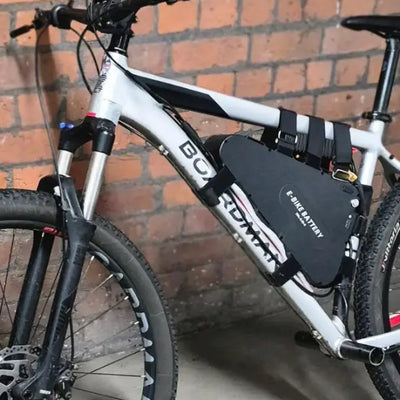
Controleer op duidelijke problemen:
- Accu stevig vergrendeld in de houder (test met zachtjes omhoog trekken)
- Geen zichtbare scheuren, deuken of zwelling op de accubehuizing
- Aansluiting stevig vast met geen zichtbare openingen
- Geen vocht of vuil in de aansluitpunten
- Display gaat normaal aan wanneer geactiveerd
Een KirbEbike-forens meldt dat hij tijdens zijn pre-ritcontrole een losse connector heeft opgemerkt – een inspectie van 30 seconden die voorkwam dat hij 6 km van huis gestrand raakte met een enorme heuvel tussen hem en het treinstation.
Controleer het laadniveau
Controleer het accupercentage voordat u vertrekt, vooral als u 's nachts niet hebt opgeladen.
Richtlijnen voor laadbeoordeling:
- 80-100%: Voldoende voor de meeste ritten met marge
- 60-79%: Geschikt voor directe ritten, minimale omwegen
- 40-59%: Risicovol voor langere ritten, overweeg opladen
- Minder dan 40%: Opladen voor het rijden, tenzij de rit erg kort is
Veel rijders ontwikkelen een intuïtie over hun specifieke reisbehoeften. Een heuvelachtige rit van 23 km heeft misschien 25-30% accu nodig, terwijl een vlakke route van 15 km slechts 15-20% verbruikt. Ken uw basisverbruik.
Onderzoek van aansluitpunten
Wekelijkse diepgaande inspectie van verbindingen:
- Verwijder de accu en inspecteer zowel de accu- als de fietsaansluitingen
- Zoek naar corrosie (groene/witte afzettingen op metalen contacten)
- Controleer op verbogen of beschadigde pinnen
- Veeg contacten af met een droge doek om stof en vuil te verwijderen
- Zorg ervoor dat rubberen pakkingen (indien aanwezig) intact blijven
Corrosie op connectoren verhoogt de weerstand, wat warmte genereert en de efficiëntie vermindert. Vroege detectie voorkomt blijvende schade.
Wekelijkse onderhoudstaken
Uitgebreid reinigingsprotocol
Reiniging van de buitenkant van de batterij (elke 7-10 dagen):
- Verwijder de accu van de fiets
- Veeg de behuizing af met een licht vochtige doek (niet druipend nat)
- Maak de connector schoon met een droge doek of perslucht
- Inspecteer de montagerails op vuilophoping
- Grondig drogen voor het opnieuw installeren
Spuit nooit met een hogedrukreiniger op accu's en dompel ze niet onder. Hoewel moderne accu's een IP65+-classificatie hebben, kan langdurige blootstelling aan water of hogedrukstralen de afdichtingen aantasten.
Controle van bevestigingsmateriaal
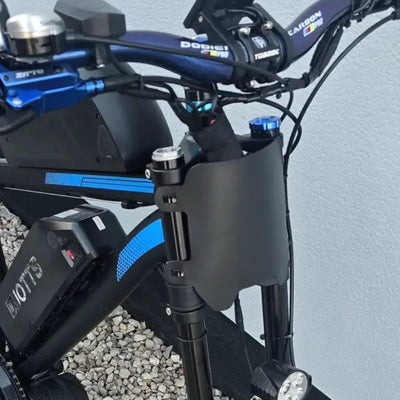
Accumontagesystemen worden constant blootgesteld aan trillingsstress.
Inspecteer de montageonderdelen:
- Draai losse bevestigingsbouten of schroeven aan
- Controleer op scheuren in de montagebeugel
- Controleer of het vergrendelingsmechanisme volledig inschakelt
- Test of de accu niet rammelt of verschuift wanneer deze is vastgezet
- Controleer eventueel rubberen dempingsmateriaal op degradatie
Losse accu's lijden aan versnelde slijtage van de aansluitpunten en behuizingen. Een veilige bevestiging beschermt uw investering.
Prestatiebewaking
Volg basisprestatiestatistieken om degradatie vroegtijdig te identificeren.
Leg wekelijkse waarnemingen vast:
- Geschatte actieradius behaald op typische rit
- Resterend percentage na standaardrit
- Eventuele ongebruikelijke spanningsdalingen onder belasting (display controleren)
- Oplaadtijd van typisch ontladingsniveau tot vol
Geleidelijke veranderingen zijn normaal, maar plotselinge prestatiedalingen duiden op problemen die onderzoek vereisen.
Opladen Beste Praktijken voor Forenzen
![]()

Optimaal oplaadschema
Dagelijkse forensen staan voor een keuze: na elke rit opladen of wachten tot de accu tot een bepaald niveau is gedaald.
Aanbevolen aanpak voor de meeste forensen:
- Laad na elke rit op als u 30% of meer verbruikt
- Voor korte ritten die <20% per rit verbruiken, laad elke 2-3 dagen op
- Houd de lading tussen 20-80% voor maximale levensduur
- Vermijd dat de accu langdurig op 100% blijft staan
De 48V 16Ah middenmotor accu in veel KirbEbike-systemen kan dagelijkse oplaadcycli uitzonderlijk goed aan wanneer deze binnen het bereik van 20-80% wordt gehouden.
Oplaadomgeving is belangrijk
Ideale oplaadomstandigheden:
- Temperatuur: 10-25°C (vermijd extreme kou of hitte)
- Droge plaats uit de buurt van vochtbronnen
- Goed geventileerde ruimte (accu's genereren lichte warmte tijdens het opladen)
- Stabiele ondergrond waar lader en accu niet verstoord worden
- Uit de buurt van brandbare materialen (standaard elektrische veiligheid)
Omstandigheden die vermeden moeten worden:
- Opladen in direct zonlicht of hete auto's
- Opladen direct na een zware rit (laat de accu 15-30 minuten afkoelen)
- Vriestemperaturen (onder 0°C)
- Vochtige omgevingen zoals badkamers of onverwarmde garages in de winter
Oplader onderhoud en inspectie
Uw oplader vereist ook onderhoud.
Maandelijkse opladerinspectie:
- Controleer de stroomkabel op rafels of beschadigingen
- Controleer de connector op verbogen pinnen of corrosie
- Controleer of de LED-indicator correct functioneert
- Test of de oplader niet oververhit raakt tijdens normaal gebruik
- Zorg ervoor dat de ventilator (indien aanwezig) werkt en niet geblokkeerd is
Vervang beschadigde opladers onmiddellijk. Het gebruik van beschadigde opladers brengt schade aan de accu en veiligheidsrisico's met zich mee.
Langdurig opslagprotocol
Voorbereiding voor langdurige opslag
Voor rijders die pauzes nemen van het woon-werkverkeer — vakanties, seizoenswisselingen, blessures — behoudt een juiste opslag de gezondheid van de accu.
Stappen voor opslagvoorbereiding:
- Laad de accu op tot 50-60% (niet vol, niet leeg)
- Verwijder van de fiets en maak grondig schoon
- Bewaar op een koele, droge plaats (10-15°C ideaal)
- Controleer maandelijks de spanning en laad op als deze aanzienlijk is gedaald
- Vermijd het plaatsen van zware voorwerpen op de accu
Richtlijnen voor opslagduur:
- 1-4 weken: Minimale speciale voorbereiding nodig
- 1-3 maanden: Volg het volledige opslagprotocol, controleer tweewekelijks
- 3-6 maanden: Controleer wekelijks, houd 50-60% lading aan
- 6+ maanden: Overweeg om af en toe gedeeltelijk te gebruiken
Reactivatie na opslag
Checklist na opslag:
- Inspecteer de accu op eventuele schade die tijdens de opslag is ontstaan
- Laad op tot 80-100% voor het eerste gebruik
- Voer een initiële korte testrit uit om de normale werking te controleren
- Controleer de prestaties de eerste paar ritten nauwlettend
- Hervat het normale onderhoudsschema
Accu's die correct zijn opgeslagen, vertonen minimale degradatie, zelfs na maanden van inactiviteit.
Problemen oplossen bij veelvoorkomende forensenproblemen
Plotselinge afname van de actieradius
Mogelijke oorzaken en oplossingen:
|
Symptoom
|
Waarschijnlijke oorzaak
|
Oplossing
|
|
Geleidelijke afname van bereik gedurende maanden
|
Normale veroudering
|
Blijven gebruiken; plannen voor eventuele vervanging
|
|
Plotselinge daling van het bereik met 30%+
|
Verbindingsweerstand of celonbalans
|
Verbindingen reinigen; kalibratiecyclus uitvoeren
|
|
Bereik daalt bij koud weer
|
Temperatuureffect op chemie
|
Normaal; accu warm bewaren indien mogelijk
|
|
Bereik daalt bij spanningsdip onder belasting
|
Versleten cellen of BMS-problemen
|
Professionele diagnose aanbevolen
|
Oplaadproblemen
Veelvoorkomende oplaadproblemen:
Accu laadt niet op (geen LED op oplader):
- Controleer of het stopcontact werkt
- Controleer de aansluitingen van de oplader
- Inspecteer de oplader op schade
- Test een ander stopcontact
Laadt erg langzaam op:
- Normaal bij gebruik van een lader met laag ampèrage (2A duurt 8-10 uur)
- Reinig de aansluitpunten
- Controleer of de specificaties van de lader overeenkomen met de accu
Haalt geen 100%:
- Capaciteitsdegradatie is normaal na honderden cycli
- BMS kan het opladen beperken om verouderde cellen te beschermen
- Overweeg vervanging als de capaciteit onacceptabel is
Verbindingsproblemen
Intermitterende stroom of foutmeldingen:
- Verwijder en plaats de accu stevig terug
- Reinig alle aansluitpunten grondig
- Controleer op verbogen pinnen of beschadigde connectoren
- Controleer bedrading op breuken of losse verbindingen
- Test met multimeter indien comfortabel (controleer op aanwezige spanning)
Veelgestelde Vragen
Hoe vaak moet ik de accu van mijn forenzen-e-bike opladen?
Voor dagelijkse ritten waarbij 30% of meer van de capaciteit wordt verbruikt, laad je na elke rit op. Kortere ritten waarbij minder dan 20% wordt verbruikt, kunnen elke 2-3 dagen worden opgeladen. Houd de lading tussen 20-80% voor een optimale levensduur en laad altijd op na ritten waarbij de lading onder de 20% komt.
Kan ik mijn accu 's nachts aan de oplader laten?
Moderne laders met automatische uitschakeling maken 's nachts opladen veilig, maar het is het beste om de stekker er binnen een paar uur na voltooiing uit te halen. Het langdurig opslaan van accu's met 100% lading versnelt de degradatie – laad de avond voor je rit op in plaats van dagen van tevoren.
Moet ik mijn accu dagelijks verwijderen of op de fiets laten zitten?
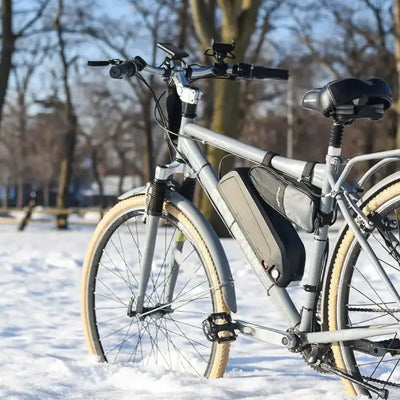
Voor rijders die fietsen in temperatuurgecontroleerde ruimtes stallen, werken beide benaderingen. Dagelijks verwijderen en binnenshuis opslaan is echter essentieel in de wintermaanden en verlengt de levensduur van de accu door bescherming tegen extreme temperaturen en diefstal. Het kost 10 seconden en geeft gemoedsrust.
Hoe weet ik of mijn accu vervangen moet worden?
Vervang wanneer de capaciteit onder de 70% van de oorspronkelijke prestaties daalt, wanneer het bereik niet langer voldoet aan uw forenzenbehoeften, of als u fysieke schade of zwelling opmerkt. De meeste forenzenaccu's moeten na 800-1200 volledige laadcycli worden vervangen, wat neerkomt op 3-5 jaar, afhankelijk van het gebruikspatroon.
Wat is de belangrijkste onderhoudstaak voor een lange levensduur van de accu?
Het vermijden van diepe ontladingen onder 20% en het beperken van de tijd die op 100% lading wordt doorgebracht, levert het grootste voordeel op voor de levensduur. Temperatuurbeheer komt op de tweede plaats – het beschermen van accu's tegen extreme hitte en kou verlengt de levensduur aanzienlijk. Deze twee factoren wegen zwaarder dan alle andere onderhoud samen.
Kan ik upgraden naar een accu met hogere capaciteit op mijn KirbEbike?
Ja, mits de spanning overeenkomt met uw systeem. Een 48V 20Ah accu kan een 48V 16Ah accu vervangen, wat een groter bereik biedt. Controleer of de fysieke afmetingen passen op uw montageplaats en of de connectortypes overeenkomen. Meng nooit spanningen – een 52V accu kan een 48V accu niet veilig vervangen.
Hoe moet ik mijn accu onderhouden tijdens een vakantie van twee weken?
Laad op tot 50-60%, verwijder uit de fiets en bewaar binnenshuis op een koele, droge plaats. Twee weken vereist geen extra aandacht – de accu behoudt de lading adequaat. Voor langere vakanties van meer dan een maand, controleer wekelijks de spanning en laad opnieuw op als deze significant daalt.
Conclusie
Dagelijks woon-werkverkeer vraagt om betrouwbare prestaties van uw e-bike accu. De hier beschreven onderhoudspraktijken – van dagelijkse controles van 30 seconden tot maandelijkse dieptereiniging – zorgen ervoor dat uw KirbEbike accu gedurende zijn hele levensduur consistent bereik en betrouwbaarheid levert.
Het verschil tussen een accu die u frustreert met voortijdige uitval en een die uw woon-werkverkeer 4-5 jaar lang betrouwbaar aandrijft, komt neer op consistente, eenvoudige onderhoudsgewoonten. Geen van deze praktijken vereist speciale vaardigheden of duur gereedschap – alleen aandacht en consistentie.
Voor rijders die hun woon-werkfiets willen ombouwen met kwaliteitscomponenten ondersteund door bewezen betrouwbaarheid, verkent u de complete KirbEbike ombouwkit collectie met accu's die ontworpen zijn voor langdurig dagelijks gebruik.
: invalid url input)
usmile
Liquid error (snippets/blog-best-product line 36): product form must be given a product
Liquid error (snippets/blog-best-product line 59): product form must be given a product