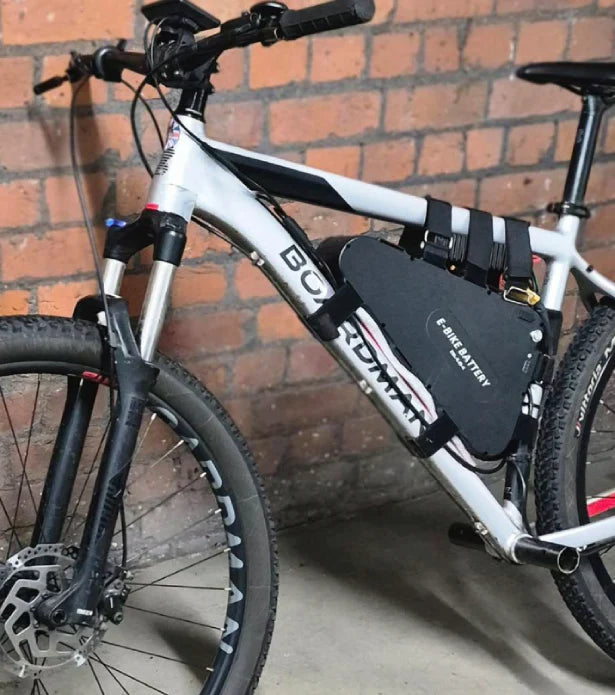
Je traditionele fiets ombouwen tot een elektrische krachtpatser klinkt spannend, maar voordat je die e-bike ombouwkit installeert, is het essentieel om het juridische landschap te begrijpen. De legaliteit van e-bike ombouwkits varieert aanzienlijk tussen het VK, de Europese Unie en de Verenigde Staten, waarbij elke regio verschillende regelgevingen heeft met betrekking tot het vermogen, de snelheidslimieten en de vereiste kenmerken.
E-bike classificaties begrijpen
Voordat we ingaan op regionale regelgeving, is het cruciaal om te begrijpen dat niet alle e-bikes in de ogen van de wet gelijk zijn. Het vermogen van je motor en de maximale ondersteunde snelheid bepalen of je omgebouwde fiets kwalificeert als een legale e-bike of registratie, verzekering en een kentekenbewijs als motorvoertuig vereist.
Wat maakt een ombouwkit straatlegaal?
Drie hoofdfactoren bepalen de legaliteit:
-
Motorvermogen (gemeten in watt)
-
Maximale ondersteunde snelheid (de snelheid waarbij motorondersteuning wegvalt)
-
Gashendel versus trapondersteuning (hoe de motor wordt geactiveerd)
E-bike regelgeving Verenigd Koninkrijk

Wettelijke vereisten voor gebruik op de weg in het VK
In het Verenigd Koninkrijk moeten elektrisch ondersteunde rijwielen (EAPCs) aan specifieke criteria voldoen om op openbare wegen te mogen worden gebruikt zonder registratie, verzekering of een rijbewijs.
VK Wettelijke E-bike Specificaties:
|
Vereiste
|
Wettelijke limiet
|
|
Motorvermogen
|
Maximaal 250W nominaal vermogen
|
|
Snelheidslimiet
|
15,5 mph (25 km/u) ondersteuning stopt
|
|
Minimumleeftijd rijder
|
Minimum 14 jaar oud
|
|
Pedaalvereiste
|
Moet functionerende pedalen hebben
|
|
Gashendelbeperking
|
Alleen loopondersteuning tot 3,7 mph (6 km/u)
|
De EZ Rider Kit is een voorbeeld van een in het VK goedgekeurd ombouwsysteem, met een 36V 250W motor met een maximale snelheid van 15 mph. Deze kit is specifiek ontworpen om te voldoen aan de Britse verkeersregels, waardoor het ideaal is voor forenzen die legale elektrische ondersteuning willen zonder het gedoe van voertuigregistratie.
Wat gebeurt er als je de Britse limieten overschrijdt?
Het installeren van een ombouwkit die meer dan 250W levert of ondersteuning biedt boven de 15,5 mph, verandert je fiets in een motorvoertuig volgens de Britse wet. Dit betekent dat je het volgende nodig hebt:
- Voertuigregistratie en nummerplaten
- Motorverzekering
- Geldig rijbewijs (minimaal categorie A1)
- APK-keuringsbewijs (indien van toepassing)
- Goedgekeurde veiligheidsuitrusting
Veel rijders zijn zich er niet van bewust dat het gebruik van een te krachtige ombouwkit op openbare wegen kan leiden tot boetes, strafpunten op je rijbewijs en mogelijke inbeslagname van het voertuig.
Conforme ombouwopties in het VK
Voor rijders die binnen de wettelijke grenzen willen blijven en toch willen genieten van elektrische ondersteuning, bieden 250W systemen verrassende prestaties. De 36V 250W voorwielkits leveren voldoende vermogen voor stadsverkeer en matige heuvelopwaartse ritten, terwijl ze volledig legaal blijven voor gebruik op de weg zonder speciale vergunning.
E-bike wetten in de Europese Unie
EU-brede EPAC-normen
De Europese Unie heeft e-bike regelgeving geharmoniseerd in alle lidstaten via de EN 15194-norm, die sterk overeenkomt met de Britse eisen, aangezien beide eerder waren afgestemd op EU-richtlijnen.
EU wettelijke e-bike vereisten:
-
Motorvermogen: Maximaal 250W continu nominaal vermogen
-
Snelheidsondersteuning: Stopt bij 25 km/u (15,5 mph)
-
Activering: Motor ondersteunt alleen tijdens het trappen (trapondersteuningssystemen)
-
Gashendel: Niet toegestaan voor snelheden boven 6 km/u zonder te trappen
Land-specifieke variaties binnen de EU
Hoewel de kernregelgeving geharmoniseerd is, kunnen individuele EU-lidstaten aanvullende vereisten hebben:
Duitsland: Strenge handhaving met hoge boetes voor niet-conforme e-bikes; vereist CE-markering en conformiteitsdocumentatie.
Nederland: Goedgevestigde e-bike cultuur met duidelijke infrastructuur; handhaving richt zich op snelheidsbegrenzers en vermogensclassificaties.
Frankrijk: Aanvullende eisen voor reflecterende elementen en specifieke verlichtingsconfiguraties.
Spanje: Sommige regio's vereisen registratie, zelfs voor conforme e-bikes; lokale regelgeving varieert.
Krachtige systemen in Europa
Ombouwkits die meer dan 250W leveren – zoals 500W, 750W, 1000W of systemen met een hoger vermogen – vallen in de categorie "speed pedelec" of bromfietsen in de hele EU. Deze vereisen:
- Typegoedkeuringscertificering
- Registratie en verzekering
- Helm (vaak specifieke bromfietshelmstandaarden)
- Kentekenplaat
- Geschikt rijbewijs
E-bike regelgeving in de Verenigde Staten
Federale en staatsniveau complexiteit
In tegenstelling tot het VK en de EU hebben de Verenigde Staten een complexer regelgevingskader met zowel federale richtlijnen als staatsspecifieke wetten. Dit zorgt voor variatie in wat legaal is, afhankelijk van waar je rijdt.
Federale definitie (Consumer Product Safety Act)
Op federaal niveau definieert de Consumer Product Safety Commission elektrische fietsen met lage snelheid als volgt:
- Motorvermogen van 750W (1 pk) of minder
- Maximale snelheid van 20 mph alleen op motorvermogen
- Volledig functionele pedalen
Drie-klassen e-bike systeem
Veel Amerikaanse staten hebben een drie-klassen classificatiesysteem aangenomen dat duidelijkere richtlijnen biedt:
Klasse 1 e-bikes:
- Alleen trapondersteuning (geen gashendel)
- Maximale ondersteunde snelheid: 20 mph
- Algemeen toegestaan op fietspaden en multifunctionele paden
- Systemen zoals de 48V 750W middenmotor ombouw vallen hieronder, mits geconfigureerd voor alleen trapondersteuning
Klasse 2 e-bikes:
- Ondersteuning via gashendel tot 20 mph
- Kan ook trapondersteuning omvatten
- Enkele beperkingen op bepaalde fietspaden
- De meeste naafmotor ombouwkits met gashendel vallen in deze categorie
Klasse 3 e-bikes:
- Alleen trapondersteuning (sommige staten staan gashendel tot 20 mph toe)
- Maximale ondersteunde snelheid: 28 mph
- Vaak beperkt op fietspaden
- Vereist in veel staten een leeftijd van 16+ voor rijders
- Snelheidsmeter soms vereist
Staat-per-staat variaties
Californië: Heeft een drieklassenstelsel aangenomen; vereist dat Klasse 3-rijders helmen dragen; duidelijke etiketteringsvereisten voor elke klasse.
New York: Voorheen restrictief, maar staat nu alle drie de klassen toe met specifieke gebruiksgebieden.
Texas: Over het algemeen permissief met een limiet van 750W; volgt federale richtlijnen met weinig extra beperkingen.
Florida: Staate-bikes toe met motoren tot 750W; geen rijbewijs of registratie vereist indien onder 20 mph.
Waar passen krachtige conversies in?
De realiteit is dat veel populaire ombouwkits – inclusief 1000W, 1500W, 2000W en zelfs 3000W+ systemen – de wettelijke grenzen voor onbeperkt fietsgebruik in de meeste Amerikaanse rechtsgebieden overschrijden. De handhaving varieert echter dramatisch:
- Stedelijke gebieden met speciale fietsinfrastructuur hebben doorgaans strengere handhaving
- Landelijk en voorstedelijk gebied hebben vaak minimale controle
- Gebruik op privé-eigendom is onbeperkt
- Gebruik off-road en op paden volgt andere regelgeving
Krachtigere kits legaal maken voor de weg
Sommige rijders met systemen met een hoger wattage proberen ze legaal te maken voor de weg door:
Controllerprogrammering: Veel ombouwkits maken vermogensbegrenzing mogelijk via controllerinstellingen, waardoor het vermogen wordt beperkt tot wettelijke limieten (250W/750W) en snelheidsafsluitingen worden geïmplementeerd.
Displayconfiguratie: Het aanpassen van de displayinstellingen om naleving van snelheidslimieten weer te geven, hoewel de werkelijke motorcapaciteit hoger blijft.
Registratie als motorvoertuig: In sommige rechtsgebieden maakt registratie van de omgebouwde e-bike als bromfiets of motorfiets hogere vermogens legaal, hoewel dit verzekering, licenties en naleving van motorvoertuignormen vereist.
Deze benaderingen hebben echter beperkingen. Zelfs met softwarebeperkingen, als uw motor fysiek in staat is om de wettelijke limieten te overschrijden, kunnen de autoriteiten het voertuig nog steeds als niet-conform beschouwen.
De juiste keuze maken voor uw behoeften
Beoordeel uw rijomgeving
Voordat je een ombouwkit kiest, moet je eerlijk evalueren waar je zult rijden:
Stedelijke pendelaars: Wettelijke naleving essentieel; frequente interactie met autoriteiten; toegang tot fietspaden waardevol; aanbevolen 250W (VK/EU) of 750W Klasse 1 (VS) systemen.
Voorstedelijke rijders: Matige bezorgdheid over naleving; af en toe gebruik van openbare wegen; evenwicht tussen prestaties en legaliteit; 500-750W systemen vaak praktisch.
Off-road liefhebbers: Wettelijke naleving minder kritisch; privé-eigendom of off-road paden; krachtige systemen (1500W-3000W+) bieden de beste ervaring.
Gemengde gebruikers: Overweeg dual-purpose systemen met programmeerbare controllers; handhaaf de legale configuratie voor openbare wegen; ontgrendel prestaties voor geschikte locaties.
Documentatie en naleving
Welk systeem je ook kiest, bewaar de documentatie:
- Aankoopbewijzen en specificaties
- CE-markering certificaten (EU)
- Bewijs van controllerprogrammering met nalevingsinstellingen
- Verzekeringsdocumentatie indien van toepassing
- Begrip van lokale regelgeving
Conclusie
De legaliteit van e-bike ombouwkits is sterk afhankelijk van je locatie en de specificaties van het gekozen systeem. In het VK en de EU vertegenwoordigen 250W motoren met een snelheidsafsluiting van 25 km/u de duidelijke wettelijke grens, terwijl de VS over het algemeen tot 750W en 20-28 mph toestaat, afhankelijk van de klasse en de staat.
De EZ Rider Kit laat zien hoe fabrikanten conforme systemen kunnen creëren die toch praktische prestaties leveren voor pendelaars en recreatieve rijders. Voor rijders die prioriteit geven aan onbeperkte toegang tot de fietsinfrastructuur en eventuele juridische complicaties willen vermijden, is het essentieel om binnen deze limieten te blijven.
Degenen met toegang tot privéterrein of off-road gebieden kunnen systemen met een hoger vermogen geschikter vinden voor hun specifieke gebruikssituaties. Wat u ook kiest, het begrijpen van de regelgeving in uw omgeving zorgt ervoor dat u kunt genieten van uw omgebouwde e-bike zonder juridische problemen.
Veelgestelde vragen
Mag ik een 1000W conversiekit legaal gebruiken in het VK of de EU?
Nee, een 1000W systeem overschrijdt de wettelijke limiet van 250W voor elektrisch ondersteunde fietsen in zowel het VK als de EU. Het gebruik van zo'n systeem op openbare wegen zou uw fiets classificeren als een motorvoertuig, waarvoor registratie, verzekering en een rijbewijs vereist zijn.
Zijn e-bikes met gashendel legaal in de Verenigde Staten?
Ja, e-bikes met gashendel zijn in de meeste Amerikaanse staten legaal onder Klasse 2 classificatie, op voorwaarde dat ze niet meer dan 750W zijn en uitschakelen bij 32 km/u. Sommige fietspaden en -routes beperken echter Klasse 2 e-bikes, dus controleer de lokale regelgeving.
Wat gebeurt er als ik betrapt word op het rijden met een niet-conforme e-bike conversie?
De gevolgen variëren per locatie. In het VK en de EU kunt u te maken krijgen met onmiddellijke inbeslagname van het voertuig, aanzienlijke boetes en strafpunten op uw rijbewijs. In de VS variëren de straffen doorgaans van waarschuwingen tot boetes van $50-500, waarbij inbeslagname van het voertuig zeldzaam is, behalve bij herhaalde overtredingen.
Kan ik een krachtige conversiekit legaal maken door de snelheid in de controller te beperken?
Dit is een grijs gebied. Hoewel softwarematige beperkingen de prestaties tot wettelijke niveaus kunnen beperken, kunnen autoriteiten nog steeds rekening houden met de fysieke motormogelijkheden. Sommige rechtsgebieden accepteren controllerprogrammering als naleving, terwijl andere zich richten op het maximale nominale vermogen van de motor, ongeacht softwarebeperkingen.
Heb ik een verzekering nodig voor een legale e-bike conversie in het VK?
Geen verzekering is wettelijk vereist voor conforme EAPCs (250W, 25 km/u) in het VK. Een aansprakelijkheidsverzekering wordt echter sterk aanbevolen, aangezien standaard inboedelverzekeringen mogelijk geen ongevallen of diefstal met e-bikes dekken.
Zijn 750W middenmotor conversiekits ergens legaal?
Ja, 750W systemen zijn legaal in de meeste Amerikaanse staten onder federale richtlijnen en de drieklassen systemen van de staten. De 48V 750W middenmotor kit voldoet aan de Amerikaanse Klasse 1 regelgeving wanneer deze alleen is geconfigureerd voor trapondersteuning, waardoor deze geschikt is voor de meeste Amerikaanse rijders.
Kan ik met een krachtige e-bike conversie op privéterrein rijden?
Ja, privéterrein is over het algemeen vrijgesteld van openbare wegregelgeving in de meeste rechtsgebieden. U kunt elk vermogensniveau conversiekit gebruiken op uw eigen terrein of met toestemming van de grondeigenaar, hoewel u nog steeds de veiligheidsrichtlijnen van de fabrikant moet volgen en geschikte beschermende uitrusting moet gebruiken.