Understanding the true cost of converting your bicycle to electric involves more than just the kit itself. While the sticker shock of a complete e-bike might have you considering alternatives, a conversion kit offers exceptional value when you break down all the components, features, and long-term benefits.
This comprehensive guide examines every aspect of e-bike conversion costs, helping you make an informed decision that maximizes your investment while delivering the electric performance you need.
Understanding E-Bike Conversion Kit Pricing
The best ebike kit options provide complete systems at various price points, each offering different power levels, range capabilities, and features. Rather than focusing on single numbers, understanding what influences conversion costs helps you select the optimal kit for your needs and budget.
What's Included in Conversion Kit Costs
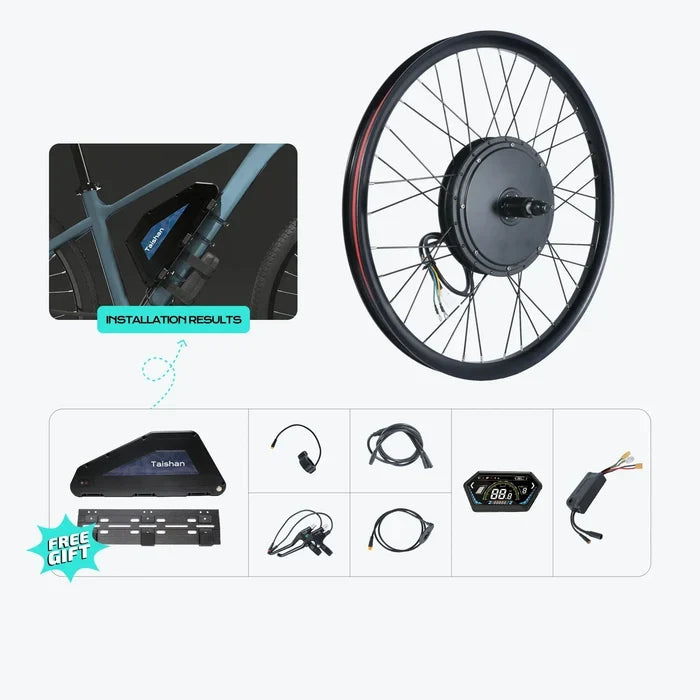
A complete conversion package encompasses everything needed to electrify your bicycle:
Core Electric Components:
- Electric motor (hub or mid-drive)
- Lithium battery pack with integrated BMS
- Battery charger (2A to 5A depending on capacity)
- Motor controller (often integrated)
- LCD display unit with comprehensive data
Control Systems:
- Throttle (thumb or twist-grip style)
- Pedal assist sensor (cadence or torque)
- Brake levers with motor cut-off switches
- Complete wiring harness with waterproof connectors
Installation Hardware:
- Torque arms for frame protection
- Battery mounting brackets and hardware
- Cable management clips and ties
- Installation tools (cassette tool, pedal wrench)
- Detailed instruction manual and video guides
Quality Features:
- LG or Samsung battery cells
- IP66 waterproof construction
- 1000+ charge cycle lifespan
- 60Amp discharge capability
- Intelligent Battery Management System
- 1-year comprehensive warranty
- Free shipping (to eligible countries)
Complete Cost Breakdown by Power Level
Entry-Level Conversion Kits (250W-500W)
Ideal For:
- City commuting and casual riding
- Flat to moderate terrain
- Legal road use in UK/EU
- Budget-conscious riders
- First-time e-bike users
Performance Specifications:
- Maximum speed: 25-35 km/h
- Range: 30-50 km typical
- Motor weight: 2.7-4.5 kg
- Battery capacity: 36V 13-16Ah
- Charging time: 4-6 hours
- Hill climbing: Moderate assistance
Components Quality:
- Brushless geared hub motors
- Premium LG battery cells
- Basic LCD display
- Cadence pedal assist sensor
- Thumb throttle included
- Disc or V-brake compatibility
Best Applications:
- Daily commuting under 15 km
- Grocery shopping and errands
- Leisure riding on bike paths
- Folding bike conversions
- Brompton and compact folders
Mid-Range Conversion Kits (750W-1000W)
Ideal For:
- Regular commuters
- Moderate hill climbing
- Mixed terrain riding
- Performance-minded riders
- Mountain bike conversions
Performance Specifications:
- Maximum speed: 45-50 km/h
- Range: 35-60 km typical
- Motor weight: 4-6.2 kg
- Battery capacity: 48V 16-20Ah
- Charging time: 6-8 hours
- Hill climbing: Strong assistance
Components Quality:
- Brushless direct-drive or geared motors
- High-capacity LG cells
- Advanced LCD display
- Multiple pedal assist levels
- Upgraded controller
- Enhanced waterproofing
Best Applications:
- Daily commuting 15-30 km
- Hilly terrain navigation
- Trail riding and light off-road
- Cargo bike conversions
- Year-round commuting
The electric bike kit battery selection at this level offers the sweet spot between performance and value for most riders.
High-Performance Conversion Kits (1500W-2000W)
![]()

Ideal For:
- Enthusiast riders
- Steep hill climbing
- Fat tire bikes
- Off-road adventures
- Speed enthusiasts
Performance Specifications:
- Maximum speed: 50-60 km/h
- Range: 40-60 km
- Motor weight: 5.1-5.3 kg
- Battery capacity: 52V 20-30Ah
- Charging time: 6-10 hours
- Hill climbing: Exceptional power
Components Quality:
- Premium brushless direct-drive motors
- High-discharge LG cells (60Amp)
- Color display options
- Torque-based pedal assist
- Programmable controller
- Military-grade construction
Best Applications:
- Mountain bike trail riding
- Fat tire bike conversions
- Steep terrain commuting
- Long-distance touring
- Performance riding
Extreme Performance Kits (2500W-4000W)
Ideal For:
- Extreme terrain
- Maximum performance
- Professional applications
- Experienced riders
- Off-road domination
Performance Specifications:
- Maximum speed: 75-85+ km/h
- Range: 40-80 km
- Motor weight: 6.8 kg
- Battery capacity: 60V-72V 20Ah
- Charging time: 8-10 hours (5A fast charger)
- Hill climbing: Unstoppable power
Components Quality:
- Industrial-grade brushless motors
- Premium high-voltage batteries
- Advanced programmable displays
- Multiple torque sensors
- High-current controllers
- Professional-grade components
Best Applications:
- Extreme mountain biking
- Fat tire bike performance
- Professional delivery services
- Off-road trail domination
- Maximum speed applications
Cost Comparison Table: Conversion Kits vs Complete E-Bikes
|
Factor
|
Entry Kit
|
Mid-Range Kit
|
High-Performance Kit
|
Extreme Kit
|
Factory E-Bike
|
|
Power Output
|
250-500W
|
750-1000W
|
1500-2000W
|
2500-4000W
|
Usually 250-750W
|
|
Top Speed
|
25-35 km/h
|
45-50 km/h
|
50-60 km/h
|
75-85+ km/h
|
25-45 km/h typically
|
|
Range
|
30-50 km
|
35-60 km
|
40-60 km
|
40-80 km
|
30-80 km varies
|
|
Installation Time
|
20 minutes
|
20 minutes
|
20 minutes
|
20 minutes
|
Pre-assembled
|
|
Customization
|
Moderate
|
High
|
Very High
|
Extreme
|
Limited
|
|
Upgrade Options
|
Good
|
Excellent
|
Excellent
|
Excellent
|
Very Limited
|
|
Weight Added
|
5-7 kg
|
7-9 kg
|
8-10 kg
|
10-12 kg
|
N/A (whole bike)
|
|
Warranty
|
1 year
|
1 year
|
1 year
|
1 year
|
1-2 years typically
|
|
Long-term Value
|
Excellent
|
Excellent
|
Excellent
|
Excellent
|
Moderate
|
Mid-Drive Motor Cost Considerations
![]()

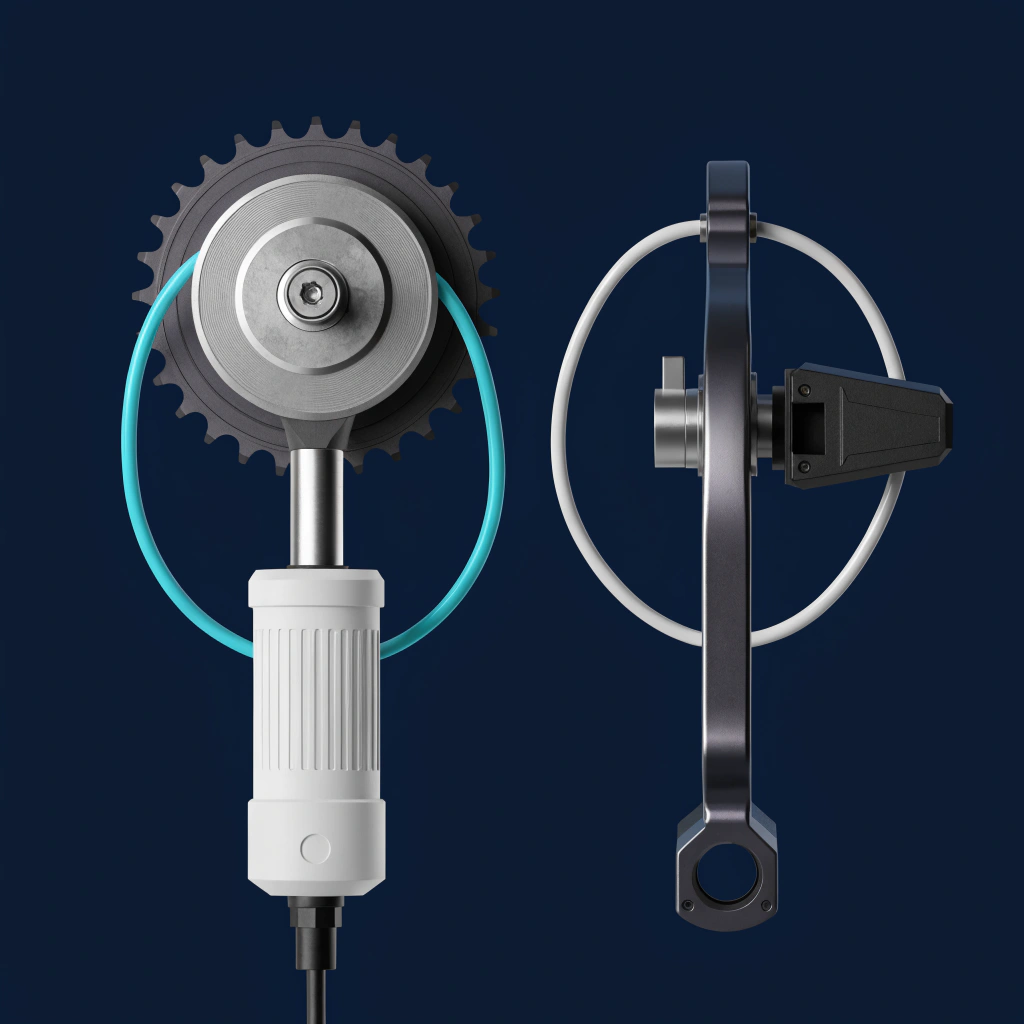
The mid motor electric conversion kit represents a unique value proposition with distinct cost characteristics:
Mid-Drive System Specifications
Performance Features:
- 500W or 750W power options
- 140Nm maximum torque
- 4.8kg compact motor weight
- Torque sensor for natural feel
- Works with existing bike gears
- Superior hill-climbing ability
Battery Options:
- 36V 16Ah for 500W system
- 48V 16Ah for 750W system
- LG branded cells
- 40-60km range typical
- 1000+ charge cycles
- IP66 waterproof rating
Installation Components:
- Tongsheng TSDZ8 motor unit
- Comprehensive display (T5S)
- Crank arms included
- Bottom bracket hardware
- Torque sensor integrated
- Complete cable kit
- Professional installation tools
Mid-Drive Advantages:
- Better weight distribution
- More efficient on hills
- Natural pedaling feel
- Uses bike's gears effectively
- Longer range through efficiency
- Superior traction
Installation Considerations:
- Requires bottom bracket removal
- 30-40 minute installation
- More technical than hub motor
- Need bottom bracket tool
- May require new chain length
Additional Cost Factors to Consider
![]()

Optional Upgrades and Accessories
Performance Enhancements:
- Upgraded battery capacity
- Secondary battery for dual-battery setup
- More powerful controller
- Advanced color display
- Torque sensor upgrade (hub motors)
- Fast charger (5A vs 2A)
Practical Accessories:
- Battery mounting bag or case
- Additional charger for work/home
- Upgraded throttle options
- Better pedal assist sensor
- Cable extension kits
- Extra mounting hardware
Safety and Convenience:
- High-quality bike lock
- Integrated lighting systems
- Phone mount and USB charger
- Fenders for weather protection
- Rear rack or panniers
- Bell or horn
Tool Investment (One-Time)
If you don't already own basic bike tools:
Essential Tools:
- Allen key set (usually £10-15)
- Adjustable wrench (£5-10)
- Cassette removal tool (often included)
- Chain whip (often included)
- Tire levers (£5)
- Basic screwdriver set (£10)
Mid-Drive Additional Tools:
- Bottom bracket removal tool (£15-25)
- Crank puller (£10-15)
Professional Installation Alternative:
- Local bike shop installation: £50-150
- Specialist e-bike shop: £100-200
- Worth considering if uncomfortable with DIY
Long-Term Ownership Costs
Regular Maintenance:
- Brake pad replacement (standard bike maintenance)
- Chain and cassette wear (standard bike maintenance)
- Tire replacement (standard bike maintenance)
- Battery maintenance (proper charging only)
- Electrical connections inspection (DIY, no cost)
Eventual Replacements:
- Battery replacement after 3-5 years
- Controller replacement if damaged (rare)
- Display replacement if broken (rare)
- Motor bearings after extensive use (5000+ km)
Electricity Costs:
- Charging cost per full charge: Pennies
- Annual electricity cost: £10-30 depending on use
- Significantly cheaper than petrol/diesel
- Lower than public transport costs
Hidden Savings of Conversion Kits
![]()

Immediate Financial Benefits
Compared to New E-Bike Purchase:
- Save significant upfront investment
- Keep your quality bike frame (zero cost)
- No need for bike disposal
- Avoid e-bike depreciation (steep in first year)
- Transfer kit to different bikes if needed
Transportation Cost Savings:
- Replace car journeys (fuel, parking, maintenance)
- Eliminate public transport costs
- Avoid parking fees and permits
- Reduce car insurance (fewer miles)
- No road tax or registration
Long-Term Value Proposition
Component Longevity:
- Motor: 10,000+ km typical lifespan
- Battery: 1000+ charges (3-5 years)
- Controller: Lasts motor's lifetime typically
- Display: Durable solid-state electronics
- Wiring: Weatherproof and long-lasting
Upgrade Economics:
- Replace only what wears out
- Upgrade individual components
- Battery capacity increase anytime
- Motor power upgrade possible
- Keep using quality frame indefinitely
Resale Value:
- Quality conversion maintains value
- Can sell kit separately from bike
- Transfer to different bike
- Individual components have market
- Better than integrated e-bike depreciation
Budget Optimization Strategies
![]()

Getting Maximum Value
Smart Component Selection:
- Right-Size Your Power
- Don't overbuy power you won't use
- Match motor to actual terrain
- Consider legal restrictions
- Balance speed vs range needs
- Battery Capacity Planning
- Calculate actual range requirements
- Factor in 20% buffer
- Consider charging opportunities
- Plan for battery degradation
- Start Moderate, Upgrade Later
- Begin with mid-range system
- Add second battery if needed
- Upgrade motor after experience
- Build system over time
Cost-Saving Approaches:
DIY Installation:
- Save £50-200 on professional installation
- Learn system thoroughly
- Gain troubleshooting knowledge
- Watch free video tutorials
- Join online communities for support
Strategic Timing:
- Watch for promotional periods
- Bundle purchases (kit + accessories)
- Free shipping on most orders
- Join email list for exclusive offers
- Facebook group member discounts
Maximize Existing Equipment:
- Use quality bike you already own
- Keep existing wheels if possible
- Retain bike's components
- Transfer accessories from old bike
- Sell replaced wheel to offset cost
Special Considerations and Hidden Costs
![]()

Legal Compliance Costs
Road-Legal Setup:
- 250W kits naturally compliant
- No registration or license required
- No insurance mandated (recommended)
- Standard bicycle rules apply
Higher-Power Systems:
- Private land use only
- Potential registration for road use
- Insurance considerations
- Helmet requirements
Frame Compatibility
Ideal Situations (No Extra Cost):
- Modern aluminum or steel frame
- Standard dropouts
- Disc brake equipped
- Battery mounting space available
Potential Additional Costs:
- Torque arm installation (critical for safety)
- Dropout widening (rare, £20-50)
- Battery mounting adaptations
- Brake upgrades if necessary
Insurance and Protection
Optional but Recommended:
- E-bike specific insurance (£5-15/month)
- Comprehensive bike lock (£30-100)
- GPS tracker (£30-80)
- Storage solutions at home/work
Value Comparison: Conversion vs Purchase
Cost-Benefit Analysis
|
Factor
|
Conversion Kit
|
New E-Bike
|
|
Initial Investment
|
Budget to premium options
|
Generally higher
|
|
Frame Quality
|
Keep your premium frame
|
Varies by model
|
|
Component Quality
|
Choose your quality level
|
Fixed by manufacturer
|
|
Customization
|
Unlimited options
|
Very limited
|
|
Installation Learning
|
Gain valuable knowledge
|
No learning opportunity
|
|
Repair Skills
|
Understand entire system
|
Dependent on dealer
|
|
Upgrade Path
|
Excellent
|
Poor to none
|
|
Resale Value
|
Components hold value
|
Steep depreciation
|
|
Transfer Ability
|
Move to different bikes
|
Single bike only
|
|
Part Availability
|
Universal components
|
Proprietary parts
|
|
Future-Proofing
|
Component upgrades
|
Replace entire bike
|
Maximizing Your Conversion Investment
Getting Most Value Per Dollar
Quality Indicators:
- LG or Samsung battery cells (non-negotiable)
- Brushless motor construction
- Waterproof ratings (IP66 minimum)
- Comprehensive warranty coverage
- Positive user reviews
- Responsive customer support
- Free shipping included
- Installation support available
Avoid False Economy:
- Ultra-cheap generic batteries (safety risk)
- No-name motor brands (reliability issues)
- Missing safety features
- Inadequate warranties
- Poor customer service
- Hidden shipping costs
Smart Purchasing Strategy
- Research Thoroughly
- Read user reviews carefully
- Watch installation videos
- Join online communities
- Compare specifications
- Understand your needs
- Plan Complete System
- Kit power level
- Battery capacity
- Required accessories
- Tool requirements
- Installation approach
- Consider Future Needs
- Range requirements may increase
- Power needs might change
- Multiple bike conversions
- Upgrade possibilities
- Battery replacement timeline
The ebike kit battery selection offers options at every level, ensuring you can match your budget to your performance needs without compromise.
Conclusion
Converting your bike to electric represents exceptional value across all price points. Whether you opt for a budget-friendly entry system or an extreme-performance setup, conversion kits deliver significantly better value than factory e-bikes.
The combination of lower initial costs, superior customization options, excellent upgrade paths, and minimal ongoing expenses makes conversion the smart financial choice for most riders.With complete kits including motor, battery, display, controls, and all installation hardwareplus free shipping and comprehensive warranty coverageyou get everything needed for successful conversion.
The 20-minute installation time for hub motors or 30-40 minutes for mid-drive systems represents minimal time investment for substantial long-term savings and performance flexibility.Ready to discover exactly which system fits your budget and needs? Explore the comprehensive electric bike kit battery range and find your perfect conversion solution today.
Frequently Asked Questions
What's the total cost to convert a bike to electric including all components?
Complete conversion kits include motor, battery, controller, display, sensors, throttle, brake levers, installation hardware, and tools. Entry-level 250-500W systems start affordably, mid-range 750-1000W kits offer best value, while high-performance 2000-4000W systems provide ultimate powerall with free shipping and 1-year warranty included.
Are there hidden costs I should know about when converting my bike?
No hidden costs exist with quality conversion kits everything needed is included. Optional additions include upgraded battery capacity, accessories like lights or locks, or professional installation. Ongoing costs are minimal: pennies per charge for electricity and standard bicycle maintenance. Battery replacement needed after 3-5 years.
How does conversion kit cost compare to buying a new e-bike?
Conversion kits cost significantly less than complete e-bikes while offering superior customization and upgrade options. You preserve your quality bike frame, avoid steep e-bike depreciation, and gain flexibility to upgrade components individually rather than replacing entire bikesdelivering better long-term value.
What factors most influence e-bike conversion kit cost?
Power level (250W-4000W), battery capacity (13Ah-30Ah), motor type (hub vs mid-drive), and brand quality primarily determine cost. Higher power and larger batteries increase investment but deliver superior performance, speed, and range. Premium LG/Samsung cells and brushless motors ensure reliability and longevity.
Is it more cost-effective to start with a basic kit and upgrade later?
Starting with a mid-range system (500-1000W) offers excellent value for most riders. You can add battery capacity anytime, upgrade motors later, or add accessories as needed. This approach spreads costs while gaining experience with electric cycling before committing to extreme performance systems.
: invalid url input)
usmile
Liquid error (snippets/blog-best-product line 36): product form must be given a product
Liquid error (snippets/blog-best-product line 59): product form must be given a product