Zware rijders staan voor unieke uitdagingen bij de ombouw van hun e-bike die lichtere fietsers nooit tegenkomen: oververhitting van de motor, vroegtijdig falen van onderdelen, onvoldoende vermogensafgifte, zorgen over framestress en beperkingen in het bereik, waardoor de selectie van geschikte ombouwsystemen cruciaal is in plaats van optionele overwegingen.
Inzicht in welke beste ebike kit configuraties betrouwbare prestaties op lange termijn leveren voor rijders van meer dan 90 kg (200 lbs) vereist een onderzoek naar het thermisch beheer van de motor, vermogen-gewichtsverhoudingen, duurzaamheidsspecificaties van onderdelen, vereisten voor de batterijcapaciteit en realistische prestatieverwachtingen die zelden eerlijk worden behandeld in marketingmateriaal. Dit leidt tot succesvolle ombouw of kostbare teleurstelling, afhankelijk van een geïnformeerde selectie die de motorcapaciteit afstemt op het werkelijke rijdersgewicht en de gebruiksbehoeften.
Waarom gewicht ertoe doet: De fysische realiteit
![]()

Grondbeginselen van de vermogen-gewichtsverhouding
Impact van de belasting begrijpen:
De vermogensbehoefte van de motor neemt drastisch toe met het totale systeemgewicht:
Gewichtscategorieën en vermogensbehoeften:
-
Lichte rijder (onder 70kg/154lbs): 250-500W volstaat voor de meeste toepassingen
-
Gemiddelde rijder (70-90kg/154-198lbs): 500-750W aanbevolen voor gevarieerd terrein
-
Zware rijder (90-110kg/198-242lbs): minimaal 750-1000W, ideaal 1500W
-
Zeer zware rijder (110kg+/242lbs+): 1500-2000W+ essentieel voor adequate prestaties
Waarom gewicht meer vermogen vraagt:
De natuurkunde onderhandelt niet – acceleratiekracht, klimenergie en rolweerstand nemen allemaal evenredig toe met het systeemgewicht (rijder + fiets + bagage + motoronderdelen), wat betekent dat een rijder van 110 kg ongeveer 50% meer motorvermogen nodig heeft dan een rijder van 70 kg om dezelfde prestaties op hetzelfde terrein te leveren.
Warmteontwikkeling neemt exponentieel toe
Het oververhittingsprobleem:
Motoren genereren warmte proportioneel aan de belasting – zware rijders creëren aanhoudend hoge belastingcondities die de thermische ontwerplimieten van inadequate motoren overschrijden:
Factoren voor warmteontwikkeling:
- Continu hoog stroomverbruik (motor werkt constant harder)
- Heuvels beklimmen (aanhoudend maximaal koppel)
- Acceleratie (herhaalde hoge vermogenseisen)
- Onvoldoende koeling (kleine motoren met slechte warmteafvoer)
- Cumulatief effect (temperatuur stijgt tijdens de rit)
Gevolgen van oververhitting:
- Vermindering van het vermogen (thermische beveiliging beperkt de output)
- Voortijdig defect van componenten (isolatiebreuk, demagnetisatie van magneten)
- Beschadiging van de controller (overmatige warmtecascade)
- Verminderde levensduur (versnelde slijtage)
- Veiligheidsrisico's (potentieel brandgevaar in extreme gevallen)
Motortechnologieën voor zware rijders
![]()

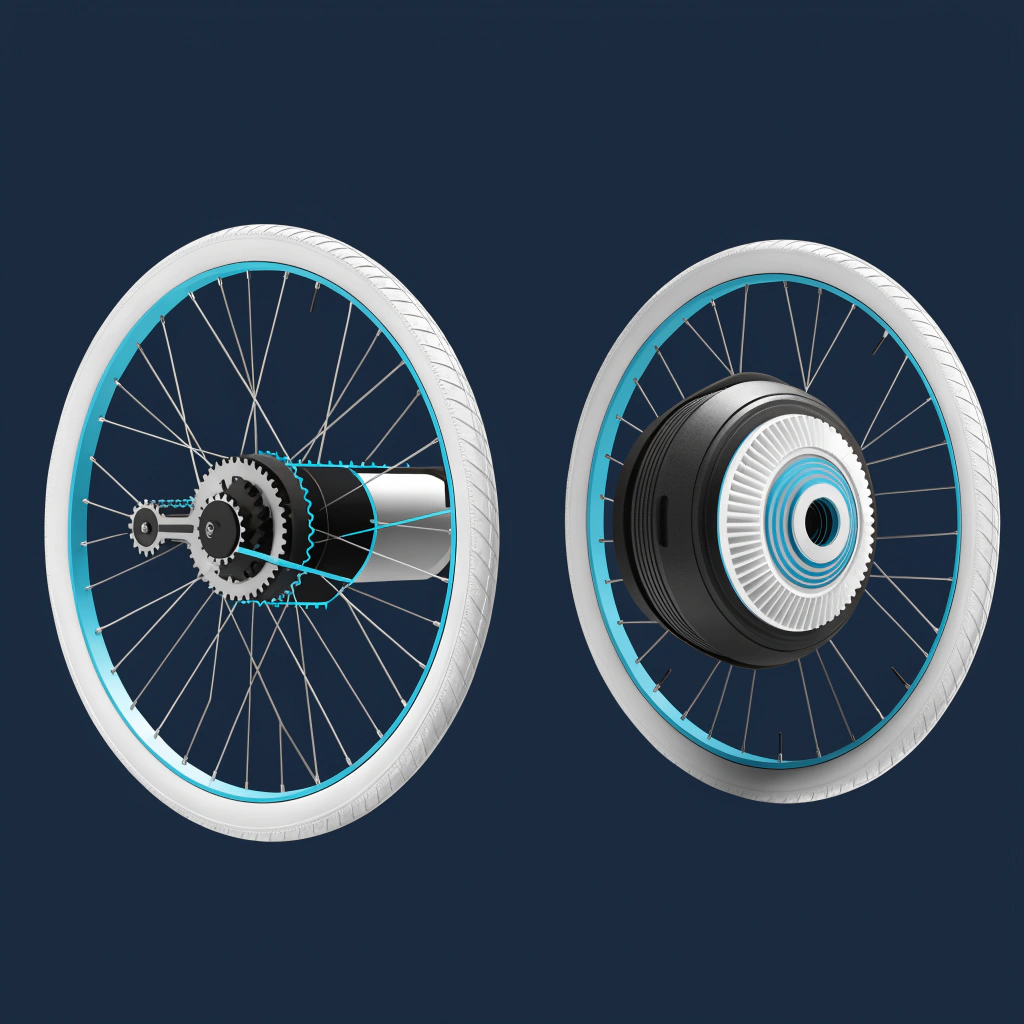
Geared naafmotoren: Gewichtslimieten
250-750W Geared naafmotoren:
Lichtgewicht geared naafmotoren hebben moeite met toepassingen voor zware rijders:
Beperkingen:
- Motorformaat: Klein (2,7-4,5kg)
- Warmteafvoer: Beperkt (compact ontwerp)
- Continu vermogen: Voldoende voor rijders van 70-80kg, marginaal voor 90kg+, onvoldoende voor 110kg+
- Oververhitting: Vaak bij zware rijders op lange hellingen
- Levensduur: Verkort bij zware toepassingen
Wanneer Geared naafmotoren werken: ✓ Voornamelijk vlak terrein ✓ Alleen matige ondersteuning (niet de primaire aandrijving) ✓ Korte ritten (onder 15 km) ✓ Zachte acceleratie (geen agressieve starts) ✓ Bewustzijn van de rijder (motor laten afkoelen)
Direct-drive naafmotoren: Superieur thermisch beheer
1000W-4000W Direct-drive systemen:
Grote motormassa zorgt voor uitstekende warmteafvoer:
Voordelen voor zware rijders:
- Motormassa: Groot (5-8kg) fungeert als koellichaam
- Oppervlakte: Uitgebreid (superieure koeling)
- Continu vermogen: Langdurig hoog vermogen zonder oververhitting
- Duurzaamheid: Robuuste constructie is bestand tegen stress
- Betrouwbaarheid: Bewezen prestaties onder zware belasting
Aanbevolen direct-drive vermogensniveaus:
Rijders van 90-110 kg:
- Minimum: 48V 1000W direct-drive
- Aanbevolen: 52V 1500-2000W
- Ideaal: Voldoende vermogen zonder constante maximale belasting
Rijders van 110 kg+:
- Minimum: 52V 2000W direct-drive
- Aanbevolen: 60V 2500-3000W
- Ideaal: Vermogensreserves voorkomen thermische stress
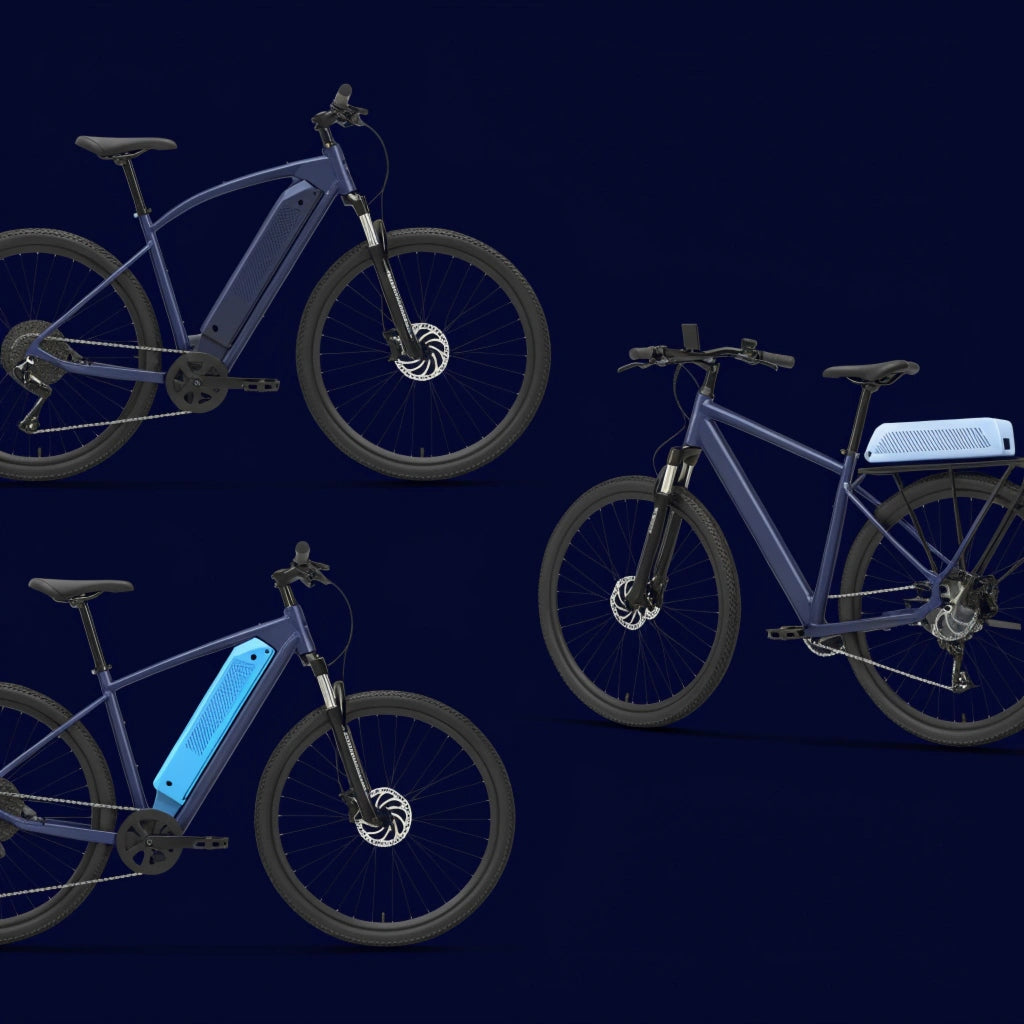
Middenmotoren: Versnellingsvoordeel met kanttekeningen
500-750W Middenmotorsystemen:
Versnellingshefboom helpt, maar de aandrijflijnstress neemt toe:
Voordelen:
- Versnellingsvermenigvuldiging: 500W levert 1500W+ effectief via lage versnellingen
- Efficiëntie: Superieur op heuvels (cruciaal voor zware rijders)
- Thermisch beheer: Voldoende indien goed gedimensioneerd
- Gecentreerd gewicht: Balans in de bediening
Beperkingen voor zware rijders:
- Slijtage aandrijflijn: Aanzienlijk versneld (kettingen, cassettes)
- Vermogensplafond: Maximaal 750W praktisch (stress aandrijflijn)
- Kosten componenten: Doorlopende vervangingskosten
- Framestress: Geconcentreerd rond het bracket
Wanneer de middenmotor optimaal is voor zware rijders: ✓ Regelmatig heuvelachtig terrein (versnellingsvoordeel cruciaal) ✓ Efficiëntie prioriteit (bereik maximaliseren) ✓ Acceptatie van onderhoud (vervanging aandrijflijn budgetteren) ✓ Kwaliteitscomponenten (zware kettingen, cassettes)
Aanbevolen systemen per rijdersgewicht
Rijders van 90-110 kg (198-242 lbs)
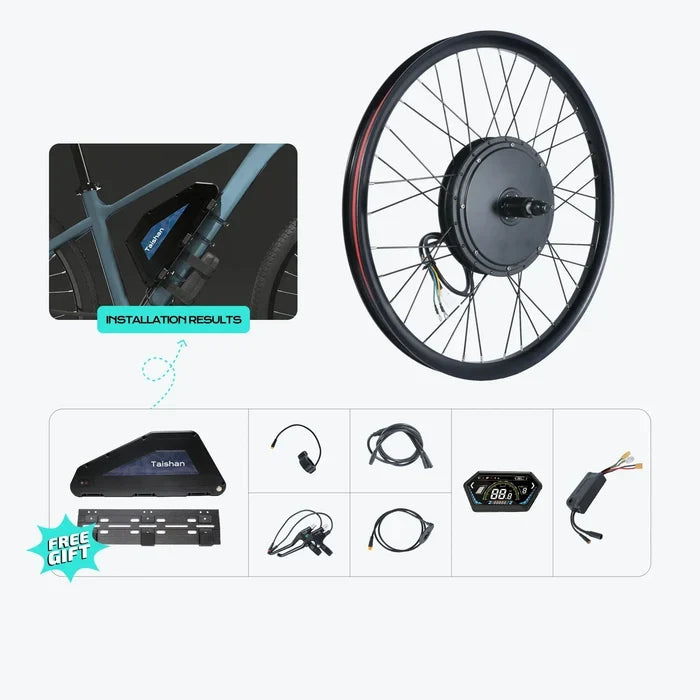
Algeheel Beste: 48V-52V 1500-2000W Direct-Drive Achternaaf
![]()

Systeem Specificaties:
- Motor: 52V 2000W borstelloze direct-drive achterwiel
- Gewicht: 5,1-5,3kg (uitstekende warmteafvoer)
- Snelheid: 50-60 km/u capaciteit
- Koppel: Sterke acceleratie, krachtig klimmen
- Batterij: 52V 20-30Ah (voldoende bereik)
- Bereik: 40-60km afhankelijk van terrein, ondersteuningsniveau
Waarom deze configuratie:
- Voldoende vermogen voorkomt constante maximale belasting (thermische marge)
- Grote motormassa voert warmte effectief af
- Direct-drive betrouwbaarheid (geen slijtage van de overbrenging)
- Voldoende snelheidscapaciteit
- Bewezen duurzaamheid bij zware toepassingen
Alternatief: 48V 750W Tongsheng TSDZ8 Middenmotor
Voor efficiëntiegerichte heuvelachtig terrein:
- Motor: 4.8kg gecentreerde middenmotor
- Koppel: Maximaal 140Nm
- Efficiëntie: Voordeel door versnellingshefboom
- Waarschuwing: Accepteer versnelde slijtage van de aandrijflijn
Rijders van 110-130 kg (242-286 lbs)
Algeheel Beste: 60V 2500-3000W Direct-Drive Achternaaf
Systeem Specificaties:
- Motor: 60V 2500-3000W heavy-duty direct-drive
- Gewicht: 6,8kg (maximale warmtecapaciteit)
- Snelheid: 75-85 km/u capaciteit
- Koppel: Onoverwinnelijk (voldoende vermogensreserves)
- Batterij: Minimaal 60V 20Ah
- Bereik: 40-80km agressief rijden
Waarom deze configuratie:
- Vermogensreserves voorkomen thermische stress (motor niet constant op maximum)
- Maximale motormassa (superieure koeling)
- Voldoende koppel in alle omstandigheden
- Comfortabele, langdurige hoge belastingen
- Duurzaamheid van professionele kwaliteit
Rijders van 130 kg+ (286 lbs+)
Noodzakelijk: 72V 3000-4000W Direct-Drive Systemen
Systeem Specificaties:
- Motor: 72V 4000W extra zwaar uitgevoerde direct-drive
- Gewicht: 6,8 kg heavy-duty constructie
- Snelheid: 75-85+ km/u
- Koppel: Maximaal beschikbaar
- Batterij: 72V 20Ah
- Bereik: 40-80km
Waarom maximale kracht essentieel is:
- Fysieke eisen: Voldoende prestaties vereisen proportioneel vermogen
- Thermisch beheer: Vermogensreserves cruciaal (niet constant maximale belasting)
- Levensduur: Motor niet continu tot het uiterste belast
- Veiligheid: Voldoende capaciteit voorkomt overbelasting
- Betrouwbaarheid: Professionele componenten
Systeemvergelijkingstabel
|
Rijdersgewicht
|
Minimaal vermogen
|
Aanbevolen vermogen
|
Motortype
|
Belangrijke overweging
|
Verwacht bereik
|
|
70-90kg (154-198lbs)
|
500W
|
750-1000W
|
Geared of direct-drive
|
De meeste systemen volstaan
|
40-60km
|
|
90-110kg (198-242lbs)
|
750W
|
1500-2000W
|
Direct-drive heeft de voorkeur
|
Thermisch beheer cruciaal
|
35-55km
|
|
110-130kg (242-286lbs)
|
1500W
|
2500-3000W
|
Direct-drive verplicht
|
Essentiële vermogensreserves
|
30-50km
|
|
130kg+
|
2000W
|
3000-4000W
|
Direct-aandrijving heavy-duty
|
Maximale capaciteit vereist
|
30-45km
|
Componentoverwegingen zware rijders
Frame sterkte kritisch
Structurele vereisten:
Zware rijders + motorvermogen belasten frames buiten de ontwerplimieten:
Geschiktheid framemateriaal:
-
Staal/Chromoly: Uitstekend (sterkste, meest vergevingsgezind)
-
Aluminium: Acceptabel met torsiearmen (voorzichtig inspecteren)
-
Koolstofvezel: NIET aanbevolen (bezorgdheid over stressconcentratie)
-
Framekwaliteit: Premium frames verplicht (geen budgetconstructies)
Pre-conversie inspectie:
- Visuele scheuren: Elke scheur = diskwalificatie
- Laskwaliteit: Alle verbindingen zorgvuldig inspecteren
- Uitvaleinde staat: Perfect vereist (geen schade getolereerd)
- Frame leeftijd: Oudere frames hoger risico
- Eerdere schade: Gecompromitteerde frames elimineren
Torsiearmen absoluut verplicht
Waarom niet-onderhandelbaar voor zware rijders:
Motorkoppel + rijdergewicht creëren extreme uitvaleinde spanning:
Vereisten torsiearm:
- 750-1000W: Minimaal één torsiearm (twee aanbevolen)
- 1500-2000W: Twee torsiearmen verplicht
- 2500W+: Heavy-duty torsiearmen aan beide zijden vereist
- Aluminium frames: Altijd torsiearmen gebruiken ongeacht vermogen
- Stalen frames: Aanbevolen 1000W+, verplicht 1500W+
Gevolgen zonder torsiearmen:
- Uitvaleinde storing: Catastrofaal (wiel komt los)
- Frame schade: Permanent (onherstelbaar)
- Veiligheidsrisico: Extreem (potentieel voor ernstig letsel)
- Geen verzekering: Aansprakelijkheid volledig voor u
Wiel- en spaakkwaliteit
Structurele integriteit:
Zware rijders eisen premium wielcomponenten:
Wielvereisten:
- Aantal spaken: Minimaal 36H (meer spaken = sterker)
- Spaakdikte: 13-gauge of dikker (heavy-duty)
- Velgkwaliteit: Premium dubbelwandig (geen economische velgen)
- Professionele montage: Juiste spanning cruciaal
- Regelmatige inspectie: Maandelijks minimaal
Spaakspanning:
- Losse spaken: Onmiddellijk risico op storing
- Ongelijke spanning: Versnelde storing
- Professionele montage: Essentieel voor zware rijders
- Periodiek opnieuw spannen: Eerste 100 km, daarna elke 500 km
Rem upgrades essentieel
Remkracht kritisch:
Zware rijder + hoge snelheden eisen uitzonderlijke remkracht:
Minimale remvereisten:
Bandenspanningbeheer:
- Zware rijders: Vereist hogere druk (binnen classificatie)
- Onderdruk: Platslaan, velgschade
- Overdruk: Risico op bandenstoring
- Regelmatige controle: Wekelijks minimaal
Batterijvereisten voor zware rijders
Capaciteitsoverwegingen
Verhoogd energieverbruik:
Zware rijders verbruiken batterijen sneller — fysica onvermijdelijk:
Rijders van 110 kg+:
- Minimum: 52V 30Ah of 60V 20Ah
- Aanbevolen: 60-72V 20-30Ah
- Bereikverwachting: 30-50km
Batterijkwaliteit cruciaal
Thermische belasting:
Toepassingen voor zware rijders belasten batterijen:
Kwaliteitsvereisten:
- Celmerk: Alleen LG, Samsung, Panasonic (geen budgetcellen)
- BMS: Professionele kwaliteit (thermische beveiliging)
- Constructie: Militaire kwaliteit (robuuste behuizing)
- Ontladingsvermogen: Voldoende voor motorvermogen (60A+ hoog vermogen)
- Garantie: Minimaal 1 jaar (kwaliteitsindicator)
Praktijkervaringen zware rijders
Succesverhaal: 105 kg rijder, 52V 2000W systeem
Kerninzicht: "750W constant maximaal gebruikt, regelmatig oververhit, voelde onvoldoende — 2000W biedt vermogensreserves die comfortabel werken, nooit thermische problemen, heeft de fietservaring volledig getransformeerd."
Waarschuwing: 115 kg rijder, 1000W onvoldoende
Rijderervaring:
- Gewicht: 115 kg
- Systeem: 48V 1000W direct-aandrijving
- Resultaat: Matige prestaties, thermische beveiliging geactiveerd op hellingen
Ondervonden problemen:
- Heuvelklimmen: Motor schakelde vermogen uit (thermische beveiliging)
- Bereik: Slecht (constante hoge belasting)
- Tevredenheid: Teleurgesteld
- Oplossing: Upgrade naar 60V 3000W (onmiddellijke verbetering)
Kernles: Marginaal vermogen creëert constante maximale belastingomstandigheden — thermische stress, slechte prestaties, teleurstellende ervaring. Adequate vermogensreserves essentieel voor zware rijders.
Installatie- en veiligheidsoverwegingen
Professionele installatie aanbevolen
Complexiteit zware systemen:
Hoogvermogende systemen vereisen expertise:
Kritieke installatie-elementen:
- Installatie torsiearm: Nauwkeurige positionering, juiste aanhaalmomenten
- Elektrische verbindingen: Dikke bedrading, professioneel krimpen
- Componentkeuze: Adequate classificaties alle elementen
- Testen: Uitgebreid voor het rijden
- Veiligheidscontrole: Kritische inspectie
Wanneer doe-het-zelf acceptabel is:
- Mechanische ervaring: Uitgebreid
- Beschikbaarheid gereedschap: Complete professionele gereedschappen
- Kennis: Elektrisch en mechanisch uitgebreid
- Verantwoordelijkheidsaanvaarding: Volledig inzicht in aansprakelijkheid
Testprotocol
Pre-rit verificatie:
Heavy-duty systemen vereisen grondige tests:
Controlelijst testen:
- Torsiearmbeveiliging: Beide zijden strak, correct gepositioneerd
- Spaakspanning: Gelijkmatig, adequaat (professionele controle aanbevolen)
- Remfunctie: Perfecte remkracht
- Elektrische verbindingen: Veilig, correct gekrompen
- Controllerinstellingen: Passende vermogenslimieten
- Lage snelheidstest: 15 minuten verificatie van alle functies
- Thermische bewaking: Eerste ritten letten op oververhitting
Voortdurend onderhoud
Heavy-Duty Schema:
Verhoogde stress vereist waakzaam onderhoud:
Wekelijkse controles:
- Torsiearm vastheid: Kritische veiligheid
- Spaakspanning: Elke spaak aanraken
- Bandenspanning: Maximaal handhaven
- Remfunctie: Testen voor elke rit
Maandelijkse inspectie:
- Uitgebreide spaakspanning: Professioneel indien onzeker
- Slijtage remblokken: Zware rijders versnellen slijtage
- Bandconditie: Vervang bij het eerste teken van slijtage
- Elektrische verbindingen: Controleer de beveiliging
- Frame-inspectie: Visuele controle op scheuren
Uw beslissing nemen
Succesvolle e-bike conversie voor zware rijders (90kg+) vereist een eerlijke vermogensbeoordeling met prioriteit voor thermisch beheer door adequate motorisering—1500-2000W direct-aangedreven systemen dienen rijders van 90-110kg, 2500-3000W is essentieel voor 110-130kg, en 3000-4000W is noodzakelijk voor 130kg+ om te zorgen dat motoren binnen thermische limieten werken in plaats van constant op maximale belasting te draaien, wat oververhitting, vroegtijdige storing en teleurstellende prestaties voorkomt die onvoldoende vermogen creëert, ongeacht de componentkwaliteit.
Het fundamentele principe dat zware rijder conversies begeleidt: adequate vermogensreserves voorkomen thermische stress—motoren die continu op 60-80% capaciteit werken, leveren betrouwbare langdurige service, terwijl motoren die constant op maximale belasting draaien, oververhit raken, vroegtijdig falen en teleurstellen, ongeacht merk of kwaliteit, waardoor de vermogenskeuze de meest kritische beslissing is die het succes van de conversie of dure spijt bepaalt.
Klaar om een betrouwbare heavy-duty elektrische fiets te bouwen? Ontdek het complete assortiment elektrische fiets kit batterijen inclusief direct-aangedreven systemen (1000W-4000W), professionele batterijen (20-30Ah capaciteit) en deskundige ondersteuning die ervoor zorgen dat uw conversie betrouwbare prestaties levert door passende componentkeuze die het motorvermogen afstemt op het werkelijke rijdergewicht en de gebruikseisen.
Veelgestelde vragen
Welke e-bike conversiekit heb ik nodig als ik 100 kg weeg?
Minimaal 1000W, aanbevolen 1500-2000W direct aangedreven achternaafmotor voor betrouwbare prestaties zonder oververhitting.
Waarom raken kleinere e-bike motoren oververhit bij zware rijders?
Kleine motoren (250-750W geared hubs) missen voldoende warmteafvoer voor aanhoudende hoge belastingomstandigheden die zware rijders creëren—motor massa te klein als koellichaam, oppervlakte onvoldoende voor koeling.
Kan ik een 750W e-bike conversiekit gebruiken als ik 110 kg weeg?
Technisch gezien wel, maar suboptimaal — 750W is marginaal voldoende voor 110 kg op vlak terrein en rustig rijden, maar worstelt met heuvels, raakt oververhit bij aanhoudende hoge belasting, en werkt constant op maximale capaciteit (geen reserves).
Heb ik torsiearmen nodig als ik een zware rijder ben?
Absoluut verplicht — zwaar rijdergewicht + motorkoppel creëert extreme uitvaleinde stress, met risico op catastrofale storing zonder de juiste versteviging. Vereisten: 750W minimaal één arm (twee aanbevolen).
Hoeveel minder bereik krijg ik als zware rijder?
Verwacht 30-50% minder bereik ten opzichte van een lichtgewicht rijder met hetzelfde systeem — fysica is onvermijdelijk: een rijder van 110 kg heeft ongeveer 50% meer energie nodig dan een rijder van 70 kg om dezelfde prestaties te bereiken (acceleratie, klimmen, snelheid).
: invalid url input)
usmile
Liquid error (snippets/blog-best-product line 36): product form must be given a product
Liquid error (snippets/blog-best-product line 59): product form must be given a product