Goed onderhoud van je e-bike ombouwset zorgt voor optimale prestaties, verlengt de levensduur van onderdelen en zorgt ervoor dat je omgebouwde fiets jarenlang soepel blijft rijden. In tegenstelling tot in de fabriek gebouwde elektrische fietsen, vereisen ombouwsets aandacht voor zowel traditionele fietsonderdelen als gespecialiseerde elektrische systemen. Deze uitgebreide onderhoudschecklist helpt je om je kit in optimale staat te houden.
Componenten van een E-bike ombouwset begrijpen
![]()

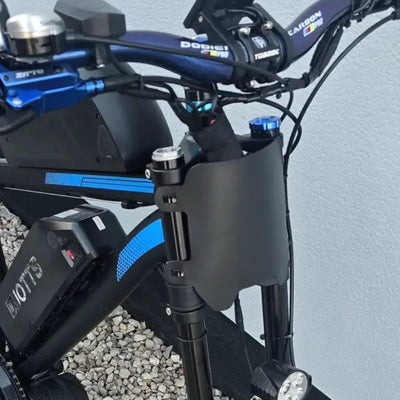
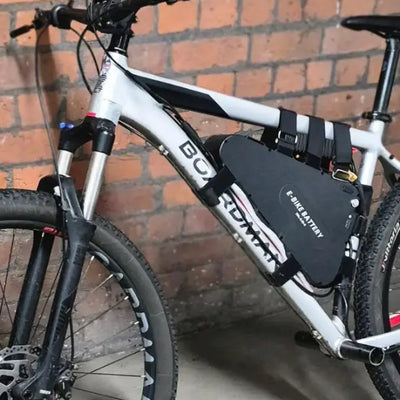
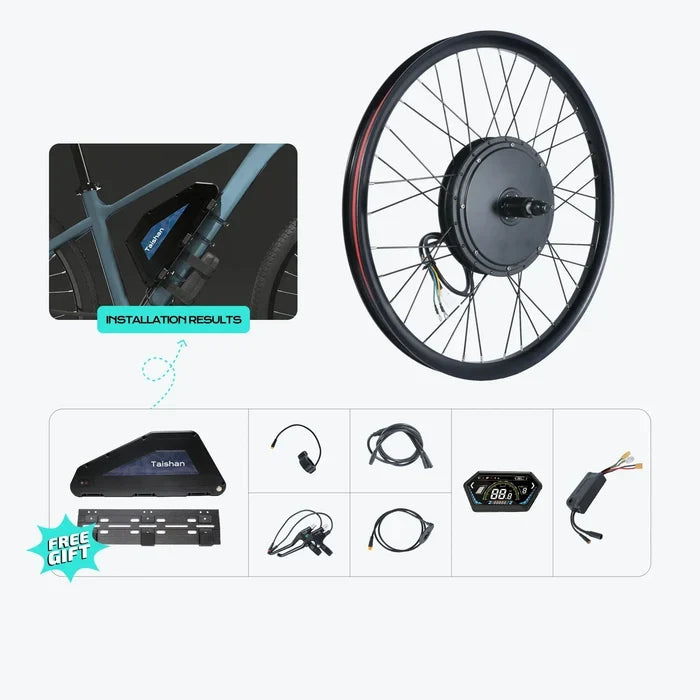
Voordat je in het onderhoud duikt, is het essentieel om te begrijpen wat je onderhoudt. Een typische e-bike ombouwset bestaat uit:
-
Naafmotor of middenmotor – De krachtbron die je fiets aandrijft
-
Accupack – Slaat energie op voor je motor (meestal 36V-72V)
-
Controller – Reguleert de vermogensafgifte aan de motor
-
Display-eenheid – Toont snelheid, batterijniveau en ondersteuningsmodi
-
Sensoren – Pedaalondersteuning (PAS) of koppelsensoren die het trappen detecteren
-
Bedrading en connectoren – Verbindt alle elektrische componenten met elkaar
Dagelijkse controles voor het rijden (de ABC-methode)
![]()

Air – Bandenspanning
Controleer je bandenspanning voor elke rit. E-bikes belasten de banden extra door het hogere gewicht en de hogere snelheden.
- Houd de spanning binnen het bereik dat op de zijwanden van de banden is aangegeven (meestal 30-50 PSI)
- Gebruik een manometer voor nauwkeurigheid
- Ondergepompte banden verhogen de rolweerstand, waardoor de batterij sneller leegraakt
- Overmatig oppompen vermindert grip en comfort
Brakes – Remkracht
Knijp beide remhendels in om ervoor te zorgen dat ze soepel aangrijpen zonder sponzig aan te voelen.
- De hendels mogen het stuur niet raken wanneer ze volledig zijn ingeknepen
- Controleer de dikte van de remblokken (minimaal 2 mm resterend)
- Test de remmen op lage snelheid voor elke rit
- E-bikes vereisen vaker remonderhoud door hogere snelheden en gewicht
Chain and Cables – Aandrijfsysteem
Controleer je ketting en alle kabels op problemen:
- Zorg ervoor dat de ketting schoon en goed gesmeerd is
- Controleer of alle elektrische kabels goed zijn aangesloten
- Let op gerafelde draden of beschadigde connectoren
- Controleer of de motor en accu stevig gemonteerd zijn zonder te rammelen
Accucontrole
Voordat je gaat rijden, controleer:
- Acculadingsniveau (houd tussen 20-80% voor een lange levensduur)
- Accu zit stevig op zijn plaats vergrendeld
- Oplaadpoort is schoon en droog
- Geen zichtbare schade aan de accu behuizing
Wekelijkse onderhoudstaken
Ketting grondig reinigen en smeren
De aandrijflijn werkt harder op e-bikes, vooral met middenmotor kits.
Reinigingsproces:
- Breng ontvetter aan op de ketting met een borstel of kettingreiniger
- Veeg schoon met een doek
- Breng natweer smeermiddel aan (één druppel per rol)
- Veeg overtollig smeermiddel af om vuilophoping te voorkomen
Inspectie van elektrische verbindingen
Controleer wekelijks alle elektrische verbindingen:
- Inspecteer connector pennen op corrosie of schade
- Zorg ervoor dat alle connectoren volledig zijn aangesloten
- Controleer of de kabelgeleiding niet is verschoven of tegen bewegende delen is geschuurd
- Veeg de motorbehuizing en accubehuizing schoon
Beveiliging motorbevestiging
E-bike motoren genereren aanzienlijk koppel dat de bevestigingsbouten kan loswerken:
- Controleer of de motorbevestigingsbouten goed vastzitten
- Controleer de installatie van de torsiearm (indien aanwezig)
- Inspecteer de uitvaleinden op tekenen van spreiding of schade
- Let op ongewone slijtagepatronen op de ringen
Maandelijks diepgaand onderhoud
![]()

Uitgebreide boutcontrole
Gebruik een momentsleutel (bereik 5-15 Nm) om de dichtheid van de volgende onderdelen te controleren:
- Motorbevestigingsbouten
- Torsiearmbouten
- Stuurpenbouten
- Remklauwbouten
- Accubevestigingsschroeven
Wielonderhoud
Motoren belasten de wielen extra, vooral bij achternaafmotor systemen:
- Draai de wielen om te controleren op wiebelen of losse spaken
- Draai losse spaken vast met een spaaksleutel
- Inspecteer de velg op scheuren of deuken
- Controleer de wiellagers op soepele rotatie
Remsysteem onderhoud
E-bikes vereisen vaker remonderhoud:
- Inspecteer remblokken en vervang ze als ze minder dan 2 mm zijn
- Reinig de remschijven met isopropylalcohol
- Controleer de spanning van de remkabels (voor kabelremmen)
- Ontlucht hydraulische remmen als ze sponzig aanvoelen
Display en bedieningselementen
- Reinig het display met een zachte, vochtige doek
- Test alle knoppen en functies
- Controleer de helderheidsinstellingen van het display
- Controleer of de ondersteuningsniveaus correct werken
Driemaandelijks en seizoensgebonden onderhoud
Batterij onderhoud en opslag
Goed batterijonderhoud verlengt de levensduur aanzienlijk:
Regelmatig gebruik:
- Houd de lading tussen 20-80% voor dagelijks gebruik
- Laad volledig op voor lange ritten
- Vermijd langdurige opslag bij volledige lading
Langdurige opslag:
- Bewaar op 50-60% lading op een koele, droge plaats
- Controleer de batterij elke 6-8 weken
- Laad op als de spanning onder 50% zakt
- Bewaar indien mogelijk tussen 10-20°C
Voorkomen van waterschade
Het Nederlandse weer vraagt extra aandacht voor waterdichtheid:
- Gebruik nooit een hogedrukreiniger op motor of accu
- Breng diëlektrisch vet aan op elektrische verbindingen
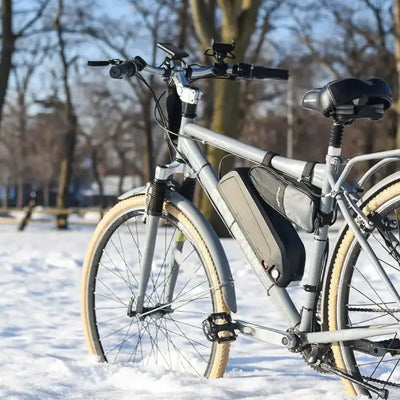
- Gebruik waterdichte hoezen voor de accu bij zware regen
- Droog de fiets grondig na natte ritten
- Controleer het controllercompartiment op vocht
Vervanging van slijtagedelen
E-bike ombouwsets versnellen de slijtage van standaard fietsonderdelen:
|
Component
|
Standaard fiets interval
|
E-bike interval
|
Reden
|
|
Ketting
|
3.000-5.000 km
|
1.500-3.000 km
|
Verhoogd koppel
|
|
Cassette
|
10.000-15.000 km
|
5.000-8.000 km
|
Constante vermogensafgifte
|
|
Remblokken
|
2.000-4.000 km
|
1.000-2.000 km
|
Hogere snelheden en gewicht
|
|
Banden
|
5.000-8.000 km
|
3.000-5.000 km
|
Verhoogd gewicht en acceleratie
|
Motorspecifiek onderhoud
Onderhoud naafmotor
Naafmotoren vereisen minimaal onderhoud, maar profiteren van:
- Incidentele lagerinspectie (jaarlijks)
- Controleren op ongewone geluiden of trillingen
- Verifiëren of de motorkabelverbinding veilig blijft
- Zorgen dat de motor niet oververhit raakt bij lange beklimmingen
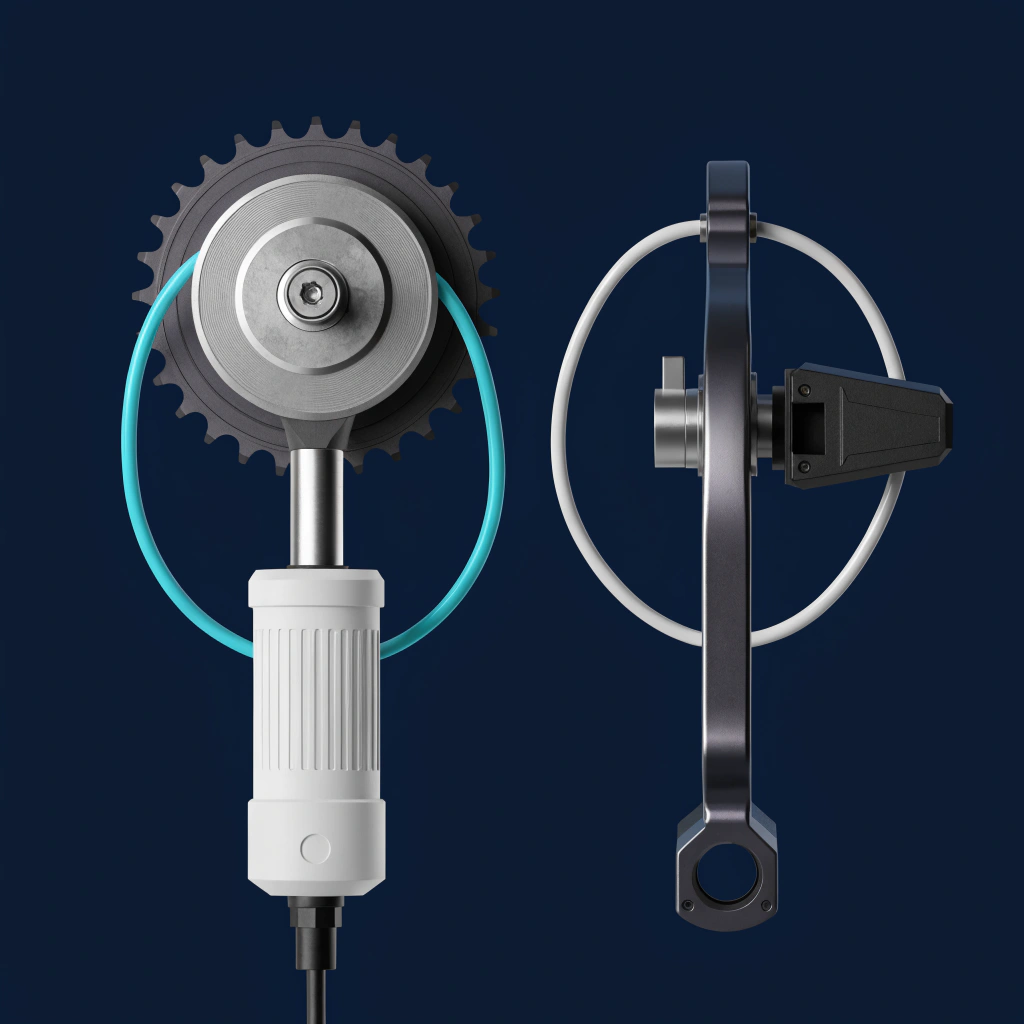
Aandacht voor middenmotor
Middenmotorsystemen zoals de Tongsheng motoren vereisen:
- Inspectie van slijtage van het kettingblad
- Controles van de motorbevestigingsbeugel
- Luisteren naar ongewone mechanische geluiden
- Zorgen dat de motor het frame niet raakt
Essentiële gereedschapskist voor E-bike onderhoud
Elke e-bike eigenaar moet het volgende hebben:
-
Inbussleutelset – 3-8mm voor de meeste bouten
-
Momentsleutel – 5-15 Nm bereik essentieel voor motorbevestigingen
- Kettingreinigingsborstel en ontvetter
-
Natweer kettingolie – Cruciaal voor Nederlandse omstandigheden
- Bandenlichters en pomp met manometer
-
Elektrische contactspray – Voorkomt corrosie van connectoren
-
Multimeter – Voor het diagnosticeren van elektrische problemen
-
Spaaksleutel – Voor het richten van wielen
Problemen oplossen van veelvoorkomende problemen
Motor grijpt niet aan
Controleer deze in volgorde:
- Batterijladingsniveau en verbinding
- Display toont foutcodes
PAS-sensor uitlijning en functie
Remsensoren niet geblokkeerd
Controller-verbindingen stevig
Verminderd bereik
Als de batterij niet lang meegaat:
- Controleer de bandenspanning (meest voorkomende oorzaak)
- Controleer de kettingsmering
- Controleer of de remblokken niet slepen
- Overweeg de leeftijd van de batterij (capaciteit neemt af na verloop van tijd)
- Verlaag het ondersteuningsniveau of de snelheid voor een groter bereik
Ongebruikelijke geluiden
Verschillende geluiden duiden op verschillende problemen:
-
Klikkend geluid van de motor – Losse bevestiging of intern probleem
-
Schurend geluid van de aandrijflijn – Ketting heeft smering of vervanging nodig
-
Wrijvende geluiden – Remblokken slepen of band raakt frame
Professioneel serviceplan
Hoewel het meeste onderhoud zelf kan worden uitgevoerd, zorgt professionele service voor een langere levensduur:
6-wekelijkse controle voor nieuwe installaties:
- Onderdelen zetten zich en moeten mogelijk worden afgesteld
- Kabelspanning vereist vaak fijnafstelling
- Bouten moeten mogelijk opnieuw worden aangedraaid
- Een professioneel oog detecteert installatieproblemen vroegtijdig
Jaarlijkse uitgebreide service:
- Volledige lagerinspectie en opnieuw smeren
- Controller- en bedradingsinspectie
- Batterijconditiecontrole en capaciteitstest
- Firmware-updates (indien beschikbaar)
- Volledige veiligheidsinspectie
Wettelijke naleving en veiligheid
Britse regelgeving vereist dat e-bike-ombouwkits aan specifieke normen voldoen:
- Maximaal continu nominaal vermogen: 250W (voor weglegale kits)
- Motorondersteuning stopt bij 25 km/u
- Motor ondersteunt alleen tijdens het trappen (geen gashendel op pedalen)
-
Zorg ervoor dat alle 250W ombouwsets voldoen
Kits met hoger vermogen (500W, 750W, 1000W+) zijn alleen voor gebruik op privéterrein en vereisen frequenter onderhoud vanwege de verhoogde belasting van componenten.
Onderhoudsrapporten
Houd een eenvoudig logboek bij met:
- Datum van onderhoudstaken
- Kilometerstand wanneer uitgevoerd
- Vervangen onderdelen
- Ongewone waarnemingen of problemen
- Levensduur batterij (indien telbaar)
Dit logboek helpt patronen te identificeren, de vervanging van componenten te voorspellen en de geldigheid van de garantie te behouden.
Conclusie
Regelmatig onderhoud is de sleutel tot jarenlang plezier van uw e-bike-ombouw. Door deze checklist te volgen – van dagelijkse controles voor het rijden tot seizoensgebonden diepgaand onderhoud – voorkomt u dure reparaties, garandeert u een veilige werking en maximaliseert u uw investering. Of u nu een budgetvriendelijke 500W kit of een hoogwaardig systeem hebt geïnstalleerd, consistente zorg zorgt ervoor dat alles soepel blijft werken. Onthoud: een goed onderhouden e-bike-ombouw is een betrouwbare ombouw.
Veelgestelde vragen
Hoe vaak moet ik de batterij van mijn e-bike-ombouwkit opladen?
Laad op wanneer de batterij tot 20-30% daalt en voorkom dat deze volledig ontlaadt. Voor een optimale levensduur, houd de lading tussen 20-80% voor dagelijks gebruik en bewaar op 50-60% als u langere tijd niet rijdt.
Kan ik een gewone fietsketting gebruiken op mijn e-bike-ombouw?
Ja, maar verwacht snellere slijtage. E-bikes hebben baat bij kettingen van hogere kwaliteit die zijn ontworpen voor e-bike-gebruik. Vervang kettingen vaker (elke 1.500-3.000 km) dan bij standaardfietsen vanwege het verhoogde koppel.
Moet ik mijn naafmotor onderhouden?
Naafmotoren zijn grotendeels onderhoudsvrij, maar moeten jaarlijks worden geïnspecteerd op lagerslijtage, ongebruikelijke geluiden en veilige montage. Voorkom onderdompeling in water en houd verbindingen schoon en droog.
Hoe lang gaan e-bike-ombouwkitbatterijen mee?
Kwaliteitslithiumbatterijen gaan doorgaans 800-1.000 laadcycli of 3-5 jaar mee met goed onderhoud. Factoren die de levensduur beïnvloeden, zijn onder andere oplaadgewoonten, opslagomstandigheden en gebruikspatronen.
Welk onderhoud verschilt tussen naafmotor- en middenaandrijvingkits?
Middenaandrijvingkits belasten de ketting en de aandrijflijn meer, waardoor vaker kettingen moeten worden vervangen en casseteslijtage moet worden gecontroleerd. Naafmotoren belasten daarentegen de spaken en wiellagers extra.
Moet ik mijn e-bike-ombouw met water schoonmaken?
Ja, maar vermijd hogedrukreinigers in de buurt van elektrische componenten. Gebruik water onder lage druk, milde zeep en droog elektrische verbindingen onmiddellijk af. Breng diëlektrisch vet aan op connectoren na het schoonmaken.
Wanneer moet ik remblokken vervangen op mijn omgebouwde e-bike?
Controleer maandelijks en vervang wanneer het remblokmateriaal een dikte van 2 mm of minder bereikt. E-bikes vereisen frequenter remonderhoud – doorgaans elke 1.000-2.000 km, afhankelijk van rijstijl en terrein.
: invalid url input)
usmile
Liquid error (snippets/blog-best-product line 36): product form must be given a product
Liquid error (snippets/blog-best-product line 59): product form must be given a product