Zelfde 3000 watt, twee heel verschillende opstellingen. De spanning die je kiest — 60V of 72V — verandert de stroom die je accu en controller moeten verwerken, de warmte, het bereik en hoe de fiets aanvoelt. Deze gids behandelt de 60V-versus-72V beslissing met de berekeningen getoond, niet verdoezeld, en vergelijkt vervolgens de complete 3000W kits die Nederlandse rijders daadwerkelijk kunnen kopen.
Voor de meeste rijders is een 60V 3000W kit de meest uitgebalanceerde keuze: hij haalt 3000W bij ongeveer 50A, past naadloos bij een 50A controller, en is gemakkelijker te hanteren op gemengd terrein. Een 72V 3000W kit verbruikt minder stroom voor hetzelfde vermogen (ongeveer 42A) en biedt meer ruimte voor snelheid, maar is meestal gebouwd voor ervaren rijders die inzicht hebben in acculading, warmte, remmen en framesterkte. Beide zijn krachtige opstellingen voor privé-terrein / off-road gebruik — geen van beide is een legaal elektrische fiets (EAPC) in Nederland, waar de limiet 250W en 25 km/u is.
60V of 72V: Kies snel
Als je je prioriteiten al kent, is hier de beslissing in het kort.
Kies 60V — de gebalanceerde krachtige bouw
- Je wilt een sterk koppel en snelheid zonder de absolute topsnelheid na te jagen.
- Je houdt de afstemming van accu, controller en BMS liever eenvoudig.
- Je rijdt op gemengd terrein — deels met trapondersteuning, deels met gashendel, deels heuvels.
- Je waardeert een stiller, controleerbaarder gevoel boven ruwe cijfers.
Kies 72V — de prestatiegerichte bouw
- Je wilt maximale snelheidsruimte op privé-terrein.
- Je begrijpt ontladingssnelheden, connectoren, kabeldikte en warmte.
- Je bent klaar om de remmen te upgraden en de framesterkte te controleren.
- Je voelt je comfortabel bij het beheren van een veeleisender elektrisch systeem.
De beslissing in één zin: een 60V 3000W kit is meestal de meest uitgebalanceerde optie; een 72V 3000W kit is meestal geconfigureerd voor een hogere controller input, dus hij neigt sneller te rijden en meer stress op het systeem te leggen. Dat komt door de constructie en hoe ermee gereden wordt, niet door de spanning alleen. Beide vallen buiten de standaard Nederlandse wettelijke grenzen.
60V vs 72V in één oogopslag
Dit is de kernvergelijking — lees het als “hetzelfde 3000W doel, twee manieren om er te komen.”
| Factor | 60V 3000W | 72V 3000W |
|---|---|---|
| Stroom voor 3000W (vóór verliezen) | ≈ 50A | ≈ 42A |
| Controller veelal gecombineerd | 50A sinusgolf | 60A–80A sinusgolf |
| Batterij-energie bij 20Ah | ≈ 1.260 Wh | ≈ 1.440 Wh |
| Realistische belasting | Gemiddeld, voorspelbaar | Hoger bij intensief gebruik |
| Warmteprofiel | Gebalanceerd met een passende 50A controller | Lagere ampères, maar hogere snelheidswarmte elders |
| Topsnelheidsgevoel | Sterk en controleerbaar | Scherper op snelheid wanneer de bouw dit ondersteunt |
| Beste rijder | Gebalanceerd, gemengd rijden | Ervaren, op snelheid gerichte bouwers |
| Nederlands wettelijk kader | Alleen off-road | Alleen off-road |
Cijfers zijn nominaal en vóór realistische verliezen. Werkelijke stroom, bereik en warmte zijn afhankelijk van de controller, het gewicht van de rijder, het terrein en hoe intensief je rijdt.
Vergelijking van 3000W Kits met accu in het VK
De Nederlandse markt voor complete 3000W kits is bijna volledig 72V, waarbij de 60V kit van KirbEbike een van de weinige 60V opties is. Op het eerste gezicht lijken de prijzen enorm te verschillen — van ongeveer €600 tot €1.500 — maar de grootste variabele is eenvoudig: is een accu inbegrepen of niet? Vergelijk vergelijkbare producten en het plaatje verandert aanzienlijk.
| Kit | Systeem | Accu inbegrepen? | Controller | Topsnelheid* | Prijs |
|---|---|---|---|---|---|
| Torbay Motocross 3000W MTX | 72V | Ja 72V 20Ah LG | 60A sinus | 80–96 km/u | £1.299 |
| KirbEbike 60V 2500–3000W MTX | 60V | Ja 60V 20Ah LG | 50A FOC, ingegoten | 72+ km/u | £1.241 |
| Core Ebikes 72V 3000W | 72V | Bundel 72V 20Ah Samsung | 60A sinus | ~88 km/u | £1.097 (kit £525) |
| E-Bike Power UK 72V 3000W | 72V | Optioneel 21700 cellen | 80A→60A | 80–93 km/u | £469–£919 |
| The Ebike Shop 72V 3000W | 72V | Betaalde add-on Samsung | 72V 60A | ~85 km/u | £600 + accu |
| Trail Surge 72V 3000W | 72V | Controleer vermelding | 72V 60A dual | Aanpasbaar 25 km/u+ | £599 |
*Fabrieksopgaven voor off-road gebruik; ze zijn afhankelijk van het gewicht van de rijder, wielmaat, banden, hellingsgraad en accutoestand, en verkopers mengen continue/piek/elektrische-ingangsvermogenwaarden. Prijzen zijn de complete-kit prijs, inclusief accu waar beschikbaar (alleen kit startprijzen tussen haakjes). Alle prijzen zijn in GBP, laatst gecontroleerd op 17 juli 2026 — bevestig BTW, verzending, oplader inclusief en de exacte SKU voordat je koopt.
Een paar eerlijke observaties. Voor een complete kit met een kwaliteitsaccu inbegrepen, zijn de meest vergelijkbare opties de bundel van Core Ebikes (£1.097, Samsung cellen), KirbEbike (£1.241, LG cellen) en Torbay Motocross (£1.299, LG cellen) — drie kits die ongeveer £200 van elkaar liggen, met KirbEbike in het midden in plaats van bovenaan. De goedkopere kale kitprijzen zien er verleidelijk uit, maar alleen totdat je een accu toevoegt. De volledige merk-voor-merk analyse is te vinden in onze 3000W prestatievergelijking, zodat deze pagina zich richt op de 60V-versus-72V beslissing.
Torbay Motocross 3000W MTX Kit (72V, accu inbegrepen)
Geleverd met een 72V 20Ah LG-cel accu, display, controller, gashendel, PAS en torque arm — de duurste kit in deze vergelijking voor £1.299.
KirbEbike 60V 2500W–3000W MTX Rim Kit (60V, accu inbegrepen)
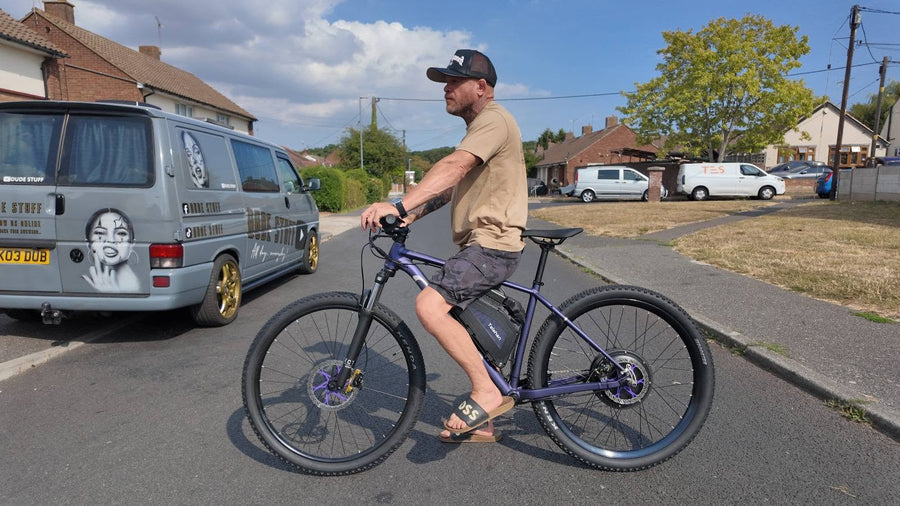
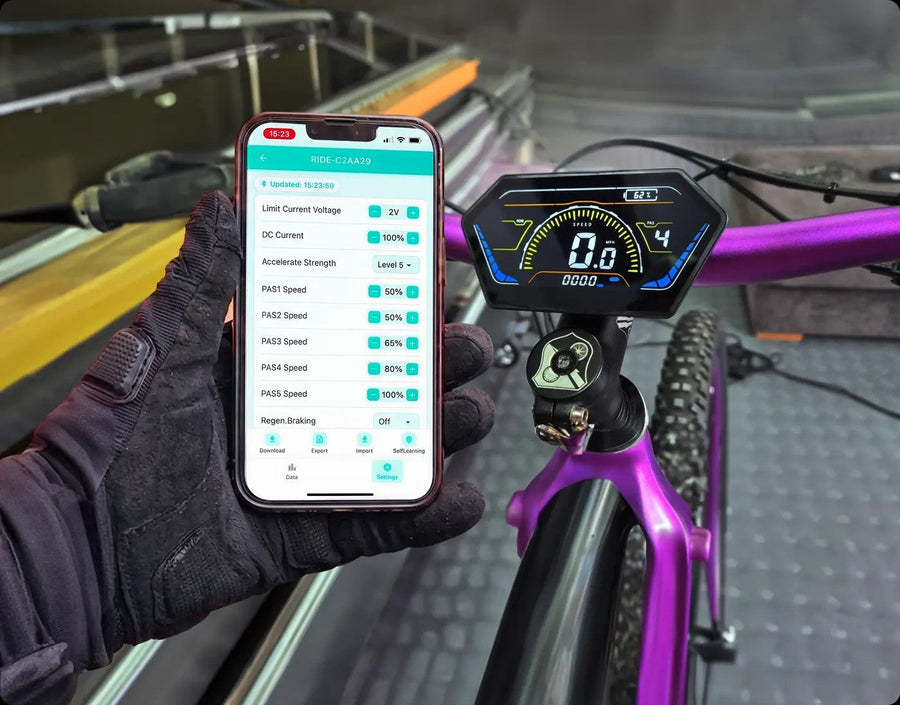
De kit van KirbEbike is de belangrijkste 60V-optie in een veld dat voornamelijk 72V is. De actuele vermelding is een 60V-systeem met 2500W continu / 3000W piek op een MTX-velg, met een 50A sinusgolf FOC-controller die volledig is ingegoten (in hars verzegeld), plus Bluetooth Ride Power app-tuning, 1 jaar garantie en gratis verzending in het VK. Net als de bundel van Torbay en Core, is de prijs inclusief een accu — hier een 60V 20Ah LG 21700-pakket (nominaal 60V, volledig geladen 71,4V, ongeveer 1.260 Wh) met een 60A continue BMS en een 5A lader.
De compromissen zijn eerlijk: met £1.241 kost het veel meer vooraf dan een kale kit, de geclaimde 72+ km/u is lager dan de 80-93 km/u die sommige 72V-kits claimen, en de motor is aan de zwaardere kant (~6,8 kg). Wat je ervoor terugkrijgt is een afgestemd, accu-inbegrepen, via app afstelbaar pakket met een ingegoten controller en een 250W display-schakelaar (handig voor het afstemmen van gedrag, hoewel het een 3000W kit niet legaal maakt voor de weg).

60V 2500W–3000W MTX Velg Kit
Accu inbegrepen — een 60V 20Ah LG-pakket, ingegoten 50A FOC controller, kleuren display en 5A lader. £1.241, 80Nm, 72+ km/u off-road, ~30 minuten installatie, IP66. Kost meer dan een kale kit, maar er is niets anders te kopen.
Core Ebikes 72V 3000W E-Bike Conversie Kit
Getoond als de kale kit (motor, controller, display, alarm, vrijloop, koppelarm); een 72V 20Ah Samsung accu wordt aangeboden als een bundel van £1.097.
E-Bike Power UK 72V 3000W Achterwiel Kit
Een 60A (afgesteld van 80A) controller met een optionele 72V 20Ah 21700-cellen accu; de verkoper stelt duidelijk dat zijn krachtige kits niet legaal zijn voor de openbare weg in het VK.
De Ebike Shop 72V 3000W Kit
Een 72V 60A controller met Samsung-cel accu opties; de accu is een betaalde add-on, apart verzonden. Langste garantie hier met 2 jaar.
Trail Surge 72V 3000W eBike Kit
Een 72V 60A dual controller met een UKC1 Plus kleuren display en single-speed vrijloop; controleer of de accu is inbegrepen voordat u bestelt.
60V vs 72V Stroomverbruik: Waarom Ampères belangrijk zijn
Het meest nuttige idee in deze vergelijking is eenvoudig: watts bestaan uit volts en ampères. Bereik dezelfde 3000W met een lagere spanning en je hebt meer ampères nodig; bereik het met een hogere spanning en je hebt minder nodig. Ampères zijn wat draden verwarmt, connectoren belast en de ontladingslimiet van een accu opzoekt — dit is dus niet academisch.
Zelfde watt, verschillende ampères
Een 60V-systeem heeft mogelijk ongeveer 50A nodig voor 3000W — dus de BMS, controller, connectoren en fasedraden moeten allemaal comfortabel zijn bij die stroomsterkte. Een 72V-systeem heeft ongeveer 42A nodig voor dezelfde 3000W, in theorie zachter voor de bedrading. In de praktijk worden veel 72V-kits geleverd met 60A of zelfs 80A controllers omdat ze gebouwd zijn voor hogere snelheid, dus de werkelijke belasting kan hoger zijn dan de eenvoudige som doet vermoeden.
Waar u op moet letten voordat u koopt
- Continu-ontlaadstroom van de accu (niet alleen de piekwaarde)
- Piekontlaadstroom van de accu en hoe lang deze kan worden gehandhaafd
- Nominale stroom van de controller — en of deze is teruggetuned vanaf een hogere waarde
- Nominale stroom van de BMS: deze moet overeenkomen met of hoger zijn dan de stroomafname van de controller
- Type connector (XT60, XT90, XT150) beoordeeld op de stroom
- Dikte van de kabel en fasedraad
- Warmtebeheer van de controller — ingieten, koeling en montage
Bereik: Het gaat om watturen, niet om volts
Spanning alleen zegt bijna niets over het bereik. Energie is wat telt, en energie is wattuur: volt × ampère-uur. Daarom is het vergelijken van een 60V- en een 72V-pakket alleen zinvol als je de ampère-uren kent.
Waarom 72V niet altijd meer bereik betekent
Een 72V 20Ah accu bevat meer energie dan een 60V 20Ah accu bij hetzelfde ampère-uur. Maar rijders laten die extra energie zelden ongebruikt — ze besteden deze aan hogere snelheid en snellere acceleratie, wat watturen sneller verbruikt. Een 72V-opbouw kan dus meer energie bevatten, maar toch een vergelijkbaar of korter praktijkbereik opleveren als er intensief mee wordt gereden.
Waarom 60V efficiënter kan aanvoelen voor gemengd rijden
Een 60V 3000W opstelling is vaak gemakkelijker te beheren voor rijders die trapondersteuning, een matige gashendel en afwisselend terrein combineren in plaats van vol gas te geven. Ter referentie, KirbEbike geeft voor zijn 60V 20Ah LG-accu een bereik van ongeveer 40-55 km op, met meer beschikbaar bij lage trapondersteuning.

Hoe u het bereik eerlijk kunt testen
Fabrieksopgaven voor het bereik kunnen het beste als schattingen worden beschouwd. Voor een echte vergelijking tussen twee builds, houd alles hetzelfde:
- Zelfde rijder en dezelfde (of een vergelijkbare) fiets en wielmaat
- Zelfde banden en bandenspanning
- Zelfde route, op een vergelijkbare temperatuur en winderige dag
- Zelfde assistentie-/gaspatroon gedurende de hele rit
- Noteer begin- en eindspanning, plus gebruikte watturen als uw display dit weergeeft
- Noteer afstand, hoogteverschil en gemiddelde snelheid
Warmte en Controllerbelasting
Warmte is de stille moordenaar van krachtige kits, en het gaat niet alleen om spanning. Het ontstaat door stroom, efficiëntie van de controller, motorbelasting, heuvelstarts, gasgebruik bij lage snelheid, gewicht van de rijder, luchtweerstand en hoe goed de controller warmte afvoert.
60V warmteprofiel
Met ongeveer 50A voor 3000W is een 60V-build in combinatie met een geschikte 50A-controller een gebalanceerde opstelling. Herhaalde heuvelstarts en zware belastingen genereren nog steeds warmte, dus hoe goed een controller deze afvoert — via de behuizing, het thermische pad en de montage — is van belang voor de levensduur. Harscoating helpt de printplaat te beschermen tegen vocht en trillingen; of het ook koeler loopt, hangt af van de samenstelling en de behuizing, dus beschouw koeling als een aparte vraag van afdichting.
72V warmteprofiel
Een 72V-opbouw verbruikt minder ampères voor hetzelfde wattage, wat de bedradingsstress vermindert. Maar 72V-kits worden vaak sneller bereden en gecombineerd met agressievere 60A–80A-controllers, waardoor de warmte zich eenvoudigweg elders kan verplaatsen. Lagere ampères betekenen niet automatisch een koeler rijdende fiets.
Controller-ampèrewaarden, vergeleken
| Controller | Type bouw | Wat te verwachten |
|---|---|---|
| 50A | Gebalanceerd hoog vermogen | Perfecte match voor een 60V 3000W opstelling |
| 60A | Gebruikelijke 72V-prestaties | Meer snelheid; strengere batterij-/BMS-vereisten |
| 80A | Veel eisende zelfbouw | Alleen zo veilig als het pakket dat het voedt |
Snelheid en acceleratie: wat 3000W echt doet
Het is verleidelijk om één topsnelheid te noemen, maar eerlijke cijfers zijn afhankelijk van de hele constructie en de omstandigheden. Behandel elke "topsnelheid" als een bewering die moet worden geverifieerd, niet als een garantie.
Wat je snelheid daadwerkelijk verandert
Rijdergewicht, wielmaat, bandentype en -druk, controllerstroom, accuspanning onder belasting, wind, helling, totale fietsgewicht en rijpositie beïnvloeden allemaal het cijfer. Twee identieke kits op verschillende fietsen en met verschillende rijders kunnen zeer verschillende resultaten opleveren.
60V vs 72V snelheidsgevoel
Een 60V 3000W-setup voelt over het algemeen sterk en beheersbaar aan bij gemengd rijden. Een 72V-setup kan scherper aanvoelen aan de bovenkant wanneer de controller, batterij en remmen dit allemaal ondersteunen. Gasrespons, stilte en acceleratie worden voornamelijk bepaald door de controller (FOC/sinuskwaliteit), de batterij en fase stroom, de gasklepcurve, de motorwikkelingen en de wielmaat – niet door de spanning op zich. Als je afweegt hoe een goed afgestelde 3000W naafmotor in de praktijk presteert, behandelt deze 3000W prestatievergelijking het gedrag in de praktijk in plaats van de headline-cijfers.
Welke past bij jouw rijstijl
Zware rijder of gebruik met lading
Geef voorrang aan stroomreserve, warmtebeheer, sterkere remmen en robuustere banden boven topsnelheid. Een 60V-opstelling met een bijpassende 50A-controller en een accu met een nominale waarde van 60A is een verstandige, beheersbare basis; een 72V-opstelling werkt ook, maar laat overal meer marge.
Steile heuvels en paden
Hier gaat het om koppel, controllerwarmte en lage-snelheidsbelasting, niet om absolute snelheid. Beide voltages klimmen goed op 3000W; de doorslaggevende factoren zijn koeling, een koppelarm (of twee) en gripvaste banden.
Snel rijden op privéterrein
Dit is waar de extra spanningsreserve van 72V zijn plek verdient — maar alleen in combinatie met verbeterde remmen, een sterk frame en een accu die de stroom kan vasthouden zonder in te zakken. Snelheid die je niet kunt stoppen, is geen prestatie.
Dagelijks gemengd gebruik
Als je niet jaagt op maximale snelheid, is een 60V 3000W setup doorgaans de gemakkelijkere fiets om te bezitten: zachtere stroomvraag, eenvoudiger afstemmen en een voorspelbaarder gevoel van dag tot dag.
Controlelijst voor de pasvorm voordat u een 3000W-kit koopt
Vermogen betekent niets als de kit niet op je fiets past. Doorloop deze voordat je een 60V- of 72V-kit bestelt.
- Wielmaat en velg: gangbare opties zijn 26″, 27.5″ en 29″, met 700C waar een product dit ondersteunt.
- Uitvalbreedte en as: de meeste krachtige naafmotoren gebruiken een massieve vastgeschroefde as met vlakke zijden en hebben open, gesleufde uitvaleinden nodig. Een frame gemarkeerd met "142mm" betekent meestal een 12×142 gesloten steekas, waar deze motoren niet op passen tenzij er een versie voor is ontworpen. Controleer of uw uitvaleinden open sleuven zijn en overeenkomen met het aangegeven astype en de breedte van de motor - niet alleen een breedte in millimeters.
- Aandrijving: veel 72V 3000W kits zijn single-speed of met freewheel gebaseerd. Controleer de freewheel- versus cassettocompatibiliteit zorgvuldig.
- Remmen: hoog vermogen vereist sterke remmen. Controleer de rotorgrootte, remblokken en remklauwen, en overweeg een hydraulische upgrade.
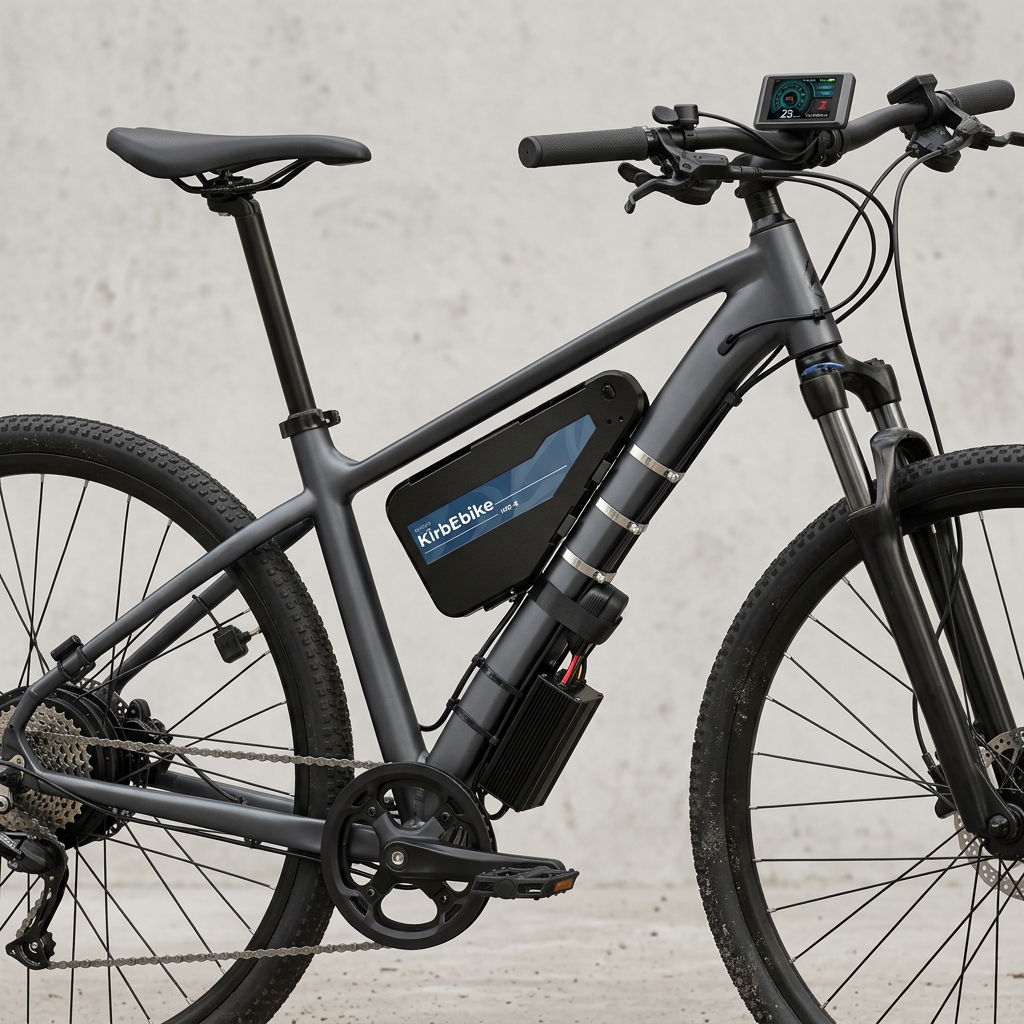
- Montageruimte accu: driehoekige accupakketten hebben frameruimte nodig. Meet de hoogte, lengte en breedte van uw voordriehoek en vergelijk deze met de gepubliceerde afmetingen van het accupakket — plus de speling om het in en uit te schuiven, en de posities van de bidonhouders. Een kartonnen uitsnede van de voetafdruk van het accupakket, vastgeplakt in de driehoek, is een snelle manier om de pasvorm te controleren voordat u bestelt.
Juridische context in het VK: is een 3000W-kit legaal op de weg?
Simpel gezegd: nee. In Groot-Brittannië wordt een omgebouwde fiets alleen behandeld als een normale fiets als deze voldoet aan de eisen van een EAPC — met pedalen, een motor van maximaal 250W continu nominaal vermogen, en ondersteuning die stopt bij 25 km/u. Een 3000W-kit overschrijdt de vermogensvoorwaarde vele malen, dus deze kan niet als een gewone EAPC op openbare wegen of andere openbare plaatsen worden gebruikt. Bij dergelijk gebruik wordt het behandeld als een motorvoertuig en kan het registratie, belasting, verzekering, een rijbewijs en typegoedkeuring vereisen. In de praktijk is het een constructie voor privéterrein of een afgesloten parcours, bereden met toestemming van de grondeigenaar.
Als u daadwerkelijk straatlegaliteit nodig heeft, is het eerlijke antwoord een 250W-kit of een complete straatlegale e-bike, niet een onbegrensde krachtige constructie. Zie de GOV.UK e-bike regels voor de conforme opties in duidelijke taal.
Batterijveiligheid voor krachtige configuraties
Bij 60V of 72V en tientallen ampères is de batterij het onderdeel dat goed moet zijn. Een paar niet-onderhandelbare punten:
Stem batterij, controller en lader op elkaar af
Krachtige kits mogen nooit worden gekoppeld aan een willekeurige accu of een slecht afgestemde lader. De accu, controller en lader moeten zijn ontworpen om samen te werken bij de betrokken stromen.
De BMS moet de controller ondersteunen
Als de controller 50A, 60A of 80A kan trekken, moet de BMS van de batterij zodanig zijn beoordeeld dat deze dit veilig kan leveren. Een accu met een lagere ontladingslimiet dan de stroomafname van de controller is een recept voor inzinkingen, uitval en stress.
Basiselementen opladen en opslag
Volg de oplaadinstructies van de fabrikant, haal de stekker uit het stopcontact zodra het opladen is voltooid, vermijd 's nachts onbeheerd opladen en laad niet op in een hal of deuropening die een vluchtroute vormt. Dit zijn de kernpunten die door Electrical Safety First zijn genoemd.
Veelvoorkomende koopfouten bij 60V en 72V 3000W kits
- Volts vergelijken zonder amps te vergelijken — de twee zijn alleen samen zinvol.
- De ontlaadwaarde van de BMS negeren en ervan uitgaan dat elk pakket voldoet.
- Een batterij kopen die de stroom van de controller niet aankan.
- Aannemen dat 72V automatisch meer bereik betekent — het hangt af van wattuur en hoe je rijdt.
- Vergeten de remmen te upgraden voor de extra snelheid.
- De uitvalbreedte en freewheel-/cassettecompatibiliteit over het hoofd zien.
- Exacte snelheids- of bereikclaims vertrouwen zonder de testomstandigheden te kennen.
- Een 3000W-kit behandelen als een in het VK legaal te gebruiken e-bike.
Conclusie: 60V of 72V voor een 3000W-kit?
Voor de meeste rijders is een 60V 3000W-kit de meest gebalanceerde route: ongeveer 50A voor 3000W, een perfecte match met een 50A-controller en een setup die gemakkelijker te beheren is op gevarieerd terrein en bij dagelijks gebruik. Een 72V 3000W-kit is geschikt voor ervaren bouwers die meer spanningsreserve willen voor snelheid en bereid zijn om de hogere eisen aan de accu, remmen, frame en pasvorm te beheren.
Welke u ook kiest, de beslissing komt neer op stroomafname, wattuur van de batterij, nominaal vermogen van de controller, uw route, uw gewicht en — cruciaal — uw legale gebruik, aangezien beide krachtige systemen buiten de standaard Britse EAPC-openbare-weglimieten vallen. Als de 60V-route bij u past, is de KirbEbike 60V 2500W–3000W MTX-kit een sterke optie met inbegrepen batterij; als u andere vermogensniveaus wilt overwegen, blader dan door de bredere kit- en batterijcollectie. Koop eerst voor pasvorm, veiligheid en legaliteit, en het vermogen regelt zichzelf.
KirbEbike 60V 2500W–3000W MTX Kit
De uitgebalanceerde 60V-route — 50A ingekapselde FOC-controller, LG 21700-pakket en 5A-lader, via app afstembaar, gebouwd voor uw wielmaat. Off-road op vol vermogen, met een 250W-display-schakelaar.
Veelgestelde vragen
Is 60V of 72V beter voor een 3000W kit?
Is een 72V kit sneller dan een 60V kit?
Welke geeft meer bereik, 60V of 72V?
Kan een 60V controller en motor een 72V accu gebruiken?
Welke BMS- en controllerstroom heeft een 3000W-kit nodig?
Welk frame en uitval passen op een 3000W naafkit?
Is een 3000W kit legaal op de weg in het VK?
Bronnen
- GOV.UK — Rijden op een elektrische fiets: de regels. gov.uk/electric-bike-rules
- GOV.UK — Elektrisch ondersteunde fietsen (EAPC's) in Groot-Brittannië: informatieblad. gov.uk
- GOV.UK / OPSS — Update van regelgevende activiteiten: e-bikes, e-scooters en lithium-ionbatterijen. gov.uk/opss
- Electrical Safety First — Lithium-ion batterijen. electricalsafetyfirst.org.uk
- London Fire Brigade — Brandveiligheid van e-bikes en e-scooters. london-fire.gov.uk