Converting your bicycle with an electric motor kit opens endless possibilities, but getting the most from your investment requires proper tuning for your specific riding environment. Whether you're navigating crowded city streets or tackling rugged mountain trails, understanding how to optimize your conversion kit ebike settings makes the difference between adequate performance and an exhilarating ride.
Why Riding Environment Matters
Electric bike conversion kits ship with default settings designed to work acceptably across various conditions. However, these factory configurations rarely deliver optimal performance for specialized use cases. City commuting demands quick acceleration, moderate speeds, and maximum battery efficiency. Off-road adventures require sustained power output, enhanced torque delivery, and responsive throttle control for technical terrain.
The same 1500W kit that feels underpowered on steep mountain trails might waste battery energy with overly aggressive acceleration in urban settings. By adjusting controller parameters, pedal assist levels, and riding modes, you can transform how your converted e-bike behaves without purchasing additional components.
Understanding Your Controller Settings
![]()

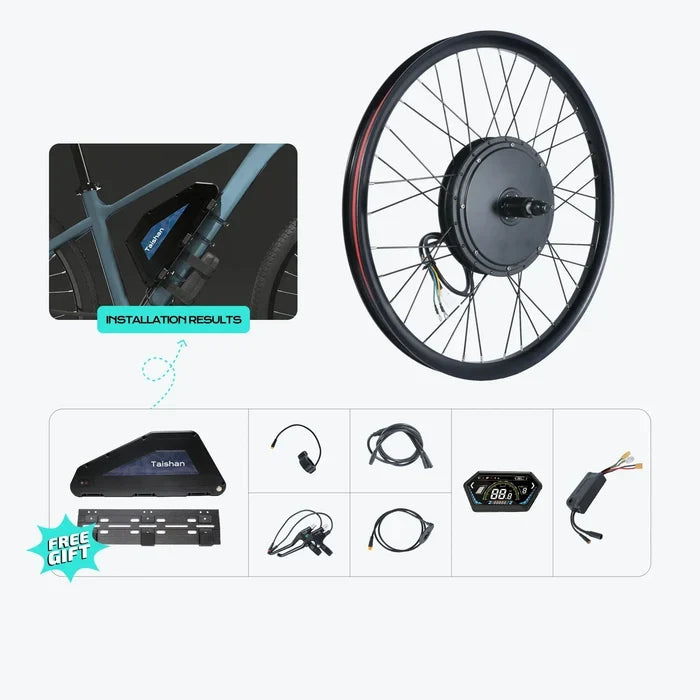
Modern e-bike controllers function as the brain of your electric system, managing power delivery from battery to motor. Most quality conversion kits include programmable controllers that allow detailed customization through LCD displays or smartphone applications.
Key Controller Parameters
Power Output Levels
- Current Limit: Controls maximum amperage drawn from battery
- Speed Limit: Sets top speed restrictions for different riding modes
- Acceleration Curve: Determines how quickly motor reaches full power
Pedal Assist Settings
- PAS Levels: Typically 3-9 assistance levels with adjustable power percentages
- Sensitivity: How quickly motor responds to pedaling input
- Start Current: Initial power boost when pedaling begins
Throttle Configuration
- Throttle Mode: Full power vs speed-limited options
- Throttle Curve: Linear or exponential power delivery
- Start Voltage: Minimum throttle input before motor engages
City Riding Optimization
Urban environments present unique challenges: frequent stops and starts, pedestrian traffic, legal speed restrictions, and the need for extended range. Tuning your kit for city riding prioritizes efficiency, smoothness, and predictable behavior.
Recommended City Settings
|
Parameter
|
Optimal Setting
|
Reason
|
|
Speed Limit
|
25-32 km/h
|
Legal compliance and safety
|
|
Acceleration
|
Moderate
|
Prevents wheel spin on pavement
|
|
PAS Start Current
|
Low (10-15%)
|
Smooth, predictable engagement
|
|
Throttle Response
|
Progressive
|
Better control in traffic
|
|
Battery Current
|
12-15A
|
Maximizes range
|
Display Configuration for City Use
Most conversion kits include displays showing speed, battery level, and distance. For urban riding, configure your display to emphasize:
- Current speed (large, easy-to-read numerals)
- Remaining battery percentage
- Trip distance
- Average speed for efficiency monitoring
Set conservative assist levels as your default. Level 1 or 2 provides sufficient power for flat city streets while preserving battery capacity. Reserve higher assist levels for steep hills or when running late.
Battery Management in Urban Settings
City riding typically involves shorter trips with opportunities to recharge. Optimize battery longevity by:
- Keeping battery charge between 20-80% for daily use
- Using regenerative braking if your controller supports it
- Starting rides in lower assist levels, increasing only when needed
- Avoiding full throttle from complete stops
Off-Road Configuration
Trail riding demands completely different priorities. You need maximum torque for steep climbs, sustained power output, and responsive controls for technical sections. Off-road tuning sacrifices some efficiency for raw performance and reliability in challenging conditions.
Trail-Ready Settings
Power Delivery Adjustments
- Increase current limits to 20-30A for more aggressive acceleration
- Set higher PAS start current (20-30%) for immediate response
- Enable full power throttle override for obstacle navigation
- Adjust acceleration curves for quicker motor engagement
Torque and Climbing Optimization
For off road ebike conversion kit applications, torque delivery matters more than top speed. Mid-drive systems excel here, leveraging your bike's gears for mechanical advantage. If using a hub motor system, these adjustments help:
- Maximum current delivery through controller programming
- Lower speed limits with higher torque output
- Aggressive PAS response for technical climbing
- Throttle configured for immediate full-power access
Suspension and Handling Considerations
While not strictly electronic tuning, off-road performance depends on mechanical setup working with your electric system:
Suspension Settings
- Slightly stiffer compression to handle motor weight
- Adjusted rebound for quicker recovery on rough terrain
- Increased sag to maintain traction on climbs
Tire Pressure
- Lower pressure (25-35 PSI) for better traction
- Tubeless setup recommended to prevent pinch flats
- Aggressive tread patterns for loose conditions
Motor Type Considerations
![]()

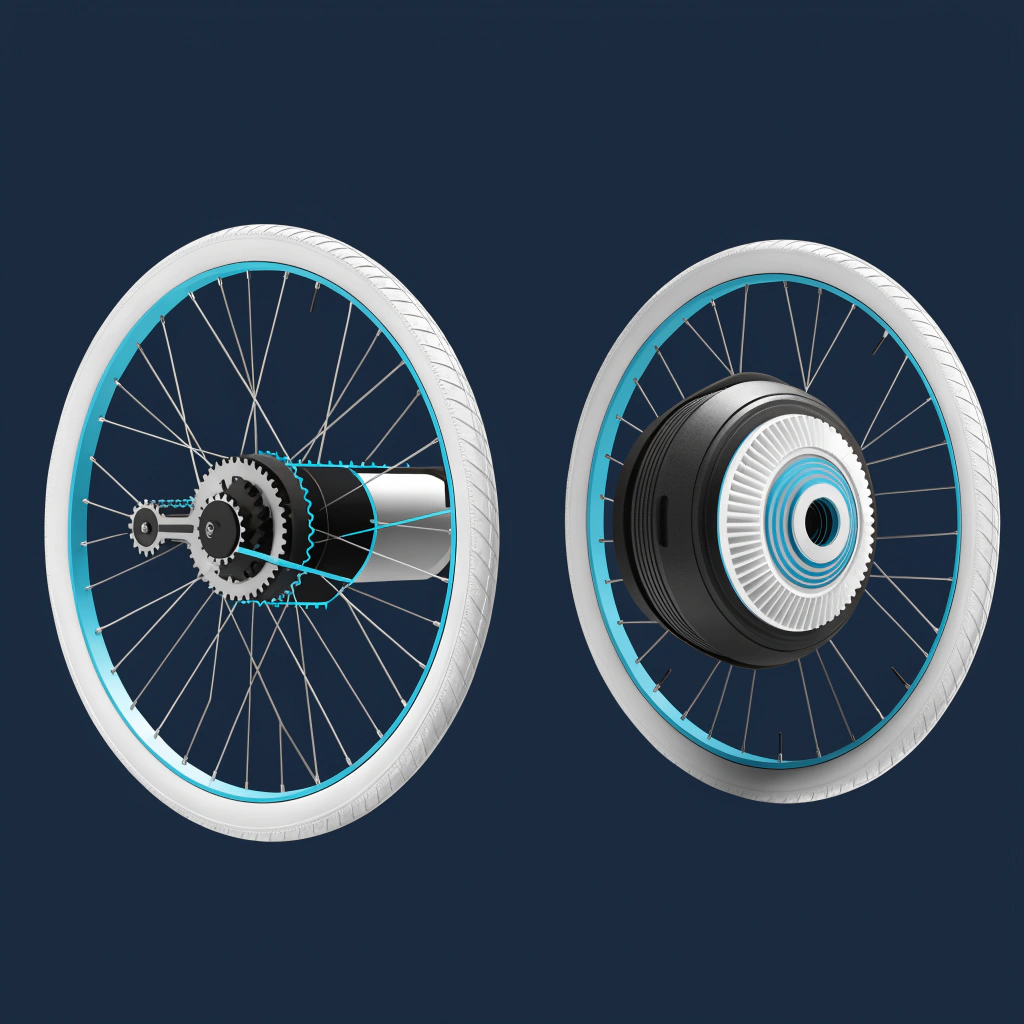
Your motor type significantly influences tuning possibilities and optimal configurations for different environments.
Hub Motor Tuning
Hub motors mount directly in wheel hubs, offering simplicity and reliability. They respond well to controller programming but lack the mechanical advantage of mid-drives.
City Hub Motor Setup
- Prioritize smooth power curves for pavement riding
- Lower current limits extend range significantly
- Speed-based assist works well for consistent urban speeds
- Front hub motors provide better weight distribution for city bikes
Off-Road Hub Motor Setup
- Rear hub placement essential for traction
- Maximum controller current for hill climbing
- Fat tire compatibility improves grip on loose surfaces
- Consider 1500W-3000W systems for serious trail riding
The 52V 2000W and 60V 3000W hub motor systems deliver substantial power for off-road use while remaining manageable in urban settings with proper programming.
Mid-Drive Motor Advantages
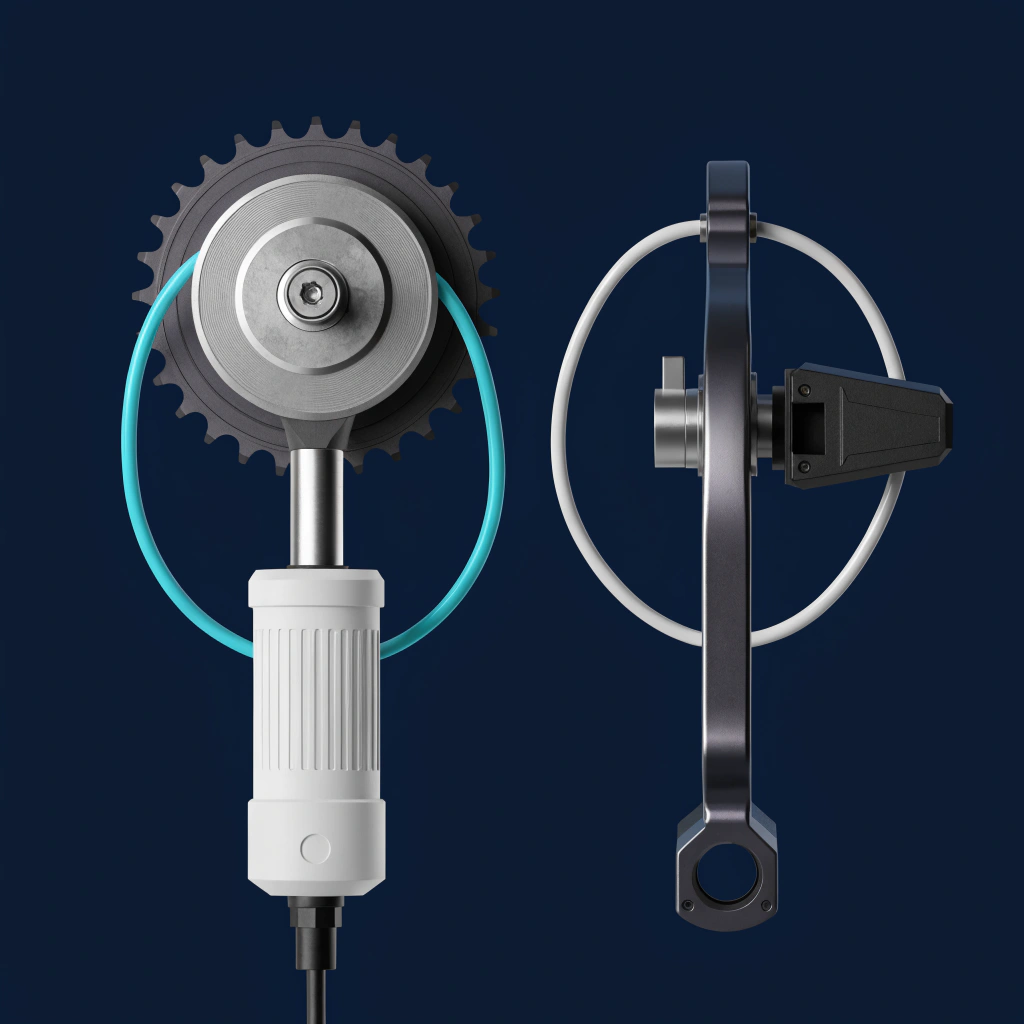
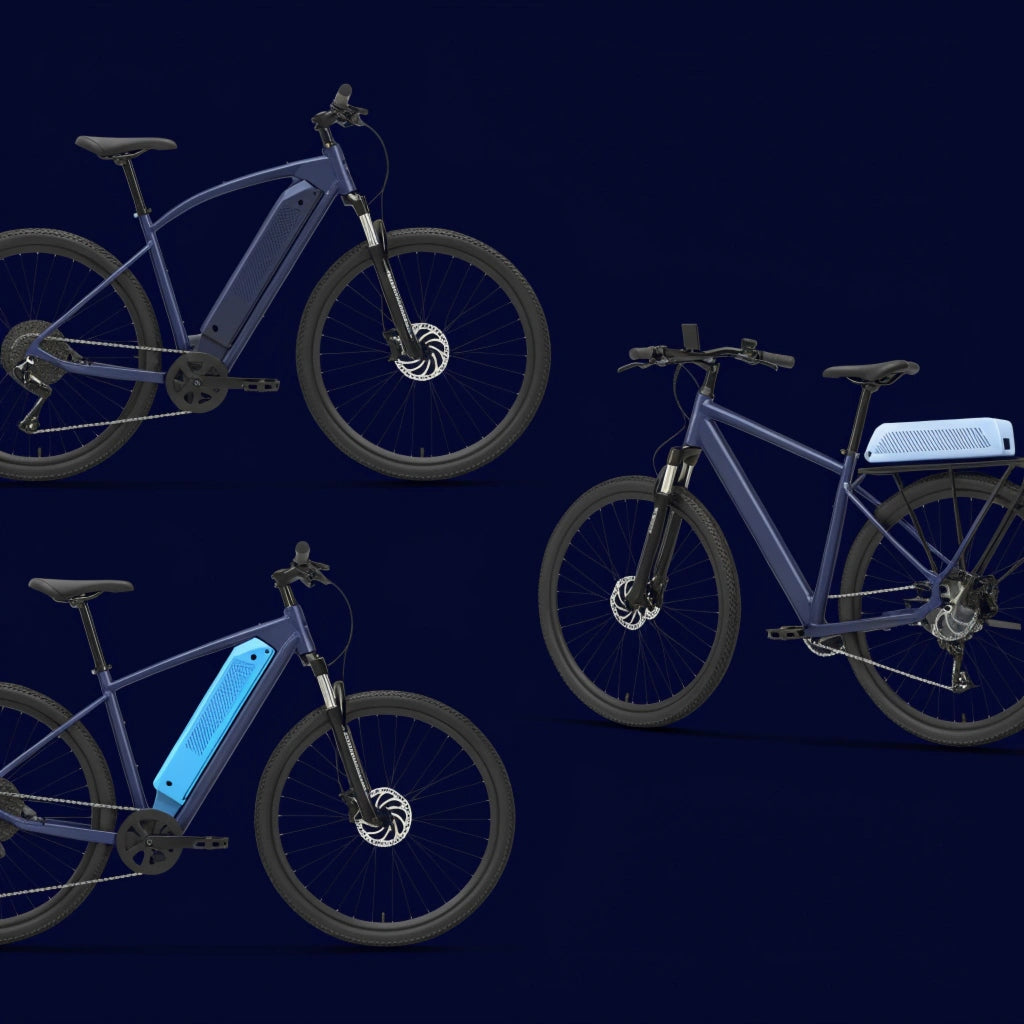
Mid-motor electric conversion kits connect directly to your bicycle's crankset, using existing gears for optimal efficiency across all conditions.
City Mid-Drive Benefits
- Natural pedaling feel suits urban commuting
- Excellent efficiency at moderate speeds
- Lighter weight improves handling
- Better weight distribution for maneuverability
Trail Mid-Drive Superiority
- Gear leverage provides exceptional climbing ability
- Lower motor speeds reduce overheating risk
- Better weight balance for technical terrain
- More natural power delivery for challenging conditions
The Tongsheng TSDZ8 mid-drive system delivers 140Nm of torque, making it particularly effective for off-road applications while remaining perfectly suited to city riding with appropriate settings.
Advanced Programming Techniques
![]()

Beyond basic parameter adjustment, advanced users can fine-tune numerous controller functions for specialized applications.
Custom Assist Level Programming
Most controllers allow independent programming of each pedal assist level. Create distinct profiles:
City Profile Example
- Level 1: 30% power, 20 km/h limit - Maximum efficiency
- Level 2: 50% power, 25 km/h limit - Normal city riding
- Level 3: 75% power, 30 km/h limit - Hills and headwinds
- Level 4: 100% power, 32 km/h limit - Emergency speed
Trail Profile Example
- Level 1: 50% power, No limit - Gentle climbs
- Level 2: 75% power, No limit - Moderate trails
- Level 3: 100% power, No limit - Technical sections
- Level 4: 125% overcurrent, No limit - Extreme climbing
Temperature-Based Adjustments
Controller and motor temperatures affect performance. Quality systems monitor internal temperatures and adjust output to prevent damage.
Heat Management Settings
- Set temperature cutoff thresholds (typically 80-90°C)
- Program gradual power reduction as temperatures rise
- Increase airflow through proper motor mounting
- Consider heat sinks for sustained high-power use
Off-road riding generates significantly more heat than city use due to sustained high-power output. If your system frequently hits thermal limits on trails, consider:
- Upgrading to a higher-capacity controller
- Improving motor ventilation
- Reducing continuous maximum current slightly
- Taking brief cooldown breaks on long climbs
Off-Road Brake Needs
Trail riding demands maximum stopping power:
- Hydraulic disc brakes strongly recommended
- 180mm or 203mm rotors provide necessary power
- Heat dissipation critical for long descents
- Sintered metal pads for wet and muddy conditions
Troubleshooting Common Issues
City Riding Problems
Issue: Inadequate range despite conservative settings Solutions:
- Verify battery health through voltage testing
- Check for dragging brakes increasing resistance
- Confirm tire pressure at recommended levels
- Inspect for loose or damaged electrical connections
- Evaluate if wind resistance from cargo reduces efficiency
Issue: Jerky power delivery at low speeds Solutions:
- Reduce PAS start current percentage
- Enable speed-based assist instead of current-based
- Adjust cadence sensor sensitivity
- Verify proper cadence sensor alignment and gap
Conclusion
Successfully tuning your best ebike conversion kit for specific riding conditions transforms good performance into exceptional experiences. City riders benefit from efficiency-focused configurations that maximize range and provide smooth, predictable power delivery. Trail enthusiasts require aggressive settings prioritizing torque, immediate response, and sustained high-power output.
The versatility of modern conversion kits allows riders to excel in both environments through simple configuration changes. Whether you're navigating urban traffic during the week or exploring mountain trails on weekends, proper tuning ensures your converted e-bike delivers exactly the performance your adventures demand.
Frequently Asked Questions
Can I damage my motor or controller by changing settings?
Quality controllers include built-in protections preventing harmful configurations. Stay within manufacturer specifications for current limits and voltage ratings. Most systems prevent you from setting parameters that could cause damage.
How often should I switch between city and off-road configurations?
Switch as frequently as your riding changes. Modern controllers handle configuration changes without issue. Many riders maintain two separate profiles and toggle between them before each ride based on their destination.
Will aggressive off-road settings void my warranty?
Most manufacturers allow reasonable configuration within system specifications. Avoid exceeding rated current, voltage, or temperature limits. Document factory settings before making changes so you can restore them if warranty service becomes necessary.
Do mid-drive or hub motors work better for mixed-use scenarios?
Mid-drive systems generally provide more versatility due to gear leverage and better weight distribution. However, quality hub motor systems with programmable controllers perform excellently in both environments when properly configured.
How much does proper tuning improve battery range?
Conservative city tuning can improve range by 20-40% compared to aggressive off-road settings. Proper configuration for your specific environment often provides 15-25% better efficiency than factory default settings.
Can I use the same battery for both city and trail riding?
Yes, but capacity requirements differ significantly. A battery providing 70km city range might only deliver 40km on challenging trails. Consider capacity needs for your most demanding use case when selecting battery size.
What's the fastest way to learn optimal settings for my riding style?
Start with conservative settings and gradually increase power parameters while monitoring battery consumption and range. Keep detailed notes about configurations and corresponding performance. Most riders find their ideal settings within 5-10 rides of experimentation.
: invalid url input)
usmile
Liquid error (snippets/blog-best-product line 36): product form must be given a product
Liquid error (snippets/blog-best-product line 59): product form must be given a product