Kiezen tussen een e-bike ombouwset en een complete, in de fabriek gebouwde e-bike is een van de belangrijkste beslissingen voor iedereen die elektrisch fietsen overweegt. Beide opties bieden elektrische ondersteuning, maar ze verschillen dramatisch in kosten, aanpassingsmogelijkheden, installatie, prestaties en langetermijnwaarde.
Het begrijpen van deze verschillen helpt u de optie te kiezen die het beste aansluit bij uw budget, mechanische kennis, fietsdoelen en levensstijl. Deze uitgebreide vergelijking onderzoekt elke kritieke factor om u met duidelijkheid en vertrouwen bij uw beslissing te begeleiden.
Uw Twee Opties Begrijpen
De beste e-bike kits transformeren uw bestaande fiets in een elektrisch aangedreven machine, terwijl fabriekse-bikes complete, geïntegreerde systemen zijn die klaar zijn om te rijden. Elke aanpak heeft onderscheidende kenmerken die aantrekkelijk zijn voor verschillende soorten fietsers en situaties.
Wat is een E-bike Ombouwset?
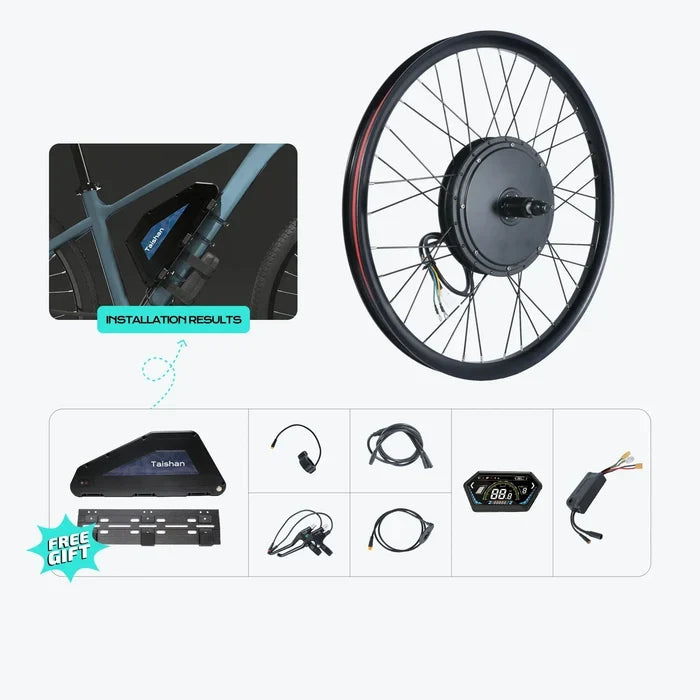
Complete Systeemcomponenten:
- Elektromotor (naaf of middenmotor)
- Lithiumbatterijpakket met BMS-beveiliging
- Motorcontroller
- LCD-display met rijgegevens
- Pedaalassistentiesensor (cadans of koppel)
- Gashendel
- Remonderbrekingssensoren
- Complete kabelboom
- Installatiemateriaal en gereedschap
- Uitgebreide instructies
Installatievereisten:
- 20 minuten voor naafmotorsystemen
- 30-40 minuten voor middenmotorunits
- Basis mechanische vaardigheden nuttig
- Video-tutorials beschikbaar
- Technische ondersteuning geboden
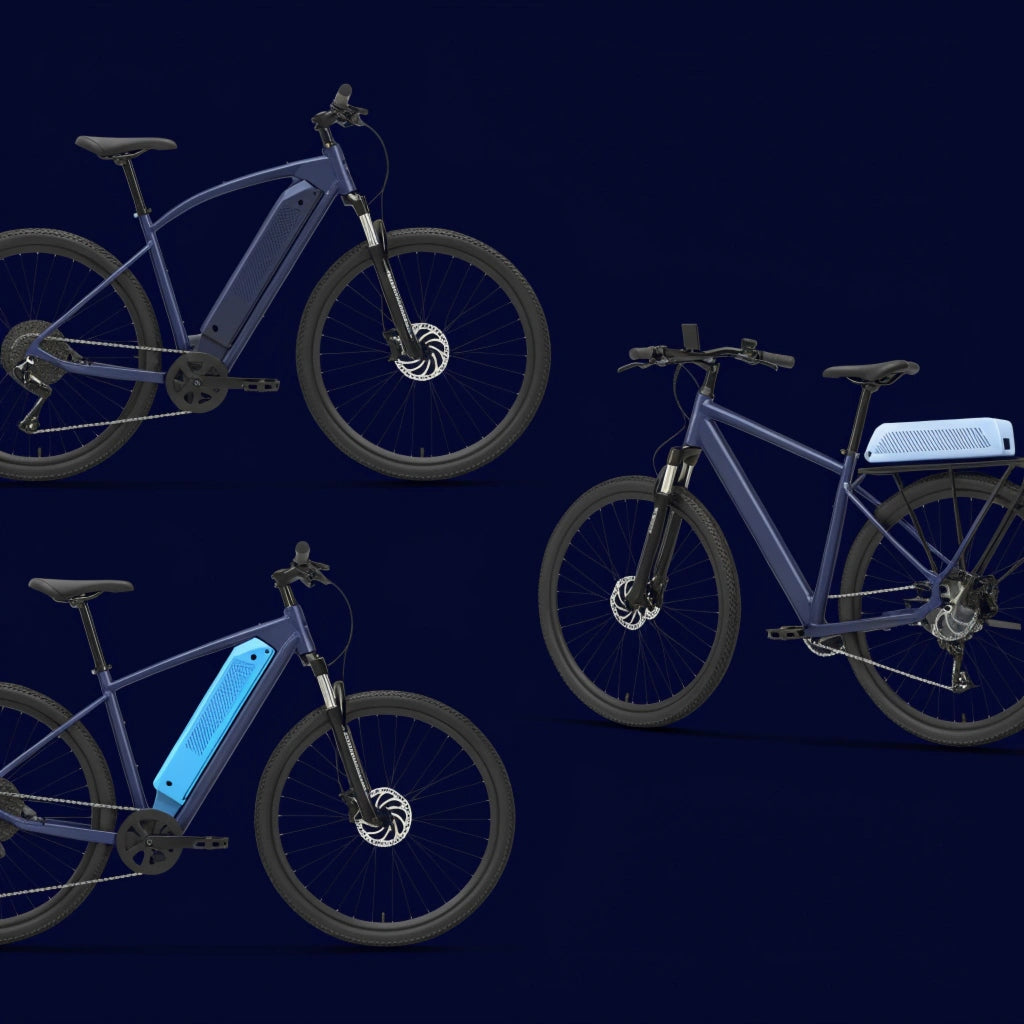
Wat is een Fabrieks-E-bike?
Geïntegreerd Systeem:
- Speciaal gebouwd frame voor elektrische componenten
- Vooraf geïnstalleerde motor en batterij
- In de fabriek afgestelde controller
- Geïntegreerde bedrading en kabels
- Professioneel gemonteerd
- Direct rijklaar
- Uitgebreide garantie
- Dealerondersteuningsnetwerk
Gedetailleerde Vergelijking: Belangrijke Beslissingsfactoren
![]()

Kostenanalyse
Economie van Ombouwsets:
Het financiële voordeel van ombouwsets is aanzienlijk:
- Gebruik bestaand fietsframe (geen extra kosten)
- Betaal alleen voor elektrische componenten
- Vermijd e-bike afschrijving (20-30% eerste jaar)
- Kies precies de benodigde componenten
- Betaal niet voor geïntegreerde functies die u niet zult gebruiken
Financiële Voordelen op Lange Termijn:
- Vervang individuele componenten vs. hele fiets
- Upgrade batterijcapaciteit op elk moment
- Breng de kit over naar andere fietsen
- Betere doorverkoopwaarde door modulariteit
- Lagere totale eigendomskosten
Investering in Fabrieks-E-bike:
- Hogere initiële aankoop vereist
- Afschrijving van de complete fiets
- Gepatenteerde vervangingsonderdelen vaak duur
- Beperkte upgrade-opties
- Potentieel voor vervanging van de hele fiets
Prestaties en Maatwerk
Flexibiliteit van Ombouwsets:
|
Vermogensniveau
|
Snelheidsbereik
|
Beste Toepassingen
|
Maatwerk
|
|
250-500W
|
25-35 km/u
|
Woon-werkverkeer, wettelijke conformiteit, vlak terrein
|
Hoog
|
|
750-1000W
|
45-50 km/u
|
Heuvels, gemengd terrein, dagelijks gebruik
|
Zeer Hoog
|
|
1500-2000W
|
50-60 km/u
|
Prestaties, steile heuvels, fatbikes
|
Extreem
|
|
2500-4000W
|
75-85+ km/u
|
Maximaal vermogen, extreem terrein
|
Onbeperkt
|
Opties voor Batterijcapaciteit:
De keuze van de e-bike kit batterij biedt uitgebreide keuze in bereik:
-
36V 13-16Ah: 30-50km bereik
-
48V 16-20Ah: 35-60km bereik
-
52V 20-30Ah: 40-70km bereik
-
60V-72V 20Ah: 40-80km+ bereik
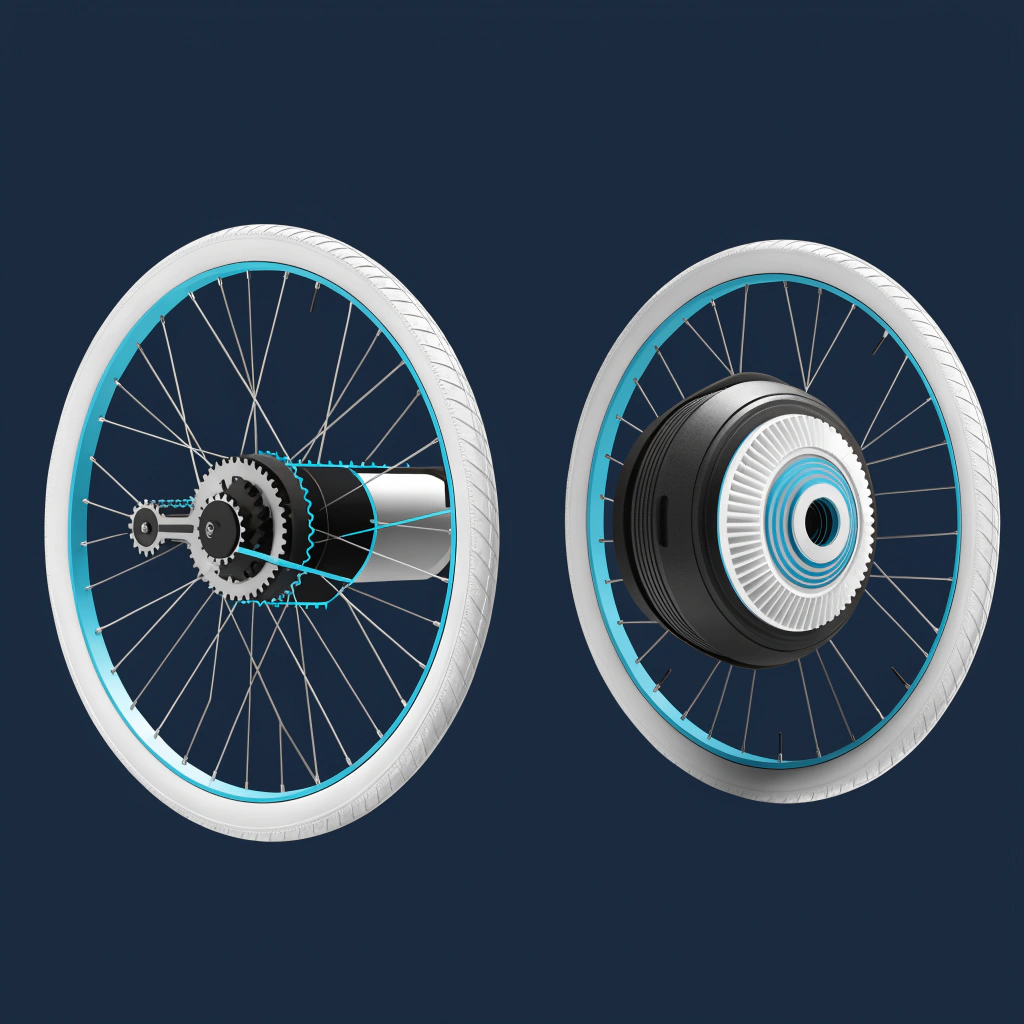
Keuzes voor Motorplaatsing:
-
Voorwielnaaf: Eenvoudige installatie, werkt met de meeste fietsen
-
Achterwielnaaf: Betere tractie, natuurlijk gevoel
-
Middenmotor: Superieur klimvermogen, efficiënt vermogen
Beperkingen van Fabrieks-E-bike:
- Vast vermogen (meestal 250-750W)
- Beperkte opties voor batterij-upgrade
- Eén motortype en -plaatsing
- Gepatenteerde systemen beperken aanpassingen
- Eén configuratie per aankoop
Installatie en Opzet
Installatie van Ombouwset:
Naafmotorsystemen:
- Gemiddelde installatietijd van 20 minuten
- Verwijder bestaand wiel
- Installeer motorwiel
- Monteer batterij en controller
- Sluit componenten aan
- Test systeem
Middenmotorsystemen:
- Installatietijd van 30-40 minuten
- Verwijder trapas
- Installeer motoreenheid
- Monteer batterij
- Sluit alle componenten aan
- Afstellen en testen
Vereiste Vaardigheden:
- Basis mechanisch inzicht
- Comfort met fietsonderhoud
- Vermogen om instructies op te volgen
- Begrip van fietscomponenten
- Geduld bij probleemoplossing
Leervoordelen:
- Begrijp het complete systeem
- Krijg kennis van probleemoplossing
- Ontwikkel zelfvertrouwen bij reparaties
- Leer onderhoudsvereisten
- Bouw mechanische competentie op
Opzet van Fabrieks-E-bike:
- Minimale montage vereist
- Meestal alleen pedalen en stuur
- 10-15 minuten voordat u kunt rijden
- Geen mechanische kennis nodig
- Professionele voormontage
Afwegingen:
- Minder systeembegrip
- Afhankelijk van dealer voor service
- Beperkte zelfreparatiemogelijkheden
- Black box elektronica
- Professionele expertise vereist
Gewicht en Hantering
Gewichtsimpact van Ombouwset:
Toegevoegde Componenten:
- Motor: 2.7-6.8kg (varieert per vermogen)
- Batterij: 2.5-5kg (varieert per capaciteit)
- Controller en bedrading: 0.5-1kg
- Totale toevoeging: typisch 5-13kg
Veranderingen in Hantering:
- Voorwielnaaf beïnvloedt stuurgevoel
- Achterwielnaaf verandert gewichtsverdeling
- Middenmotor behoudt een betere balans
- Toegevoegd gewicht beïnvloedt wendbaarheid
- Trap op dragen moeilijker
Opties voor Gewichtsverdeling:
- Kies de motorplaatsing voor balans
- Selecteer de batterijpositie zorgvuldig
- Optimaliseer voor uw rijstijl
- Pas aan de fietseigenschappen aan
Gewicht van Fabrieks-E-bike:
- Complete fiets geoptimaliseerd voor elektrisch
- Speciaal gebouwde gewichtsverdeling
- Frame ontworpen rond componenten
- Af fabriek uitgebalanceerd
- Geen pre-elektrische basislijn ter vergelijking
Framecompatibiliteit en Veiligheid
Overwegingen voor Ombouwsets:
Framevereisten:
- Stevige constructie zonder scheuren
- Voldoende ruimte voor uitval
- Bevestigingsruimte voor de batterij
- Compatibiliteit remsysteem
- Geschikte materiaalsterkte
Veiligheidsaspecten:
- Kritische koppelarmen voor hoog vermogen
- Regelmatige inspectie van kritieke verbindingen
- Correcte aanhaalmomenten
- Monitoring van framebelasting
- Adequaat remsysteem
Materiaalkeuze:
- Stalen frames uitstekend voor ombouw
- Aluminium frames hebben koppelarmen nodig
- Carbon frames over het algemeen incompatibel
- Titanium frames voorzichtig om te bouwen
Voordelen van fabriekse-bikes:
- Frame geschikt voor motorbelasting
- Ontworpen voor elektrische belasting
- Geïntegreerd veiligheidsontwerp
- Professionele engineering
- Uitgebreide tests
Uitgebreide vergelijkingstabel
|
Factor
|
Ombouwset
|
Fabriekse-bike
|
Winnaar
|
|
Initiële kosten
|
Budgetvriendelijk tot premium
|
Over het algemeen hoger
|
Ombouwset
|
|
Installatietijd
|
20-40 minuten (doe-het-zelf)
|
Meteen klaar
|
Fabriekse-bike
|
|
Maatwerk
|
Onbeperkte opties (250W-4000W)
|
Vaste configuratie
|
Ombouwset
|
|
Vermogensopties
|
250W tot 4000W beschikbaar
|
Meestal 250-750W
|
Ombouwset
|
|
Batterijkeuze
|
Meerdere capaciteiten
|
Vast per model
|
Ombouwset
|
|
Upgrademogelijkheden
|
Uitstekend, elk onderdeel
|
Zeer beperkt
|
Ombouwset
|
|
Esthetiek
|
Functioneel, zichtbaar
|
Geïntegreerd, strak
|
Fabriekse-bike
|
|
Gewicht
|
Voeg 5-13 kg toe aan fiets
|
Geoptimaliseerd vanuit ontwerp
|
Fabriekse-bike
|
|
Framekwaliteit
|
Behoud uw premium frame
|
Varieert per merk
|
Ombouwset
|
|
Systeemkennis
|
Diepgaand begrip
|
Beperkt
|
Ombouwset
|
|
Onderhoud
|
Zelf te doen
|
Dealer-afhankelijk
|
Ombouwset
|
|
Professionele ondersteuning
|
Beperkt lokaal
|
Dealernetwerk
|
Fabriekse-bike
|
|
Beschikbaarheid onderdelen
|
Universele componenten
|
Merkgebonden onderdelen
|
Ombouwset
|
|
Lange termijn waarde
|
Uitstekend
|
Gemiddeld
|
Ombouwset
|
|
Verkoopwaarde
|
Componenten behouden waarde
|
Stevige afschrijving
|
Ombouwset
|
|
Milieu-impact
|
Hergebruik bestaande fiets
|
Nieuwe productie
|
Ombouwset
|
|
Garantie
|
Typisch 1 jaar
|
Typisch 1-2 jaar
|
Gelijkspel
|
: invalid url input)
usmile
Liquid error (snippets/blog-best-product line 36): product form must be given a product
Liquid error (snippets/blog-best-product line 59): product form must be given a product
|