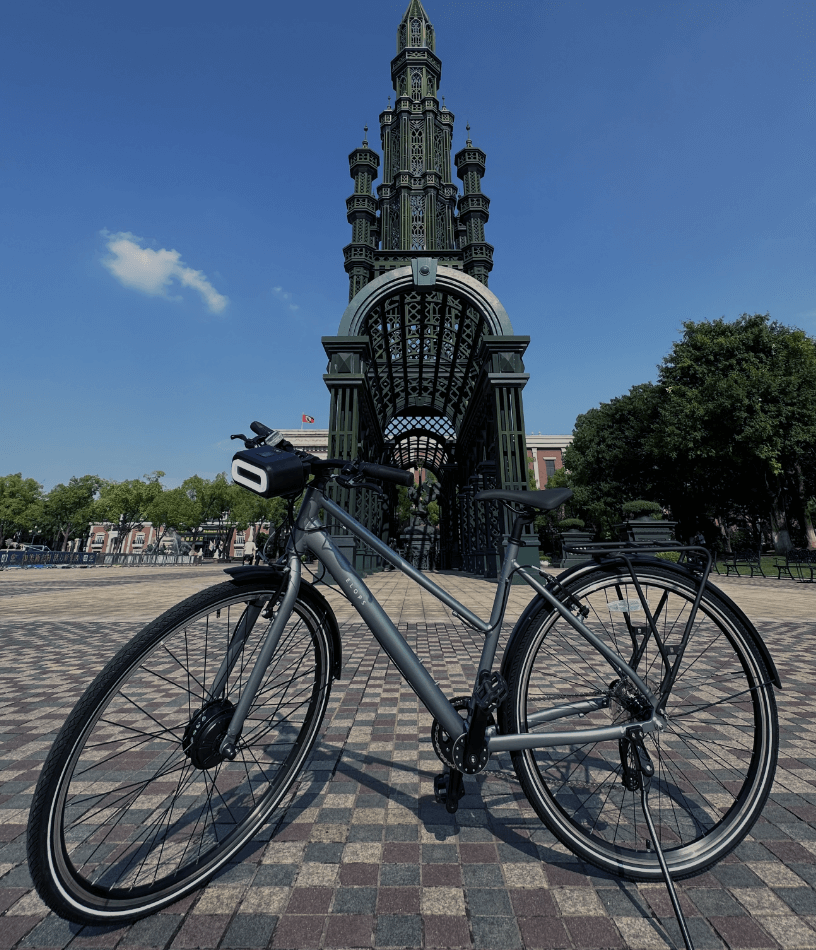
Quick verdict: choose the KirbEbike EZ Rider if you want a high-capacity twin-battery package, an included colour display and a 4A charger. Choose a Swytch MAX or GO configuration if low system weight, a compact power pack and battery-placement choice matter more. Both use a 250W front-hub approach, but they package the battery, controls and accessories very differently.
This comparison uses the manufacturers’ published specifications checked on 26 July 2026. It compares the current KirbEbike EZ Rider with the current Swytch MAX/GO family; it does not mix specifications from discontinued AIR or older single-battery EZ Rider versions. Range and installation figures are manufacturer claims rather than results from a shared independent test.
KirbEbike EZ Rider vs Swytch at a glance
| Feature |
KirbEbike EZ Rider |
Swytch MAX / GO |
| Motor |
36V 250W front hub |
250W front hub; selected rear-wheel options are also listed |
| Published torque |
Check current product specification for selected wheel |
40Nm manufacturer claim |
| Battery |
Two 36V packs: 7Ah + 15Ah, 22Ah combined |
MAX handlebar pack or GO frame pack; several capacity/range versions |
| Claimed range |
40–60 miles with both batteries |
15–20, 30–40 or 45–60 miles depending on power pack |
| Charger |
4A charger listed as included |
2A charger listed as included |
| System weight |
6.0kg with both batteries, according to the 2026 product description |
Approximately 3.5–4kg depending on power pack, according to Swytch |
| Display |
TFT colour display included |
LED/OLED display is an optional extra |
| Claimed installation time |
About 20 minutes |
Usually 25–45 minutes |
| Warranty |
1-year manufacturer warranty |
1-year warranty; Swytch lists an onboarding requirement |
| Best fit |
Range, included controls and an all-in-one package |
Lower weight, portability and battery-placement choice |
Specifications and offers can change. Confirm the exact wheel, battery, accessories, delivery terms and price on the product page before ordering.
The most important difference: battery strategy
The current KirbEbike EZ Rider uses two frame-mounted 36V batteries: 7Ah plus 15Ah, giving 22Ah combined capacity. At a nominal 36V, that is approximately 792Wh of stated combined energy. KirbEbike claims 40–60 miles and lists a 4A charger.
Swytch offers two mounting concepts. MAX clips to a handlebar mount and prioritises quick removal; GO straps or mounts to the frame and keeps weight lower and more central. Current Swytch options claim 15–20, 30–40 or 45–60 miles, with the largest listed pack reaching 378Wh.
Those headline range numbers should not be compared as if they came from the same test. Rider mass, hills, tyre pressure, wind, temperature, assist level and stop-start riding can change consumption dramatically. Watt-hours are the better starting point for comparing stored energy, while real-world range is best estimated from your own route and assist use.
Who wins on range?
On published battery capacity, the EZ Rider has the advantage. The twin-pack layout is designed for riders who want fewer charging stops and do not mind carrying more battery weight. Swytch counters with smaller, lighter power-pack choices: a better fit when the daily journey is short and carrying the battery into an office or flat matters.
Weight and handling
Swytch publishes a combined kit weight of approximately 3.5–4kg, depending on the chosen power pack. The current EZ Rider description lists 6.0kg with both batteries. That difference will be noticeable when lifting the bike or carrying it upstairs.
Placement matters as much as total weight:
-
EZ Rider: the two batteries sit on the frame, keeping their mass away from the handlebar.
-
Swytch MAX: the power pack clips to the handlebar area for very quick removal.
-
Swytch GO: the pack sits on the frame using straps or an optional bottle-cage mount.
If your bike already has lively steering or a light front end, consider how a handlebar pack will affect feel before choosing MAX. If you must lift the converted bike frequently, the total weight advantage of the Swytch system may outweigh the extra capacity of the EZ Rider.
Motor, assistance and ride feel
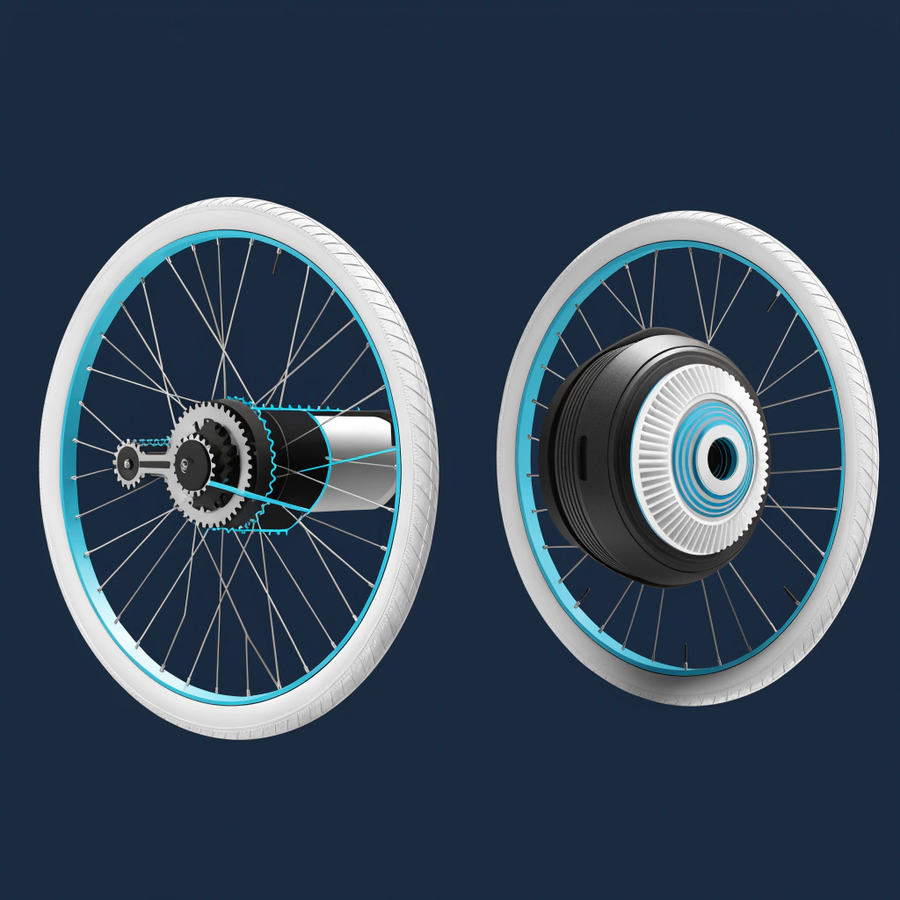
Both systems use a 250W front motor wheel as their standard architecture. Front hubs are popular because they leave the chain, cassette and rear derailleur largely untouched. Power arrives through the front wheel while the rider drives the rear, which is straightforward for commuting and general road use.
Swytch publishes 40Nm for its current motor wheel. The current EZ Rider page focuses on its 36V 250W specification and FOC controller. Because there is no shared laboratory test here, this article does not declare a hill-climbing winner from marketing numbers alone.
For either kit, traction can reduce on loose or wet climbs because the motor is in the front wheel. Smooth assist settings, good tyres and sensible weight distribution help. Riders tackling sustained steep or technical off-road climbs may prefer a mid-drive system that can use the bicycle’s gears; that is a different category covered in our e-bike conversion kit buying guide.
Installation and compatibility
Installation claims are close: KirbEbike says around 20 minutes, while Swytch says 25–45 minutes depending on the pack and installer. Treat both as best-case guidance for a compatible bike. A careful first installation can take longer because wheel fit, brake alignment, cable routing and sensor position all need checking.
Check these measurements before buying
-
Wheel size: read the tyre marking and confirm the exact option, not just a rough rim diameter.
-
Fork dropout width: the universal EZ Rider front wheel is listed for 100mm dropouts; the Brompton option is listed separately at 74mm.
-
Axle and fork material: confirm the axle style and whether a torque arm is required. Carbon forks need particular caution and manufacturer approval.
-
Brakes: confirm rim- or disc-brake compatibility, rotor mounting and caliper clearance.
-
Battery space: measure frame and bottle-cage areas, including clearance when steering and removing the pack.
-
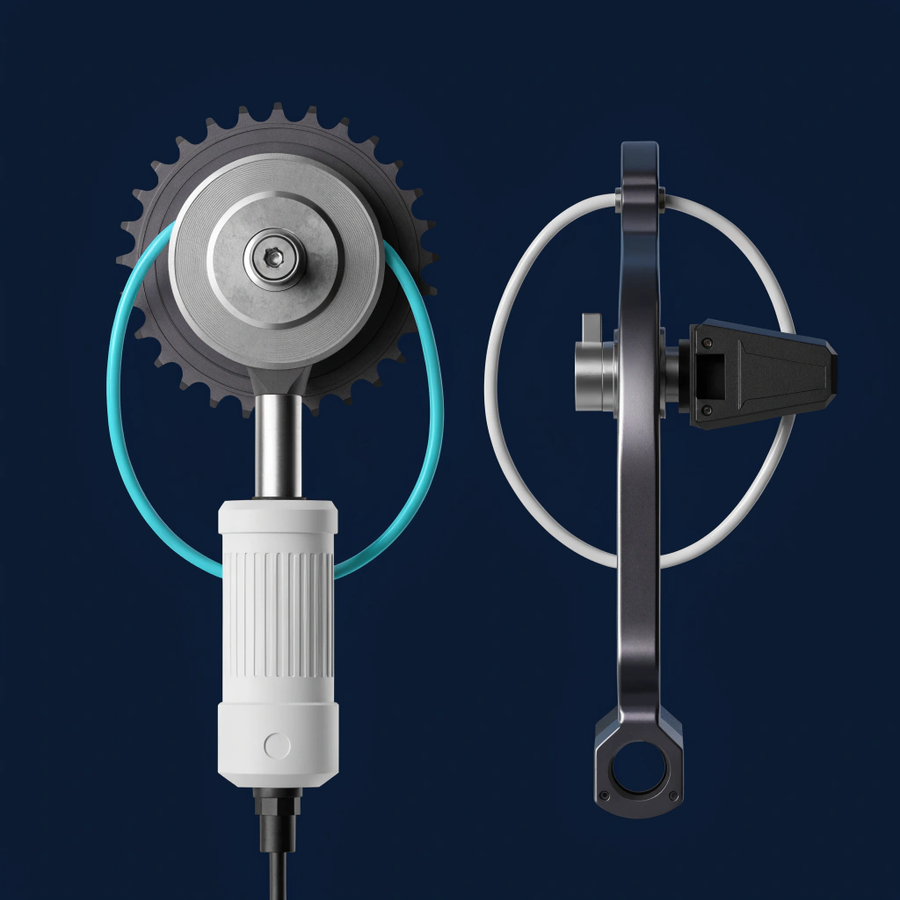
Pedal sensor clearance: make sure the magnet ring and sensor can be fitted without rubbing.
Do not force an axle into dropouts, spread a fork to make it fit or assume “universal” means every frame. See the common e-bike conversion kit installation mistakes before starting.
Which is easier to install?
There is no honest universal winner. Swytch GO reduces separate controller wiring because the controller is integrated into the pack. EZ Rider includes a display and two batteries, which adds components but provides a more complete control setup. The wheel swap is the critical mechanical step in both cases.
Controls, display and everyday use
The EZ Rider includes a TFT colour display, so assist level and ride information are visible without buying a separate display. It also lists a brake sensor and pedal-assist sensor in the package.
Swytch can operate at a default assist setting without a display; an optional LED or OLED display unlocks additional power levels and information. This modular approach suits riders who want the cleanest possible cockpit, but compare the final configured price rather than only the entry offer.
For battery removal, Swytch MAX is the most convenient of the compared layouts: its pack is designed to clip on and off the handlebar mount. EZ Rider provides more capacity but requires managing two packs. GO sits between them, with a frame-based pack available in strapped or lockable mounting arrangements.
Charging time
KirbEbike lists a 4A charger for its 22Ah combined battery setup. Swytch lists a 2A charger and publishes approximately 2.5 to 5.5 hours depending on the selected power pack.
A higher amp rating is only useful when the supplied battery is designed for it. Never connect the EZ Rider charger to another 36V battery merely because the plug appears to fit. For the calculation and safety checks, read our 2A vs 5A e-bike battery charging-time guide.
Price and value: compare like with like
The EZ Rider was listed at £587.99 when this article was checked. Swytch pricing depends on the power pack, wheel and optional display selected through its ordering process, so a single advertised starting price is not a fair comparison.
Build a like-for-like total containing:
- the correct motor wheel and brake configuration;
- the battery capacity needed for your route;
- display or controls you actually want;
- charger, sensors, mounting hardware and necessary tools;
- delivery, taxes and any optional installation support.
EZ Rider’s value case is the amount included: 22Ah combined battery capacity, a 4A charger and colour display. Swytch’s value case is carrying less system weight and paying for a battery size and control layout closer to your needs.
Warranty and support
Both manufacturers currently publish a one-year kit warranty. KirbEbike lists technical support and region-specific repair coverage on its product page. Swytch states that warranty activation requires installation photos or video to be reviewed, after which it offers lifetime technical support.
Read the current warranty terms before purchase and keep the order details, serial numbers and installation photos. A conversion warranty does not automatically cover unrelated bicycle components, wear, poor installation or an incompatible frame.
Road-use rules in Great Britain
Do not rely on a page saying “road legal” without checking the supplied configuration. Under current Great Britain guidance, an electrically assisted pedal cycle must have usable pedals, a motor with maximum continuous rated power no greater than 250W, and electrical assistance that cuts off at 15.5mph. Required markings also apply.
A throttle that propels the bike without pedalling can introduce type-approval requirements, and the Department for Transport says an “off-road mode” capable of motor assistance above 15.5mph does not, in its opinion, comply with EAPC rules. Read the official electric-bike rules and DfT EAPC information sheet.
For either kit, check the exact model, controller settings, throttle configuration and vehicle markings. A high-power motor does not become an EAPC merely because a display speed limit has been selected.
Which kit should you choose?
Choose KirbEbike EZ Rider if:
- you want high published battery capacity for longer rides;
- you prefer a colour display and brake sensor included;
- a 4A charger and fewer long charging sessions matter;
- you have suitable frame space for two batteries;
- you accept the extra weight in exchange for capacity.
Choose Swytch if:
- keeping the converted bike light is the priority;
- you want a compact removable MAX pack or integrated GO layout;
- your daily distance does not require the largest battery;
- you prefer a modular system and do not necessarily need a display;
- the Swytch compatibility checker confirms your exact bike.
Frequently asked questions
Is KirbEbike better than Swytch?
It is better for some priorities, not every rider. EZ Rider offers more stated battery capacity and more included controls; Swytch offers a lighter system and more battery-placement choice.
Which kit has the longest range?
Both manufacturers claim up to 60 miles in their largest current configurations, but the claims are not based on a shared test. EZ Rider publishes 22Ah combined capacity, while Swytch’s largest current pack is listed at up to 378Wh. Compare capacity and estimate consumption for your route.
Which is lighter?
Swytch. It publishes an approximate 3.5–4kg total depending on pack; the current EZ Rider description lists 6.0kg with both batteries.
Will either kit fit any bike?
No conversion kit fits every bike. Confirm wheel size, dropout width, axle type, brake compatibility, fork material, sensor clearance and battery space before ordering.
Are both legal to use on UK roads?
The standard 250W pedal-assist concept can fit EAPC limits, but legality depends on the exact supplied configuration, assistance cut-off, throttle or off-road modes, required markings and installation. Check current official guidance rather than relying on a general product claim.
Final verdict
EZ Rider is the range-and-included-features choice; Swytch is the weight-and-portability choice. Measure the bike first, compare the final configured package, and choose the battery for the distance you actually ride rather than the biggest headline number.
View the current EZ Rider specification or compare other e-bike conversion kits and battery options.