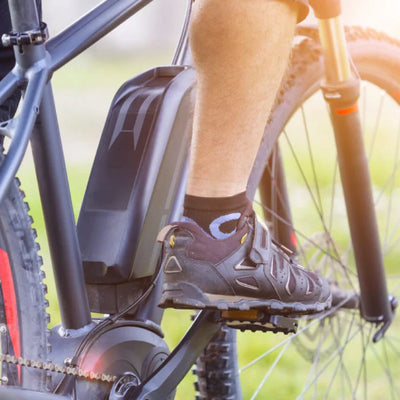
When rugged terrain meets the need for silent, powerful transportation, hunters and outdoor enthusiasts are discovering that electric bikes offer a game-changing advantage.
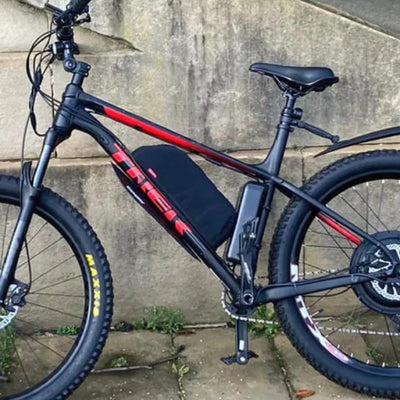
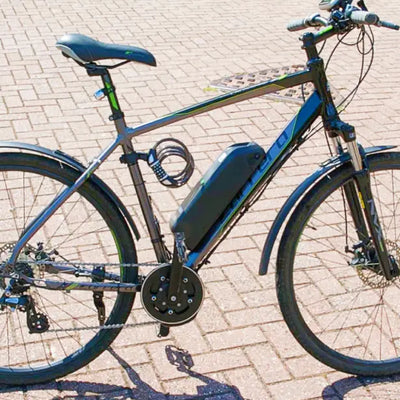
Converting a standard mountain bike into a high-powered e-bike designed for hunting and off-road adventures provides mobility, stealth, and the ability to cover vast distances without exhausting yourself before the hunt even begins.
Why Hunters Are Choosing E-Bike Conversions
![]()

Traditional hunting methods often involve long hikes carrying heavy gear across challenging terrain. E-bikes eliminate this physical burden while maintaining the quiet operation essential for wildlife encounters. Unlike noisy ATVs or motorcycles that can spook game from miles away, electric bikes operate virtually silent, allowing you to approach hunting grounds without disturbing the natural environment.
The conversion kit approach offers significant advantages over purchasing a pre-built e-bike. You can select a rugged frame you trust, customize power levels for your specific terrain, and upgrade components as needed—all while saving considerable money compared to factory e-bikes.
Selecting the Right Base Bike for Hunting Applications
![]()

Your foundation matters tremendously when building a hunting e-bike. Mountain bikes with 26", 27.5", or 29" wheels provide the stability and clearance needed for rough trails. Fat tire bikes excel in snow, sand, and muddy conditions common in hunting environments.
Key frame requirements include:
-
Durable construction: Aluminum or steel frames withstand impacts from rocks and branches
-
Wide tire clearance: Accommodates tires 2.5" or wider for maximum traction
-
Disc brake mounts: Essential for stopping power when carrying heavy loads
-
Cargo capacity: Reinforced rear triangle and rack mounts for hauling equipment
The Kirbebike conversion systems are engineered to fit most standard mountain bike frames, making them ideal candidates for hunting conversions.
Power Requirements for Off-Road Hunting
Hunting terrain demands serious power. Steep inclines, soft ground, and heavy cargo loads require motors that can deliver sustained torque without overheating.
Recommended Power Levels
|
Terrain Type
|
Minimum Power
|
Ideal Power Range
|
|
Moderate trails, rolling hills
|
1000W
|
1000-1500W
|
|
Steep mountain terrain
|
1500W
|
1500-2000W
|
|
Extreme off-road, heavy loads
|
2000W+
|
2000-4000W
|
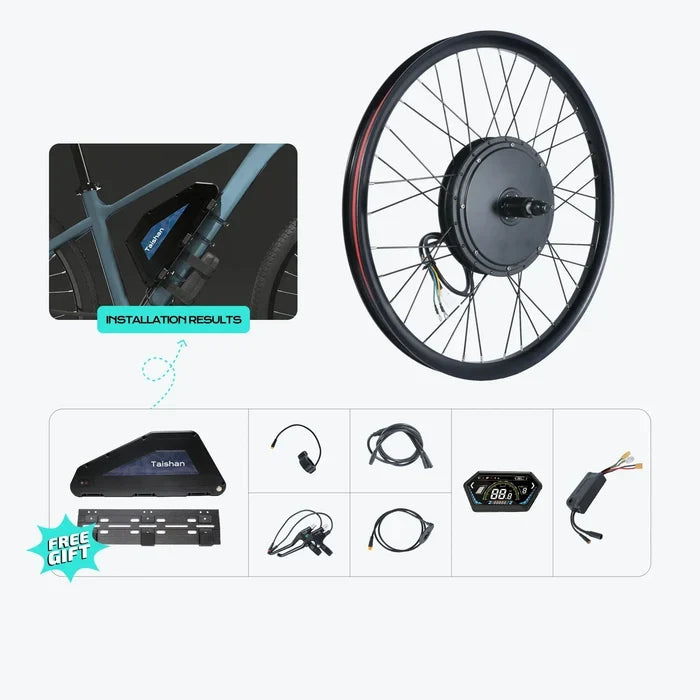
For serious hunting applications, the 52V 2000W MTX Rim Ebike Kit represents an excellent balance of power and reliability. This system delivers speeds of 50-60km/h with a range of 40-60km, sufficient for most hunting expeditions while maintaining the torque needed for challenging climbs.
Extreme terrain hunters should consider the 72V 4000W Extreme Performance Kit, which provides speeds exceeding 75km/h and exceptional hill-climbing capability—ideal for mountain hunting or covering vast distances in remote areas.
Hub Motor vs. Mid-Drive: Which Works Best for Hunting?
![]()

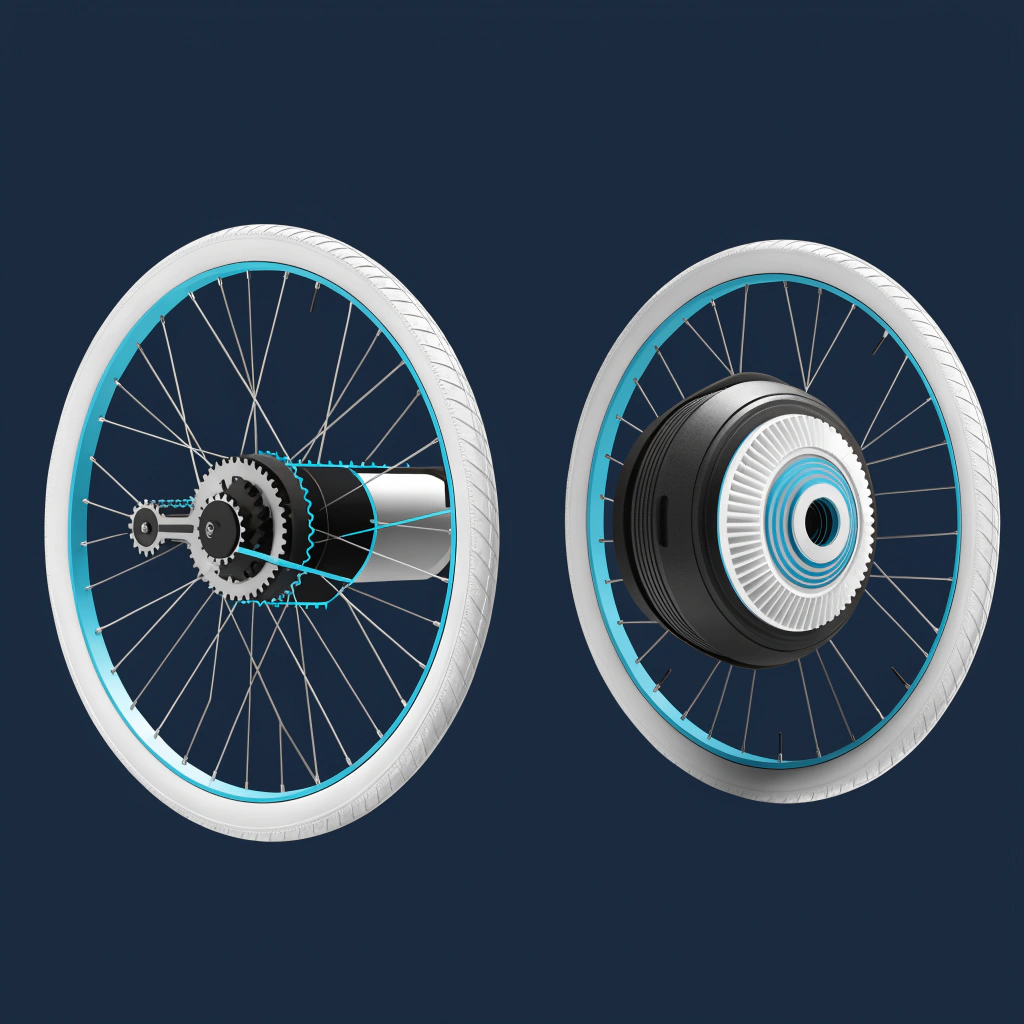
Hub Motors mount directly in the wheel hub and offer several hunting-specific advantages:
- Simpler installation with fewer moving parts
- Lower maintenance requirements in dusty, muddy conditions
- Excellent for carrying heavy loads on flat to moderate terrain
- More affordable initial investment
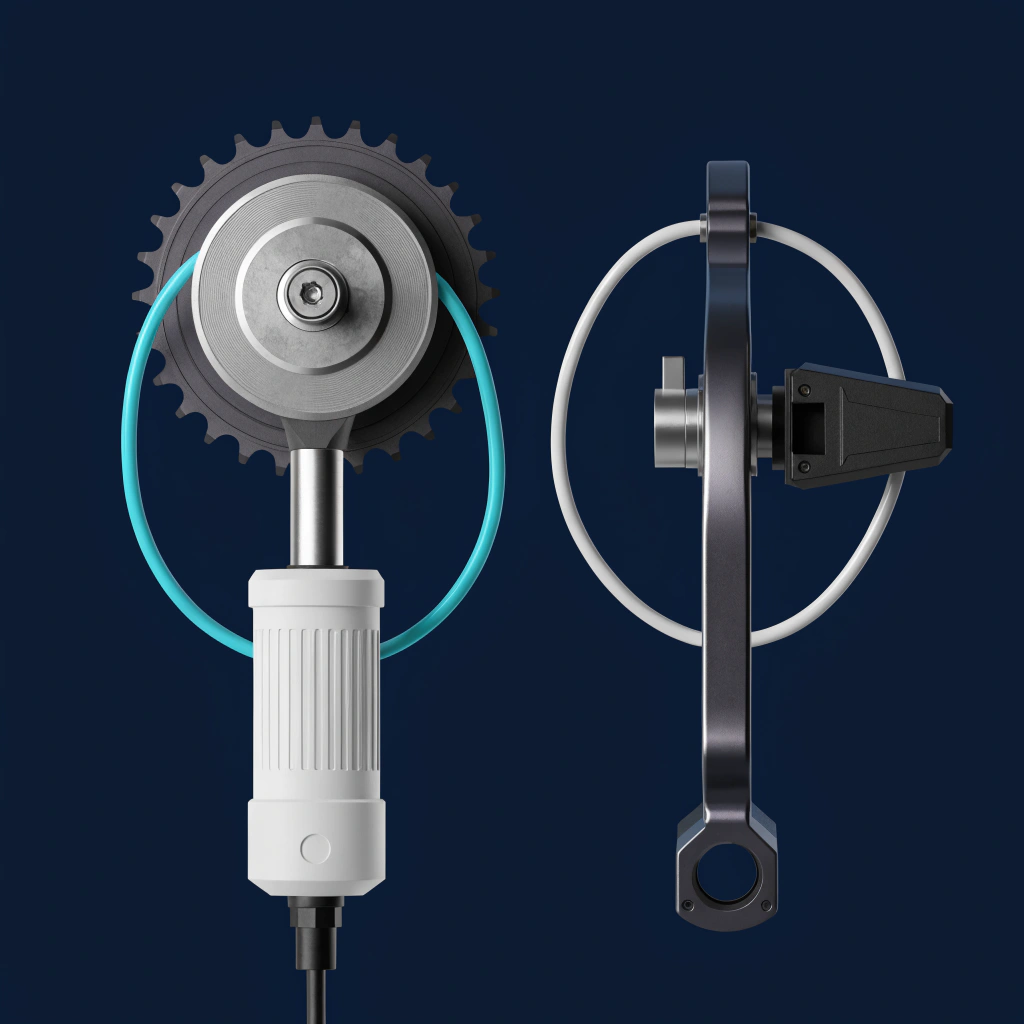
Mid-Drive Motors connect to the bike's crankset and provide:
- Superior climbing performance on steep grades
- Better weight distribution for technical trails
- Ability to leverage bike gears for efficiency
- Enhanced handling characteristics
For hunters who primarily navigate moderate terrain with occasional steep sections, hub motor systems from the ebike conversion kit collection offer reliability and value. The direct-drive design handles the abuse of off-road conditions exceptionally well.
However, if your hunting grounds involve sustained steep climbs or highly technical terrain, the mid-motor electric conversion kit with its torque sensor technology provides natural pedaling feel and maximum climbing efficiency.
Battery Selection for Extended Range
Nothing ruins a hunting trip faster than running out of power miles from camp. Proper battery selection ensures you have sufficient range for multi-hour expeditions plus reserve capacity for unexpected detours.
Battery Capacity Guidelines
36V 15Ah batteries (540Wh): Suitable for short trips of 25-40km on moderate terrain
48V 16-20Ah batteries (768-960Wh): Good all-around choice for 40-80km range depending on terrain and assist level
52V 25-30Ah batteries (1300-1560Wh): Extended range applications, 60-100km+ with conservative riding
60V-72V 20Ah batteries (1200-1440Wh): High-power systems requiring maximum range
Consider these range-affecting factors specific to hunting use:
- Rough terrain reduces range by 20-40% compared to paved roads
- Carrying 20-40kg of gear and equipment decreases range significantly
- Cold weather (below 5°C) can reduce battery capacity by 15-30%
- Frequent stops and starts drain batteries faster than consistent riding
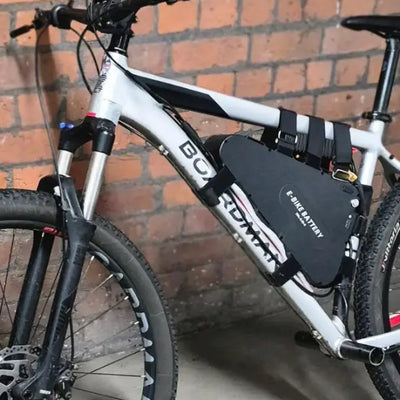
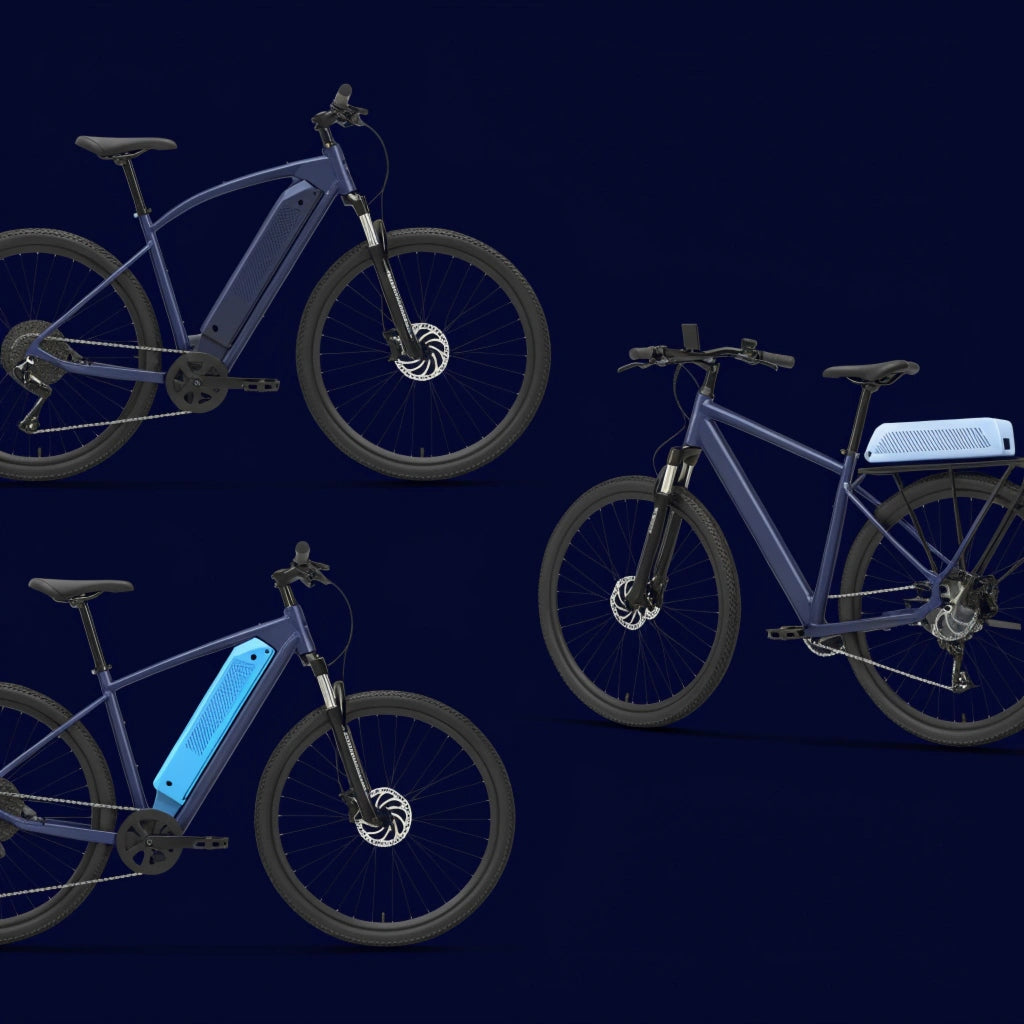
Many experienced hunters carry a second battery pack in their gear, effectively doubling their range and providing critical backup. The modular battery systems in Kirbebike kits make battery swapping quick and practical in the field.
Installation Considerations for Rugged Use
Standard e-bike installations work fine for commuting, but hunting applications require additional reinforcement and weatherproofing.
Frame Protection: Apply clear protective film or frame tape where cables contact the frame. Off-road vibration causes cable wear that can lead to shorts or connection failures.
Cable Management: Route all cables inside the frame whenever possible. External cables snag on brush and branches. Use cable ties every 10-15cm and ensure no loops hang below the frame.
Connector Weatherproofing: Even with IP65-rated connectors, apply dielectric grease to all electrical connections. Wrap critical junctions with self-fusing silicone tape for additional protection against moisture and mud.
Torque Arm Installation: This critical safety component prevents motor axle rotation under high torque. On hunting e-bikes carrying heavy loads and operating in demanding conditions, torque arms are essential—not optional.
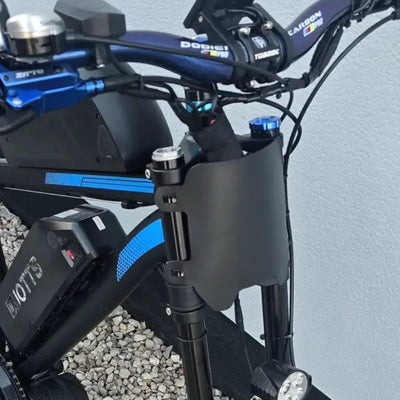
Controller Placement: Mount the controller in a protected location away from direct mud spray. Some builders fabricate custom covers or use the downtube cavity for controller protection.
Optimizing Your Hunting E-Bike Setup
Cargo Solutions
Hunting requires transporting equipment, supplies, and potentially game. Consider these cargo options:
-
Rear racks rated for 25kg+: Essential for carrying day packs and equipment
-
Panniers designed for off-road use: Provide secure storage that won't bounce loose
-
Front baskets or racks: Balance weight distribution and provide quick access
-
Game carriers: Specialized racks designed for transporting harvested animals
Stealth Features
Maintaining low noise levels preserves the hunting advantage:
- Direct-drive hub motors run quieter than geared motors
- Quality controllers eliminate motor "cogging" noise
- Smooth-treaded tires reduce trail noise compared to aggressive knobby patterns
- Regular bearing maintenance prevents squeaks and rattles
Safety Equipment
Remote hunting areas demand proper safety preparation:
- High-capacity lights for dawn/dusk navigation
- Reflective markers for visibility
- First aid kit and emergency tools
- GPS unit or phone with offline maps
- Spare tubes, tire levers, and pump
Legal Considerations and Trail Access
E-bike regulations vary significantly by location and land management agency. Before building your hunting e-bike, research local laws regarding:
Power Limits: Many areas restrict e-bikes to 750W (US) or 250W (UK/EU). Higher-power builds may be classified as motorcycles requiring registration.
Speed Restrictions: Class 1 e-bikes (pedal-assist only, 20mph max) receive broader trail access than Class 3 (28mph) in many jurisdictions.
Public Land Access: National forests, BLM land, and state game lands have varying e-bike policies. Some allow e-bikes on all trails open to traditional bicycles, others prohibit them entirely, and many fall somewhere between.
Private Land: Always obtain permission before riding on private property, regardless of e-bike classification.
Hunting Regulations: Some game management units specifically address motorized vehicle use during hunting seasons. Verify that e-bikes are permitted in your hunting areas.
Understanding these regulations before investing in components ensures you build a legally compliant system that won't jeopardize your hunting privileges.
Real-World Performance Expectations
Experienced hunting e-bike users report these typical performance metrics:
- 3-4 hour battery life with moderate assist on mixed terrain
- Ability to cover 2-3x the distance of traditional foot hunting
- Hill climbing capability that eliminates the need to dismount and push
- Silent operation maintains stealth within 15-20 meters of wildlife
- Gear carrying capacity of 30-50kg when properly equipped
The Kirbebike homepage features customer reviews from hunters and off-road enthusiasts documenting real-world performance across various conditions and terrains.
Maintenance in Field Conditions
Hunting environments subject e-bikes to mud, water, dust, and temperature extremes. Establish a regular maintenance schedule:
After Every Ride:
- Wipe down motor and battery connectors
- Check for loose bolts or damaged cables
- Remove debris from motor and drivetrain
Weekly During Season:
- Inspect tire pressure and tread condition
- Lubricate chain and check tension
- Test all electrical connections
- Verify brake pad condition
Seasonal Maintenance:
- Deep clean all components
- Replace worn cables and housing
- Check wheel bearings and spokes
- Update firmware if applicable
- Load test battery capacity
Conclusion
Converting a mountain bike into a high-powered hunting e-bike opens new possibilities for accessing remote areas, covering more ground, and transporting gear without exhausting yourself. By selecting appropriate components—particularly powerful motors and adequate battery capacity—you create a specialized tool perfectly suited to the unique demands of hunting and off-road use.
The electric bike kit options from Kirbebike provide the performance, reliability, and customization necessary for serious hunting applications. Whether you choose a 2000W hub motor for versatility or a 4000W system for extreme performance, proper installation and maintenance ensure your hunting e-bike remains reliable season after season.
Frequently Asked Questions
What motor power is best for hunting e-bikes?
For general hunting use, 1500-2000W provides excellent performance on varied terrain. Extreme mountain hunters or those carrying heavy loads should consider 2500-4000W systems for maximum climbing power and load capacity.
How far can I travel on a single battery charge while hunting?
Expect 40-60km range with a quality 48V 16Ah battery on moderate terrain with typical hunting gear. Range decreases significantly in steep, rough terrain or when carrying heavy loads. Carrying a second battery doubles your range and provides critical backup.
Are e-bikes legal for hunting on public lands?
Regulations vary widely by location and managing agency. Many areas allow Class 1 e-bikes (pedal-assist, 20mph max) on trails open to traditional bicycles, but restrictions exist. Always verify regulations for your specific hunting area before use.
How do I protect electrical components from weather and mud?
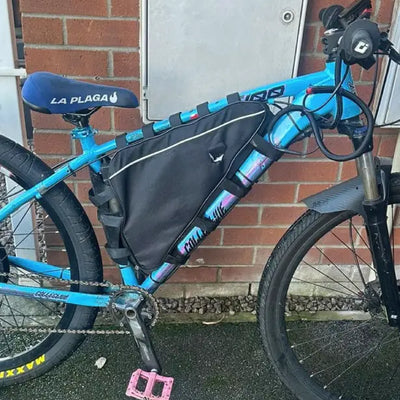
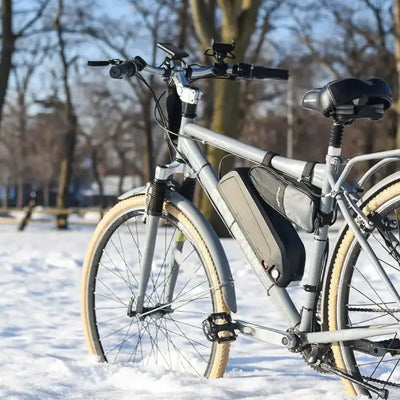
Apply dielectric grease to all connections, wrap critical junctions with silicone tape, and mount the controller in a protected location. Regular cleaning after rides and using frame bags to shield components extends system life in harsh conditions.
Can hub motors handle steep terrain while carrying hunting gear?
Yes, powerful hub motors (2000W+) provide sufficient torque for steep climbs with gear, though mid-drive systems offer better efficiency on sustained grades. The key is selecting adequate power for your specific terrain—underpowered systems struggle with combined weight of rider, gear, and steep inclines.
What battery capacity do I need for all-day hunting trips?
A 48V 20Ah (960Wh) or 52V 25Ah (1300Wh) battery typically supports 6-8 hours of mixed riding in hunting conditions. For full-day expeditions in challenging terrain, consider dual battery setups or carrying a spare for swapping mid-trip.
How quiet are electric bikes compared to ATVs for hunting?
E-bikes operate nearly silent—wildlife typically won't react until you're within 15-20 meters, similar to traditional bicycles. This represents a massive stealth advantage over ATVs or motorcycles that announce your presence from hundreds of meters away.
: invalid url input)
usmile
Liquid error (snippets/blog-best-product line 36): product form must be given a product
Liquid error (snippets/blog-best-product line 59): product form must be given a product