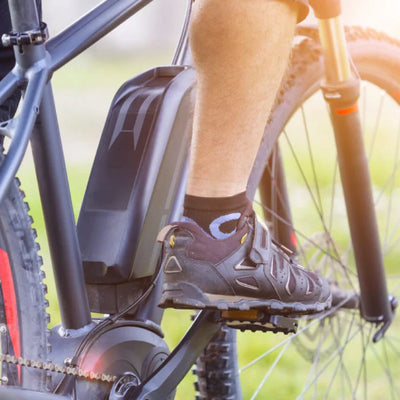
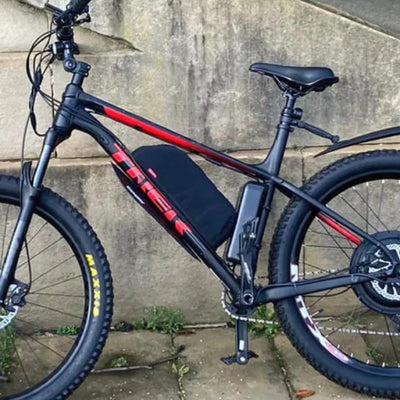
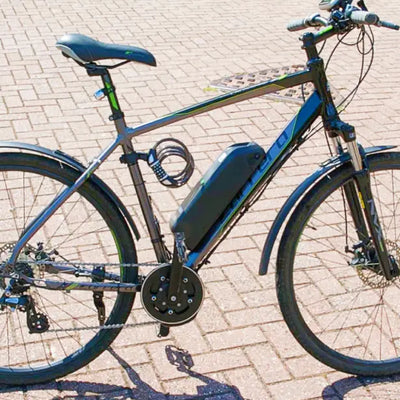
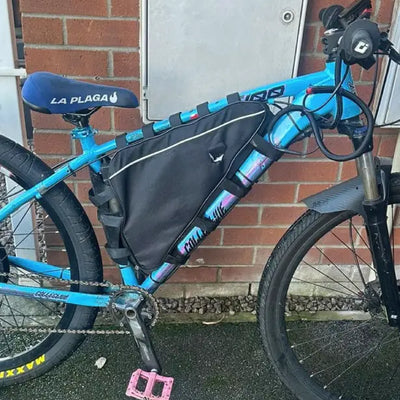
Ooit afgevraagd hoe je je gewone fiets kunt omtoveren tot een elektrische fiets zonder een fortuin uit te geven? Een e-bike ombouwset is misschien precies wat je zoekt. Met deze innovatieve systemen kun je je bestaande fiets upgraden met elektrische aandrijving, waardoor je het beste van twee werelden krijgt – je vertrouwde rit met moderne elektrische ondersteuning. Of je nu steile heuvels wilt bedwingen, je woon-werkverkeer wilt verlengen, of gewoon comfortabeler wilt fietsen, begrijpen hoe deze kits werken is de eerste stap naar je e-bike transformatie.
E-bike ombouwsets begrijpen
Een e-bike ombouwset is een compleet systeem van componenten dat is ontworpen om elektrische aandrijving toe te voegen aan je conventionele fiets. In plaats van een volledig nieuwe elektrische fiets aan te schaffen, kun je met deze kits je bestaande fietsframe en componenten behouden, terwijl je de motor, accu, controller en display toevoegt die nodig zijn voor elektrische ondersteuning.
De schoonheid van ombouwsets ligt in hun veelzijdigheid. Met de beste e-bike kit-opties kun je het vermogen, de actieradius en de functies aanpassen aan je specifieke rijbehoeften en budget.
Kerncomponenten van een e-bike ombouwset
Elke ombouwset bevat verschillende essentiële componenten die samenwerken om elektrische ondersteuning te bieden:
Motorsysteem
- Naafmotor (voor- of achterwiel) of middenmotor
- Vermogensklassen variëren doorgaans van 250W tot 4000W
- Verschillende motoren passen bij verschillende rijstijlen en terreinen
Accupakket
- Lithium-ion accu's zijn standaard
- Capaciteiten variëren van 7Ah tot 30Ah
- Voltage-opties omvatten 36V, 48V, 52V, 60V en 72V
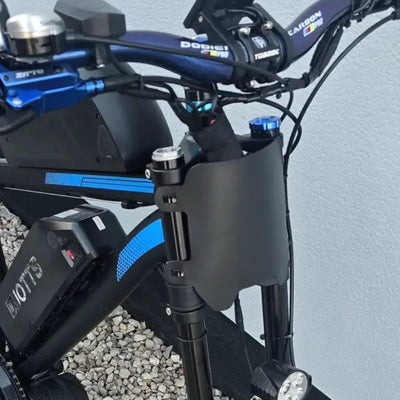
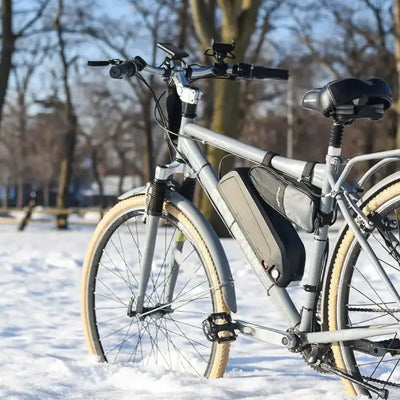
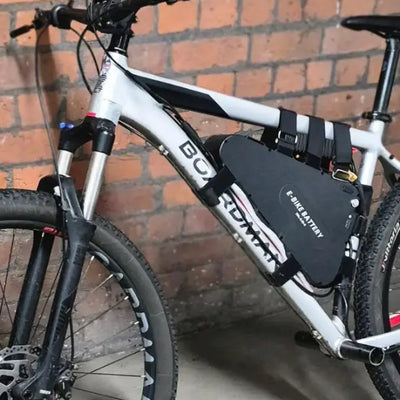
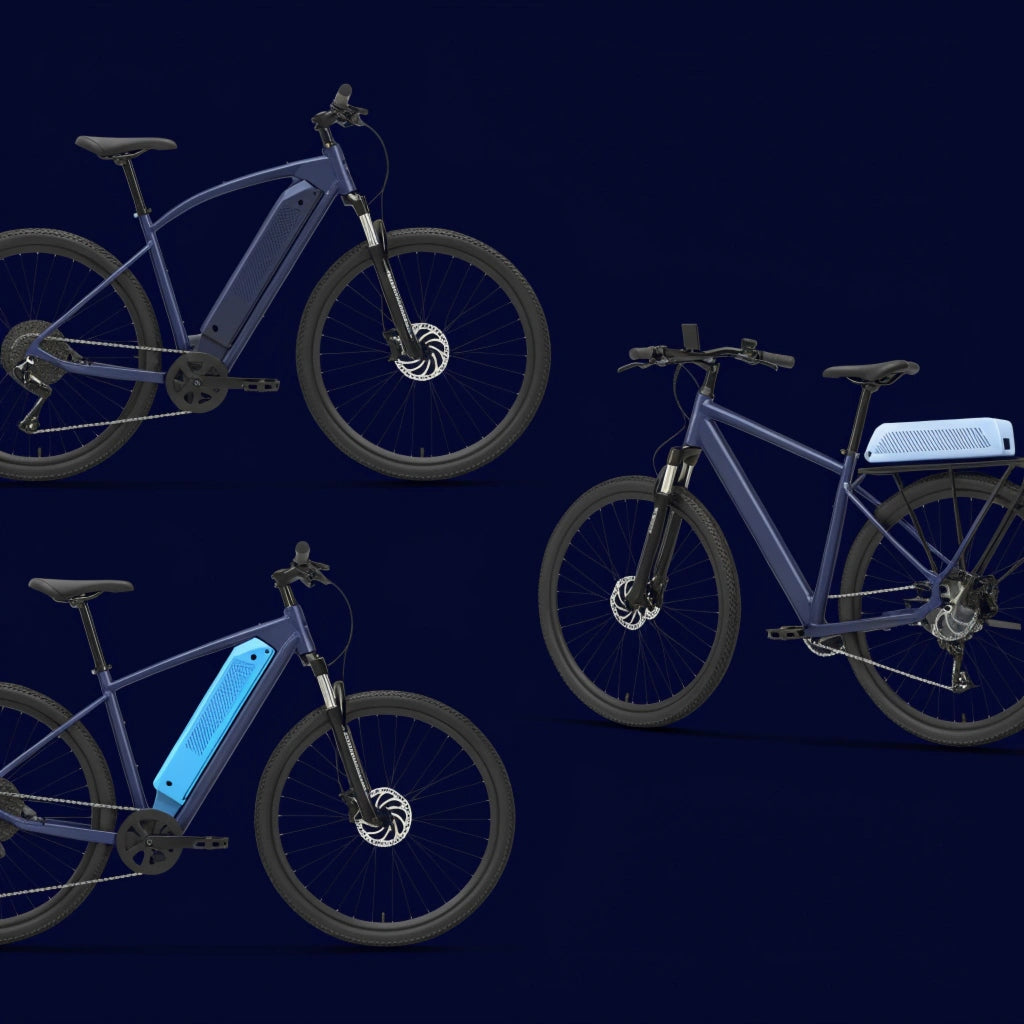
- Gemonteerd op frame, bagagedrager of onderbuis
Controller
Display-eenheid
- Toont snelheid, accuniveau en afstand
- Hiermee kun je ondersteuningsniveaus aanpassen
- Biedt reisinformatie
Extra componenten
- Gashendel (duim- of draaigreep)
- Pedaalassistentiesensor (cadans- of koppelgebaseerd)
- Remhendels met motoruitschakelaars
- Bedrading die alle componenten verbindt
Soorten e-bike ombouwsets
Naafmotor kits
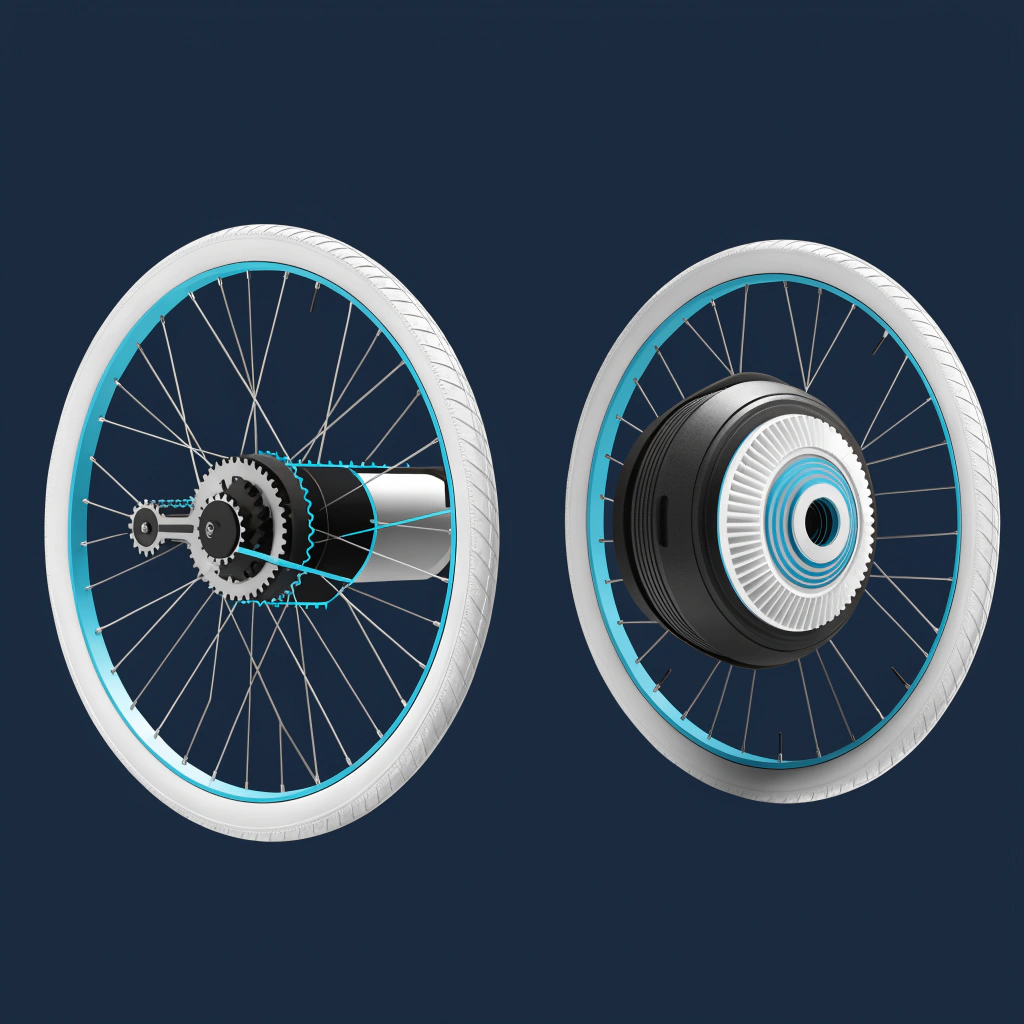
Naafmotorkits zijn de populairste keuze voor ombouw. De motor is direct ingebouwd in het voor- of achterwiel, ter vervanging van je bestaande wiel.
Naafmotoren in voorwiel
- Eenvoudigst te installeren
- Werkt met de meeste fietsframes
- Ideaal voor woon-werkverkeer en recreatief fietsen
- Verkrijgbaar in vermogens van 250W tot 1000W
Naafmotoren in achterwiel
- Betere gewichtsverdeling
- Natuurlijker rijgevoel
- Geschikt voor toepassingen met hoger vermogen
- Vermogens variëren van 500W tot 4000W
Middenmotor kits
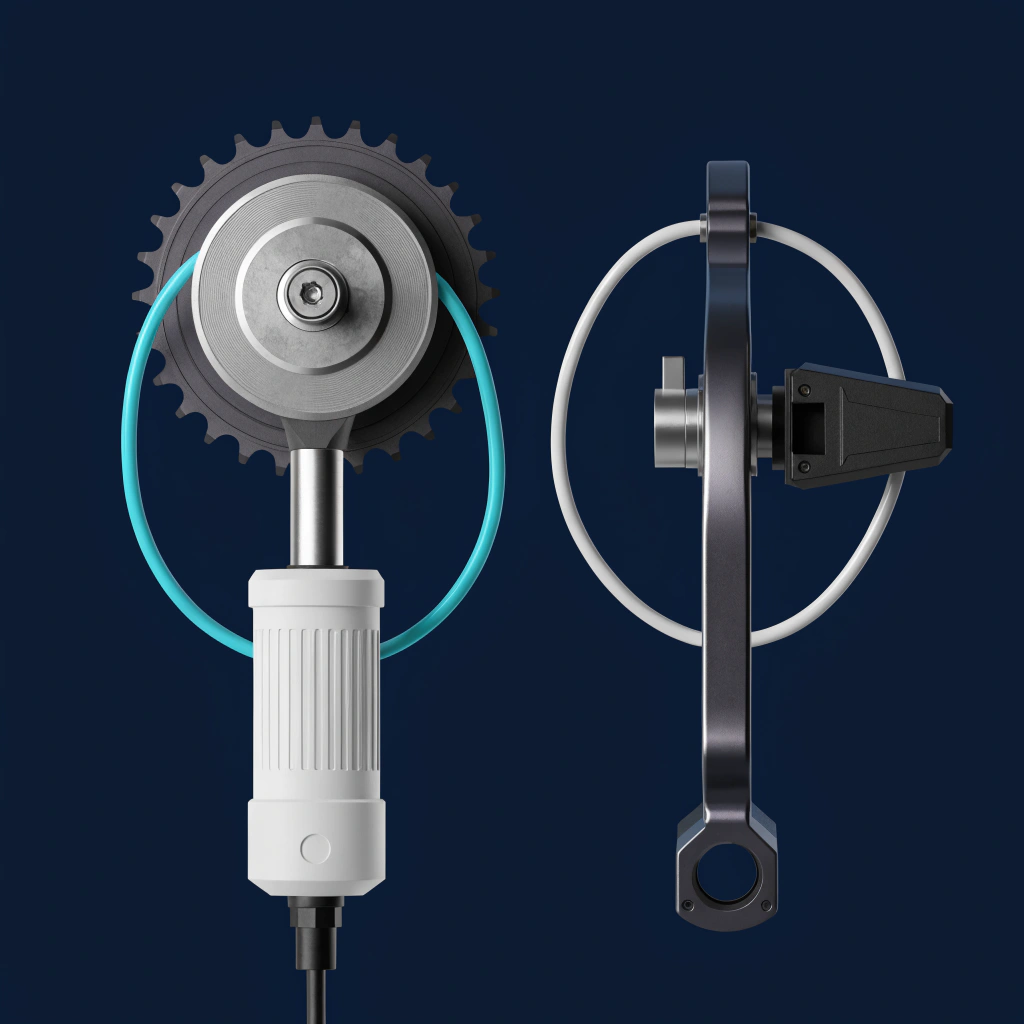
De middenmotor elektrische ombouwset wordt gemonteerd bij de trapas van de fiets, en drijft de cranks direct aan. Dit systeem biedt verschillende voordelen:
- Superieur klimvermogen met een maximaal koppel van 140 Nm
- Betere gewichtsverdeling
- Efficiënter gebruik van fietsversnellingen
- Natuurlijk pedaalgevoel met koppelsensoren
- Compact motor gewicht van 4,8 kg
Middenmotorsystemen zoals de Tongsheng TSDZ8 zijn bijzonder effectief voor mountainbiken en uitdagend terrein, en zijn verkrijgbaar in configuraties van 500W en 750W.
Hoe e-bike ombouwsets werken
![]()

Systeem voor stroomtoevoer
Wanneer je trapt of de gashendel bedient, komt het systeem in actie via een geavanceerd proces:
-
Detectie door sensor: De pedaalassistentiesensor detecteert je trapbeweging (cadanssensor) of de uitgeoefende kracht (koppelsensor)
-
Signaalverwerking: De controller ontvangt het sensorsignaal en bepaalt de juiste vermogensafgifte
-
Stroomverdeling: Accustroom vloeit naar de motor op basis van het door jou gekozen ondersteuningsniveau
-
Motoraanschakeling: De motor levert extra kracht om de fiets vooruit te helpen
-
Snelheidsregeling: De controller handhaaft snelheidslimieten en beheert het vermogen efficiënt
Pedaalondersteuning vs. Gashendelbediening
De meeste ombouwsets bieden twee methoden voor elektrische ondersteuning:
Pedaalondersteuning (PAS)
- Motor wordt geactiveerd wanneer je trapt
- Meerdere ondersteuningsniveaus (meestal 0-5 of 0-9)
- Voelt natuurlijker aan en verlengt de accuduur
- Vereist voor legaal gebruik op de weg in veel rechtsgebieden
Gashendelbediening
- On-demand vermogen zonder te trappen
- Vergelijkbaar met de bediening van een motor of scooter
- Handig voor wegrijden vanuit stilstand of om benen te laten rusten
- Kan in sommige gebieden onderhevig zijn aan wettelijke beperkingen
De juiste ombouwset kiezen
Vermogensvereisten
Het kiezen van het juiste vermogen hangt af van je rijomstandigheden en doelen:
|
Vermogensniveau
|
Het beste voor
|
Max. snelheid
|
Typische actieradius
|
|
250W-500W
|
Stadsverkeer, vlak terrein, wettelijke conformiteit
|
25-35 km/u
|
40-70 km
|
|
750W-1000W
|
Heuvels, matig off-road, dagelijks woon-werkverkeer
|
45-50 km/u
|
35-60 km
|
|
1500W-2000W
|
Steile heuvels, fatbike's, prestaties
|
50-60 km/u
|
40-60 km
|
|
2500W-3000W
|
Extreem terrein, hoge prestaties
|
75-85 km/u
|
40-80 km
|
|
4000W
|
MTB, fatbike, maximale prestaties
|
75-85 km/u+
|
40-80 km
|
Overwegingen inzake accucapaciteit
De accukeuze heeft een aanzienlijke invloed op je rijbereik en algemene prestaties. De ebike kit accu-opties omvatten:
-
36V 13-16Ah: Instapniveau, geschikt voor kortere ritten
-
48V 16-20Ah: Middenklasse, ideaal voor dagelijks gebruik
-
52V 20-30Ah: Hoge capaciteit, grotere actieradius
-
60V-72V 20Ah: Premium prestaties en actieradius
Te overwegen accukenmerken:
- LG-merkcellen voor betrouwbaarheid en lange levensduur
- Batterijbeheersysteem (BMS) voor veiligheid
- Levensduur van 1000+ laadcycli
- Geïntegreerd vergrendelmechanisme
- Waterdichte constructie
Compatibiliteit wielmaat
Ombouwsets zijn verkrijgbaar voor vrijwel elke fiets met deze wielmaten:
- 16" (vouwfietsen zoals Brompton)
- 20" (vouwfietsen, driewielers)
- 26" (mountainbikes, cruisers, fatbikes)
- 27,5" (moderne mountainbikes)
- 28" (hybride, toerfietsen)
- 29" (mountainbikes)
- 700C (racefietsen, hybrides)
Installatieproces
Wat zit er in een ombouwset
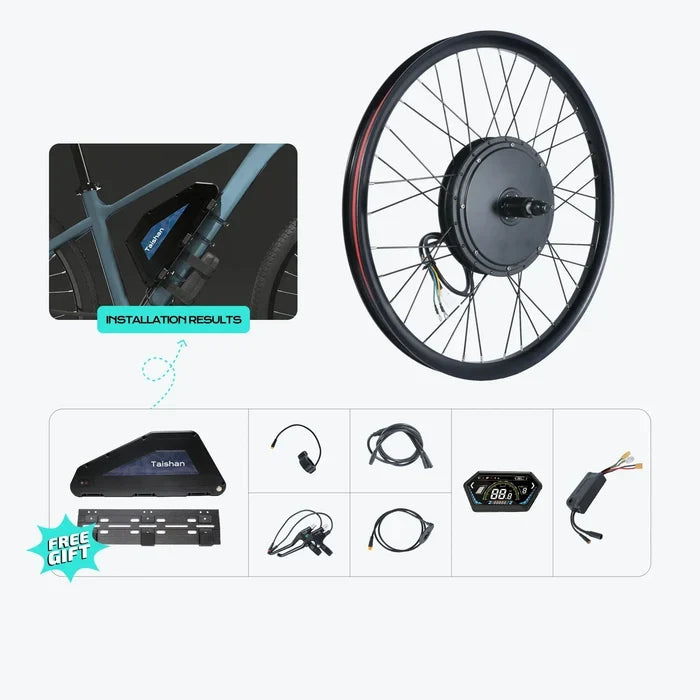
Een compleet elektrische fiets kit accu pakket bevat doorgaans:
- Motorwiel of middenmotoreenheid
- Accupakket met lader
- Controller (vaak geïntegreerd)
- Display-eenheid
- Gashendel
- Remhendels met uitschakelschakelaars
- Pedaalassistentiesensor
- Alle benodigde kabels en connectoren
- Installatiehardware
- Koppelarmen (voor naafmotoren)
- Installatiegereedschap
- Handleiding
Overzicht installatiestappen
De meeste ombouwingen kunnen in 20-30 minuten worden voltooid:
-
Verwijder bestaand wiel (voor naafmotor kits)
- Remmen losmaken
- Wiel uit patten verwijderen
- Buitenband en binnenband overzetten indien nodig
- Motorwiel monteren
- Plaats motorwiel in de dropouts
- Zorg voor voldoende speling
- Installeer torsiestangen voor de veiligheid
- Sluit de remmen opnieuw aan
- Monteer de accu
- Kies de montageplaats (onderbuis, achterdrager of frame)
- Bevestig met de meegeleverde beugels
- Zorg ervoor dat de kabels de controller kunnen bereiken
- Installeer controller en display
- Monteer de controller op een beschermde plaats
- Bevestig het display aan het stuur
- Zorg voor een duidelijk zicht
- Sluit componenten aan
- Sluit de motorkabel aan op de controller
- Sluit de accu aan op de controller
- Bedraad display en sensoren
- Installeer remuitschakelsensoren
- Bevestig de gashendel
- Testen en afstellen
- Controleer alle verbindingen
- Controleer of de remuitschakeling werkt
- Test de trapondersteuningsniveaus
- Pas instellingen indien nodig aan
Voor middenmoteursystemen omvat het proces het verwijderen van de trapas en het installeren van de motoreenheid op zijn plaats, wat extra mechanische kennis kan vereisen.
Prestatiespecificaties

Snelheid en bereikmogelijkheden
Het begrijpen van realistische prestatieverwachtingen helpt u de juiste kit te kiezen:
Wettelijk toegestane opties
-
250W-systemen: Voldoet aan de Britse/EU-regelgeving, maximaal 25-30 km/u, perfect voor de EZ Rider Kit
-
36V 250W Voorwiel: Ideaal voor Brompton en vouwfietsen, 25-40 km bereik
Prestatieopties
-
48V 1000W: Gebalanceerd vermogen en efficiëntie, 45-50 km/u
-
52V 2000W: Hoge prestaties, 50-60 km/u met uitstekend bereik
-
60V 3000W: Extreem vermogen, 75+ km/u voor veeleisend terrein
-
72V 4000W: Ultieme prestaties, 75-85+ km/u voor MTB en fatbikes
Factoren uit de praktijk die de prestaties beïnvloeden
Verschillende variabelen beïnvloeden uw werkelijke snelheid en bereik:
-
Gewicht van de berijder: Zwaardere rijders verminderen het bereik en de topsnelheid
-
Terrein: Heuvels en ruwe oppervlakken vragen meer vermogen
-
Ondersteuningsniveau: Hogere ondersteuning put de batterij sneller leeg
-
Bandenspanning: Goed opgepompte banden verbeteren de efficiëntie
-
Weersomstandigheden: Wind en temperatuur beïnvloeden de prestaties
-
Rijstijl: Agressief accelereren vermindert het bereik
Voordelen van e-bike conversiekits
Kosteneffectiviteit
Het ombouwen van uw bestaande fiets kost aanzienlijk minder dan het kopen van een complete e-bike. U behoudt uw bekende fietsonderdelen, terwijl u elektrische aandrijving toevoegt voor een fractie van de kosten.
Vrijheid van aanpassing
In tegenstelling tot kant-en-klare e-bikes bieden conversiekits:
- Keuze uit vermogensniveaus van 250W tot 4000W
- Accucapaciteitsselectie op basis van uw behoeften
- Voorkeur voor motorplaatsing (voor, achter of midden)
- Mogelijkheid om componenten na verloop van tijd te upgraden
Milieu-impact
Door uw bestaande fiets om te bouwen, doet u het volgende:
- Verminder afval door geen functionele fiets weg te gooien
- Verklein de ecologische voetafdruk in vergelijking met autogebruik
- Verleng de levensduur van kwaliteitsvolle fietsframes
- Ondersteun duurzaam transport
Veelzijdigheid
Conversiekits werken met verschillende fietstypes:
- Mountainbikes
- Racefietsen
- Hybride fietsen
- Vouwfietsen
- Fatbikes
- Bakfietsen
- Driewielers
- Damesfietsen met lage instap
Wettelijke overwegingen
Britse en EU-regelgeving
Voor legaal gebruik op de weg zonder registratie:
- Maximaal motorvermogen: 250W nominaal
- Snelheidslimiet: 25 km/u (15,5 mph) met trapondersteuning
- Motor moet uitschakelen wanneer het trappen stopt
- Bestuurder moet 14+ jaar oud zijn
- Geen gashendelbediening boven 6 km/u
Krachtigere systemen zijn legaal op privéterrein of vereisen registratie als motorvoertuig.
Veiligheidseisen
Ongeacht het vermogensniveau:
- Installeer en test remuitschakelsensoren
- Zorg ervoor dat alle elektrische verbindingen veilig en waterdicht zijn
- Gebruik geschikte torsiestangen op aluminium frames
- Controleer de compatibiliteit met bestaande remsystemen
- Draag geschikte veiligheidsuitrusting
Onderhoud en verzorging
Onderhoud van de accu
Juiste accuzorg verlengt de levensduur aanzienlijk:
- Laadpraktijken
- Opladen na elke rit
- Vermijd volledige ontlading
- Opslaan met 50-80% lading indien niet gebruikt voor langere perioden
- Gebruik alleen de meegeleverde oplader
- Oplaadtijd: 4-10 uur afhankelijk van de capaciteit
- Opslagomstandigheden
- Bewaren bij gematigde temperaturen (10-25°C)
- Vermijd extreme hitte of kou
- Opslaan op een droge plaats
- Verwijder van de fiets voor langdurige opslag
Motoronderhoud
Motoren vereisen minimaal onderhoud:
- Houd de motor schoon en droog
- Controleer regelmatig de spaakspanning (naafmotoren)
- Luister naar ongewone geluiden
- Inspecteer elektrische verbindingen periodiek
- Zorg ervoor dat de torsiestangen strak blijven
Systeemcontroles
Regelmatig onderhoud zorgt voor betrouwbaarheid:
- Inspecteer alle kabelverbindingen maandelijks
- Test de functionaliteit van de remuitschakeling
- Controleer de nauwkeurigheid van de displaywaarden
- Controleer de veiligheid van de accumontage
- Reinig contacten met elektrische reiniger
- Werk firmware bij indien beschikbaar
Uw systeem upgraden en uitbreiden
Toevoegen van dubbele accusystemen
Voor een groter bereik:
- Installeer een tweede accupack
- Gebruik een parallelle aansluitingsadapter
- Verdubbel uw rijbereik
- Ideaal voor langeafstandstochten
Prestatieverbeteringen
: invalid url input)
usmile
Liquid error (snippets/blog-best-product line 36): product form must be given a product
Liquid error (snippets/blog-best-product line 59): product form must be given a product