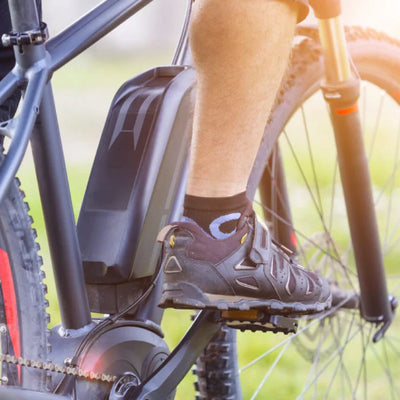
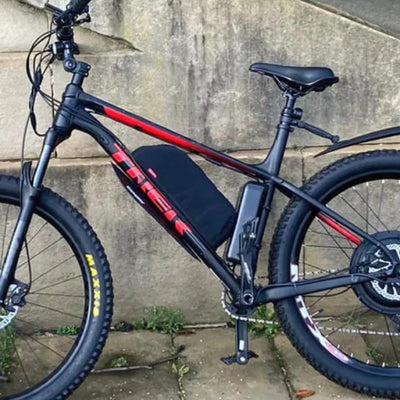
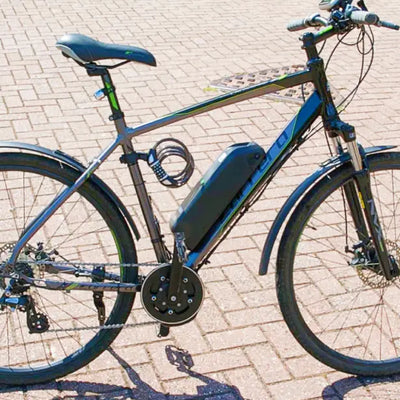
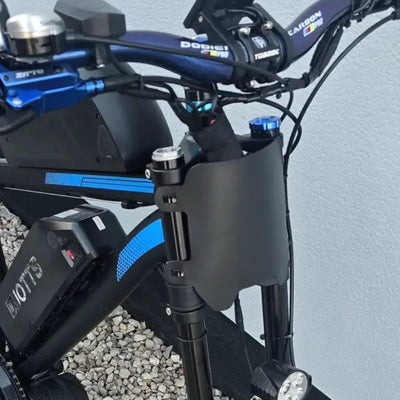
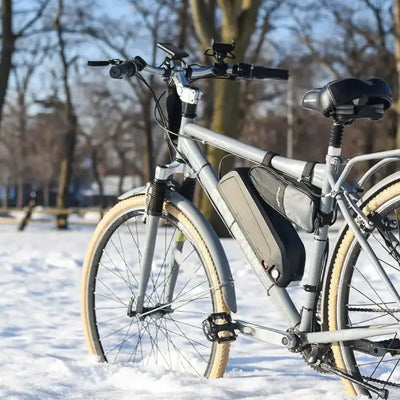
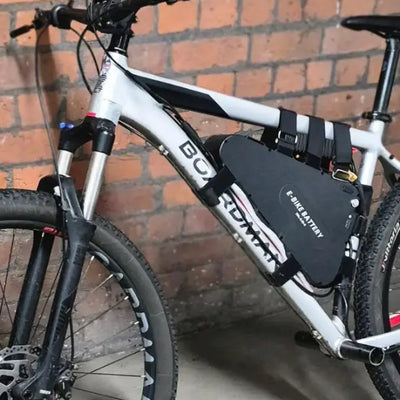
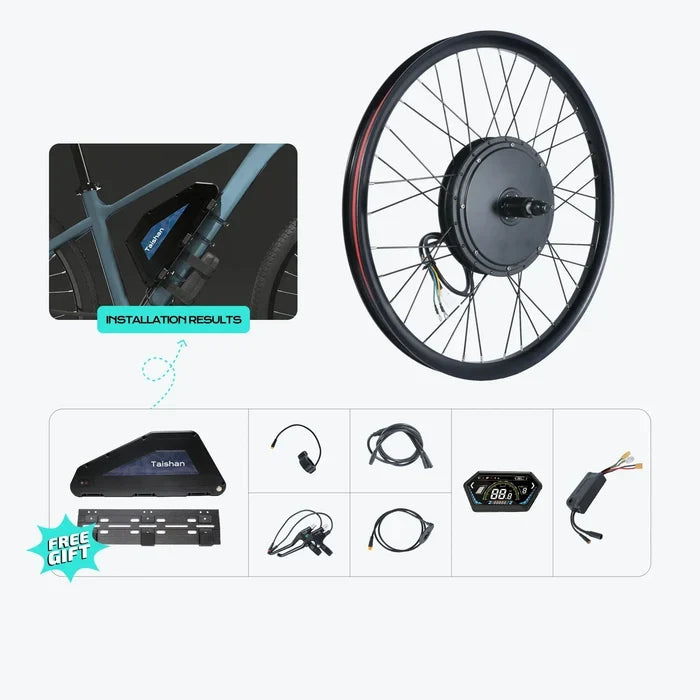
Front hub motor e-bike conversion represents the simplest electric bicycle transformation available—replacing front wheel takes 20 minutes requiring only basic mechanical skills, preserving rear drivetrain completely intact (no cassette transfer, derailleur adjustment, or torque arm complications), and delivering adequate performance flat terrain urban applications while creating distinct handling characteristics, traction limitations, and power ceiling constraints that make front-wheel drive optimal specific scenarios but problematic others.
Understanding when choosing the best ebike kit with front hub motor delivers satisfying reliable conversion versus when rear-wheel or mid-drive technology serves better requires examining installation simplicity advantages, front-wheel-drive physics realities, traction limitation thresholds, handling adaptation requirements, and honest assessment matching motor placement to actual terrain conditions and performance expectations rather than assuming simplest installation automatically represents best overall solution regardless of cycling application demands.
Understanding Front Hub Motor Technology
![]()

How Front Hub Motors Work
Front-Wheel Drive Physics:
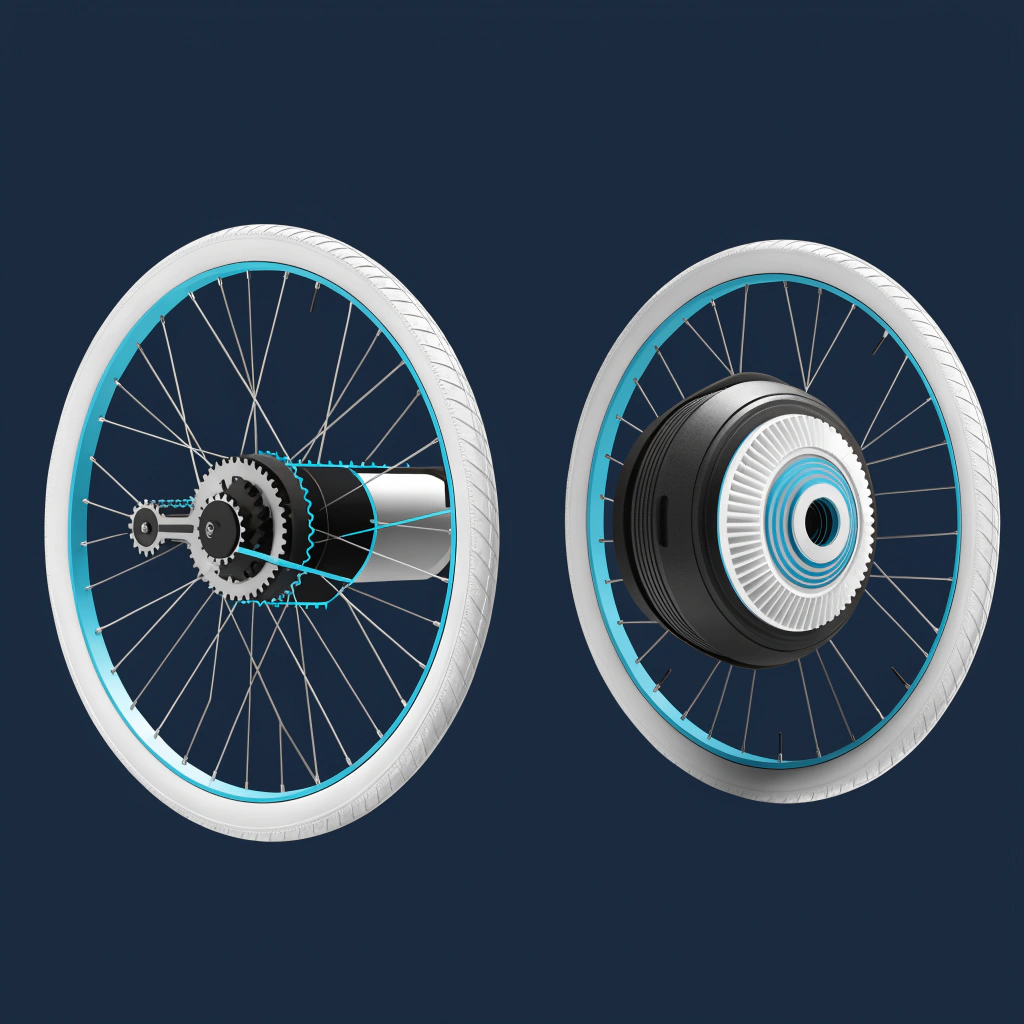
Motor mounts inside front wheel hub, driving bicycle through front wheel rotation:
Operating Principle:
- Motor housed within front wheel
- Stator attaches to axle (stationary)
- Rotor connects to wheel (rotates)
- Magnetic fields create rotation
- Front wheel pulls bicycle forward
- Weight distribution front-biased
Kirbebike Front Hub Systems:
36V 250W Front Hub:
- Motor weight: 2.7kg (lightweight)
- Speed: 25-30 km/h (legal compliant)
- Application: Urban flat commuting
- Battery: 36V 13Ah
- Range: 30-40km
48V 250W Front Hub:
- Motor weight: 2.7kg
- Speed: 30-35 km/h
- Application: Gentle assistance
- Battery: 48V 11.6-16Ah
- Range: 40-70km
Front Hub Motor Advantages
Installation Simplicity Unmatched:
Front-wheel conversion requires minimal mechanical knowledge:
Installation Steps (20 Minutes Total):
Phase 1: Remove Front Wheel (5 Minutes)
- Release brake caliper (if disc brake)
- Loosen axle nuts or release quick-release
- Remove wheel from fork dropouts
- Set aside original wheel
Phase 2: Install Motor Wheel (5 Minutes) 5. Position motor wheel in fork dropouts 6. Ensure disc rotor (if equipped) aligns with caliper 7. Tighten axle nuts or secure quick-release 8. Reconnect brake caliper
Phase 3: Mount Components (10 Minutes) 9. Attach display to handlebar (secure mount) 10. Install brake sensors on levers 11. Mount controller (frame or battery integration) 12. Position battery (frame mount, rack, or bag) 13. Connect all cables (labeled, color-coded) 14. Verify connections secure
Total: 20 minutes, basic tools only (wrenches, Allen keys)
Why This Simplicity Matters:
- No cassette transfer (major time savings)
- No derailleur adjustment (eliminates complexity)
- No chain considerations (unaffected)
- No torque arms typically (low power, front placement)
- Reversible quickly (10-15 minutes restore original)
Universal Drivetrain Compatibility:
Front motors work with any rear drivetrain:
✓ Derailleur systems (any speed configuration) ✓ Internal gear hubs (Shimano Alfine, Rohloff, Sturmey-Archer) ✓ Single-speed bicycles (fixie, cruiser, simple) ✓ Belt drive systems (Gates Carbon Drive) ✓ Vintage/unusual systems (no compatibility concerns)
Perfect Reversibility:
Front conversion reverses completely without trace:
- Original front wheel: Stores safely
- Motor wheel removal: 10 minutes
- Original restoration: Complete
- No permanent modifications: Zero
- Trial conversion: Risk-free
- Rental/borrowed bikes: Possible (with permission)
Front Hub Motor Disadvantages
![]()

Traction Limitations: The Physics Problem
Weight Distribution Fundamentals:
Front-wheel-drive creates inherent traction challenges basic physics explain:
The Traction Problem:
During acceleration and climbing, weight transfers rearward (inertia and gravity effects), reducing front wheel loading precisely when motor demands maximum traction—this unavoidable physics reality creates wheel slip scenarios rear-wheel-drive avoids.
When Front Traction Fails:
Scenario 1: Wet Hills
- Surface: Wet pavement or painted lines
- Grade: 8-12% incline
- Power application: Moderate acceleration
- Result: Front wheel spins, forward progress minimal
- Rider experience: Frustrating, occasionally dangerous
Comparative Traction Reality:
|
Condition
|
Front Hub Motor
|
Rear Hub Motor
|
Winner
|
|
Dry flat
|
Excellent
|
Excellent
|
Tie
|
|
Wet flat
|
Good
|
Excellent
|
Rear (better)
|
|
Dry 8% hill
|
Good
|
Excellent
|
Rear (weight helps)
|
|
Wet 8% hill
|
Marginal (slip likely)
|
Good
|
Rear (clear advantage)
|
|
Dry 12% hill
|
Poor (struggles)
|
Good
|
Rear (physics favors)
|
|
Wet 12% hill
|
Very poor (frequent slip)
|
Adequate
|
Rear (substantial advantage)
|
|
Loose gravel
|
Poor (breaks traction)
|
Good
|
Rear (usable)
|
Handling Characteristics
Front-Heavy Weight Distribution:
Motor plus battery (if front-mounted) shifts weight forward:
Weight Addition:
- Motor: 2.7kg front wheel
- Battery: 2.5-3.5kg (if frame-mounted adds front bias)
- Total: 5-6kg+ front-biased weight
- Original distribution: Disrupted
- Handling change: Noticeable initially
When Front Hub Motors Excel
![]()

Ideal Applications
Flat Urban Commuting:
Front motors serve flat terrain urban cycling excellently:
✓ Terrain: Under 5% grades typical (traction adequate) ✓ Distance: 5-20km daily (range sufficient) ✓ Speeds: 25-35 km/h adequate (urban appropriate) ✓ Legal compliance: 250W road legal (UK/EU) ✓ Installation: 20 minutes (simplicity valued) ✓ Reversibility: Quick complete (temporary conversion possible)
First-Time Conversion:
Simplicity reduces intimidation factor:
✓ Learning curve: Minimal (confidence building) ✓ Tool requirements: Basic (no specialized equipment) ✓ Success rate: High (simple process, few variables) ✓ Risk: Low (easily reversible, minimal modification) ✓ Cost: Lower (fewer components, simpler system)
Unusual Drivetrain Compatibility:
Front placement solves rear compatibility challenges:
✓ Internal gear hubs: Preserved completely (no interference) ✓ Belt drive systems: Maintained intact (Gates Carbon Drive compatible) ✓ Vintage bicycles: Unusual rear systems unaffected ✓ Fixie/single-speed: Any configuration works ✓ No cassette: Simplifies installation dramatically
Who Benefits Most from Front Hub Motors
Result: Front hub motor optimal—adequate performance, simple installation, legal compliant, completely satisfies needs without unnecessary complexity or cost.
Profile: Internal Hub Gear User
-
Bicycle: Shimano Alfine, Rohloff, or Sturmey-Archer equipped
-
Requirement: Preserve internal gear hub (expensive component)
-
Options: Front hub only practical electric conversion
-
Alternative: Replace entire wheel system (expensive, complex)
-
Reality: Front motor enables electric conversion otherwise impossible
When Front Hub Motors Disappoint
Applications Where Front Motors Struggle
Hilly Terrain Regular:
Front motors frustrate riders facing regular sustained grades:
✗ Grades 8-12%: Marginal power delivery (traction limits) ✗ Grades 12%+: Frequent wheel slip (wet especially) ✗ Wet conditions: Traction unreliable (slippery surfaces) ✗ Heavy riders: Additional weight worsens traction ✗ Cargo loads: Front weight transfer increases slip risk
Performance and Speed Priority:
Front placement limits capability:
✗ Power over 500W: Traction inadequate (wheel spin frequent) ✗ Aggressive riding: Front slip common (power delivery limited) ✗ Mixed terrain: Hills reveal limitations (frustration develops) ✗ Sporty feel: Rear motor delivers better (physics favors)
Off-Road and Trail Riding:
Front-wheel-drive problematic loose surfaces:
✗ Gravel: Front breaks traction easily ✗ Dirt trails: Wheel slip common ✗ Sand: Essentially unusable (immediate traction loss) ✗ Technical climbing: Rear traction essential (front inadequate)
Front vs Rear Hub Motor Comparison
Comprehensive Performance Table
|
Factor
|
Front Hub Motor
|
Rear Hub Motor
|
Key Difference
|
|
Installation Time
|
20 minutes
|
25-30 minutes
|
Front simpler (no cassette)
|
|
Installation Complexity
|
Basic skills adequate
|
Moderate skills needed
|
Front easier significantly
|
|
Traction Dry Flat
|
Excellent
|
Excellent
|
Equal performance
|
|
Traction Wet/Hills
|
Marginal (slip common)
|
Good (weight favors)
|
Rear clear advantage
|
|
Power Ceiling
|
500W practical maximum
|
4000W+ possible
|
Rear unlimited essentially
|
|
Handling Initial
|
Front-heavy (adaptation required)
|
Natural balanced
|
Rear feels normal
|
|
Cable Management
|
Complex (steering rotation)
|
Simple (no rotation)
|
Rear cleaner installation
|
|
Drivetrain Compatibility
|
Universal (any system)
|
Cassette required (standard)
|
Front more flexible
|
|
Reversibility
|
10-15 minutes complete
|
25-30 minutes
|
Front quicker restoration
|
|
Legal Compliance
|
250W available (road legal)
|
250W available (equally legal)
|
Equal legal options
|
|
Best For
|
Flat urban, simplicity priority
|
Hills, performance, all-around
|
Application determines optimal
|
Decision Framework
Choose Front Hub Motor When:
✓ Flat terrain predominates (under 5% typical grades) ✓ Simplicity absolute priority (first conversion, basic skills) ✓ Legal compliance mandatory (250W road legal) ✓ Internal gear hub present (preserve expensive component) ✓ Temporary conversion possible (rental bike, trial) ✓ Universal compatibility needed (unusual drivetrain) ✓ Quick reversibility valued (seasonal use, storage)
Choose Rear Hub Motor When:
✓ Hills regular feature (8%+ sustained grades) ✓ Traction critical (wet conditions, performance) ✓ Power over 500W desired (performance priority) ✓ Natural handling important (balanced weight) ✓ Performance focus (capability over simplicity) ✓ Cleaner installation wanted (cable routing simpler) ✓ Long-term primary bike (not temporary trial)
Real-World Front Hub Motor Experiences
Results After 15 Months:
✓ Installation: 25 minutes (manageable first-time) ✓ Performance: Perfectly adequate flat terrain ✓ Traction: No issues dry conditions (occasional slip wet) ✓ Internal hub: Preserved completely (no interference) ✓ Legal: Road legal compliance peace of mind ✓ Handling: Adapted completely within month ✓ Satisfaction: Complete—matched needs perfectly
Key Insight: "Front hub only option preserving my internal gear hub—installation simple, performance adequate flat commute, occasional wet slip manageable caution, completely satisfied appropriate application."
Limitation Story: Hilly Commuter Switched
Rider Profile:
- Commute: 15km with 8-12% sustained grades
- Initial system: 48V 500W front hub (maximum power)
- Outcome: Frustration, switched to rear hub
Problems Encountered:
✗ Hill climbing: Front wheel spin frequent (wet especially) ✗ Power delivery: Limited by traction (not motor capability) ✗ Wet weather: Essentially unusable hills (dangerous slip) ✗ Frustration: Constant awareness of limitations ✗ Solution: Sold, purchased 1000W rear hub system
After Rear Hub Installation:
✓ Hills conquered confidently (traction adequate) ✓ Wet conditions manageable (physics favors rear) ✓ Power delivery unrestricted (traction not limiting) ✓ Complete satisfaction (appropriate technology terrain)
Key Lesson: "Front hub adequate flat terrain but hills revealed traction limitations physics creates—rear hub immediately solved frustrations front placement caused regardless of motor quality or power, terrain dictates optimal motor location."
Installation Guide: Front Hub Motor
Pre-Installation Verification
Fork Dropout Compatibility:
Front hub motors require standard fork dropouts:
✓ Dropout spacing: 100mm standard (universal) ✓ Dropout type: Horizontal or vertical (both work) ✓ Axle type: Solid axle or quick-release (kit adapts) ✓ Disc brake: Compatible (rotor mounts motor wheel) ✓ Rim brake: Compatible (ensure brake reach adequate)
Clearance Verification:
✓ Tire clearance: Motor wheel diameter (26", 27.5", 29", 700C) ✓ Fender clearance: If equipped, verify motor wheel fits ✓ Fork width: Standard forks adequate (no special requirements)
Step 7: Testing
- Power on: Display activates
- Walk test: Throttle/pedal assist (wheel off ground)
- Brake test: Cut-off sensors function
- Short ride: Low speed, verify all functions
- Full test: 15-20 minutes, confirm reliable operation
Maintenance and Long-Term Considerations
Ongoing Maintenance
Front Hub Motor Maintenance (Minimal):
Monthly Checks: ✓ Axle tightness: Verify secure (no loosening) ✓ Cable condition: Inspect for wear (steering movement) ✓ Brake alignment: Ensure rotor centered (if disc) ✓ Tire pressure: Maintain recommended (weight consideration)
Annual Service: ✓ Bearing condition: Check for roughness (replace if needed) ✓ Cable replacement: Proactive (prevent failure) ✓ Electrical connections: Clean, protect (corrosion prevention)
Front-Specific Considerations:
✓ Cable wear: Steering movement creates flex (inspect regularly) ✓ Brake alignment: Front weight may require adjustment ✓ Handling check: Ensure comfortable, no concerning changes
Making Your Decision
The fundamental principle guiding front versus rear motor selection: honest terrain assessment determines optimal motor placement—flat urban cycling validates front hub simplicity advantages while hilly terrain exposes traction limitation frustrations physics creates regardless of motor quality making informed selection matching motor location to actual cycling conditions essential rather than assuming simplest installation automatically represents best long-term solution regardless of performance reality and satisfaction outcomes.
Ready to select optimal motor placement for your conversion? Explore the complete electric bike kit battery range including front hub systems (250W legal-compliant, 20-minute installation, universal compatibility) and rear hub options (250W-4000W power range, superior traction, performance capability) with detailed specifications, honest performance expectations, and expert support ensuring your conversion delivers reliable satisfaction through appropriate motor placement matching installation simplicity preferences to terrain realities and long-term performance requirements.
Frequently Asked Questions
Are front hub motor e-bike kits easier to install than rear hub motors?
Yes significantly—front installation 20 minutes (wheel replacement only, no cassette transfer, no derailleur adjustment, no torque arms typically) versus rear 25-30 minutes (cassette transfer requires special tool.
Do front hub motors have traction problems on hills?
Yes physics unavoidable—acceleration and climbing shift weight rearward reducing front wheel loading precisely when motor demands maximum traction, creating wheel slip wet hills (8-12% grades), loose surfaces (gravel, dirt, sand)s.
What's the maximum power for front hub motor before traction issues?
500W practical ceiling—250W adequate most conditions (occasional wet slip), 350-500W marginal aggressive use (frequent traction loss hills), 500W+ essentially unusable (constant wheel spin).
How does front hub motor affect bicycle handling?
Motor weight (2.7kg) plus battery creates front-heavy weight distribution initially noticeable: steering heavier/less responsive, front end weighted different feel, low-speed maneuverability slightly reduced.
Can I use front hub motor with internal gear hub (Shimano Alfine, Rohloff)?
Absolutely—front hub motors represent only practical e-bike conversion option preserving expensive internal gear hubs (Shimano Alfine, Rohloff, Sturmey-Archer) intact without interference, modification, or replacementt.
: invalid url input)
usmile
Liquid error (snippets/blog-best-product line 36): product form must be given a product
Liquid error (snippets/blog-best-product line 59): product form must be given a product