Heavy riders face unique e-bike conversion challenges that lighter cyclists never encounter—motor overheating, premature component failure, inadequate power delivery, frame stress concerns, and range limitations that make selecting appropriate conversion systems critical rather than optional considerations.
Understanding which best ebike kit configurations deliver reliable long-term performance for riders over 90kg (200 lbs) requires examining motor thermal management, power-to-weight ratios, component durability specifications, battery capacity requirements, and realistic performance expectations that marketing materials rarely address honestly, creating conversion success or expensive disappointment depending on informed selection matching motor capability to actual rider weight and usage demands.
Why Weight Matters: The Physics Reality
![]()

Power-to-Weight Ratio Fundamentals
Understanding Load Impact:
Motor power requirements scale dramatically with total system weight:
Weight Categories and Power Needs:
-
Lightweight Rider (under 70kg/154lbs): 250-500W adequate most applications
-
Average Rider (70-90kg/154-198lbs): 500-750W recommended varied terrain
-
Heavy Rider (90-110kg/198-242lbs): 750-1000W minimum, 1500W ideal
-
Very Heavy Rider (110kg+/242lbs+): 1500-2000W+ essential adequate performance
Why Weight Demands More Power:
Physics doesn't negotiate—acceleration force, climbing energy, and rolling resistance all increase proportionally with system weight (rider + bicycle + cargo + motor components), meaning 110kg rider requires approximately 50% more motor power than 70kg rider achieving identical performance across identical terrain.
Heat Generation Increases Exponentially
The Overheating Problem:
Motors generate heat proportional to load—heavy riders create sustained high-load conditions exceeding thermal design limits of inadequate motors:
Heat Generation Factors:
- Continuous high power draw (motor works harder constantly)
- Hill climbing (sustained maximum torque)
- Acceleration (repeated high-power demands)
- Inadequate cooling (small motors poor heat dissipation)
- Cumulative effect (temperature builds ride duration)
Consequences of Overheating:
- Power reduction (thermal protection limits output)
- Premature component failure (insulation breakdown, magnet demagnetization)
- Controller damage (excessive heat cascades)
- Reduced lifespan (accelerated wear)
- Safety concerns (potential fire risk extreme cases)
Motor Technologies for Heavy Riders
![]()

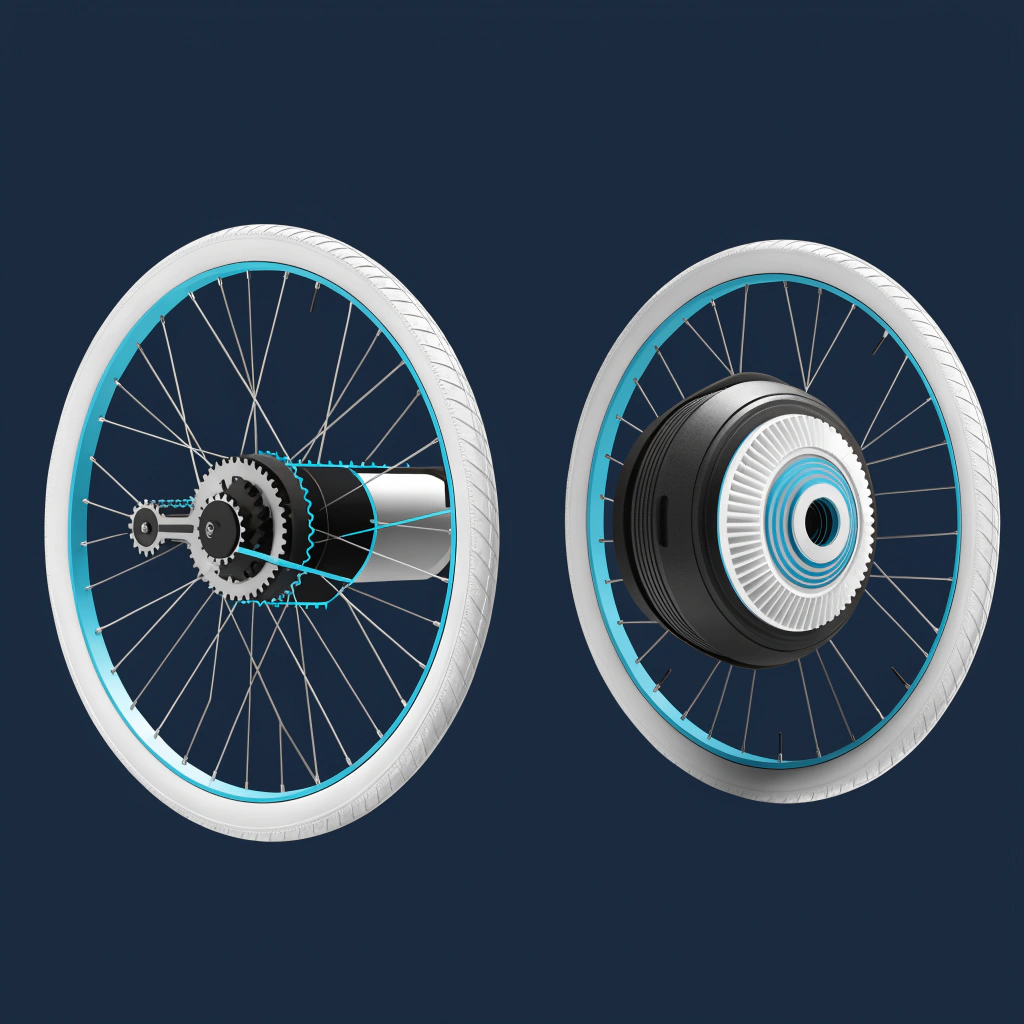
Geared Hub Motors: Weight Limitations
250-750W Geared Hubs:
Lightweight geared hub motors struggle heavy rider applications:
Limitations:
- Motor size: Small (2.7-4.5kg)
- Heat dissipation: Limited (compact design)
- Continuous power: Adequate 70-80kg riders, marginal 90kg+, inadequate 110kg+
- Overheating: Common heavy riders sustained hills
- Longevity: Reduced heavy-duty applications
When Geared Hubs Work: ✓ Flat terrain predominantly ✓ Moderate assistance only (not primary propulsion) ✓ Short rides (under 15km) ✓ Gentle acceleration (not aggressive starts) ✓ Rider awareness (allowing motor cooling breaks)
Direct-Drive Hub Motors: Superior Thermal Management
1000W-4000W Direct-Drive Systems:
Large motor mass provides excellent heat dissipation:
Advantages Heavy Riders:
- Motor mass: Large (5-8kg) acts as heat sink
- Surface area: Extensive (superior cooling)
- Continuous power: Sustained high output without overheating
- Durability: Robust construction handles stress
- Reliability: Proven heavy-duty performance
Recommended Direct-Drive Power Levels:
90-110kg Riders:
- Minimum: 48V 1000W direct-drive
- Recommended: 52V 1500-2000W
- Ideal: Adequate power without constant maximum load
110kg+ Riders:
- Minimum: 52V 2000W direct-drive
- Recommended: 60V 2500-3000W
- Ideal: Power reserves prevent thermal stress
Mid-Drive Motors: Gear Advantage with Caveats
500-750W Mid-Drive Systems:
Gear leverage helps but drivetrain stress increases:
Advantages:
- Gear multiplication: 500W delivers 1500W+ effective through low gears
- Efficiency: Superior hills (critical heavy riders)
- Thermal management: Adequate sized properly
- Centered weight: Balanced handling
Limitations Heavy Riders:
- Drivetrain wear: Accelerated significantly (chains, cassettes)
- Power ceiling: 750W maximum practical (drivetrain stress)
- Component costs: Ongoing replacement expenses
- Frame stress: Concentrated bottom bracket area
When Mid-Drive Optimal Heavy Riders: ✓ Hilly terrain regular (gear advantage critical) ✓ Efficiency priority (maximize range) ✓ Maintenance acceptance (drivetrain replacement budgeted) ✓ Quality components (heavy-duty chains, cassettes)
Recommended Systems by Rider Weight
90-110kg (198-242lbs) Riders
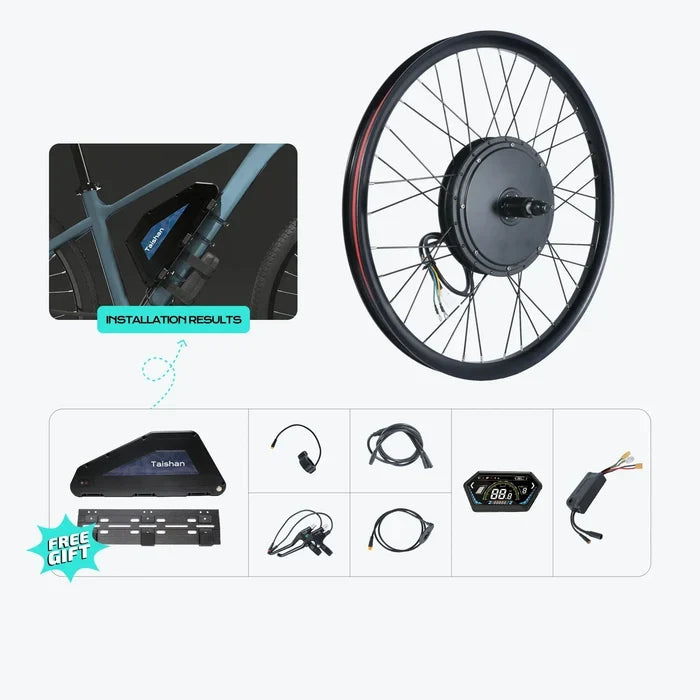
Best Overall: 48V-52V 1500-2000W Direct-Drive Rear Hub
![]()

System Specifications:
- Motor: 52V 2000W brushless direct-drive rear wheel
- Weight: 5.1-5.3kg (excellent heat dissipation)
- Speed: 50-60 km/h capability
- Torque: Strong acceleration, confident climbing
- Battery: 52V 20-30Ah (adequate range)
- Range: 40-60km depending on terrain, assist level
Why This Configuration:
- Adequate power prevents constant maximum load (thermal margin)
- Large motor mass dissipates heat effectively
- Direct-drive reliability (no gear wear)
- Sufficient speed capability
- Proven durability heavy applications
Alternative: 48V 750W Tongsheng TSDZ8 Mid-Drive
For efficiency-focused hilly terrain:
- Motor: 4.8kg centered mid-drive
- Torque: 140Nm maximum
- Efficiency: Gear leverage advantage
- Caveat: Accept accelerated drivetrain wear
110-130kg (242-286lbs) Riders
Best Overall: 60V 2500-3000W Direct-Drive Rear Hub
System Specifications:
- Motor: 60V 2500-3000W heavy-duty direct-drive
- Weight: 6.8kg (maximum heat capacity)
- Speed: 75-85 km/h capability
- Torque: Unstoppable (adequate power reserves)
- Battery: 60V 20Ah minimum
- Range: 40-80km aggressive riding
Why This Configuration:
- Power reserves prevent thermal stress (motor not constantly maxed)
- Maximum motor mass (superior cooling)
- Adequate torque all conditions
- Comfortable sustained high loads
- Professional-grade durability
130kg+ (286lbs+) Riders
Necessary: 72V 3000-4000W Direct-Drive Systems
System Specifications:
- Motor: 72V 4000W extreme-duty direct-drive
- Weight: 6.8kg heavy-duty construction
- Speed: 75-85+ km/h
- Torque: Maximum available
- Battery: 72V 20Ah
- Range: 40-80km
Why Maximum Power Essential:
- Physics demands: Adequate performance requires proportional power
- Thermal management: Power reserves critical (not constantly maximum load)
- Longevity: Motor not stressed limits continuously
- Safety: Adequate capability prevents overexertion
- Reliability: Professional-grade components
System Comparison Table
|
Rider Weight
|
Minimum Power
|
Recommended Power
|
Motor Type
|
Key Consideration
|
Range Expectation
|
|
70-90kg (154-198lbs)
|
500W
|
750-1000W
|
Geared or direct-drive
|
Most systems adequate
|
40-60km
|
|
90-110kg (198-242lbs)
|
750W
|
1500-2000W
|
Direct-drive preferred
|
Thermal management critical
|
35-55km
|
|
110-130kg (242-286lbs)
|
1500W
|
2500-3000W
|
Direct-drive mandatory
|
Power reserves essential
|
30-50km
|
|
130kg+ (286lbs+)
|
2000W
|
3000-4000W
|
Direct-drive heavy-duty
|
Maximum capability required
|
30-45km
|
Component Considerations Heavy Riders
Frame Strength Critical
Structural Requirements:
Heavy riders + motor power stress frames beyond design limits:
Frame Material Suitability:
-
Steel/Chromoly: Excellent (strongest, most forgiving)
-
Aluminum: Acceptable with torque arms (inspect carefully)
-
Carbon Fiber: NOT recommended (stress concentration concerns)
-
Frame Quality: Premium frames mandatory (no budget builds)
Pre-Conversion Inspection:
- Visual cracks: Any crack = disqualification
- Weld quality: Inspect all joints carefully
- Dropout condition: Perfect required (no damage tolerated)
- Frame age: Older frames higher risk
- Previous damage: Eliminate compromised frames
Torque Arms Absolutely Mandatory
Why Non-Negotiable Heavy Riders:
Motor torque + rider weight creates extreme dropout stress:
Torque Arm Requirements:
- 750-1000W: One torque arm minimum (two recommended)
- 1500-2000W: Two torque arms mandatory
- 2500W+: Heavy-duty torque arms both sides required
- Aluminum frames: Always use torque arms regardless power
- Steel frames: Recommended 1000W+, mandatory 1500W+
Consequences Without Torque Arms:
- Dropout failure: Catastrophic (wheel detaches)
- Frame damage: Permanent (unrepairable)
- Safety hazard: Extreme (serious injury potential)
- No insurance: Liability yours entirely
Wheel and Spoke Quality
Structural Integrity:
Heavy riders demand premium wheel components:
Wheel Requirements:
- Spoke count: 36H minimum (more spokes = stronger)
- Spoke gauge: 13-gauge or thicker (heavy-duty)
- Rim quality: Premium double-wall (no economy rims)
- Professional building: Proper tension critical
- Regular inspection: Monthly minimum
Spoke Tension:
- Loose spokes: Immediate failure risk
- Uneven tension: Accelerated failure
- Professional building: Essential heavy riders
- Periodic retensioning: First 100km, then every 500km
Brake Upgrades Essential
Stopping Power Critical:
Heavy rider + high speeds demand exceptional braking:
Minimum Brake Requirements:
Tire Pressure Management:
- Heavy riders: Requires higher pressures (within rating)
- Underinflation: Pinch flats, rim damage
- Overinflation: Tire failure risk
- Regular checking: Weekly minimum
Battery Requirements Heavy Riders
Capacity Considerations
Increased Energy Consumption:
Heavy riders drain batteries faster—physics unavoidable:
110kg+ Riders:
- Minimum: 52V 30Ah or 60V 20Ah
- Recommended: 60-72V 20-30Ah
- Range expectation: 30-50km
Battery Quality Critical
Thermal Stress:
Heavy rider applications stress batteries:
Quality Requirements:
- Cell brand: LG, Samsung, Panasonic only (no economy cells)
- BMS: Professional-grade (thermal protection)
- Construction: Military-grade (robust housing)
- Discharge rating: Adequate for motor power (60A+ high power)
- Warranty: Minimum 1-year (quality indicator)
Real-World Heavy Rider Experiences
Success Story: 105kg Rider, 52V 2000W System
Key Insight: "750W constantly maxed out, overheated regularly, felt inadequate—2000W provides power reserves operating comfortably, never thermal issues, transformed cycling experience completely."
Cautionary Tale: 115kg Rider, 1000W Insufficient
Rider Experience:
- Weight: 115kg (253 lbs)
- System: 48V 1000W direct-drive
- Outcome: Marginal performance, thermal protection engaged hills
Problems Encountered:
- Hill climbing: Motor cut power (thermal protection)
- Range: Poor (constant high load)
- Satisfaction: Disappointed
- Solution: Upgraded 60V 3000W (immediate improvement)
Key Lesson: Marginal power creates constant maximum load conditions—thermal stress, poor performance, disappointing experience. Adequate power reserves essential heavy riders.
Installation and Safety Considerations
Professional Installation Recommended
Complexity Heavy-Duty Systems:
High-power systems demand expertise:
Critical Installation Elements:
- Torque arm installation: Precise positioning, proper torque specs
- Electrical connections: Heavy-gauge wiring, professional crimping
- Component selection: Adequate ratings all elements
- Testing: Comprehensive before riding
- Safety verification: Critical inspection
When DIY Acceptable:
- Mechanical experience: Extensive
- Tool availability: Complete professional tools
- Knowledge: Electrical and mechanical comprehensive
- Responsibility acceptance: Complete liability understanding
Testing Protocol
Pre-Ride Verification:
Heavy-duty systems demand thorough testing:
Testing Checklist:
- Torque arm security: Both sides tight, properly positioned
- Spoke tension: Even, adequate (professional check recommended)
- Brake function: Perfect stopping power
- Electrical connections: Secure, heat-shrink properly
- Controller settings: Appropriate power limits
- Low-speed test: 15 minutes verifying all functions
- Thermal monitoring: First rides watch for overheating
Ongoing Maintenance
Heavy-Duty Schedule:
Increased stress demands vigilant maintenance:
Weekly Checks:
- Torque arm tightness: Critical safety
- Spoke tension: Touch every spoke
- Tire pressure: Maintain maximum
- Brake function: Test before every ride
Monthly Inspection:
- Comprehensive spoke tension: Professional if uncertain
- Brake pad wear: Heavy riders accelerate wear
- Tire condition: Replace at first wear sign
- Electrical connections: Verify security
- Frame inspection: Visual crack check
Making Your Decision
E-bike conversion success for heavy riders (90kg+) demands honest power assessment prioritizing thermal management through adequate motor sizing—1500-2000W direct-drive systems serve 90-110kg riders, 2500-3000W essential 110-130kg, and 3000-4000W necessary 130kg+ ensuring motors operate within thermal limits rather than constantly maximum load preventing overheating, premature failure, and disappointing performance that inadequate power creates regardless of component quality.
The fundamental principle guiding heavy rider conversions: adequate power reserves prevent thermal stress—motors operating at 60-80% capacity continuously deliver reliable long-term service while motors constantly at maximum load overheat, fail prematurely, and disappoint regardless of brand or quality making power selection the single most critical decision determining conversion success or expensive regret.
Ready to build reliable heavy-duty electric bicycle? Explore the complete electric bike kit battery range including direct-drive systems (1000W-4000W), professional-grade batteries (20-30Ah capacity), and expert support ensuring your conversion delivers dependable performance through appropriate component selection matching motor capability to actual rider weight and usage demands.
Frequently Asked Questions
What power e-bike conversion kit do I need if I weigh 100kg (220lbs)?
Minimum 1000W, recommended 1500-2000W direct-drive rear hub motor for reliable performance without overheatinge.
Why do smaller e-bike motors overheat with heavy riders?
Small motors (250-750W geared hubs) lack adequate heat dissipation for sustained high-load conditions heavy riders create—motor mass too small acting as heat sink, surface area insufficient for coolings.
Can I use a 750W e-bike conversion kit if I weigh 110kg?
Technically yes but suboptimal—750W marginally adequate 110kg flat terrain gentle riding but struggles hills, overheats sustained high loads, operates constantly maximum capacity (no reserves).
Do I need torque arms if I'm a heavy rider?
Absolutely mandatory—heavy rider weight + motor torque creates extreme dropout stress risking catastrophic failure without proper reinforcement. Requirements: 750W one arm minimum (two recommended).
How much less range will I get as a heavy rider?
Expect 30-50% less range versus lightweight rider identical system—physics unavoidable: 110kg rider requires approximately 50% more energy than 70kg rider achieving same performance (acceleration, climbing, speed).
: invalid url input)
usmile
Liquid error (snippets/blog-best-product line 36): product form must be given a product
Liquid error (snippets/blog-best-product line 59): product form must be given a product