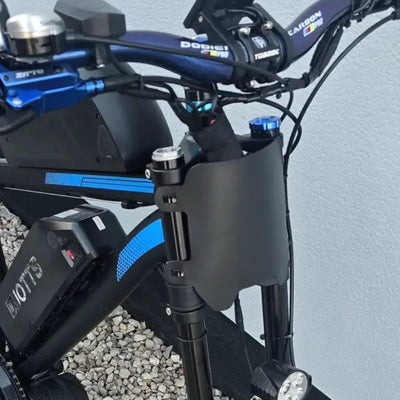
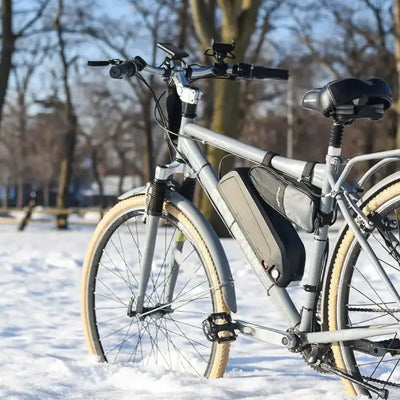
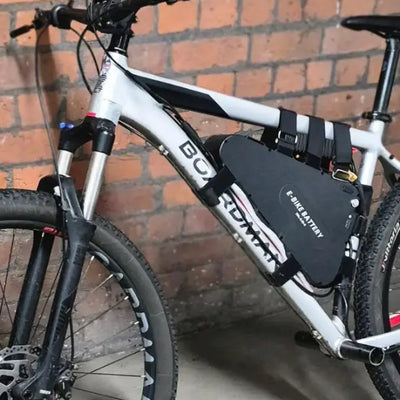
Planning a budget ebike build with a conversion kit is one of the most rewarding DIY cycling projects you can undertake—but only if the budget is planned realistically from the start. Underbudgeting leads to corners cut on safety-critical components; overcomplicating the budget leads to paralysis and never starting at all.
This guide walks through every cost category systematically, from the core conversion kit to the easily-overlooked expenses that catch first-time builders off guard.
Step 1: Define Your Build Before You Budget
Budgeting without knowing what you're building is the most common planning mistake. Two questions determine almost everything else.
What is the primary use?
|
Use Case
|
Motor Recommendation
|
Battery Capacity
|
UK Road Legal?
|
|
Daily commuting (flat-moderate)
|
250W front hub
|
7-13Ah
|
Yes
|
|
Commuting with hills
|
500W-750W mid-drive
|
13-16Ah
|
Yes (250W version)
|
|
Weekend recreational rides
|
1000W rear hub
|
13-16Ah
|
Off-road only
|
|
Mountain biking/off-road
|
2000W-4000W
|
20-30Ah
|
Off-road only
|
|
High performance/speed
|
2500W-3000W
|
20-30Ah
|
Off-road only
|
What bike are you converting?
The donor bike's condition, wheel size, and frame type determine both compatibility and how much additional work is needed before the kit goes on. A well-maintained hybrid in good condition needs no supplementary budget. A worn-out mountain bike with tired brakes and a stretched chain needs a mechanical refresh budget alongside the kit.
Step 2: The Core Kit Budget
![]()

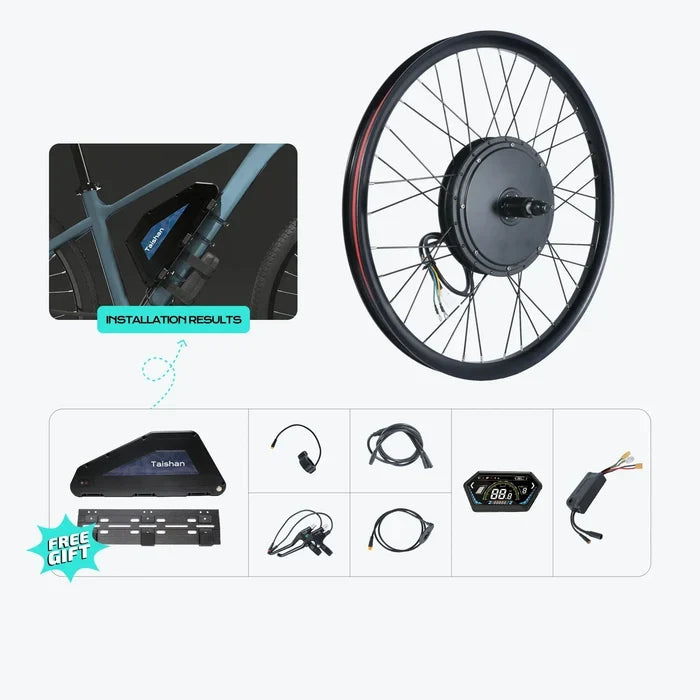
The conversion kit itself is the primary spend and the area with the most meaningful quality variation. Kirbebike's direct-to-consumer model means kit prices reflect actual component costs rather than retail markups through dealers.
Hub Motor Kits
Brushless direct-drive hub motors form the backbone of Kirbebike's range for performance-oriented builds. These are sealed units requiring minimal maintenance, fitted as a complete motor wheel replacement.
Entry level — Road legal commuter:
- 36V 250W front wheel kit (2.7kg motor, geared)
- Battery: 36V 7Ah LG cells included
- Speed: 15mph, Range: 15-25 miles
- Ideal for: Brompton conversions, city commuters, UK road legal use
Mid-range — Versatile performance:
- 48V 1000W rear hub (4kg, direct-drive)
- Battery: 36V 13Ah-48V 11.6Ah
- Speed: 45-50km/h, Range: 35-45km
- Ideal for: hybrid bikes, general use, most common UK conversion
High performance — Off-road/private land:
- 52V 2000W MTX (5.1-5.3kg, direct-drive)
- Battery: 52V 25Ah/30Ah
- Speed: 50-60km/h, Range: 40-60km
- Ideal for: mountain bikes, strong performance requirement
Extreme builds:
- 72V 4000W (6.8kg, direct-drive)
- Battery: 72V 20Ah
- Speed: 75-85km/h, Range: 40-80km
- Ideal for: fat tire, MTB, 55MPH+ capability
Mid-Drive Kit
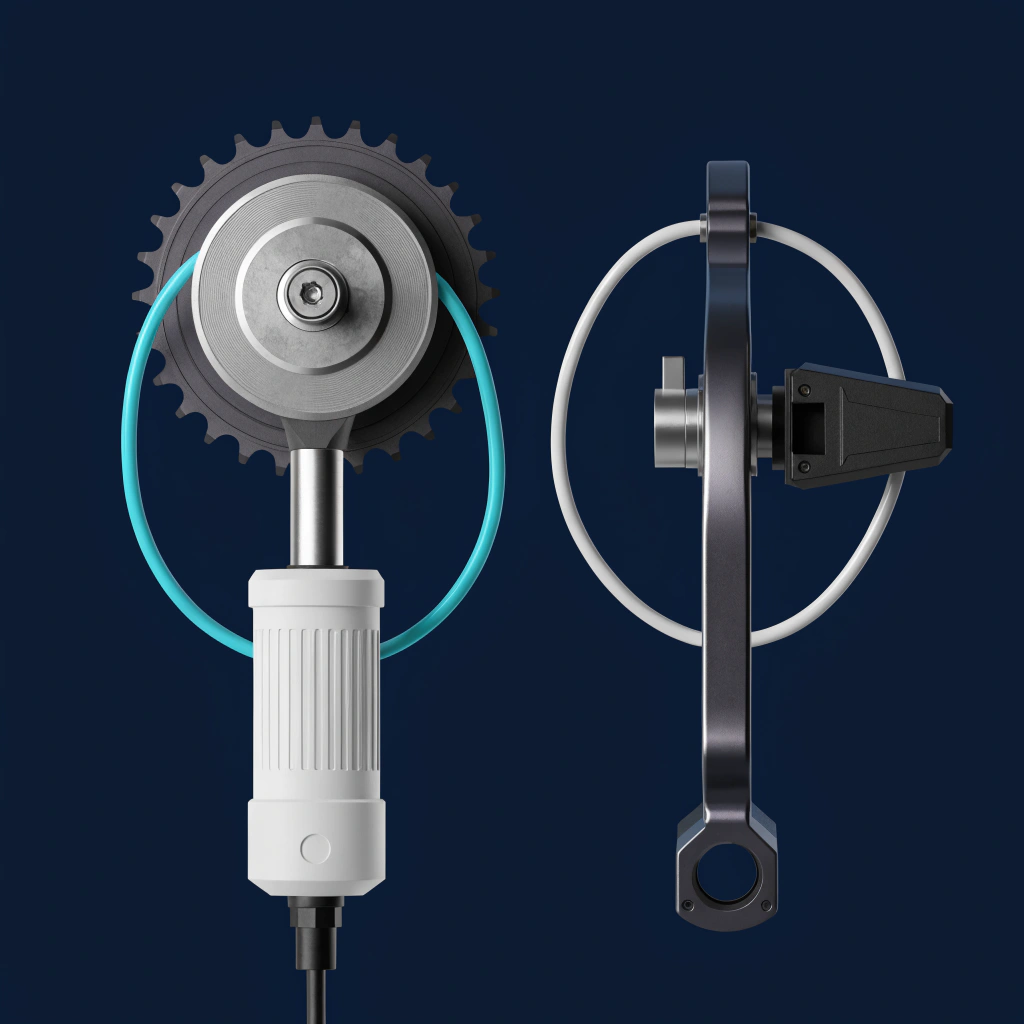
The Tongsheng TSDZ8 mid-drive occupies a distinct position in any build budget. Rather than replacing the wheel, it installs at the bottom bracket and drives the chain—delivering better hill climbing, superior torque (140Nm), and a more natural riding feel through its dual torque sensor system.
Build spec:
- 500W (36V) or 750W (48V) options
- Motor weight: 4.8kg
- Battery: 36V 15Ah or 48V 16Ah LG cells (1,000+ cycle life)
- Speed: 30-50km/h, Range: 40-60km
- Display: IP66-rated TFT with full ride data
- Bolts pre-applied with thread lock (quality detail customers consistently note)
For hilly UK terrain, the mid-drive's torque advantage over equivalent-wattage hub motors is substantial. One customer doing 23km daily in a hilly area reports finishing with 80% battery on level one assist—evidence of how efficiently the system manages power on hills.
Step 3: What's Already Included (Zero Extra Budget Required)
![]()

A common budgeting mistake is treating the kit headline cost as a base figure and then adding sensors, tools, and accessories on top. Kirbebike kits are genuinely complete. Understanding what's included prevents double-budgeting.
Included free with all Kirbebike kits:
- Brake sensors (retail value ~£20)
- D12L PAS cadence sensor (retail value ~£10)
- Full tool kit: tyre levers, wrenches, cable ties, hex tools (retail value ~£25)
- Charger (UK, US, EU, Australian plug compatible)
- Torque arm (hub motor kits)
- TFT or LCD colour display
- Video installation guides and instruction manual
- Free shipping to UK addresses
- 1-year manufacturer warranty
The mid-drive kit additionally includes: display, crank arm, e-brake levers, speed sensor, and thumb throttle.
What requires optional separate budget:
- Thumb throttle (not road legal in UK for public road use, but included with mid-drive for private land option)
- Upgraded battery capacity (if more range is needed beyond included battery)
- Additional spare battery for extended range
Step 4: The Brakes Budget — Non-Negotiable for Higher Power Builds
![]()

Brakes are where budget e-bike builds most commonly create safety problems. Adding a motor to a bicycle doesn't just make it faster—it adds weight (motor wheels range from 2.7kg to 6.8kg) and enables sustained speeds that existing brakes may not handle reliably.
Brake assessment by kit power level:
|
Kit Power
|
Added Weight
|
Stopping Assessment
|
Recommended Action
|
|
250W
|
2.7kg
|
Standard brakes adequate if maintained
|
Inspect and service existing brakes
|
|
500W-750W
|
4.5-4.8kg
|
Inspect carefully
|
Replace pads, check cable tension
|
|
1000W
|
4-6.2kg
|
Mechanical discs minimum
|
Upgrade if currently V-brake only
|
|
2000W+
|
5.1-6.8kg
|
Hydraulic disc strongly recommended
|
Budget for hydraulic upgrade
|
|
3000W-4000W
|
6.8kg
|
Hydraulic disc essential
|
Non-negotiable safety investment
|
Step 5: The Donor Bike Mechanical Budget
If the donor bike is already in excellent mechanical condition, this budget is minimal. If it hasn't been serviced recently, pre-conversion mechanical work protects the kit investment and prevents post-conversion frustration.
Pre-conversion checklist:
Must address before fitting kit:
- Worn chain → replace (chain elongation causes poor shifting and accelerates cassette wear under motor load)
- Badly worn cassette → replace alongside chain
- Damaged or cracked frame → do not convert (structural integrity essential)
- Non-functioning brakes → rectify before or during conversion
Address if present, not critical to delay for:
- Worn brake cables → replace for cleaner brake feel
- Dried-out bearings → regrease or replace
- Damaged tyres → replace before committing to regular use
- Loose headset or bottom bracket → service before adding motor load
Budget allocation:
- Good condition bike needing only chain: ~£15-25
- Bike needing chain, cables, and pads: ~£40-80
- Bike needing broader drivetrain refresh: ~£80-150
Step 6: Hidden Costs That Catch Builders Off Guard
Tyres: Electric conversion adds weight and often increases sustained speeds. Existing tyres should be rated for the additional load, particularly for higher-power builds. Budget for tyre replacement on any conversion where existing rubber is worn or over 2-3 years old.
Second battery: Range anxiety is the most common post-build complaint. A second battery adds range flexibility without upgrading the motor—particularly practical for the EZ Rider kit where the compact battery can be carried in a backpack. If your planned routes regularly exceed single-battery range, budget for a second battery from the start rather than retrofitting later.
Lock: An e-bike is more valuable than a standard bicycle and attracts more theft interest, particularly once the battery is visible. A quality lock appropriate to the bike's value is a genuine additional budget item. Kirbebike's battery-removal design helps—removing the battery when locking significantly reduces theft appeal.
Lighting: For commuters, front and rear lighting is a UK legal requirement for road use in low-light conditions. The EZ Rider kit includes a front light accessible via the display. Higher-power hub motor kits may require separate light installation.
Step 7: Complete Build Budget Summary by Level
Budget: Road-Legal Commuter Build
|
Item
|
Notes
|
|
36V 250W Kit (with battery)
|
Complete kit including LG battery, display, sensors, tools
|
|
Brake pad inspection/replacement
|
Service existing brakes
|
|
Chain replacement
|
If worn
|
|
Waterproofing kit
|
Dielectric grease, tape
|
|
Total additional to kit
|
Typically minimal if bike in good condition
|
Mid-Range: Versatile 1000W Build
|
Item
|
Notes
|
|
48V 1000W Kit (with battery)
|
Complete direct-drive kit
|
|
Brake upgrade budget
|
Mechanical disc minimum, hydraulic preferred
|
|
Drivetrain refresh
|
Chain, possibly cassette
|
|
Tyre check/replacement
|
If worn
|
|
Second battery (optional)
|
For extended range
|
Performance: Mid-Drive Build on Hilly Terrain
|
Item
|
Notes
|
|
TSDZ8 500W/750W Mid-Drive Kit
|
Includes LG battery, torque sensor, display
|
|
New chain
|
Almost always required
|
|
Brake service
|
Hydraulic disc recommended
|
|
Bottom bracket check
|
Ensure frame compatibility
|
|
Spoke tension check after 50km
|
Wheel truing if needed
|
Extreme: High-Power Off-Road Build
|
Item
|
Notes
|
|
2000W-4000W Kit (with battery)
|
High-capacity LG battery included
|
|
Hydraulic disc brakes
|
Non-negotiable at this power level
|
|
Full drivetrain refresh
|
Chain, cassette, possibly chainring
|
|
Reinforced tyre budget
|
Heavy-duty rubber for fat tire/MTB use
|
|
Quality lock
|
Higher theft risk
|
Step 8: Long-Term Running Costs
Budget planning shouldn't stop at the initial build. Understanding ongoing costs prevents financial surprises.
Ongoing costs by component:
-
Chain: Replace every 2,000-3,000km under motor use (sooner with mid-drive which puts more load through the drivetrain)
-
Brake pads: Every 1,000-3,000km depending on conditions and pad compound
-
Battery: 1,000+ charge cycles before significant capacity degradation (several years at typical usage); replacement battery available separately from Kirbebike
-
Hub bearings: High-mileage service after approximately 15,000-20,000km—one Kirbebike customer reports near 20,000km before needing bearing work
-
Controller/display: These are individually replaceable; one customer ran a 1500W system for nearly 14,000 miles going through a second controller and third display while keeping the original motor
Individual component replaceability is a fundamental long-term cost advantage of conversion kits over purpose-built e-bikes, where proprietary systems mean whole-unit replacement rather than targeted component swaps.
Conclusion
A well-planned budget ebike build delivers extraordinary value—performance that rivals purpose-built e-bikes at a fraction of the cost, on a bicycle you already know and trust. The key is treating the budget as a system: kit cost, brake upgrade, mechanical preparation, and hidden costs all accounted for from the start.
Whether your build targets road-legal commuting or high-power off-road performance, explore the full range of Kirbebike ebike conversion kits with batteries to find the complete system that matches your build goals and budget.
Frequently Asked Questions
How much should I budget for a complete ebike build with a conversion kit?
The total depends heavily on donor bike condition and kit power level. A road-legal 250W build on a well-maintained bicycle needs only the kit cost plus minor consumables.
Do I need to budget for professional installation?
Not with Kirbebike kits. Installation takes approximately 20 minutes using the tools included in the kit. Multiple customer reviews confirm successful self-installation with no prior electrical experience..
What is the most important hidden cost to budget for?
Brakes, without question, on any build above 500W. The additional motor weight and achievable speeds make brake performance safety-critical. Many first-time builders focus entirely on the electrical system and ignore brake condition on the donor bike. d.
Can I add a second battery later without buying a new kit?
Yes. Kirbebike sells batteries separately across the full voltage range. If your initial build uses a 48V 16Ah battery and you later want extended range, a second 48V battery of higher Ah capacity can be purchased and run in parallel or as a swap-out.
Does the mid-drive kit require more budget than a hub motor kit?
The mid-drive TSDZ8 kit sits at a higher price point than entry hub motor kits, reflecting the torque sensor technology and more complex motor design. However, it also typically requires a new chain (budget accordingly) and the donor bike must have an appropriate bottom bracket shell.
: invalid url input)
usmile
Liquid error (snippets/blog-best-product line 36): product form must be given a product
Liquid error (snippets/blog-best-product line 59): product form must be given a product