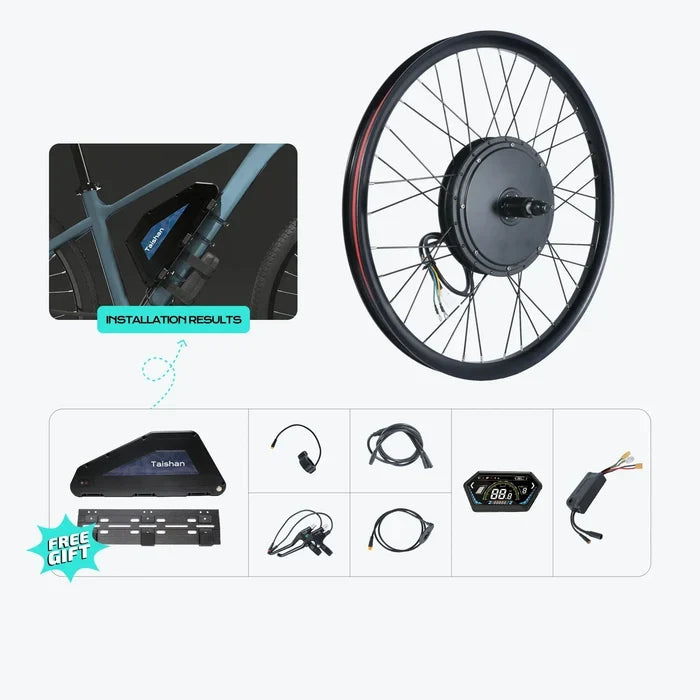
Als je al een tijdje met een 36V e-bike ombouwset rijdt en je meer snelheid, een beter klimvermogen of een grotere actieradius wilt, kan het upgraden naar een hoger voltagesysteem de perfecte oplossing zijn. Veel fietsers met bestaande e-bike ombouwsets overwegen uiteindelijk voltage-upgrades om betere prestaties te ontgrendelen.
Deze uitgebreide gids legt alles uit wat je moet weten over het upgraden van 36V naar 48V of 52V systemen, inclusief compatibiliteitsoverwegingen, componentvereisten, prestatiewinsten en stapsgewijze upgrade-procedures.
Inzicht in e-bike voltagesystemen
![]()

Voordat je in het upgrade-proces duikt, is het essentieel om te begrijpen wat spanning betekent voor je e-bike systeem en hoe verschillende spanningen de prestaties beïnvloeden.
Wat betekent spanning?
Spanning vertegenwoordigt het elektrische potentiaalverschil in je systeem — in wezen de "druk" die elektronen door je motor duwt. Hogere voltagesystemen leveren:
-
Verhoogde topsnelheid – Motoren draaien sneller bij hogere spanningen
-
Betere acceleratie – Meer directe vermogensafgifte
-
Verbeterd heuvelklimmen – Groter koppel voor steile hellingen
-
Verbeterde efficiëntie – Motoren werken efficiënter bij optimale spanningsbereiken
-
Potentieel voor grotere actieradius – Hogere spanning kan een betere wattuur-efficiëntie betekenen
Vergelijking van voltagesystemen
|
Systeemspanning
|
Typisch snelheidsbereik
|
Beste toepassingen
|
Vermogensbereik
|
|
36V
|
25-32 km/u
|
Vlak terrein, recreatief fietsen, wettelijke naleving
|
250W-500W
|
|
48V
|
35-45 km/u
|
Gemengd terrein, woon-werkverkeer, gematigde heuvels
|
500W-1500W
|
|
52V
|
40-50 km/u
|
Heuvelachtig terrein, prestatiegericht fietsen, bakfietsen
|
1000W-2000W
|
|
60V
|
50-65 km/u
|
Off-road, extreme prestaties
|
2500W-3000W
|
|
72V
|
55-75 km/u
|
Maximale prestaties, racen
|
3000W-4000W
|
Belangrijke opmerking: In het Verenigd Koninkrijk mogen e-bikes die legaal op de weg mogen rijden niet meer dan 250W continu vermogen en 25 km/u ondersteunde snelheid hebben. Hogere voltagesystemen die deze specificaties overschrijden, zijn alleen voor off-road of privélandgebruik.
Waarom je voltagesysteem upgraden?
![]()

Prestatie motivaties
Renners upgraden doorgaans hun spanning om de volgende overtuigende redenen:
Onvoldoende klimvermogen
Een 36V systeem heeft moeite met steile hellingen, vooral met extra bagage of berijdersgewicht. Hogere spanning levert het benodigde koppel om uitdagende hellingen aan te pakken zonder overmatige pedaalinspanning.
Beperkte topsnelheid
Als je 36V systeem traag aanvoelt op vlakke wegen of de gewenste kruissnelheid niet kan handhaven, ontgrendelen spanningsupgrades een hogere snelheids potentieel.
Batterij degradatie
Naarmate 36V batterijen ouder worden en capaciteit verliezen, biedt het upgraden naar 48V of 52V met nieuwe cellen niet alleen meer spanning, maar ook herstelde of verbeterde actieradius.
Verbeteringen in systeemefficiëntie
Moderne 48V en 52V systemen beschikken vaak over efficiëntere controllers en motoren die betere prestaties leveren per verbruikte wattuur.
Toekomstbestendigheid
Nu upgraden betekent dat je systeem toekomstige verbeteringen kan opvangen zonder een complete herziening.
Beoordeling van componentcompatibiliteit
![]()

Voordat je upgrade-componenten aanschaft, moet je bepalen welke onderdelen van je bestaande systeem behouden kunnen blijven en wat vervangen moet worden.
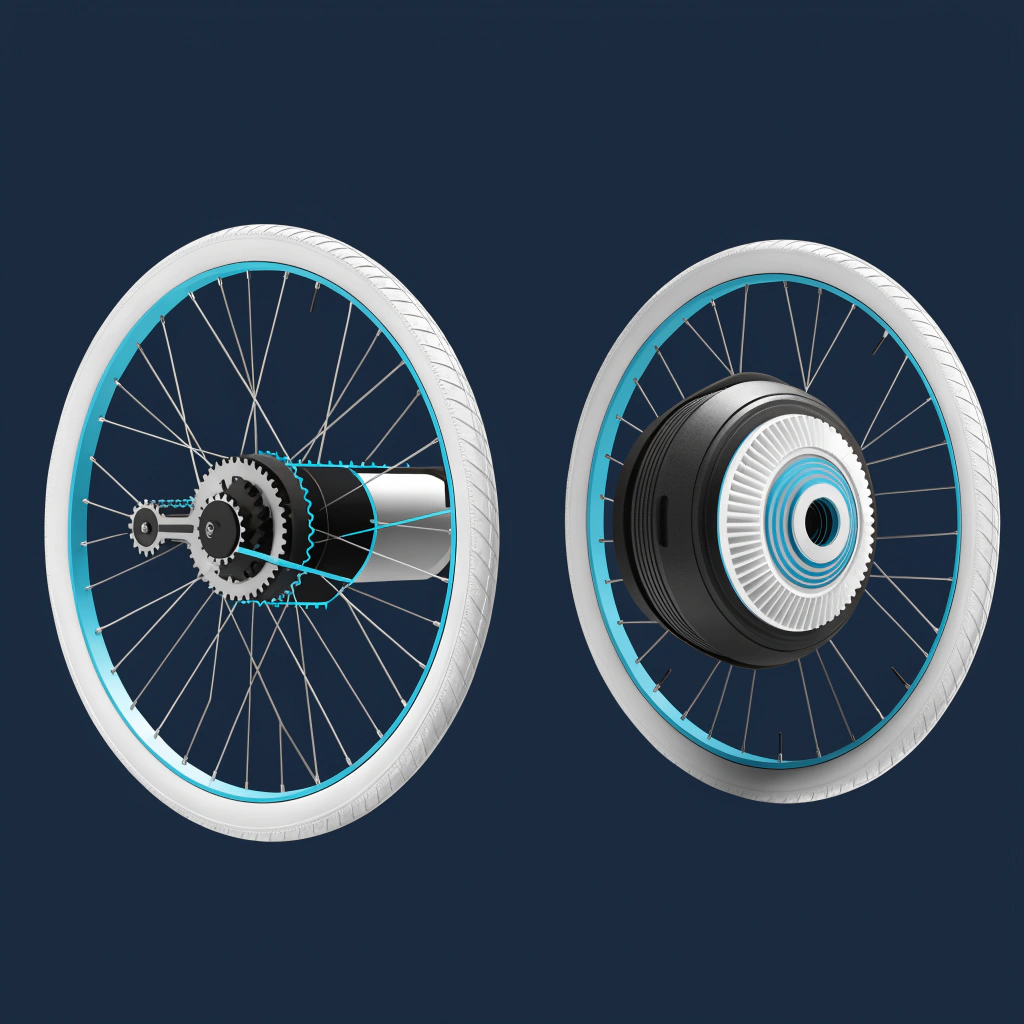
Motorcompatibiliteit
Kan je bestaande motor een hogere spanning aan?
De meeste naafmotoren hebben tolerantiebereiken voor spanning:
-
36V-motoren: Sommige kunnen 48V (33% overspanning) gedurende korte perioden accepteren, maar riskeren oververhitting en een kortere levensduur bij continu gebruik
-
48V-motoren: Kunnen over het algemeen niet veilig werken bij 52V zonder aanpassingen
-
Universele motoren: Sommige motoren zijn geschikt voor brede spanningsbereiken (36V-52V)
De spanningstolerantie van je motor controleren:
- Zoek de specificaties van de fabrikant op de motorbehuizing of in de documentatie
- Controleer de wikkelingsconfiguratie van de motor — motoren met hogere spanning hebben meer wikkelingen
- Raadpleeg de fabrikant van de kit over spanningscompatibiliteit
Wanneer motorvervanging noodzakelijk is:
- Overstappen van 36V naar 52V of hoger vereist doorgaans een nieuwe motor
- Aanzienlijke vermogensverhogingen (bijv. 500W naar 1500W) vereisen motorupgrades
- Getande naafmotoren hebben strengere spanningslimieten dan direct-drive motoren
Vereisten voor de controller
De controller is het "brein" van je e-bike systeem, dat de stroomtoevoer van de batterij naar de motor regelt.
Spanningsclassificaties van de controller:
- Controllers zijn strikt spanningsspecifiek
- Een 36V controller kan niet veilig werken met 48V of 52V batterijen
- Spanningsverschil kan onmiddellijke controlleruitval veroorzaken
- Moderne controllers ondersteunen vaak spanningsbereiken (bijv. 48V-52V compatibel)
Te matchen controllerspecificaties:
- Maximale stroomsterkte (gemeten in ampère)
- Compatibiliteit met spanningsbereik
- Connectortypes voor motorhalssensoren
- Communicatieprotocol display
Het upgraden van je controller biedt mogelijkheden voor:
- Programmeebare vermogenscurven
- Instelbare snelheidslimieten
- Verbeterd regeneratief remmen (indien beschikbaar)
- Beter thermisch beheer
Display- en regelsystemen
De meeste LCD/TFT-schermen zijn spanningsonafhankelijk en halen stroom via spanningsregelaars. Controleer echter de compatibiliteit:
Overwegingen voor het display:
- Controleer of het display een brede spanningsingang accepteert (36V-52V gebruikelijk)
- Zorg ervoor dat het communicatieprotocol overeenkomt met de nieuwe controller
- Sommige displays vereisen configuratie voor spanningsveranderingen
- Geavanceerde displays hebben mogelijk firmware-updates nodig
Gashendel en PAS-sensoren:
- Over het algemeen spanningsonafhankelijk (werken op een 5V-signaal)
- Zouden moeten werken met de nieuwe controller als de connectortypes overeenkomen
- Mogelijk opnieuw kalibreren na spanningsupgrade
Bedrading en connectoren
Bestaande bedrading kan doorgaans spanningsupgrades aan als:
- Draaddikte geschikt is voor verhoogde stroomsterkte
- Aansluitingen geschikt zijn voor hogere spanning
- Geen beschadigde isolatie of blootliggende geleiders aanwezig zijn
Aanbevolen draadspecificaties:
|
Systeemvermogen
|
Minimale draaddikte (AWG)
|
Connector rating
|
|
Tot 750W
|
16 AWG
|
30A
|
|
750W-1500W
|
14 AWG
|
40A
|
|
1500W-2500W
|
12 AWG
|
60A
|
|
2500W+
|
10 AWG
|
80A+
|
Overwegingen bij batterij-upgrades
De batterij is het belangrijkste onderdeel bij spanningsupgrades en vaak het duurste.
Batterijspecificaties ontcijferd
Batterijbeoordelingen begrijpen:
Een batterij met het label "48V 20Ah" betekent:
-
Nominale spanning: 48V (werkelijk bereik 42V leeg tot 54,6V volledig opgeladen)
-
Capaciteit: 20Ah (ampère-uur)
-
Totale energie: 960Wh (48V × 20Ah)
Spanning versus capaciteit:
- Spanning bepaalt snelheid en vermogensafgifte
- Ampère-uur (Ah) bepalen bereik
- Wattuur (Wh) vertegenwoordigen de totale energieopslag
De juiste vervangende batterij kiezen
Bij het kiezen van een nieuwe batterij voor je spanningsupgrade:
Fysieke pasvorm:
- Meet de bestaande montageruimte van je batterij
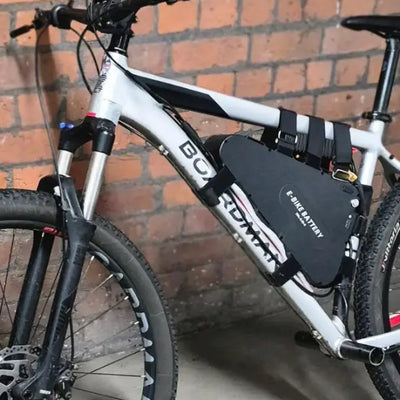
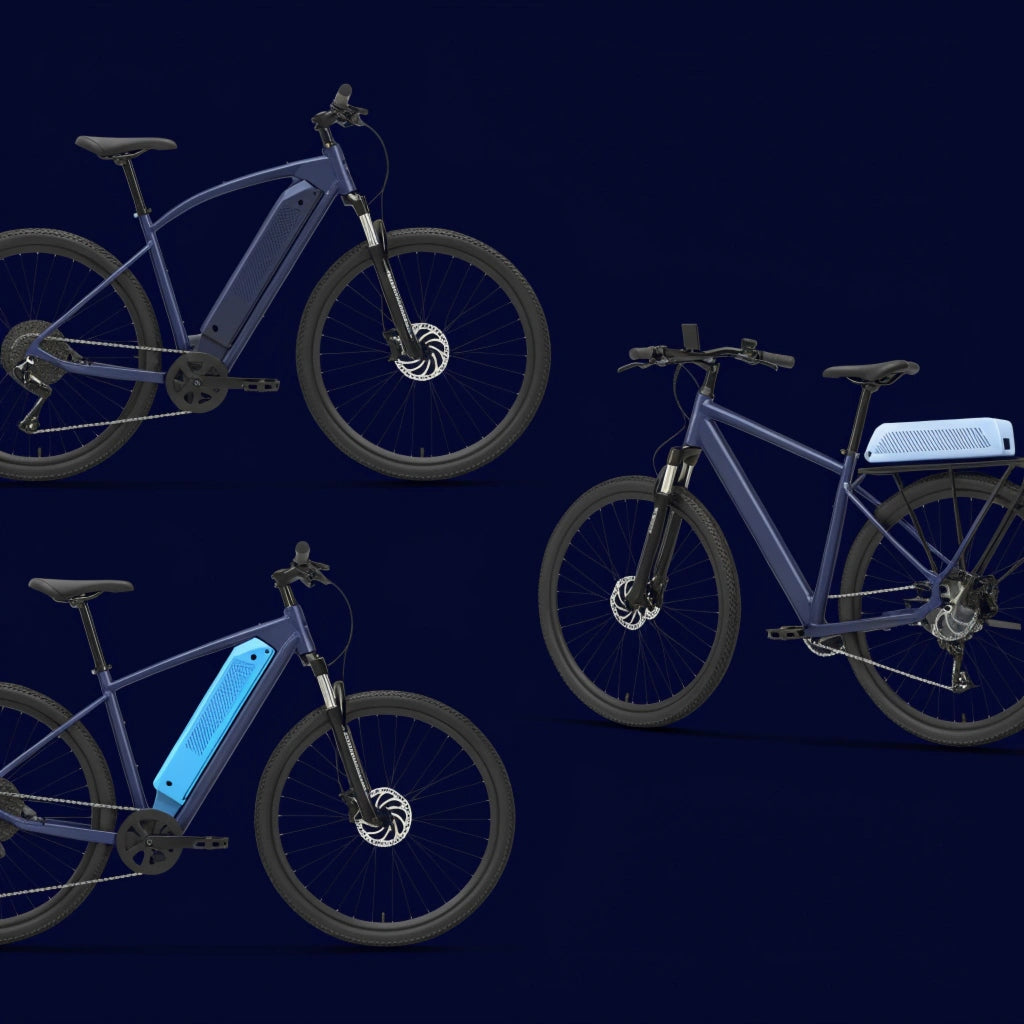
- Controleer de afmetingen van de onderbuis, bagagedrager of frame driehoek
- Controleer de compatibiliteit van het montagemateriaal
- Overweeg veranderingen in gewichtsverdeling
Celkwaliteit is belangrijk:
- Premium cellen (Samsung, LG, Panasonic) bieden een betere levensduur
- Goedkopere cellen hebben mogelijk een kortere levensduur
- Cellen van hogere kwaliteit bieden betere ontladingssnelheden
- De temperatuurprestaties variëren per celfabrikant
BMS (Battery Management System):
- Zorgt voor celbalancering tijdens het opladen
- Biedt bescherming tegen overstroom en overspanning
- Temperatuurbewaking voorkomt thermische schade
- Kwaliteits-BMS verlengt de levensduur van de batterij aanzienlijk
Batterij afstemmen op uw behoeften:
|
Rijstijl
|
Aanbevolen batterij
|
Typisch bereik
|
|
Korte ritten (<15 km)
|
48V 10-13Ah
|
30-40 km
|
|
Dagelijks woon-werkverkeer (15-30 km)
|
48V 15-20Ah
|
50-70 km
|
|
Langeafstandstochten
|
52V 20-30Ah
|
80-120 km
|
|
Vracht/zware lasten
|
52V 25-30Ah
|
60-90 km
|
Wettelijke en Veiligheidsoverwegingen
Naleving van Britse wetgeving
Inzicht in de Britse e-bike regelgeving is cruciaal:
Eisen voor elektrisch ondersteunde pedaalrijwielen (EAPC):
- Maximaal continu motorvermogen: 250W
- Uitschakeling motorondersteuning: 25 km/u (15,5 mph)
- Alleen pedaalondersteuning (gashendel tot 6 km/u toegestaan)
- Rijder moet 14+ jaar oud zijn
Systemen die de EAPC-specificaties overschrijden:
- Geclassificeerd als motorvoertuigen die registratie vereisen
- Verzekering en belasting wettelijk verplicht
- APK-keuring kan van toepassing zijn
- Gebruik alleen toegestaan op privéterrein
- Gebruik op de weg zonder naleving is illegaal
Veiligheidsupgrades voor systemen met hoger vermogen
Voltage- en vermogensupgrades vereisen corresponderende veiligheidsverbeteringen:
Remsysteem:
- Standaard V-brakes onvoldoende voor snelheden boven 48V
- Hydraulische schijfremmen sterk aanbevolen
- Grotere rotormaten (180mm+) verbeteren de remkracht
- Frequentere vervanging van remblokken nodig
Banden specificaties:
- Hogere nominale banden voor hogere snelheden
- Lekbestendige opties verminderen storingen onderweg
- Controleer de bandenspanning vaker (beïnvloedt de wegligging bij hogere snelheden)
Verlichting:
- Fellere verlichting essentieel voor rijden met hogere snelheden
- Overweeg extra achterverlichting
- Reflecterende kleding verbetert de zichtbaarheid voor het verkeer
Beschermende uitrusting:
- Kwaliteitshelm geschikt voor hogere snelheden
- Overweeg extra beschermende kleding (handschoenen, gewatteerde kleding)
- Oogbescherming voorkomt letsel door vuil
Probleemoplossing van spanningsupgrade-problemen
Veelvoorkomende problemen en oplossingen
Motor start niet na upgrade:
- Controleer of de hall-sensorverbindingen correct zijn geplaatst
- Controleer of de fasekabelverbindingen correct zijn
- Controleer of de controller is geprogrammeerd voor het juiste motortype
- Test de uitgangsspanning van de batterij bij de controller
Verminderde prestaties vergeleken met verwachtingen:
- De stroomlimieten van de controller kunnen conservatief zijn
- Batterij levert onvoldoende ontlaadstroom
- Motorrendementscurve komt niet overeen met de spanning
- Problemen met spaakspanning indien de motor is vervangen
Display toont foutcodes:
- Raadpleeg de handleiding van de controller voor specifieke foutmeldingen
- Veelvoorkomende fouten: gashendelstoring, overspanning, overstroom
- Kan herprogrammering van de controller of vervanging van onderdelen vereisen
Voortijdige spanningsdaling van de batterij:
- BMS kan te conservatief zijn met ontladen
- Batterijcapaciteit overschat door fabrikant
- Koud weer vermindert de capaciteit aanzienlijk
- Batterij kan defect of beschadigd zijn
Oververhitting van componenten:
- Onvoldoende ventilatie rond de controller
- Stroomafname overschrijdt de nominale waarden van de componenten
- Slechte verbindingen veroorzaken weerstandsverwarming
- Langdurig gebruik met hoog vermogen zonder koelpauzes
Conclusie
Beoordeel, voordat u verder gaat, de spanningstolerantie van uw motor grondig, budgetteer voor noodzakelijke componenten inclusief batterij en controller, en begrijp de wettelijke implicaties van krachtigere systemen in uw rechtsgebied. Of u nu op zoek bent naar betere prestaties voor uitdagend terrein of simpelweg het potentieel van uw e-bike wilt maximaliseren, een spanningsupgrade biedt een aantrekkelijke weg voorwaarts.
Voor rijders die klaar zijn om de sprong te wagen, bieden kwaliteitscomponenten van gevestigde fabrikanten, zoals die in de Kirbebike-collectie, een betrouwbare basis voor succesvolle upgrades. Vergeet niet dat met meer vermogen ook meer verantwoordelijkheid komt - prioritiseer veiligheidsupgrades en rijd binnen uw vaardigheidsniveau en lokale regelgeving.
Veelgestelde vragen
Kan ik mijn 36V accu zomaar vervangen door een 48V accu zonder andere componenten te wijzigen?
Nee, dit is onveilig en zal waarschijnlijk uw controller onmiddellijk beschadigen. Controllers zijn voltagespecifiek en kunnen geen spanningen boven hun nominale waarde aan. U moet de controller samen met de batterij vervangen en controleren of uw motor de verhoogde spanning aankan om componentfalen te voorkomen.
Hoeveel sneller zal mijn e-bike gaan na een upgrade van 36V naar 48V?
Theoretisch zult u een snelheidsverhoging van ongeveer 33% zien, maar de praktijkresultaten variëren op basis van motorefficiëntie, controllerinstellingen en belastingsfactoren. Typische rijders ervaren snelheidsverhogingen van 28 km/u naar 38-42 km/u. Onthoud dat de luchtweerstand exponentieel toeneemt, dus het bereik zal afnemen als u constant met hogere snelheden rijdt.
Zal een upgrade naar 52V mijn bereik aanzienlijk verbeteren?
Niet noodzakelijk. Hoewel 52V-systemen efficiënter kunnen zijn, hangt het bereik voornamelijk af van de totale batterijcapaciteit (wattuur) en niet zozeer van de spanning. Een 52V 15Ah-accu (780Wh) zal een vergelijkbaar of iets kleiner bereik bieden dan een 36V 25Ah-accu (900Wh). Nieuwe accu's leveren echter de volledige capaciteit in vergelijking met oudere, gedegradeerde accu's.
Is mijn bestaande naafmotor compatibel met hogere spanningen?
Sommige motoren verdragen matige overspanning (36V motoren die op 48V draaien), maar dit verkort de levensduur en verhoogt het risico op oververhitting. Controleer de specificaties van de fabrikant of neem contact op met de ondersteuning. Direct aangedreven naafmotoren kunnen overspanning over het algemeen beter aan dan motoren met tandwielaandrijving. Voor aanzienlijke upgrades (36V naar 52V+) is motorvervanging meestal noodzakelijk.
Welke controllerspecificaties heb ik nodig voor een 48V 1000W systeem?
Kies een controller met een nominale waarde van 48V (of een bereik van 48V-52V) en een continue stroomcapaciteit van minimaal 25A (1000W ÷ 48V ≈ 21A, plus 20% veiligheidsmarge). Hogere stroomwaarden zorgen voor betere acceleratie en klimvermogen zonder oververhitting. Zorg ervoor dat de controller overeenkomt met de configuratie van de hallsensor van uw motor.
Moet ik mijn remmen upgraden bij een spanningsverhoging naar 48V of 52V?
Absoluut. Hogere spanningen maken aanzienlijk hogere snelheden mogelijk, wat proportioneel meer remkracht vereist. Standaard V-brakes zijn onvoldoende voor snelheden boven de 35 km/u. Upgrade naar hydraulische schijfremmen met minimaal 160 mm rotors (180 mm aanbevolen voor systemen boven 1500W) om veilige remafstanden te garanderen.
Kan ik mijn bestaande 36V display gebruiken met een 48V- of 52V-systeem?
Veel displays accepteren brede spanningsbereiken (36V-60V) via interne spanningsregelaars en zullen prima werken. Controleer echter de compatibiliteit van uw specifieke display in de technische specificaties. Het display moet ook compatibel zijn met het communicatieprotocol van uw nieuwe controller (UART, CANbus, enz.), anders heeft u een passende vervanging nodig.
: invalid url input)
usmile
Liquid error (snippets/blog-best-product line 36): product form must be given a product
Liquid error (snippets/blog-best-product line 59): product form must be given a product