Converting your traditional bicycle into an electric bike opens up new possibilities for commuting, recreation, and tackling challenging routes. However, the performance of your ebike conversion kit doesn't exist in a vacuum—two critical factors significantly influence how your electric bike performs: rider weight and terrain. Understanding these variables helps you choose the right kit and set realistic expectations for your converted e-bike.
Understanding the Weight-Performance Relationship
Rider weight directly affects every aspect of e-bike performance, from acceleration to battery consumption. When you add an electric motor to your bicycle, you're essentially asking it to move a combined weight that includes the rider, the bike frame, the motor system, and the battery pack.
How Weight Affects Different Performance Metrics:
-
Acceleration: Heavier loads require more initial power to overcome inertia
-
Top Speed: Additional weight creates more resistance, reducing maximum velocity
-
Hill Climbing: Increased mass makes ascending slopes more energy-intensive
-
Battery Range: Greater weight demands more power output, draining batteries faster
-
Braking Distance: Heavier systems need more stopping distance for safety
For riders above average weight, selecting a conversion kit with higher wattage becomes essential. A 250W system that works perfectly for a 70kg rider may struggle with a 100kg rider on the same route.
Power Requirements for Different Rider Weights
|
Rider Weight Range
|
Recommended Minimum Power
|
Ideal for Terrain Type
|
|
Under 70kg
|
250W - 500W
|
Flat to moderate hills
|
|
70-90kg
|
500W - 1000W
|
Mixed terrain
|
|
90-110kg
|
1000W - 1500W
|
Hilly areas
|
|
Over 110kg
|
1500W+
|
Steep inclines and off-road
|
These recommendations assume average fitness levels and standard riding conditions. Riders who plan to carry cargo, use child seats, or tackle particularly demanding routes should consider systems with additional power reserves.
Terrain Types and Their Impact on Performance
![]()

Different landscapes present unique challenges for electric bike systems. The terrain you regularly ride determines which motor type and power level will serve you best.
Urban Flat Terrain
City riding on relatively flat surfaces represents the easiest conditions for e-bike kits. Stop-and-go traffic patterns do consume battery power through frequent acceleration, but the lack of sustained climbing means even lower-wattage systems perform admirably.
Optimal Kit Characteristics:
- Hub motors work efficiently on flat surfaces
- 250W to 750W systems handle most urban needs
- Battery capacity matters more than peak power
- Lighter systems improve maneuverability in traffic
Rolling Hills
Moderate elevation changes define rolling hill terrain, common in suburban areas and countryside routes. These conditions test your kit's sustained power delivery rather than peak output.
For this terrain type, mid-motor electric conversion kits offer distinct advantages. Mid-drive systems leverage your bike's existing gears, providing better efficiency on varied terrain compared to hub motors. The Tongsheng TSDZ8 series delivers up to 140Nm of torque, making consistent hill climbing manageable even for heavier riders.
Steep Mountain Grades
Serious elevation gain demands serious power. Mountain biking and hill climbing represent the most challenging scenarios for e-bike conversion kits.
Critical Factors for Mountain Performance:
- Minimum 1000W power output recommended
- High torque ratings essential (80Nm+)
- Quality battery cells maintain voltage under load
- Controller efficiency prevents overheating on long climbs
The 52V 2000W and 60V 3000W systems excel in mountainous terrain, delivering the sustained power needed for steep grades while maintaining reasonable battery consumption.
How Battery Performance Changes with Load and Terrain
![]()

Battery range specifications listed by manufacturers assume ideal conditions: moderate rider weight, flat terrain, minimal wind resistance, and optimal temperatures. Real-world conditions typically deliver 60-80% of advertised range.
Range Calculation Factors
Baseline Range Modifiers:
-
Rider weight: Each additional 10kg reduces range by approximately 5-8%
-
Elevation gain: Every 100m of climbing consumes roughly 10-15% additional battery
-
Wind resistance: Headwinds can reduce range by 15-25%
-
Temperature: Cold weather (below 10°C) decreases capacity by 10-20%
-
Assist level: Higher assist settings drain batteries 30-50% faster
Understanding these variables helps set realistic expectations. A battery rated for 60km range on flat ground might deliver only 35-40km for a heavier rider tackling hilly terrain in cold weather.
Choosing the Right Motor Type for Your Conditions
Hub motors and mid-drive motors each excel in different scenarios based on rider weight and terrain requirements.
Hub Motor Advantages
Hub motors mount directly in the wheel hub, offering several benefits:
- Simple installation process (typically 20 minutes)
- Lower maintenance requirements
- Quieter operation in most conditions
- Direct power delivery without drivetrain stress
- Cost-effective solution for many riders
Hub motors work brilliantly for lighter to average-weight riders on flat to moderate terrain. The direct drive design means no gear reduction, which can limit climbing ability but provides excellent efficiency on level ground.
Mid-Drive Motor Benefits
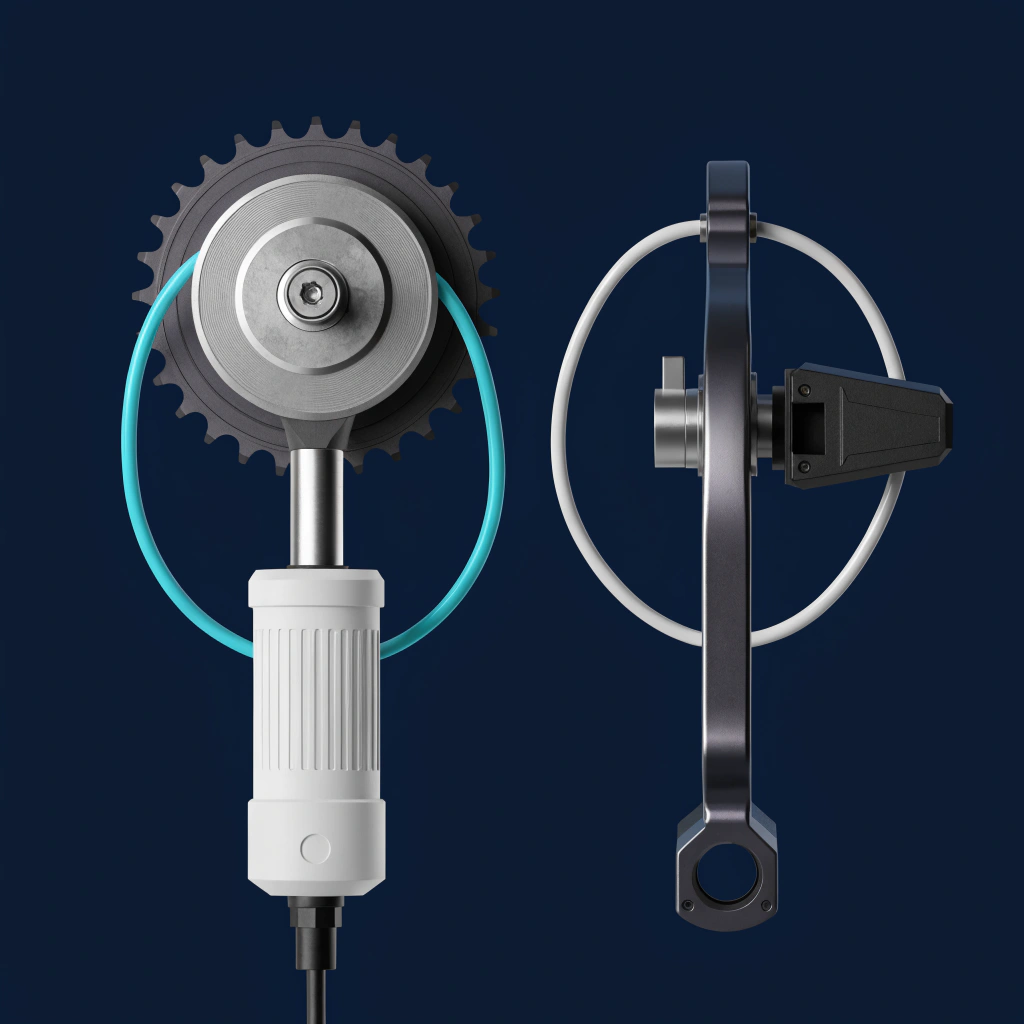
Mid-drive systems connect to the bicycle's crankset, utilizing the bike's gearing:
- Superior hill-climbing capability through gear leverage
- Better weight distribution (centered on frame)
- More natural riding feel
- Greater efficiency on varied terrain
- Optimal for heavier riders and steep grades
The torque sensor technology in modern mid-drives provides responsive power delivery that feels intuitive, automatically adjusting output based on pedaling force.
Practical Tips for Optimizing Performance
Regardless of your weight or typical terrain, several strategies maximize your e-bike kit's performance:
For Heavier Riders:
- Select systems with 20-30% more power than minimum requirements
- Invest in higher capacity batteries for adequate range
- Use lower assist levels on flat sections to conserve battery
- Maintain proper tire pressure to reduce rolling resistance
- Consider dual-battery setups for extended range
For Challenging Terrain:
- Choose mid-drive systems for serious elevation changes
- Start climbs in appropriate gears before engaging full assist
- Maintain steady cadence rather than relying solely on motor power
- Plan routes with battery capacity in mind
- Carry a spare battery for mountain adventures
For All Riders:
- Keep chain and drivetrain properly lubricated
- Check tire pressure weekly
- Monitor battery health and charging practices
- Adjust assist levels based on current conditions
- Perform regular maintenance checks on electrical connections
Motor Power Efficiency Across Different Scenarios
Understanding how efficiently your motor uses battery power in various situations helps predict real-world performance:
Efficiency Ratings by Condition
High Efficiency Scenarios (85-95% efficiency):
- Flat terrain at moderate speeds
- Consistent pedaling with low assist
- Optimal temperature conditions
- Properly maintained drivetrain
Moderate Efficiency Scenarios (70-85% efficiency):
- Gentle hills with appropriate gearing
- Varied speed with frequent but gradual acceleration
- Mixed pedal assist and throttle use
- Typical commuting conditions
Low Efficiency Scenarios (50-70% efficiency):
- Steep sustained climbing
- Heavy rider with cargo on hills
- Frequent stop-and-start in traffic
- Cold weather operation
- High-speed riding with maximum assist
The quality of your conversion kit's controller significantly impacts efficiency. Advanced controllers with Field-Oriented Control (FOC) technology optimize power delivery, reducing waste heat and extending battery life.
Real-World Performance Examples
To illustrate how weight and terrain interact, consider these scenarios using popular ebike conversion kits:
Scenario 1: Urban Commuter
- Rider weight: 75kg
- Terrain: Mostly flat with occasional overpasses
- Kit: 48V 1000W hub motor with 16Ah battery
- Expected range: 45-50km with mixed assist levels
- Performance: Excellent acceleration, comfortable cruising at 35-40km/h
Scenario 2: Mountain Explorer
- Rider weight: 95kg
- Terrain: Steep trails with 500m elevation gain
- Kit: 52V 2000W rear hub with 25Ah battery
- Expected range: 30-35km including climbs
- Performance: Strong climbing ability, suitable for technical trails
Scenario 3: Heavy-Duty Adventure
- Rider weight: 105kg plus 15kg cargo
- Terrain: Mixed with significant hill climbing
- Kit: 60V 3000W system with 20Ah high-discharge battery
- Expected range: 40-45km on challenging routes
- Performance: Exceptional power delivery, handles steep grades confidently
Temperature Considerations
Environmental temperature affects both motor performance and battery capacity. Cold weather presents particular challenges for e-bike systems.
Cold Weather Effects:
- Lithium batteries lose 10-20% capacity below 10°C
- Chemical reactions slow, reducing available current
- Viscous lubricants increase drivetrain resistance
- Display performance may become sluggish
Hot Weather Considerations:
- Motors generate additional heat under load
- Controllers may implement thermal limiting
- Battery charging should occur in moderate temperatures
- Extended full-throttle operation may trigger thermal cutoffs
Quality conversion kits incorporate temperature monitoring and thermal management to protect components while maintaining performance across reasonable temperature ranges.
Upgrading Your System for Better Performance
If your current kit struggles with your weight or terrain demands, several upgrade paths exist:
Battery Upgrades:
- Higher capacity cells extend range
- Higher voltage systems increase power output
- Premium cell brands offer better performance under load
Controller Modifications:
- Programmable controllers allow custom power curves
- Higher amperage controllers unlock additional motor power
- Advanced controllers improve efficiency
Motor Upgrades:
- Switching from hub to mid-drive for better climbing
- Higher wattage motors for additional power
- Upgraded winding configurations for specific use cases
Before investing in major upgrades, ensure your current system operates optimally through proper maintenance and settings adjustment.
Conclusion
Rider weight and terrain type fundamentally shape e-bike conversion kit performance. Heavier riders require more powerful systems to achieve similar performance to lighter riders, while challenging terrain demands adequate power reserves regardless of rider weight. By honestly assessing your weight, typical routes, and performance expectations, you can select an appropriate electric bike kit that delivers satisfying performance without overspending on unnecessary power.
Modern conversion kits offer remarkable capabilities across a wide range of conditions. Whether you're a lighter rider tackling flat commutes or a heavier adventurer conquering mountain trails, matching your kit's specifications to your actual use case ensures years of reliable, enjoyable electric-assisted cycling.
Frequently Asked Questions
How much does rider weight affect e-bike battery range?
Each additional 10kg of rider weight typically reduces battery range by 5-8%. Heavier riders should select higher capacity batteries or consider dual-battery setups for adequate range on longer trips.
What motor power do I need for steep hill climbing?
For consistently steep terrain (grades above 10%), riders should consider minimum 1000W systems with high torque ratings (80Nm+). Heavier riders or those carrying cargo should opt for 1500W or higher systems.
Do hub motors or mid-drive motors work better for heavy riders?
Mid-drive motors generally perform better for heavier riders, especially on varied terrain. They leverage the bike's gears for better efficiency and provide superior climbing ability compared to hub motors of similar wattage.
How does cold weather affect e-bike kit performance?
Cold temperatures below 10°C reduce battery capacity by 10-20% and can slow chemical reactions in lithium cells. Store batteries indoors when possible and allow them to warm before riding in extreme cold.
Can I upgrade my current kit if it doesn't have enough power?
Yes, you can often upgrade battery capacity, controller amperage, or the entire motor system. However, ensure your bicycle frame can safely handle higher power outputs before making significant upgrades.
What terrain considerations affect motor choice most?
Steep sustained climbs require high torque and power reserves, making them the most demanding terrain type. For serious hill climbing, mid-drive systems or high-wattage hub motors (1500W+) perform best.
How do I calculate realistic range for my weight and terrain?
Start with the manufacturer's range estimate, then apply modifiers: reduce by 5-8% per 10kg over 75kg rider weight, and reduce by 10-15% per 100m of elevation gain. Factor in assist level and weather conditions for final estimates.
: invalid url input)
usmile
Liquid error (snippets/blog-best-product line 36): product form must be given a product
Liquid error (snippets/blog-best-product line 59): product form must be given a product