If you’re hunting for a 72v 30ah triangle battery (or a 72V 25Ah–30Ah alternative) to power a high-performance build, you’ve likely hit the same questions everyone asks: How do I choose a safe, long-lasting pack? What kind of real-world range can I expect? Which brands get consistent reviews? This guide cuts through the noise with a practical buyer’s checklist, honest range math, and a short list of reliable options—plus what to know if you start with 20Ah and plan to expand.
We’ll keep the tone simple and unbiased while staying consistent with KirbEbike’s product ecosystem. If you want a known-good baseline today, you can begin with the 72V 20Ah Lithium Battery (with 5A fast charger) and either add a second pack or step up to a 30Ah configuration as your needs grow.
Why 72V (and why triangle)?
Voltage for speed & sustained power. A 72V system maintains higher motor RPM and stronger pull at the same current compared to 48/52V setups. When paired with an appropriate controller and motor, this translates into confident hill climbs and top-end stability on speed e-bikes.
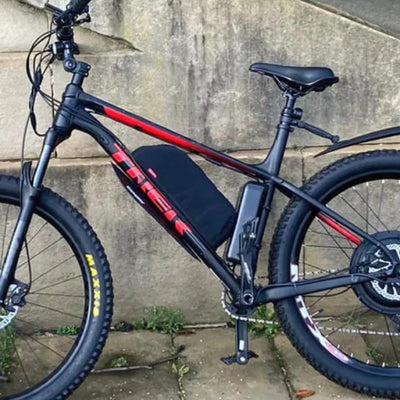
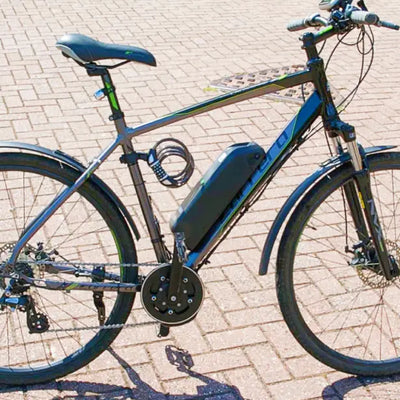
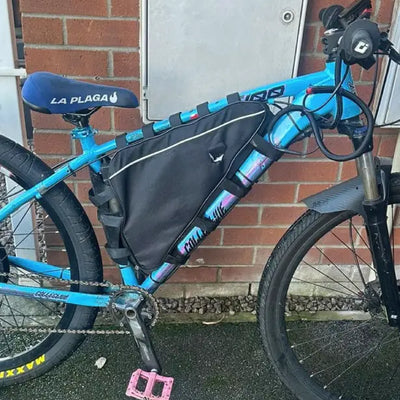
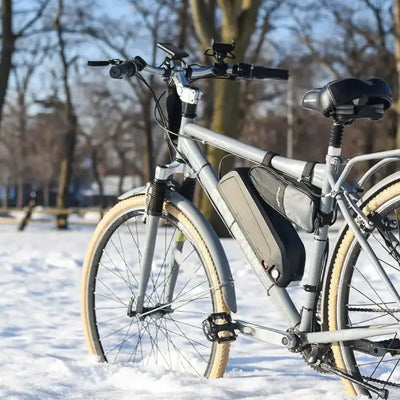
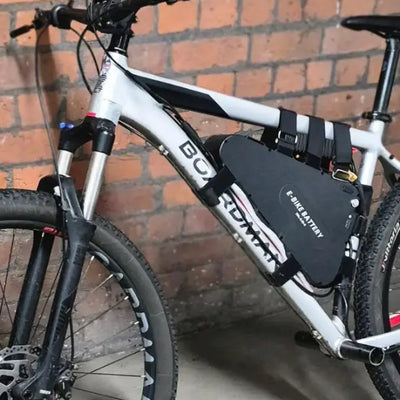
Triangle for balance & fit. A triangle battery sits low and centered in the frame, improving handling and weight distribution versus rack packs. For off-road and fat-tyre builds, that position is a big ride-feel win.
Legal reminder (UK/EU): High-voltage packs are typically for off-road/private land. For public roads in the UK, EAPC rules cap assistance at 15.5 mph (25 km/h) and 250W continuous. Build and ride responsibly.
What “good quality” means at 72V 25–30Ah

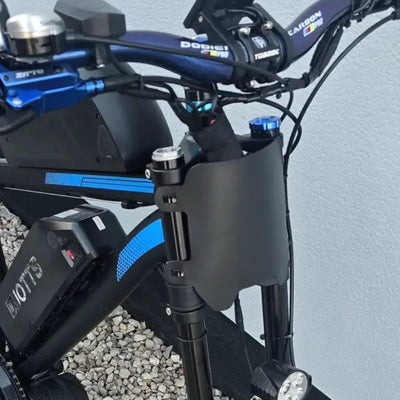
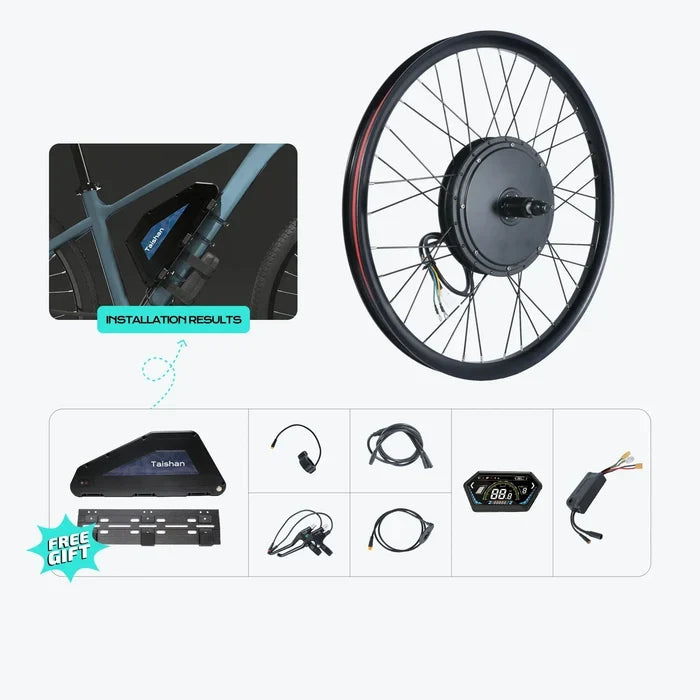
When people search speed e-bikes 72v 30ah triangle battery reviews, what they’re really asking is: What separates a trusted pack from the rest? Beyond cell quality and BMS ratings, details like a Triangle Mount Holder: balanced triangle mount; anti-wobble, anti-theft ready; room for larger batteries also matter. Look for the following:
Honest specs & cells
-
Clear voltage/capacity specs (e.g., 72V 30Ah ≈ 2,160 Wh; 72V 25Ah ≈ 1,800 Wh; 72V 20Ah ≈ 1,440 Wh).
-
Stated full-charge voltage (84V for 72V nominal).
- Transparent cell type (e.g., reputable 21700/18650 cells), cycle-life expectations, and BMS ratings.
Robust BMS & current ratings
- BMS continuous current comfortably above your controller’s continuous draw.
- Adequate burst handling for acceleration without frequent cut-outs.
Thermal behavior & protection
- Solid casing, heat management, tidy spot welds and bus bars (you won’t always see internals, but reviews often hint at build consistency).
Connector & harness quality
- High-current connectors (XT90/MT60/Anderson, etc.) with firm, low-resistance contact.
- No “mystery adapters” that run hot under load.
Mounting practicality
-
True triangle profile that fits common frames.
- Stable mounting points, padding, and cable exit orientation that won’t kink wires.
After-sales support
- Clear warranty policy, responsive email support, and easy-to-read documentation.
Real-world range: simple, honest math
Range is about energy (Wh) and consumption (Wh/km or Wh/mi). Terrain, tyres, rider weight, wind, cadence, and assist settings all matter.
-
Efficient road build: ~12–18 Wh/km (19–29 Wh/mi)
-
Mixed terrain: ~18–25 Wh/km (29–40 Wh/mi)
-
Fat tyres / off-road / fast: ~25–35+ Wh/km (40–56+ Wh/mi)
-
72V 20Ah (~1,440 Wh) → ~40–80 km (ride-style dependent)
-
72V 25Ah (~1,800 Wh) → ~55–95 km
-
72V 30Ah (~2,160 Wh) → ~65–110+ km
Your exact numbers will vary, but this reality check beats inflated marketing claims. If you’re riding hard, climbing, or rolling big tyres, expect to live on the higher consumption side.
72V 20Ah vs 25Ah vs 30Ah: how to pick
-
20Ah: Best weight-to-range balance; ideal if you want a nimble bike with respectable distance. If you’re unsure, start here, learn your routes, and scale later.
-
25Ah: Sweet spot for riders who regularly push beyond casual distances, especially on mixed surfaces.
-
30Ah: For long days, heavy riders, colder climates, or fat-tyre builds. More watt-hours, more freedom—at the cost of extra mass and size.
Pro tip: Many riders start with 20Ah and—after a few months—either add a second battery in parallel (with proper hardware/know-how) or step up to 30Ah. One KirbEbike reviewer literally said 20Ah was great but they wanted “40Ah of hotness.” That sentiment is common once the speed bug bites.
Where to buy: reliable sources & what to expect

1) KirbEbike (baseline option you can buy now)
-
3-pin high-power charge port (solid connection)
-
Stainless metal power switch (durable on/off)
-
USB-C (Type-C) 1A for phone/GPS top-ups
-
Battery indicator tuned for 84V full charge
-
5A fast charger included for quicker turnarounds
-
Promo codes: Kirb99 (£99 off £699+) or Kirb40 (£40 off £399+) when active.
-
Who it’s for: Builders who want a known-good 72V triangle pack today, plan to evaluate real-world range, and may later add another pack or move to a 30Ah configuration.
If your routes already scream “I need 30Ah,” you can still grab this 20Ah as a main or backup and wire your setup for future expansion. For many riders, starting at 20Ah keeps weight reasonable while you sort gearing, brakes, and controller limits.
2) Specialist e-bike battery vendors (30Ah focus)
-
Look for clear cell sourcing, BMS specs, connector options, and a return/warranty you understand. Third-party roundups can be helpful for shortlisting—but always confirm details directly on the vendor page (cells used, BMS current, dimensions, and shipping time).
-
Expect a size/weight jump at 30Ah. Measure your frame triangle (inner lengths + bottle bosses) before checkout.
3) Custom builders & local specialists
- If you have a unique frame or specific discharge demands (e.g., sustained 60A+), a custom shop can build around your requirements, with bus bars and cell spacing optimized for heat.
- Upside: you get exactly what you want. Downside: price and lead time.
Set up: getting the most from a 72V triangle pack
1) Match the system.
Battery voltage must match controller/MOSFET ratings; BMS continuous current must meet or exceed controller draw. Over-amping the pack causes cut-outs or heat.
2) Cable discipline.
Route the main leads away from the chain, tyres, and sharp tube edges. Leave a gentle service loop near the controller to avoid strain.
3) Mounting & padding.
Triangle packs are stable, but only if they’re snug. Use pads to eliminate rattle and spread load. Tighten straps after your first few rides.
4) Cooling for the controller.
High-power FOC units prefer airflow. Don’t bury the controller in a sealed bag; consider a ventilated mount.
5) Brakes & drivetrain.
Speed e-bikes need serious stopping power and periodic bolt checks. Bed in pads/rotors, keep rotors true, and re-torque axle nuts and torque arms at 50–100 km.
Charging & care: easy habits that extend life
-
Charge near ride time. Avoid leaving the battery at 100% for days.
-
Store cool, ~40–60% if you won’t ride for a while.
-
Avoid deep drains (0%). Shallow cycles are gentler.
-
Use the included 5A charger unless the seller specifies another rate. Faster charging = more heat = more stress.
-
Inspect monthly: connectors tight, no abnormal warmth or swelling, case secure.
Following these basics often matters more than chasing brand names.
Reviews: what experienced riders usually say
Scan 72v 30ah triangle battery reviews long enough and patterns emerge:
-
Range relief: Stepping to 30Ah removes the “battery anxiety” that riders feel on aggressive routes.
-
Voltage sag reduction: 72V maintains pep at the top end better than 48/52V—especially noticeable on long, fast pulls.
-
Weight trade-off: 30Ah is heavier; triangle mounting helps, but you’ll still feel it when loading the bike into a car or climbing stairs.
-
“Start smaller, then scale”: Many riders begin with 20Ah, learn consumption, then parallel a second battery or upgrade to 30Ah. It’s a budget-friendly path that also de-risks fitment and wiring.
Safety notes (worth repeating)
-
Never exceed rated voltage/current of the controller and motor.
-
Use proper connectors (XT90/MT60/Anderson) and crimp/solder correctly—loose connections get hot.
-
Consider a fuse inline for an added layer of protection.
-
Charge on a non-flammable surface and don’t leave packs charging unattended.
-
Stop using a damaged battery—swelling, odd smells, or abnormal heat need professional attention.
Frequently Asked Questions
Is a 72V 30Ah triangle ebike battery overkill?
If you ride short commutes, yes. If you ride long, fast off-road routes (fat tyres, hills, wind), 30Ah feels just right.
Can I use a 72V 25Ah battery instead of 30Ah?
Absolutely. 25Ah is a strong middle ground. You’ll save weight and still gain excellent range over 20Ah.
Will 72V make my e-bike faster?
It enables speed with the right motor KV and controller amps. Your system (and aerodynamics) decide the actual top speed.
Can I start with 72V 20Ah and upgrade later?
Yes. Many riders start with the 72V 20Ah and later add a second pack or step to 30Ah once they know their consumption.
Is a triangle battery hard to fit?
Measure your triangle carefully (top/seat/down tube spacing and bottle bosses). With the right straps and padding, installs are straightforward.
Straightforward recommendations
- You want a reliable 72V starting point today: Go with the 72V 20Ah triangle pack + 5A charger. It has practical features (3-pin high-power charge port, metal power switch, USB-C top-up, clear indicator behaviour) and works well for learning your real-world consumption. If you outgrow it, add a second pack or step to 30Ah later.
-
You already know you need more: Target 25–30Ah from a reputable vendor. Confirm BMS current, connector type, dimensions, and warranty. Be realistic about weight—triangle placement helps, but plan the carry.
Final take
Quality 72v 30ah triangle batteries deliver the kind of range and steady punch that make speed e-bikes feel effortless across distance and elevation. Start with a trustworthy 72V baseline like KirbEbike’s 20Ah if you’re still mapping your needs; upgrade to 25–30Ah once you’ve logged the miles and know your consumption. Match battery → controller → motor, give the controller airflow, maintain your brakes, and treat the pack kindly when charging and storing. Do that, and you’ll enjoy fast, confident rides—with range left in the tank.
: invalid url input)
usmile
Liquid error (snippets/blog-best-product line 36): product form must be given a product
Liquid error (snippets/blog-best-product line 59): product form must be given a product