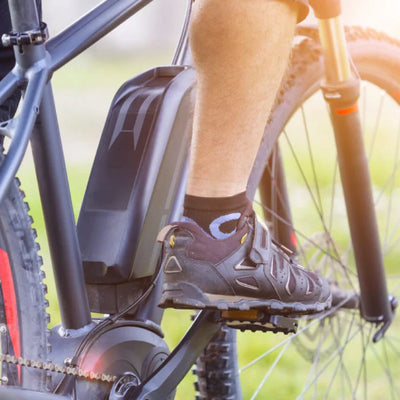
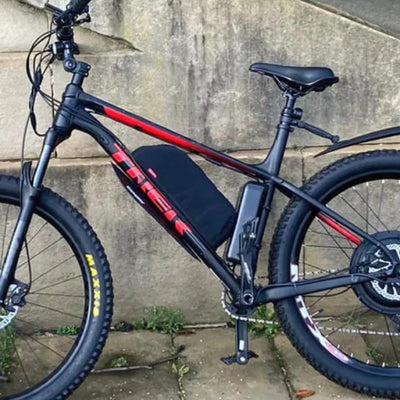
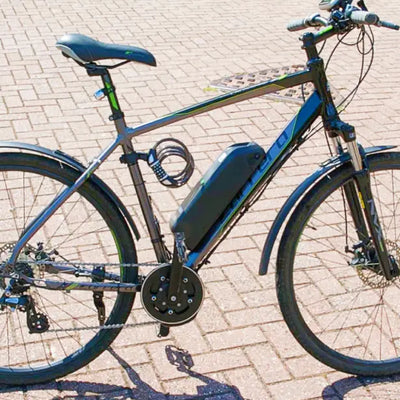
Een van de belangrijkste beslissingen bij het kiezen van een e-bike ombouwset omvat de keuze tussen gashendelbediening en trapondersteuning – of beide. Deze keuze gaat veel verder dan persoonlijke voorkeur en bepaalt fundamenteel de wettelijke classificatie van uw fiets, waar u kunt rijden en welke voorschriften van toepassing zijn.
Inzicht in het wettelijke kader rondom deze twee bedieningsmethoden helpt u weloverwogen beslissingen te nemen die aansluiten bij zowel uw rijstijl als de wettelijke vereisten.
Inzicht in de twee controlesystemen
![]()

Wat is trapondersteuning?
Trapondersteuningssystemen (PAS) leveren alleen motorvermogen wanneer u actief trapt. De motor versterkt uw trapbeweging, waardoor het gevoel ontstaat dat u met een krachtige rugwind rijdt.
Hoe trapondersteuning werkt:
-
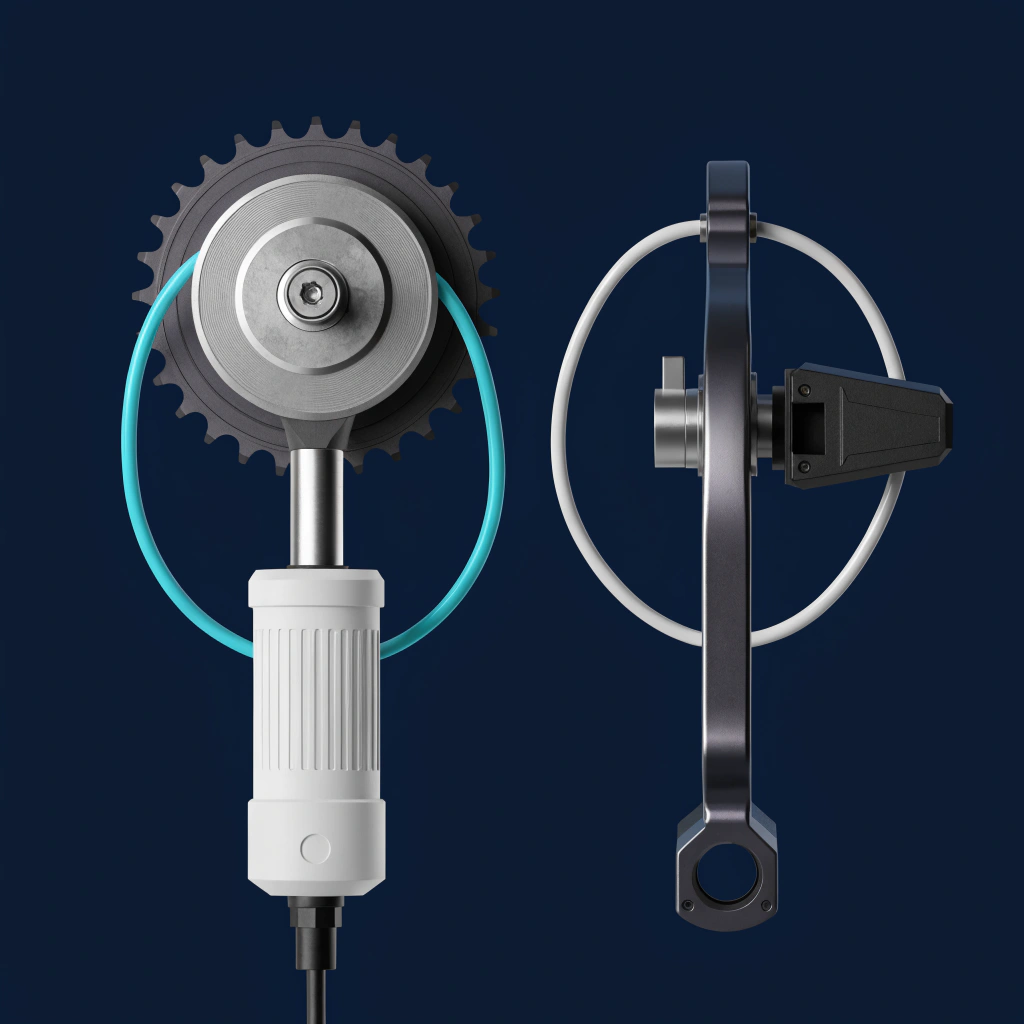
Cadanssensoren: Detecteren wanneer de pedalen draaien en activeren de motor dienovereenkomstig
-
Koppelingssensoren: Meten hoe hard u trapt en bieden proportionele ondersteuning
-
Ondersteuningsniveaus: Meerdere vermogensinstellingen (meestal 1-5 of 1-9) passen de ondersteuningsintensiteit aan
-
Snelheidsafkap: Motorondersteuning stopt bij wettelijke snelheidslimieten, ongeacht het trappen
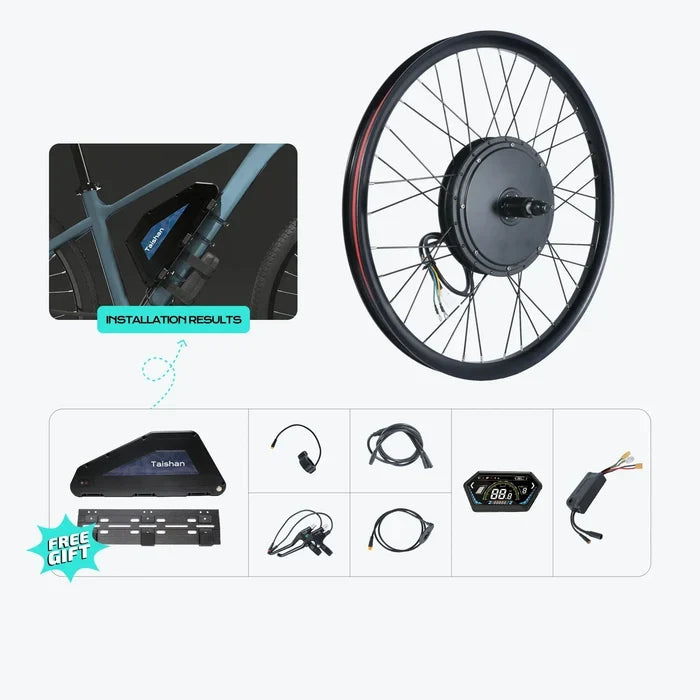
De 48V 750W middenmotor ombouwset is een voorbeeld van geavanceerde trapondersteuningstechnologie, met zijn koppelsensor die 140 Nm responsief vermogen levert dat zich aanpast aan uw trapbewegingen.
Kenmerken van trapondersteuning:
- Biedt een natuurlijk fietsgevoel
- Vereist continu trappen voor motorondersteuning
- Batterij-efficiënt door bijdrage van de rijder
- Creëert een intuïtieve rijervaring
- Wettelijk bevoordeeld in de meeste rechtsgebieden
Wat is gashendelbediening?
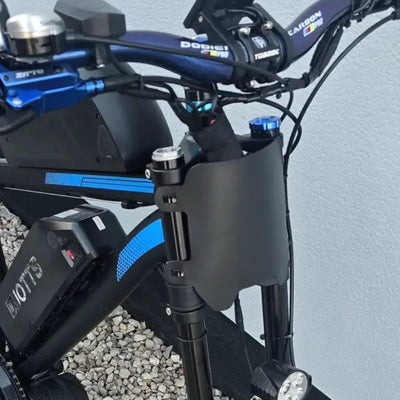
Gashendelgestuurde systemen maken motorbediening mogelijk zonder te trappen, vergelijkbaar met een motorfiets of scooter. Draai aan het handvat of druk op de duimhendel, en de motor drijft de fiets onafhankelijk van de pedaalinvoer aan.
Soorten gashendels:
Duimgashendel: Drukknop of hendel gemonteerd nabij het stuurhandvat, bediend met duimdruk.
Draaigashendel: Motorfietsachtig handvat dat draait om het motorvermogen te regelen, meestal ter vervanging van het rechter stuurhandvat.
Halve draaigashendel: Compromisontwerp dat gashendelbediening biedt zonder volledige vervanging van het handvat.
Kenmerken van gashendelbediening:
- Werkt zonder trapvereiste
- Directe vermogensafgifte op aanvraag
- Handig bij wegrijden op hellingen en in het verkeer
- Ondersteunt rijders met mobiliteitsbeperkingen
- Wordt in veel gebieden geconfronteerd met wettelijke beperkingen
Wettelijke status: Verenigd Koninkrijk
![]()

Britse gashendelvoorschriften
Het Verenigd Koninkrijk handhaaft strikte beperkingen voor gashendelbediening voor elektrisch ondersteunde rijwielen (EAPCs):
Vereisten voor gashendel in het VK:
-
Alleen loopondersteuning: Gashendels beperkt tot maximaal 3,7 mph (6 km/u)
-
Doel: Bedoeld om naast de fiets te lopen, niet om te rijden
-
Boven 6 km/u: Trappen vereist voor elke motorondersteuning
-
Verplichte trapondersteuning: De belangrijkste rijmodus moet alleen trapondersteuning zijn
Juridische implicaties:
Elke e-bike met een gashendel die de fiets boven 6 km/u kan voortbewegen zonder te trappen, wordt geclassificeerd als een motorvoertuig, waarvoor het volgende vereist is:
✗ Registratie en kentekenplaten
✗ Motorverzekering
✗ Geldig rijbewijs
✗ APK-certificering
✗ Wegenbelasting
Status trapondersteuning in het VK
Trapondersteuningssystemen worden in het VK niet geconfronteerd met dergelijke beperkingen, mits ze voldoen aan de standaardvereisten:
✓ Maximaal nominaal motorvermogen van 250W
✓ Afkappunt van de ondersteuning van 15,5 mph (25 km/u)
✓ Motor ondersteunt alleen bij trappen
✓ Geen registratie of licentie vereist
De EZ Rider Kit voldoet aan de Britse regelgeving met zijn alleen-trapondersteuning en optionele gashendel die strikt voldoet aan de beperkingen voor loopondersteuning.
Wettelijke status: Europese Unie
Beperkingen van de EU-gashendel
De Europese Unie volgt regelgeving die nauw aansluit bij de Britse vereisten via EN 15194-normen:
EU-gashendelregels:
- Gashendelbediening verboden boven 6 km/u zonder te trappen
- Loopondersteuningsfunctie toegestaan tot 6 km/u
- Trappen vereist voor motorondersteuning tijdens het rijden
- Alleen gashendelbediening herclassificeert het voertuig als bromfiets
|
Land
|
Gashendelstatus
|
Handhavingsniveau
|
|
Duitsland
|
Verboden boven 6 km/u
|
Zeer streng
|
|
Frankrijk
|
Alleen loopondersteuning
|
Streng
|
|
Nederland
|
Beperkt tot 6 km/u
|
Matig
|
|
Spanje
|
Verschilt per regio
|
Matig
|
|
Italië
|
Loopondersteuning toegestaan
|
Matig
|
EU-vereisten voor trapondersteuning
Trapondersteuningssystemen genieten een onbeperkte status in de hele EU, mits ze voldoen aan de standaardvereisten:
- Maximaal 250W continu nominaal vermogen
- Afkappunt van de ondersteuning van 25 km/u
- Progressieve vermogensreductie bij nadering van de snelheidslimiet
- Motor schakelt alleen in bij trapinvoer
Uitzondering op speedpedelecs:
De EU erkent "speedpedelecs" die 45 km/u kunnen halen, maar deze:
- Vereisen bromfietsregistratie en -verzekering
- Verplichten het dragen van een helm
- Beperken de gashendelbediening (alleen trapondersteuning)
- Beperken de toegang tot infrastructuur
Wettelijke status: Verenigde Staten
Het drieklassenstelsel en gashendels
De Verenigde Staten hanteren een meer genuanceerde benadering via hun drieklassenstelsel, waarbij de legaliteit van de gashendel per classificatie verschilt:
Klasse 1 E-bikes:
-
Gashendelstatus: Verboden
-
Werking: Alleen trapondersteuning
-
Snelheidslimiet: Afkappunt van de ondersteuning van 20 mph
-
Toegang: Breedste toegang tot infrastructuur
Klasse 2 E-bikes:
-
Gashendelstatus: Toegestaan tot 20 mph
-
Werking: Gashendel en/of trapondersteuning
-
Snelheidslimiet: 20 mph voor alle motorondersteuning
-
Toegang: Enkele padbeperkingen
Klasse 3 E-bikes:
-
Gashendelstatus: Verschilt per staat
-
Werking: Voornamelijk trapondersteuning tot 28 mph
-
Gashendelbeperking: Indien toegestaan, beperkt tot 20 mph
-
Toegang: Aanzienlijke padbeperkingen
Variaties per staat van de gashendel
Californië:
- Klasse 2-gashendels legaal tot 20 mph
- Klasse 3 maakt gashendel tot 20 mph mogelijk (daarna trapondersteuning tot 28 mph)
- Duidelijke regelgeving met goede infrastructuur
New York:
- Klasse 2-gashendels toegestaan tot 20 mph
- Recente legalisatie na jaren van verbod
- Toenemende acceptatie in de hele staat
Colorado:
- Klasse 2-gashendels legaal
- Sommige lokale padensystemen verbieden fietsen met gashendel
- Gemengde handhavingsprioriteiten
Texas:
- Over het algemeen tolerante gashendelregels
- Federale richtlijnen van 20 mph/750W gevolgd
- Minimale beperkingen op staatsniveau
Washington:
- Drieklassenstelsel met toegestane klasse 2-gashendels
- Sommige paden verbieden klasse 2-fietsen
- Stedelijke gebieden restrictiever
Federaal perspectief
Op federaal niveau definieert de Consumer Product Safety Commission elektrische fietsen met lage snelheid als fietsen die 20 mph kunnen halen "op alleen motorvermogen" — wat impliciet de gashendelbediening binnen dit kader accepteert.
Uw beslissing nemen
Keuze op basis van wettelijke prioriteiten
VK/EU-rijders:
De beslissing is eenvoudig – alleen trapondersteuning voor onbeperkt legaal gebruik. Het installeren van een gashendel zorgt voor onmiddellijke juridische complicaties, hoe zelden u deze ook gebruikt.
Geschikte systemen:
- 36V 250W trapondersteuningskits
- Systemen met koppelsensoren voor een responsief gevoel
- Loopondersteuningsgashendels (maximaal 6 km/u)
Amerikaanse rijders:
Meer flexibiliteit maakt het mogelijk dat persoonlijke voorkeuren de beslissingen leiden:
Kies alleen trapondersteuning (klasse 1) als u:
- Prioriteit geeft aan toegang tot paden en routes
- De voorkeur geeft aan een natuurlijk fietsgevoel
- Maximale juridische eenvoud willen
- Voornamelijk rijden op gedeelde infrastructuur
Kies voor gashendel (Klasse 2) indien u:
- Voornamelijk op wegen rijdt
- Flexibiliteit in motorinschakeling waardeert
- Mobiliteitsbeperkingen heeft
- Regelmatig in druk verkeer rijdt
Kies voor Klasse 3 (Trapbekrachtiging Prioriteit) indien u:
- Hogere snelheden nodig heeft voor langere afstanden
- Rijdt op wegen waar verkeer comfortabel is
- Beperkingen op de toegang tot infrastructuur accepteert
- Aanvullende vereisten begrijpt
Keuze op basis van rijstijl
Rijders die zich richten op fitheid: Trapbekrachtigingssystemen behouden de voordelen van een training terwijl ze ondersteuning bieden wanneer dat nodig is. Koppelmeetsystemen belonen harder trappen met proportionele kracht.
Forensen: De gashendel is ideaal in stedelijke omgevingen met veel stops, hoewel de toegang tot infrastructuur beperkt kan zijn. Klasse 2 biedt een goed compromis.
Recreatieve trailrijders: Trapbekrachtiging zorgt voor toegang tot trailsystemen en behoudt de traditionele fietservaring met verbeterde mogelijkheden.
Praktische fietsers: De gashendel helpt bij zware ladingen en vracht, vergemakkelijkt het wegrijden en vermindert fysieke belasting tijdens praktisch fietsen.
Installatieoverwegingen
Installatievereisten gashendel
Het toevoegen van een gashendelfunctie aan een ombouwset omvat:
Hardware installatie:
- Gashendelunit gemonteerd aan het stuur
- Bedradingsverbinding met controller
- Juiste kabelgeleiding en bevestiging
- Testen en kalibreren
Configuratie controller:
- Gashendelfunctie inschakelen in de instellingen
- Maximale gassnelheid instellen
- Gasrespons curve configureren
- Veiligheidsuitschakelfuncties testen
Installatie trapbekrachtigingssensor
Trapbekrachtigingssystemen vereisen sensorinstallatie:
Cadanssensor instellen:
- Magneetschijf gemonteerd op de crank
- Sensor gepositioneerd bij de trapas
- Juiste afstand voor betrouwbare detectie
- Weerbestendige installatie
Koppel sensor integratie:
- Middenmotoren bevatten meestal geïntegreerde sensoren
- Naafmotor kits vereisen mogelijk vervanging van de trapas
- Kalibratie voor nauwkeurige vermogensmeting
- Professionele installatie wordt vaak aanbevolen
Conclusie
De Verenigde Staten bieden meer flexibiliteit door hun klassensysteem, waarbij Klasse 2 gashendels in de meeste staten legaal zijn tot 32 km/u, hoewel de toegang tot infrastructuur beperkter wordt dan bij alleen trapbekrachtiging Klasse 1 fietsen. Bij het kiezen van uw e-bike ombouwkit, overweeg niet alleen welke bedieningsmethode u aanspreekt, maar ook waar u zult rijden en welke regelgeving van toepassing is in uw omgeving.
Trapbekrachtigingssystemen bieden de breedste toegang en de duidelijkste juridische status wereldwijd, terwijl gashendels praktische voordelen bieden in specifieke situaties ten koste van regelgevende complexiteit. Het begrijpen van deze verschillen zorgt ervoor dat uw omgebouwde e-bike zowel de prestaties levert die u wenst als de wettelijke naleving die u nodig heeft om met vertrouwen te rijden, waar uw reis u ook brengt.
Veelgestelde vragen
Kan ik een gashendel op mijn e-bike installeren, maar deze gewoon niet gebruiken in gebieden waar gashendels verboden zijn?
Juridisch gezien creëert dit complicaties. In het VK en de EU maakt een gashendel die boven de 6 km/u kan werken de fiets niet-conform, ongeacht of u hem daadwerkelijk gebruikt. In de VS hangt de classificatie van de fiets af van zijn mogelijkheden, niet van uw gebruikspatronen.
Zijn gashendels echt nodig, of is trapbekrachtiging voldoende voor de meeste rijders?
De meeste rijders vinden trapbekrachtiging volledig adequaat voor normale fietsbehoeften. Moderne systemen met koppelsensoren bieden ongelooflijk responsieve kracht die natuurlijk en intuïtief aanvoelt.
Als mijn ombouwset zowel een gashendel als trapbekrachtiging heeft, welk systeem krijgt dan voorrang voor de juridische classificatie?
In de VS bepaalt het systeem met de hogere capaciteit de classificatie. Een fiets met trapbekrachtiging tot 45 km/u en een gashendel tot 32 km/u is Klasse 3. In het VK en de EU zal elke gashendelfunctie boven de 6 km/u het voertuig onmiddellijk herclassificeren als niet-conform, ongeacht de trapbekrachtigingsmogelijkheden.
Kan ik schakelen tussen gashendel- en trapbekrachtigingsmodi om de juridische classificatie van mijn fiets te wijzigen?
Hoewel technisch mogelijk via controllerprogrammering, creëert deze aanpak juridische onzekerheid. Uw fiets moet worden geconfigureerd voor de meest restrictieve omgeving waarin u zult rijden. Autoriteiten beoordelen de maximale mogelijkheden van de fiets, niet de huidige configuratie.
Voelen alle trapbekrachtigingssystemen hetzelfde, of zijn er verschillen in reactiesnelheid?
Er zijn aanzienlijke verschillen tussen cadanssensor- en koppelsensorsystemen. Cadanssensoren detecteren alleen het trappen en passen vooraf ingestelde ondersteuningsniveaus toe, wat een enigszins abrupte inschakeling creëert. Koppelsensoren meten hoe hard u trapt en bieden proportionele ondersteuning, wat een ongelooflijk natuurlijk gevoel creëert.
Zullen de gashendelbeperkingen in het VK of de EU waarschijnlijk in de nabije toekomst veranderen?
De huidige trends suggereren dat de regelgeving op korte termijn stabiel zal blijven. Het VK en de EU hebben duidelijke beleidsstandpunten ingenomen die prioriteit geven aan trapbekrachtiging om de classificatie van e-bikes als fietsen in plaats van motorvoertuigen te handhaven.
Wat gebeurt er als ik betrapt word op het gebruik van een gashendel op een pad waar deze verboden zijn?
De gevolgen variëren per locatie en handhavingsinstantie. U kunt een waarschuwing krijgen voor een eerste overtreding, of boetes variërend van bescheiden bedragen tot verboden op toegang tot paden. Parkwachters en trailmonitoren in populaire gebieden controleren steeds vaker op gashendelfunctie, vooral waar conflicten tussen gebruikersgroepen bestaan.
: invalid url input)
usmile
Liquid error (snippets/blog-best-product line 36): product form must be given a product
Liquid error (snippets/blog-best-product line 59): product form must be given a product