Living in a hilly city presents unique cycling challenges that can transform a pleasant commute into an exhausting ordeal. Steep gradients, continuous elevation changes, and the cumulative fatigue of multiple climbs make traditional cycling impractical for many urban residents.
E-bike conversion kits offer a practical solution, but choosing the right system for mountainous terrain requires careful consideration of power, torque, motor placement, and battery capacity.
Understanding the Hill-Climbing Challenge
What Makes Hills Difficult
Hills demand exponentially more power than flat terrain. A 5% gradient requires roughly 50% more effort than level ground, while a 10% incline can triple the energy expenditure. In hilly cities, riders face:
-
Sustained climbs: Long, gradual ascents that drain battery capacity quickly
-
Steep pitches: Short but intense grades requiring maximum torque
-
Repeated elevation gain: Multiple hills throughout a single journey
-
Stop-and-start climbing: Traffic lights mid-climb requiring frequent restarts under load
-
Descent recovery: The need to recharge or conserve battery between climbs
The Kirbebike conversion systems address these challenges through carefully engineered power delivery, torque optimization, and battery management designed specifically for demanding terrain.
Critical Specifications for Hill Climbing
|
Specification
|
Flat Terrain
|
Moderate Hills
|
Steep Hills
|
Extreme Grades
|
|
Minimum Power
|
250-500W
|
500-750W
|
1000-1500W
|
1500W+
|
|
Torque Required
|
30-40Nm
|
50-70Nm
|
80-100Nm
|
100Nm+
|
|
Battery Capacity
|
400-500Wh
|
600-750Wh
|
750-1000Wh
|
1000Wh+
|
|
Voltage
|
36V
|
48V
|
48-52V
|
52-72V
|
Power vs. Torque: Understanding the Difference
Power (Watts) measures the total energy output and primarily determines top speed. Higher wattage provides more sustained assistance across varied conditions.
Torque (Newton-meters) measures rotational force—the actual climbing ability. High torque enables the motor to turn the wheel under heavy load, making it the critical specification for hill performance.
A 750W motor with 140Nm torque climbs far more effectively than a 1000W motor with 60Nm torque. For hilly cities, prioritize torque over raw power ratings.
Hub Motors vs. Mid-Drive Motors for Hills
![]()

Hub Motor Performance
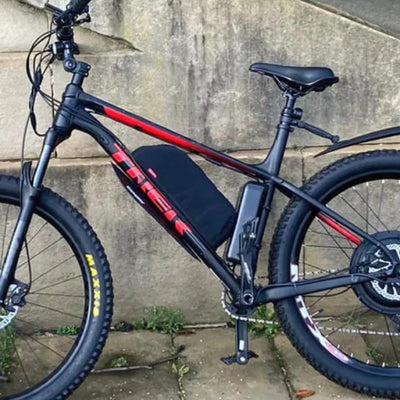
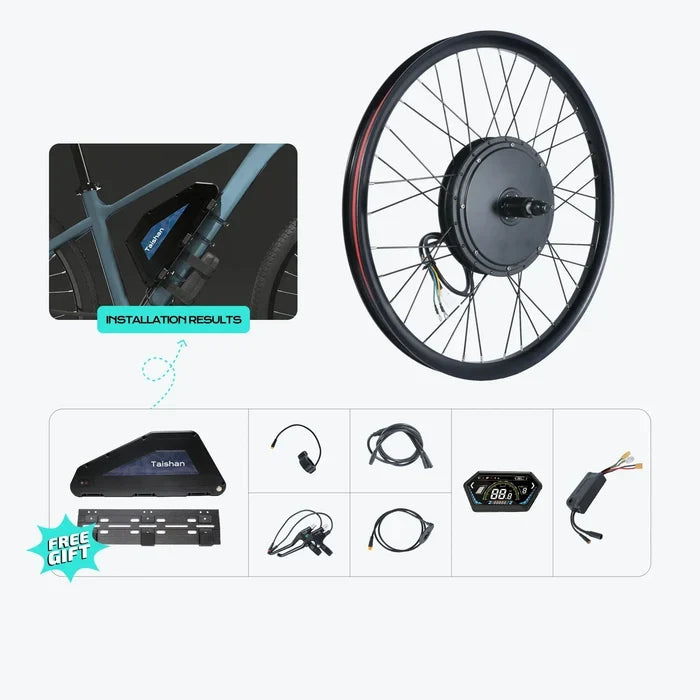
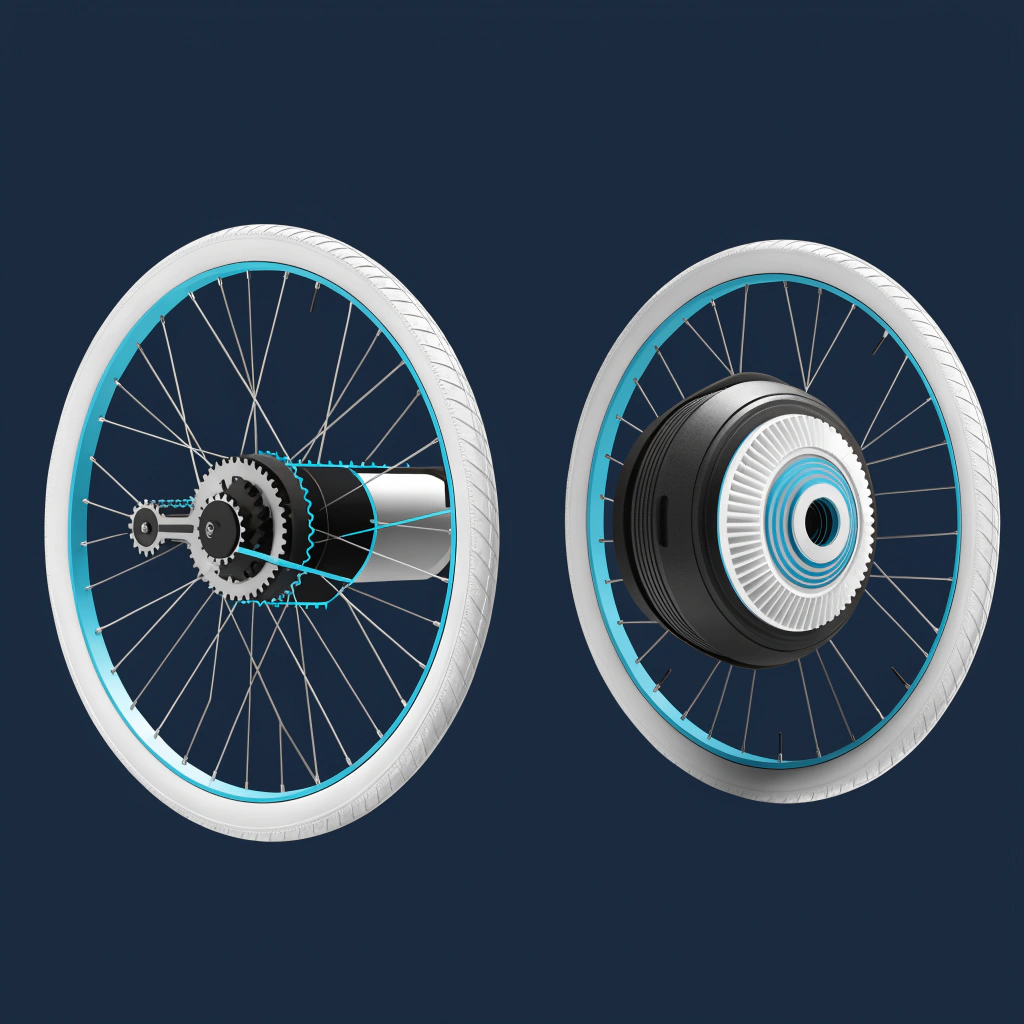
Hub motors mount directly in the wheel hub and deliver power through direct drive or internal gearing.
Advantages for hills:
- Lower maintenance requirements
- Simpler installation process
- Protected from chain wear and derailleur issues
- Consistent power delivery
Limitations on steep grades:
- Cannot leverage bike gears for mechanical advantage
- Less efficient at low speeds where hills demand most power
- Heavier wheel weight affects handling
- Direct-drive motors can overheat on extended climbs
Best hub motor applications: Cities with moderate grades (5-8%), where climbs are relatively brief, and riders want simplicity and low maintenance.
Mid-Drive Motor Superiority
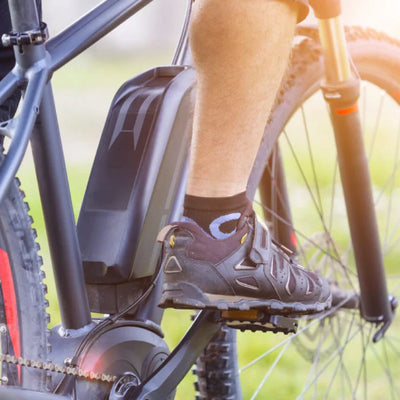
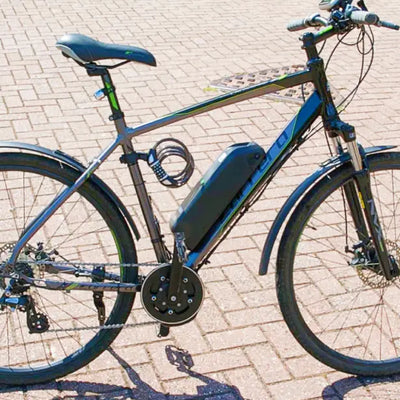
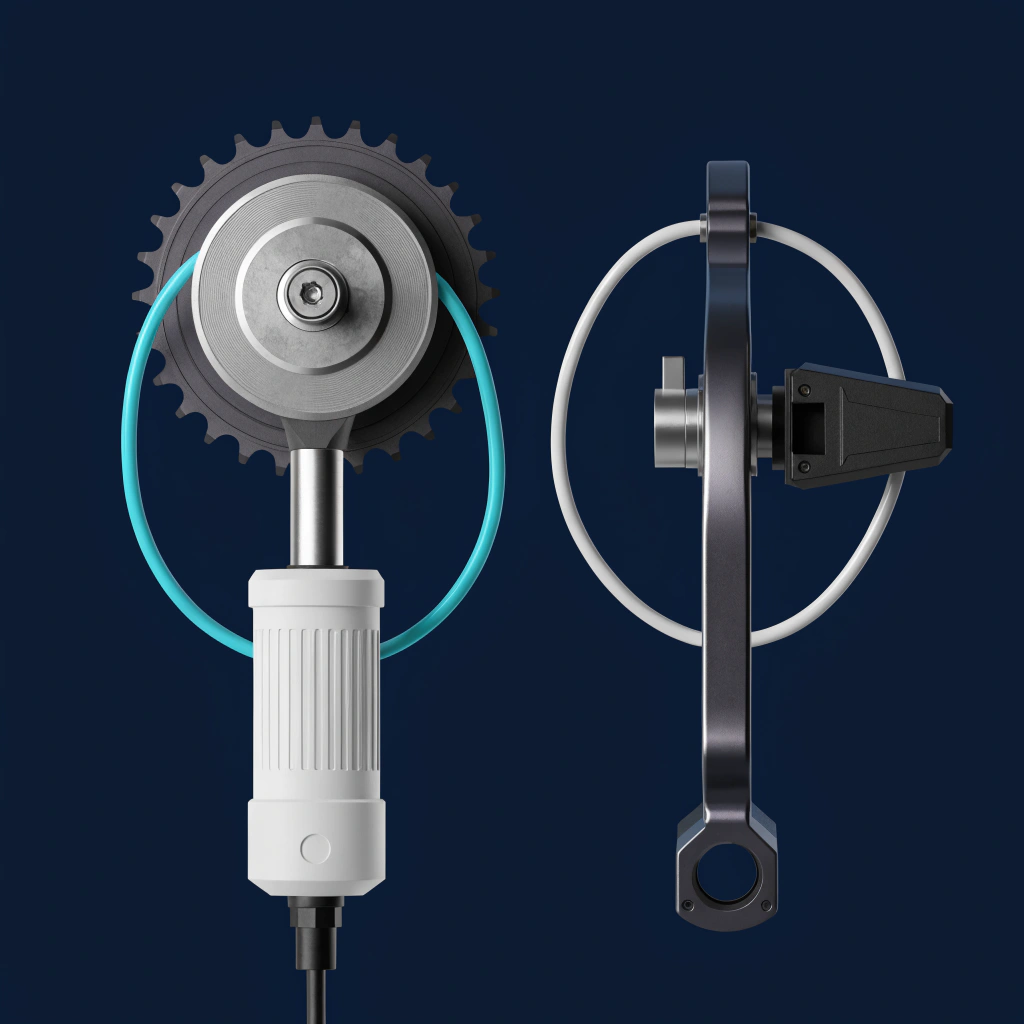
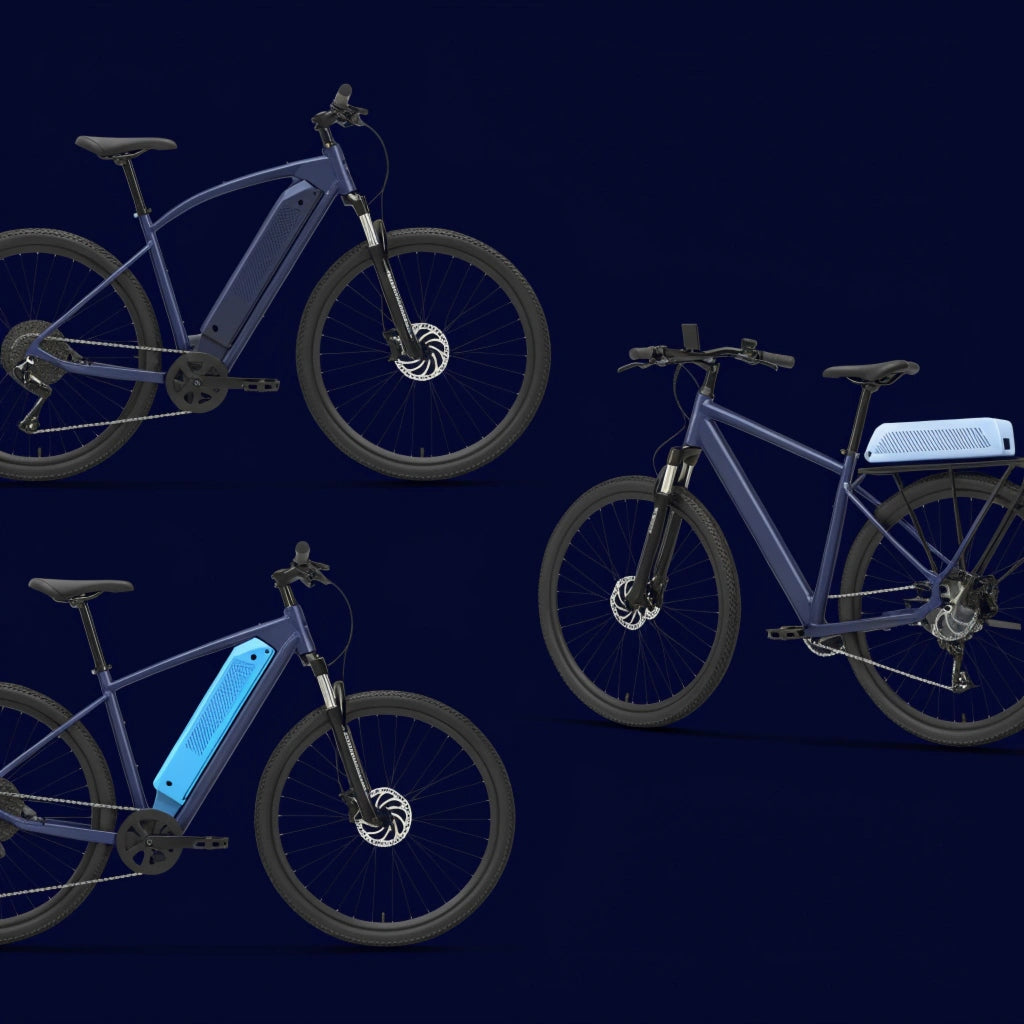
Mid-drive motors attach to the bike's crankset, powering the drivetrain rather than the wheel directly. This fundamental difference creates substantial hill-climbing advantages.
Why mid-drives excel on hills:
-
Gear leverage: The motor works through the bike's existing gears, multiplying torque when shifted to lower gears—exactly what hill climbing demands
-
Optimal efficiency: Motor operates at ideal RPM across varied speeds by shifting gears
-
Better weight distribution: Central mounting point improves bike balance and handling
-
Reduced wheel weight: Lighter wheels improve acceleration and handling
-
Superior heat management: Better ventilation and larger motor housings handle sustained loads
The mid-motor electric conversion kit from Kirbebike features the Tongsheng TSDZ8 system delivering 140Nm of torque—enough to conquer grades that would stall lesser motors.
Real-world performance: Riders in hilly areas consistently report that mid-drive systems with 500-750W and high torque outperform hub motors rated at 1000W or more when tackling sustained climbs.
Recommended Systems by Hill Severity
![]()

For Moderate Urban Hills (Grades up to 8%)
500W-750W Mid-Drive or 1000W Hub Motor
The 48V 750W mid-motor option provides 140Nm torque—more than adequate for most urban climbing scenarios. Riders can shift to lower gears on steeper sections, allowing the motor to maintain optimal efficiency while delivering maximum torque.
For those preferring hub motor simplicity, the 48V 1000W rear wheel system offers sufficient power for moderate hills, though efficiency and heat management become considerations on longer climbs.
For Serious Hills (Grades 8-15%)
1500W-2000W Hub Motors or 750W+ Mid-Drive
Cities with genuinely challenging topography—think San Francisco, Lisbon, or Bristol—demand serious power reserves. The 52V 2000W system provides 50-60km/h capability, but more importantly, it maintains strong assistance even on steep pitches where lesser motors fade.
These systems handle:
- Sustained climbs lasting several minutes
- Grades exceeding 10% without overheating
- Heavy riders or cargo loads on inclines
- Multiple major climbs per journey
For Extreme Terrain (Grades above 15%)
2500W-4000W Systems
Some urban areas feature brutally steep streets that challenge even experienced cyclists on traditional e-bikes. The 60V 2500-3000W and 72V 4000W systems deliver the torque and sustained power necessary for extreme grades.
These high-output systems provide:
- Ability to maintain forward progress on 15-20% grades
- Sufficient power reserves to prevent motor stall
- Thermal capacity for extended steep climbing
- Capability to handle additional cargo or passenger weight
Battery Capacity for Hilly Terrain
Hills drain batteries significantly faster than flat terrain. A battery providing 60km range on level ground might deliver only 30-40km in mountainous areas.
Calculating Required Capacity
36V 13-15Ah batteries (470-540Wh): Sufficient for short urban trips (10-15km) with moderate elevation gain. Expect range reduction of 30-40% compared to flat terrain specifications.
48V 16-20Ah batteries (770-960Wh): The minimum recommended capacity for regular hilly commuting. Provides 30-50km range depending on gradient severity and assistance levels used.
52V 25-30Ah batteries (1300-1560Wh): Ideal for extensive hill climbing, all-day riding, or riders who want substantial power reserves. Supports 50-80km even in demanding terrain.
60V-72V 20Ah+ batteries (1200-1440Wh+): Required for high-power systems and extreme terrain. The voltage increase supports higher power output while maintaining efficiency.
Battery Management on Hills
Smart battery usage extends range in hilly terrain:
-
Use lower assist on descents: Gravity provides free speed; conserve battery for upcoming climbs
-
Increase assist before momentum loss: Maintaining speed requires less power than regaining it
-
Strategic gear shifting: Shift to lower gears before the grade steepens, keeping motor in efficient RPM range
-
Pedal contribution matters: Even moderate pedaling effort significantly extends range on hills
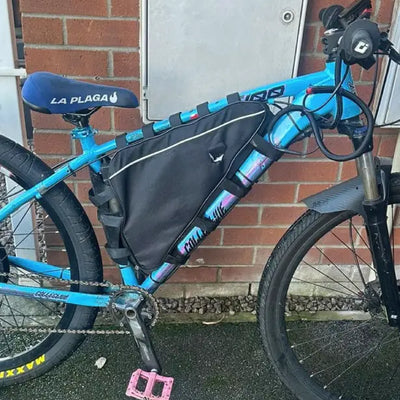
The ebike kit battery collection includes various capacity options, allowing riders to match their specific range requirements and terrain demands.
Legal Considerations for Powerful Systems
Higher-power systems often exceed legal limits for street-legal e-bikes. Regulations vary by location but typically restrict:
Power limits: 250W (UK/EU), 750W (US), though enforcement varies Speed restrictions: 15.5mph/25kmh (UK/EU Class 1), 20mph/32kmh (US Class 1), 28mph/45kmh (US Class 3) Throttle regulations: Some jurisdictions prohibit throttle-only operation
Riders choosing systems exceeding local regulations for hill-climbing capability should:
- Understand the legal implications in their jurisdiction
- Consider private property or off-road use only
- Use speed limiters where available to maintain legal compliance
- Exercise caution and responsibility regardless of legal status
Conclusion
Selecting an e-bike conversion kit for hilly cities demands prioritizing torque over raw power, considering mid-drive advantages for serious climbing, and matching battery capacity to the cumulative elevation gain of typical journeys. The electric bike kit battery options from Kirbebike provide comprehensive solutions across power levels and budgets, ensuring riders can find systems matched to their specific terrain challenges.
Hills need not be barriers to urban cycling. With properly selected conversion kits delivering adequate torque, appropriate battery capacity, and reliable thermal management, even the steepest city streets become accessible—transforming exhausting climbs into assisted ascents that preserve energy and enthusiasm for the journey ahead.
Frequently Asked Questions
What motor power do I need for steep city hills?
For grades up to 8%, a 750W mid-drive or 1000W hub motor suffices. Steeper urban hills (8-15%) require 1500-2000W, while extreme gradients above 15% benefit from 2500W+ systems. Torque matters more than wattage—prioritize 100Nm+ torque for serious climbing.
Are mid-drive motors better than hub motors for hills?
Yes, mid-drive motors significantly outperform hub motors on hills by leveraging the bike's gears for mechanical advantage. A 750W mid-drive with 140Nm torque climbs more effectively than a 1500W hub motor, while operating more efficiently and generating less heat during sustained ascents.
How much does battery range decrease on hilly terrain?
Expect 30-50% range reduction compared to flat terrain specifications. A battery rated for 60km on level ground typically provides 30-40km in hilly areas. Steeper gradients and higher assist levels increase consumption further; larger capacity batteries (48V 20Ah+) are essential for substantial hill climbing.
Can I install a high-power conversion kit myself?
Yes, most Kirbebike conversion kits install in 20-30 minutes with basic tools. However, high-power systems (1500W+) benefit from additional considerations including torque arms for hub motors, proper cable management, and potentially upgraded brakes. Mechanically inclined riders handle installations successfully, though professional installation ensures optimal setup.
Will a conversion kit overheat on long climbs?
Quality systems include thermal protection that reduces power if overheating occurs. To prevent issues: use appropriate gears on mid-drives, avoid maximum assist on extended climbs, allow cooling periods between major ascents, and ensure adequate rider pedaling contribution to reduce motor load.
What battery capacity do I need for a hilly commute?
Calculate your total elevation gain and distance. For commutes under 15km with moderate climbing, 48V 13-16Ah suffices. Longer commutes (20-30km) or serious hills require 48V 20Ah or 52V 20-25Ah. If range anxiety concerns you or climbs are extreme, invest in 52V 30Ah for generous reserves.
Do I need to upgrade my brakes for an e-bike conversion in hilly areas?
Absolutely essential. Quality disc brakes with 160mm+ rotors are minimum requirements for hilly terrain. The combination of e-bike weight, motor-assisted speeds, and repeated descents generates tremendous heat that can cause brake fade or failure with inadequate systems. Hydraulic disc brakes provide the best performance and require less maintenance.
: invalid url input)
usmile
Liquid error (snippets/blog-best-product line 36): product form must be given a product
Liquid error (snippets/blog-best-product line 59): product form must be given a product