Folding bike e-conversion delivers unmatched urban mobility, public transport integration, compact storage solutions, and multi-modal commuting flexibility—but selecting optimal kits requires matching lightweight motors, compact batteries, small wheel compatibility (16"-20"), and weight considerations to folding bike constraints, frame limitations, and portability priorities unique to compact bicycles.
While the best ebike kit options serve full-size bicycles excellently, understanding which configurations work specifically for folding bikes versus creating unusable heavy conversions determines whether your compact commuter gains transformative electric assistance or loses essential portability advantages.
This comprehensive guide examines folding bike conversion requirements, optimal kit selections, weight management strategies, installation challenges, and component choices ensuring your folding bike conversion delivers genuine urban utility while preserving the compact portability making folding bikes invaluable for space-constrained city living and combined transportation methods.
Why Folding Bikes Present Unique Conversion Challenges
![]()

Understanding the specific constraints folding bikes impose ensures realistic expectations and appropriate kit selection avoiding disappointment.
Small Wheel Dynamics
Performance Implications:
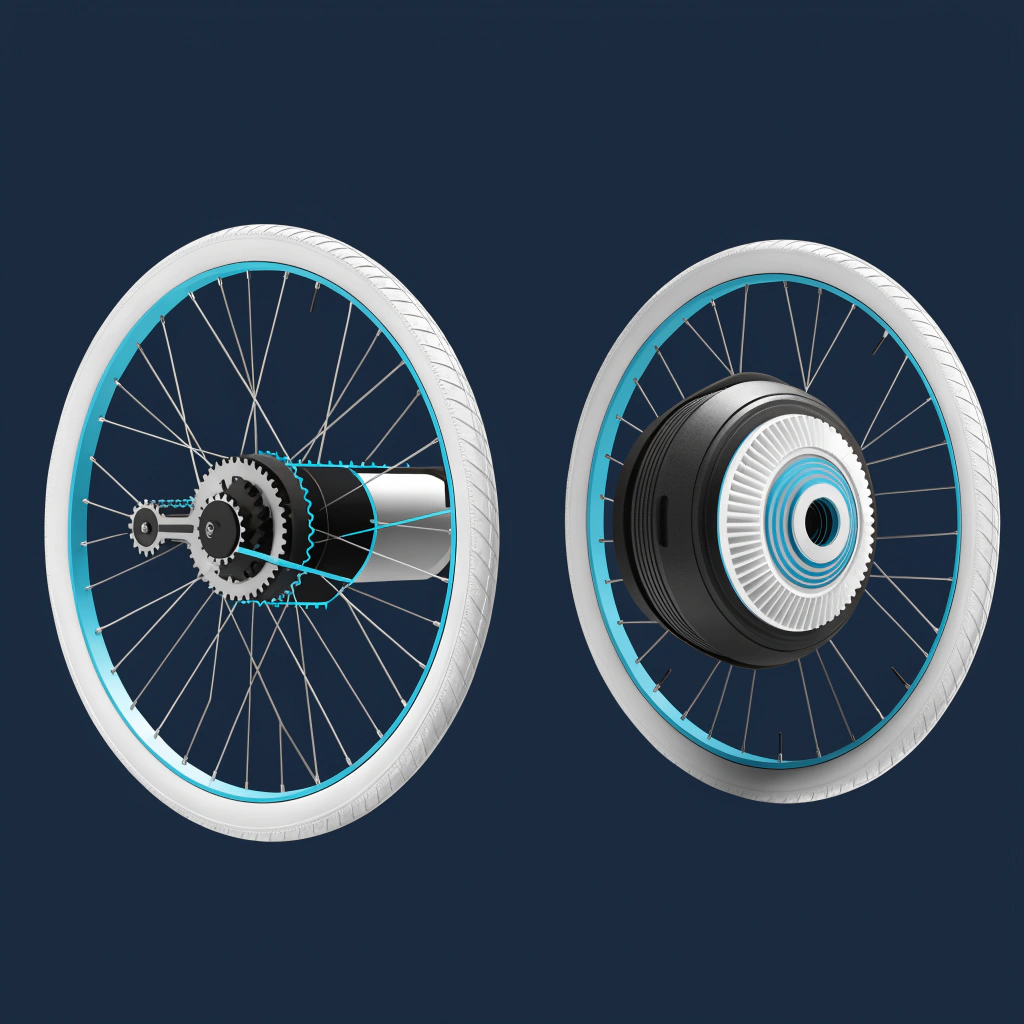
Small wheels (16"-20") fundamentally affect motor selection and performance:
Wheel Size Impact:
Speed Calculations:
- 20" wheel: 1 motor RPM = less distance traveled
- Motor operates at higher RPM for same speed
- Efficiency reduced slightly
- Heat generation increased
- Battery consumption higher
- Top speed capabilities affected
Available Wheel Sizes:
- 16" wheels: Brompton, some compact folders
- 18" wheels: Uncommon, limited options
- 20" wheels: Most common folding bikes
- 24" wheels: Large folders (less common)
Motor Compatibility:
- Not all motors available in small sizes
- 16" options very limited
- 20" wheels: Best availability
- Custom builds sometimes necessary
- Verify size before purchase
Weight Constraints Critical
Portability Requirements:
Folding bikes' primary advantage is portability—excessive weight destroys this benefit:
Weight Budget Analysis:
Original Folding Bike Weight:
- Lightweight folder: 10-12kg
- Standard folder: 12-15kg
- Heavy folder: 15-18kg
- Electric folder (factory): 15-20kg
Conversion Kit Weight Addition:
- Front hub motor: 2.7-4kg
- Rear hub motor: 4-6kg
- Battery (typical): 2-3kg
- Controller/wiring: 0.5-1kg
- Total addition: 6-10kg typical
Realistic Converted Weight:
- Lightweight build: 16-18kg
- Standard conversion: 18-22kg
- Heavy conversion: 22-26kg
- Portability threshold: ~18kg maximum
Critical Consideration: Can you realistically carry 18-22kg up stairs, onto trains, into offices? This determines viability of conversion versus factory e-folder.
Frame Strength Limitations
Structural Concerns:
Folding bike frames prioritize weight over strength:
Frame Limitations:
- Designed for human power only
- Folding mechanisms stress points
- Lighter materials (aluminum typically)
- Not engineered for motor torque
- Maximum power levels conservative
Recommended Power Limits:
- 16" wheels: 250-350W maximum
- 20" wheels: 250-500W recommended
- 24" wheels: 500-750W possible
- Higher power risks frame damage
- Warranty implications
Optimal Folding Bike Conversion Configurations
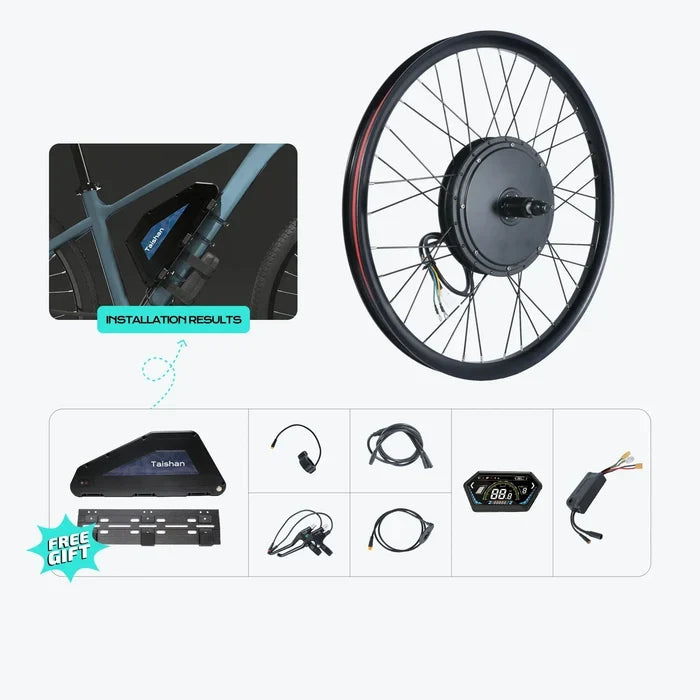
Best Overall: 36V 250W Front Wheel System
![]()

Why It Excels:
Balanced capability while preserving portability:
Complete System Specifications:
Motor Configuration:
- Power: 36V 250W brushless geared
- Type: Front hub motor
- Weight: 2.7kg (lightweight critical)
- Wheel Size: 20" (most common folders)
- Speed: 25-30 km/h (legal compliant)
- Construction: Compact sealed bearings
Why Perfect for Folders:
- 250W adequate for flat urban commuting
- 2.7kg motor weight manageable
- Front installation simplest
- Legal compliance (UK/EU)
- Reasonable total weight
- Preserves rear folding mechanism
Battery Configuration:
- Capacity: 36V 13Ah LG cells
- Weight: 2.5kg approximately
- Range: 30-40km urban riding
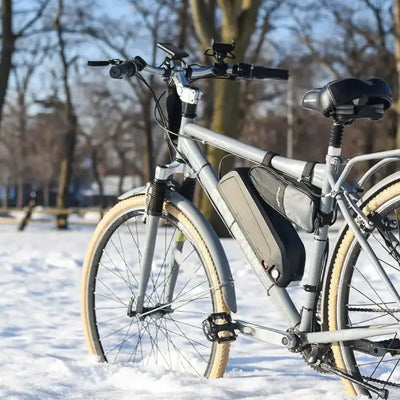
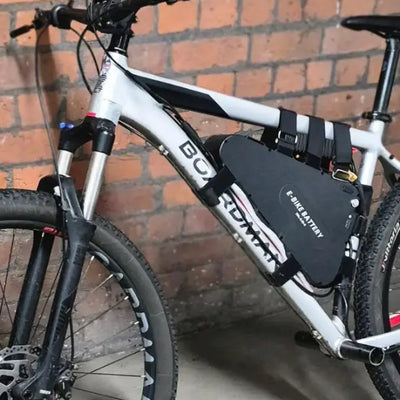
- Mounting: Rear rack or frame bag
- Quick removal: Essential feature
- Lock: Integrated security
Total Conversion Weight:
- Motor: 2.7kg
- Battery: 2.5kg
- Controller/components: 1kg
- Total addition: ~6kg
- Converted bike: 16-21kg depending on base
Performance Expectations:
- Speed: 25-30 km/h adequate
- Hills: Gentle grades manageable
- Range: 30-40km sufficient
- Portability: Preserved reasonably
- Practicality: Daily commuter
Ideal Folder Profile:
- 20" wheel folding bike
- Flat to gentle terrain
- Urban commuting focus
- Legal compliance important
- Portability priority
- Multi-modal transport
Alternative: 48V 250W-500W Configuration
For Performance Priority:
More power for hilly commutes with portability compromise:
System Specifications:
Motor Options:
- Power: 48V 250-500W
- Weight: 2.7-4.5kg depending
- Performance: Better hill climbing
- Speed: 30-40 km/h capability
- Trade-off: Additional weight
Battery Configuration:
- Capacity: 48V 11.6-16Ah
- Weight: 2.8-3.2kg
- Range: 35-50km
- Performance: Superior power delivery
- Cost: Higher voltage premium
Weight Considerations:
- Total addition: 7-9kg
- Converted weight: 19-24kg
- Portability: Compromised moderately
- Carrying: More challenging
- Decision: Performance vs portability
When Justified:
- Significant hills regular
- Minimal carrying required
- Storage at both ends
- Performance priority
- Portability secondary
Brompton-Specific Considerations
16" Wheel Challenges:
Bromptons present unique conversion difficulties:
Brompton Constraints:
- 16" wheels: Very limited motor options
- Compact frame: Battery mounting difficult
- Folding mechanism: Complex interference
- Weight sensitive: Every gram matters
- Premium value: Modification concerns
Brompton Solutions:
Specialized Lightweight Systems:
- Ultra-light front hub motors (if available)
- Minimal battery capacity (weight priority)
- Custom mounting solutions
- Professional installation recommended
- Significant cost investment
Factory E-Brompton Alternative: Purpose-built electric Brompton often better investment than conversion for this specific model due to engineering challenges.
Folding Bike Conversion Comparison
|
Configuration
|
Motor Weight
|
Battery Weight
|
Total Added
|
Final Weight
|
Best For
|
Key Trade-off
|
|
36V 250W Lightweight
|
2.7kg
|
2.5kg (13Ah)
|
~6kg
|
16-21kg
|
Flat commuting
|
Limited hills
|
|
48V 250W Balanced
|
2.7kg
|
2.8kg (11.6Ah)
|
~6.5kg
|
17-22kg
|
Moderate terrain
|
Slight weight
|
|
48V 500W Performance
|
4.5kg
|
3.2kg (16Ah)
|
~8.5kg
|
19-24kg
|
Hilly commutes
|
Portability loss
|
Installation Strategies for Folding Bikes
Front Wheel Installation Process
Optimal for Folders:
Front installation preserves rear folding mechanisms:
Installation Steps:
Phase 1: Motor Wheel Installation (10 minutes)
- Remove existing front wheel
- Install motor wheel in front fork
- Verify dropout compatibility
- Secure axle properly
- Center wheel precisely
- Check folding clearance
Phase 2: Battery Mounting (15 minutes)
- Identify optimal battery location
- Rear rack mounting preferred
- Frame bag alternative
- Ensure folding compatibility
- Quick-release essential
- Security lock installed
Phase 3: Component Installation (10 minutes)
- Compact display on handlebar
- Brake sensors both sides
- Pedal assist sensor
- Controller mounting (concealed)
- Cable routing (critical)
Phase 4: Folding Verification (10 minutes)
- Test complete folding sequence
- No component interference
- Cables properly routed
- Battery removes easily
- Folded dimensions acceptable
- Carry handle functional
Total Installation Time: 45-60 minutes
Critical Installation Considerations
Cable Management:
Folding bikes demand exceptional cable routing:
Cable Routing Principles:
- Allow full folding motion
- No pinch points
- Sufficient slack
- Secure every 10cm
- Test thoroughly
- Professional assistance helpful
Folding Mechanism Protection:
- Components clear of hinges
- No interference with latches
- Battery removed before folding (usually)
- Motor cables protected
- Regular inspection
Weight Distribution Optimization
Balance Critical:
Proper weight placement maintains handling:
Distribution Strategy:
- Front motor: 2.7kg front
- Battery rear: 2.5kg rear
- Balanced overall
- Handling preserved
- Folding stability maintained
Realistic Expectations and Limitations
Performance Realities
Honest Assessment:
Folding bike conversions have inherent limitations:
Speed Capabilities:
- 250W: 25-30 km/h maximum
- 500W: 30-40 km/h possible
- Small wheels limit top speed
- Adequate for urban commuting
- Not speed demons
Hill Climbing:
- Gentle grades (5-8%): Managed well
- Moderate hills (8-12%): Challenging
- Steep grades (12%+): Very difficult
- Limited by power and weight
- Realistic expectations essential
Range Expectations:
- 36V 13Ah: 30-40km realistic
- 48V 16Ah: 35-50km typical
- Small wheels slightly less efficient
- Urban stop-start reduces range
- Conservative planning wise
Portability Trade-offs
The Critical Question:
Is 18-22kg truly portable for your needs?
Portability Assessment:
Manageable Scenarios:
- Short carrying distances (under 50m)
- Occasional stairs (1-2 flights)
- Elevator available
- Car trunk transport
- Ground-floor storage
Challenging Scenarios:
- Multiple daily stair climbs
- Long carrying distances
- Train overhead racks
- Frequent portability
- Physical limitations
Decision Framework: If portability truly critical (multiple daily carries, many stairs), factory electric folder or non-electric folder with strong legs might serve better than converted folder.
Battery Selection and Management
Capacity vs Weight Balance
Optimal Battery Sizing:
Range Requirements:
Daily Commute Under 15km:
- Battery: 36V 13Ah adequate
- Weight: 2.5kg manageable
- Range: 30-40km buffer
- Charging: Every 2-3 days
- Optimal balance
Daily Commute 15-25km:
- Battery: 48V 13-16Ah recommended
- Weight: 2.8-3.2kg
- Range: 40-60km provides security
- Charging: Daily or alternate
- Performance priority
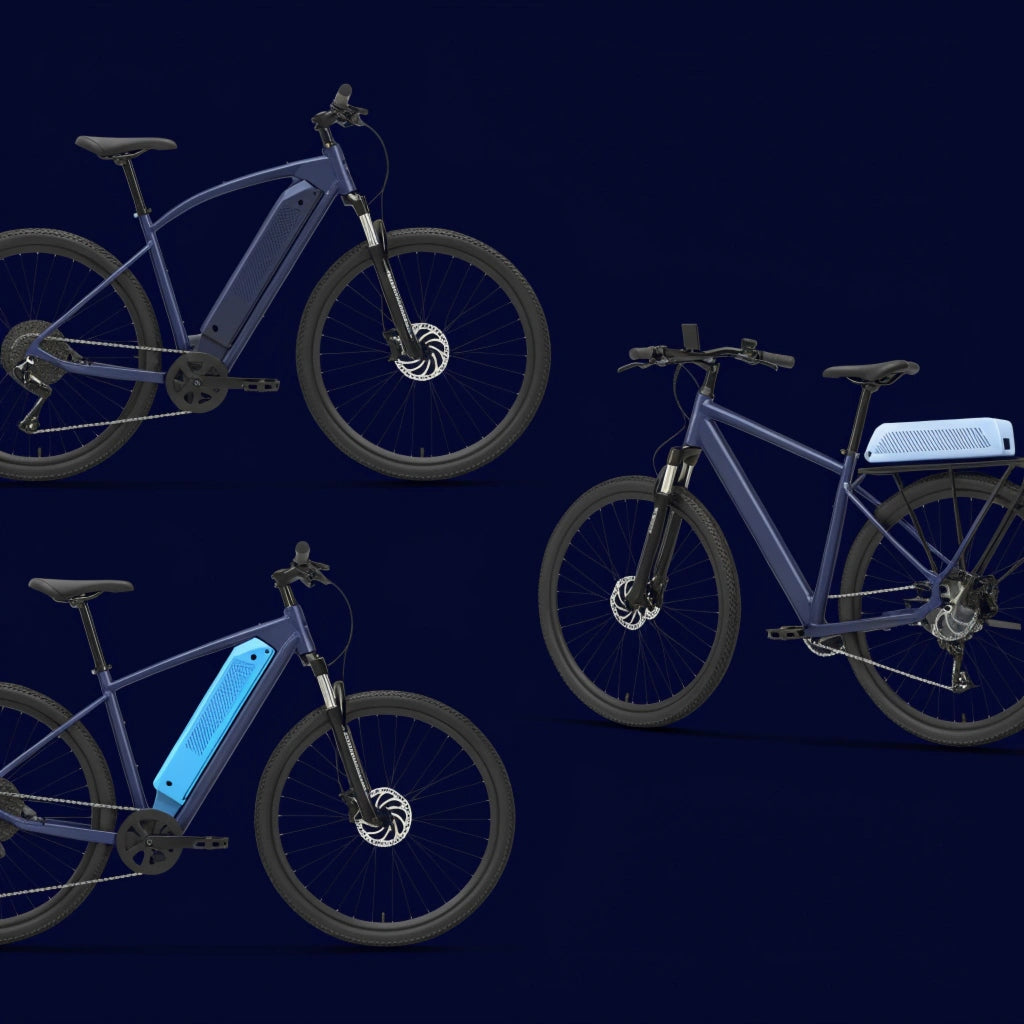
Battery Mounting Solutions:
Rear Rack Battery:
- Advantages: Secure, balanced, standard
- Disadvantages: Adds rack weight, permanent
- Best for: Regular commuters
- Quick release: Essential
Frame Bag Battery:
- Advantages: Concealed, removable, flexible
- Disadvantages: Custom solution, access
- Best for: Security concerns
- Creative option
Removable Battery Essential
Quick Removal Critical:
Folding bike batteries must remove easily:
Why Removal Essential:
- Theft prevention at parking
- Charge indoors (office, home)
- Reduce carrying weight
- Temperature management
- Battery security
Removal Design:
- Tool-free release
- Integrated lock
- Lightweight mounting
- Quick operation (under 10 seconds)
- Reliable secure mounting
Folding Bike Conversion Decision Framework
Convert Folding Bike If:
Favorable Conditions: ✓ Minimal carrying required ✓ Elevator/escalator access ✓ Storage both ends available ✓ Flat to gentle terrain ✓ Budget-conscious ✓ Current folder loved ✓ 18kg weight acceptable
Buy Factory Electric Folder If:
Better Alternative When: ✓ Frequent carrying essential ✓ Multiple daily stair climbs ✓ Public transport overhead racks ✓ Maximum portability critical ✓ Professional integration valued ✓ Warranty important ✓ Optimal weight engineering
Keep Non-Electric Folder If:
Sometimes Best Choice: ✓ True portability absolutely critical ✓ Minimal assistance needed ✓ Strong fitness acceptable ✓ Weight sensitivity extreme ✓ Budget very limited ✓ Multi-floor daily carrying
Conclusion
Folding bike e-conversion delivers valuable urban mobility enhancement, extended commuting range, hill-climbing assistance, and multi-modal transport capability—but success requires honest assessment of portability needs, realistic weight acceptance (18-22kg typical), appropriate power selection (250-500W maximum for folders), and understanding that modest performance compromises preserve essential portability advantages distinguishing folding bikes. The 36V 250W front-wheel configuration with compact battery serves most urban folder converters optimally, balancing adequate assistance with manageable weight addition.
Ready to enhance folding bike capability while preserving urban portability? Explore the complete electric bike kit battery range including compact lightweight systems with detailed weight specifications, folding bike compatibility guidance, installation instructions, and expert support ensuring your conversion delivers genuine urban mobility improvement while maintaining the essential portability advantages making folding bikes invaluable for space-constrained city living and combined transportation methods.
Frequently Asked Questions
What power e-bike conversion kit works best for folding bikes?
250-500W maximum recommended for folding bikes: 36V 250W optimal for flat urban commuting with best weight balance (6kg addition), 48V 250-500W for hilly terrain accepting portability compromise (7-9kg addition).
Will e-bike conversion make my folding bike too heavy to carry?
Yes, likely—honest assessment critical. Conversion adds 6-10kg typically (motor 2.7-4.5kg, battery 2.5-3.5kg, components 1-2kg), creating 18-24kg total weight.
Can I convert a Brompton folding bike to electric?
Technically possible but exceptionally challenging: 16" wheels have very limited motor availability, compact frame creates battery mounting difficulties, complex folding mechanism creates interference issues, premium Brompton value makes modification concerning.
Where do I mount the battery on a folding bike conversion?
Rear rack mounting optimal (secure, balanced, standard size accommodated), frame bag alternative (concealed, flexible, custom solution), down tube rarely works (too short on folders).
: invalid url input)
usmile
Liquid error (snippets/blog-best-product line 36): product form must be given a product
Liquid error (snippets/blog-best-product line 59): product form must be given a product