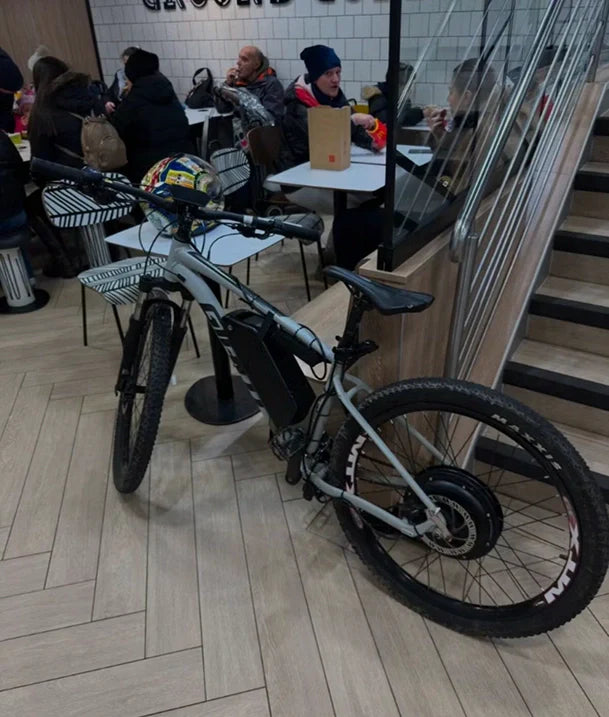
As more cyclists move toward electric biking for commuting, trail riding, and performance upgrades, a common question arises: Is a 52V ebike battery powerful enough for serious riders? Whether you're considering your first ebike conversion or looking to step up from 36V or 48V systems, understanding what 52V really offers is key to making the right decision.
The KirbEbike 52V 2000W MTX Rim Kit is one of the most popular and best-reviewed setups on the market — and for good reason. With speeds exceeding 50 km/h, up to 60Nm of torque, and a range of up to 80km depending on battery configuration, it offers a performance sweet spot for both daily riders and off-road enthusiasts. But how does a 52V ebike compare to higher-voltage systems like 60V or 72V? Is it still powerful enough for hills, trails, or longer-range rides?
In this guide, we’ll break down everything you need to know about the 52V ebike system. From voltage theory and battery specs to real-world torque and performance testing, we'll explain why the 52V 2000W ebike kit especially from KirbEbike continues to be one of the best ebike voltage setups for most serious riders in 2026.
Whether you're eyeing a 52V ebike kit, already riding a 52V ebike, or planning your next high-performance upgrade, this article will help you understand the real capabilities, pros, limitations, and best use cases for the 52V platform.
What Does 52V Mean in an Ebike Battery?
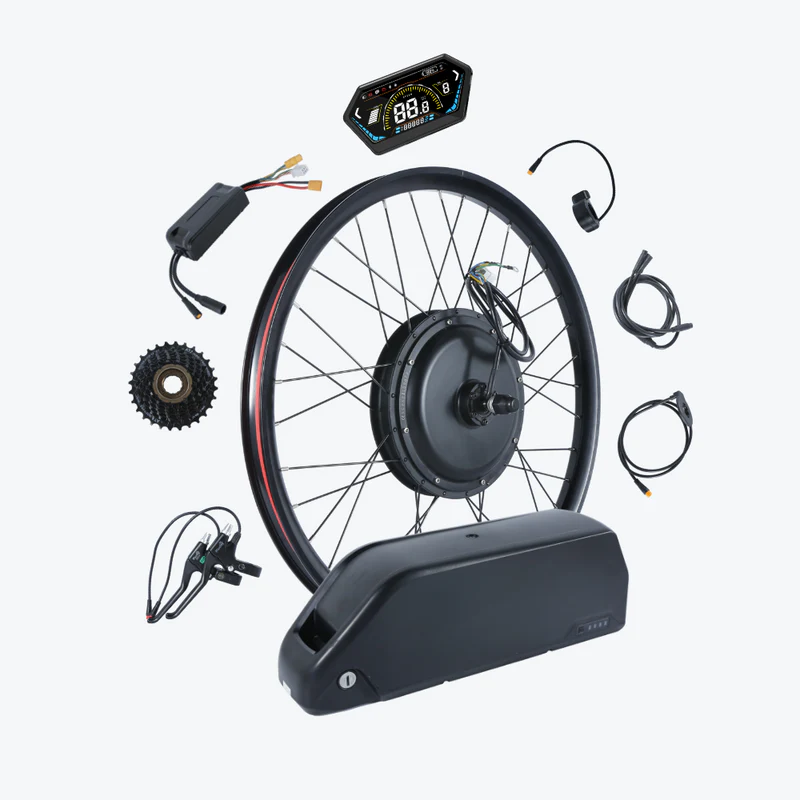
Understanding voltage is essential when choosing the right ebike system. In simple terms, voltage (V) in an ebike battery determines how much electrical pressure is available to push power through the motor.
The higher the voltage, the more energy the system can send to the motor at once resulting in better acceleration, higher top speeds, and stronger climbing power.
So what makes 52V special?
A 52V ebike battery sits just above the common 48V setup. While it might not sound like a big difference, the extra 4 volts offer significantly better performance in the following ways:
-
More Efficient Power Delivery
Compared to 48V systems, a 52V battery delivers more power with less current. This reduces strain on the controller and wiring and makes the motor more efficient — especially under load.
-
Higher Top Speed
On a 2000W motor like the one in the KirbEbike 52V 2000W MTX Rim Kit, a fully charged 52V battery (peaking at 58.8V) allows for speeds of 50–60 km/h (35+ MPH), depending on your terrain, bike setup, and rider weight.
-
Better Hill Climbing
Torque depends on how much energy can be pushed to the motor quickly. The 60Nm torque rating of the KirbEbike 52V system makes it a reliable climber — ideal for hilly city commutes or mountain trails.
-
Greater Range Potential
With battery options like 52V 20Ah and 52V 30Ah, the total watt-hours (Wh) are:
- 52V 20Ah = 1,040Wh
- 52V 30Ah = 1,560Wh
That translates to up to 80km of riding range on one charge, depending on PAS level and terrain.
-
Smoother Ride Feel
Paired with KirbEbike’s FOC sinewave controller, 52V systems provide:
- Quieter motor response
- Smoother acceleration
- Better control in PAS levels 1–5
How 52V Compares to 48V, 60V, and 72V Systems
If you’re wondering whether to stick with 52V or go even higher, here’s a direct comparison of 52V vs. 48V, 60V, and 72V ebike kits. Each voltage tier has its strengths and choosing the right one depends on your terrain, speed goals, and riding habits.
52V vs. 48V
| Feature |
48V System |
52V System |
| Power Delivery |
Moderate |
Smoother, more powerful |
| Max Speed (2000W) |
~45–50 km/h |
50–60 km/h |
| Range (20Ah) |
960Wh |
1,040Wh |
| Hill Climbing |
Good |
Better torque at lower PAS levels |
| Ideal For |
Casual riders, flat terrain |
Commuters, light trail, power users |
52V vs. 60V
| Feature |
52V System |
60V System |
| Max Speed (2000–3000W) |
~60 km/h |
70+ km/h |
| Torque |
60Nm (KirbEbike 2000W) |
80Nm+ (with 3000W+ motor) |
| Efficiency |
High (for standard riders) |
Higher for trail/hill-heavy setups |
| Power Draw |
Moderate |
Higher — requires upgraded controller |
| Best Use |
Urban + light off-road |
Off-road, fat tires, technical terrain |
52V vs. 72V
| Feature |
52V (KirbEbike 2000W Kit) |
72V (KirbEbike 4000W Kit) |
| Speed (max) |
~60 km/h |
80–90+ km/h |
| Torque |
60Nm |
110Nm |
| Battery Weight |
Lighter |
Heavier due to higher discharge needs |
| Controller Required |
35A (FOC) |
60A (FOC, thermal protection) |
| Ideal Use |
Daily riding, hilly commutes |
High-speed off-road, extreme climbs, fat tire setups |
Real-World Ride Scenarios for 52V Riders
So, how does a 52V ebike kit actually perform day-to-day? While specs like 2000W, 60Nm torque, and 80km range are impressive on paper, real-world performance depends on how and where you ride.
-
Urban Commuter (30–40km Round Trip)
Setup: 52V 20Ah battery, PAS 2–3, hybrid bike Speed: 35–45 km/h average Terrain: Mostly flat with occasional inclines Range: ~60–70km per charge Why 52V Works: Delivers quick starts from stoplights, smooth throttle boost, and handles hills without draining the battery too fast.
-
Trail Rider / Weekend Adventurer
Setup: 52V 30Ah battery, PAS 3–4, MTB with 27.5" wheels Speed: 40–55 km/h on dirt trails Terrain: Rolling hills, occasional climbs, loose gravel Range: ~50–65km depending on terrain and PAS level Why 52V Works: Offers torque to handle climbs and rough patches, and battery life is reliable for longer loops or day trips.
-
Heavier Rider or Light Cargo Use
Setup: 52V 30Ah battery, throttle + PAS 2 Speed: 30–40 km/h cruising Terrain: City + light inclines Load: 90–100kg rider weight + rear cargo rack Range: ~50–60km Why 52V Works: The 60Nm motor handles extra weight comfortably without overheating or over-draining.
-
Hilly Towns / Rural Roads
Setup: 52V 20Ah battery, PAS 4–5 Speed: 35–45 km/h uphill / 50+ downhill Range: ~40–50km per charge Why 52V Works: Paired with KirbEbike’s FOC controller, the motor provides steady torque delivery on climbs without lags or jerky acceleration.
Summary: Who Should Choose 52V?
| Rider Type |
52V Kit Performance Fit |
| Commuter |
Smooth, efficient, great range |
| Light Trail Rider |
Reliable power + PAS control |
| Urban Explorer |
Fast throttle, Limit Mode toggle |
| Hilly Terrain Climber |
Strong torque, no overheating |
| First-Time Upgrader |
Balanced power + easy install |
Battery Options & Range for 52V Systems
Battery capacity is one of the biggest factors influencing how far your ebike can go.
With KirbEbike’s 52V system, you get two excellent lithium battery choices both built with high-quality LG cells and paired with a smart BMS (Battery Management System) for protection and efficiency.
52V 20Ah Battery
- Total energy: 1,040Wh
- Estimated range: 50–65km (PAS 2–3)
- Weight: Slightly lighter, easier to mount
- Ideal for: Daily riders, short commutes, urban use
- Charge time: 8–10 hours (2A), 4–5 hours (4A fast charger)
52V 30Ah Battery
- Total energy: 1,560Wh
- Estimated range: 65–80km+ depending on PAS and terrain
- Weight: Heavier but offers more range per ride
- Ideal for: Trail riders, long commutes, delivery use, heavier riders
- Charge time: 10–12 hours (2A), 5–6 hours (4A fast charger)
How to Choose Between 20Ah and 30Ah:
| Need |
Best Battery |
| Daily commutes under 50km |
✅ 20Ah |
| Long-distance rides, trail use |
✅ 30Ah |
| You prefer a lighter setup |
✅ 20Ah |
| You carry weight or ride steep terrain |
✅ 30Ah |
For most serious riders, the answer is a confident yes — a 52V ebike system offers the ideal combination of power, range, and control. Whether you're commuting daily, tackling steep hills, or venturing onto weekend trails, a 52V 2000W ebike kit gives you the torque you need, the speed you want, and the efficiency to ride longer.
The KirbEbike 52V 2000W MTX Rim Kit proves that you don’t need to jump to 60V or 72V systems to enjoy serious performance. With up to 80km of range, 60Nm of torque, and speeds of 50–60km/h, it easily handles urban roads, rural climbs, and light off-road terrain — all while offering a smoother, quieter, and more affordable ride.
Plus, KirbEbike's modular system gives you future-proof flexibility: upgrade your battery, controller, or motor as your riding style evolves — without replacing your entire setup.