For daily commuters considering electric cycling, the question isn't just whether to go electricit's about choosing the right path to electrification. While factory e-bikes dominate showroom floors, conversion kits offer an alternative approach that deserves careful consideration.
Understanding the genuine advantages and realistic limitations of e-bike conversion kits helps commuters make informed decisions that align with their needs, budgets, and cycling habits. This comprehensive analysis examines every aspect of conversion kits through the lens of practical commuting requirements.
Understanding E-Bike Conversion Kits for Commuting
The best ebike kit solutions transform your existing bicycle into an electric commuter, offering various power levels and features tailored to urban transportation needs. For commuters, this means preserving a familiar ride while gaining electric assistance for hills, headwinds, and longer distancesall without the premium investment of a complete e-bike.
What Makes Conversion Kits Ideal for Commuters
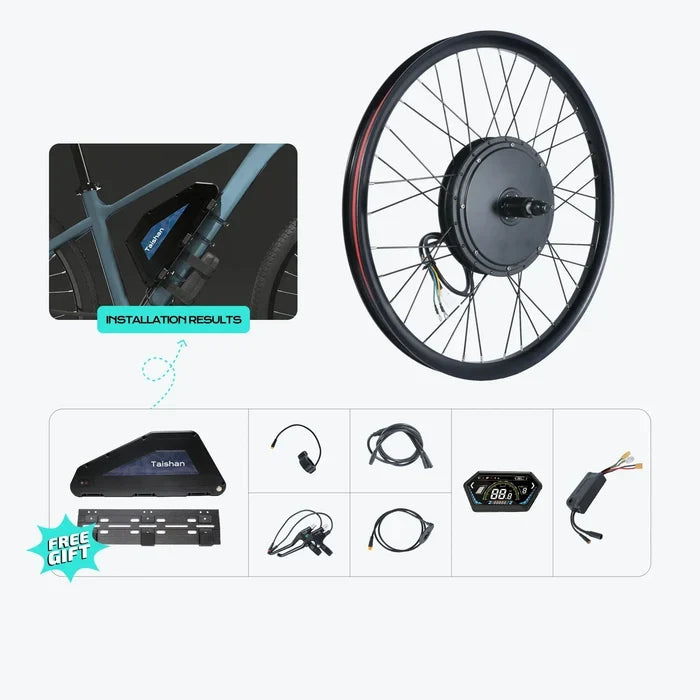
Complete System Components:
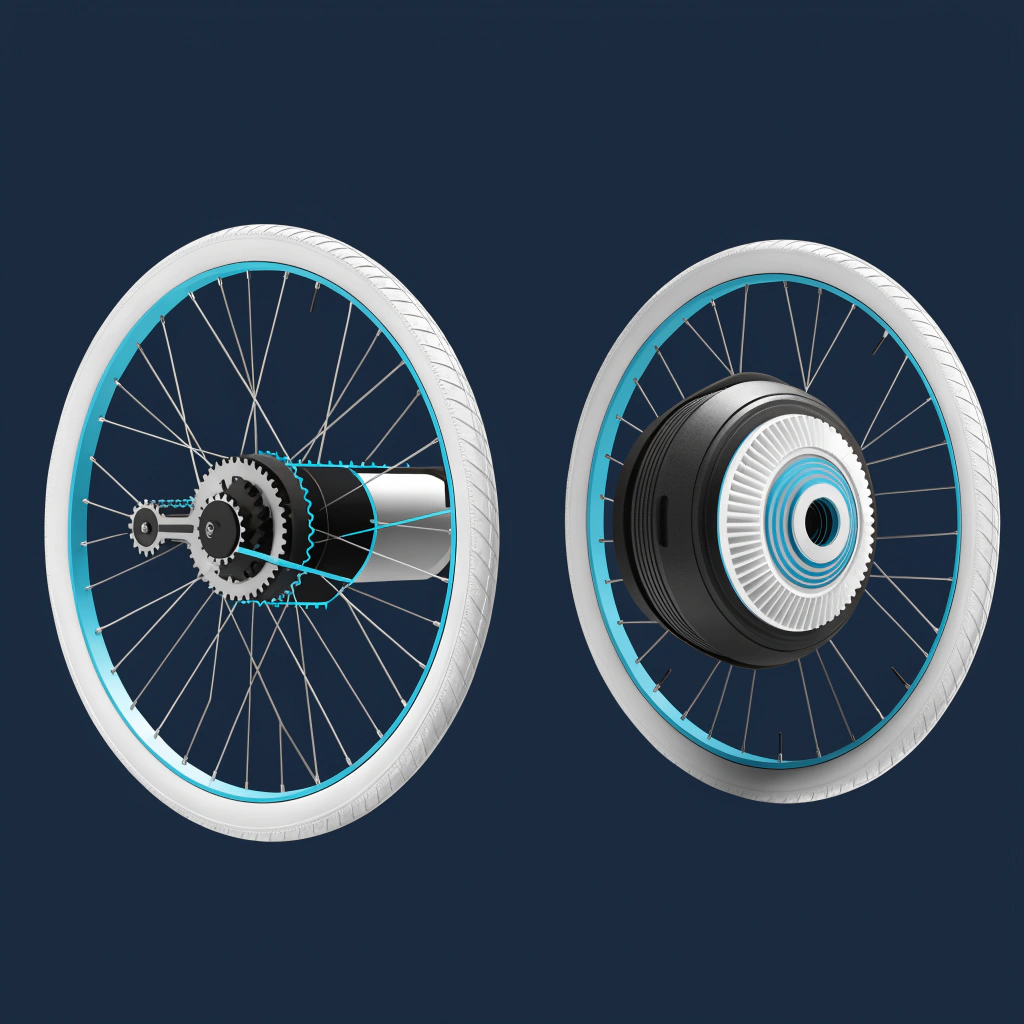
- Electric motor (hub or mid-drive configuration)
- Lithium battery pack with 30-80km range
- Controller managing power delivery
- LCD display showing speed, battery, distance
- Pedal assist and throttle options
- Brake sensors for safety
- Complete installation hardware
- Comprehensive warranty coverage
Commuter-Specific Features:
- Quick 20-minute installation
- Weather-resistant construction (IP66 rating)
- Integrated battery locking
- Multiple assist levels for different conditions
- Throttle for traffic starts
- Compatible with existing bike components
- Free shipping to major markets
Major Advantages of Conversion Kits for Commuters
![]()

Financial Benefits
Significant Cost Savings
Converting your existing bike costs considerably less than purchasing a comparable e-bike:
- Keep your current bike frame (zero additional cost)
- Avoid steep e-bike depreciation (20-30% first year)
- Choose exact power level needed
- Select battery capacity matching commute distance
- No paying for unnecessary integrated features
Long-Term Economic Advantages:
- Individual component replacement vs entire bike
- Upgrade battery capacity anytime
- Transfer kit to different bike if needed
- Better resale value through modularity
- Lower insurance costs than complete e-bikes
Transportation Cost Replacement:
- Eliminate daily fuel expenses
- Avoid parking fees and permits
- Reduce car maintenance costs
- Replace expensive public transport passes
- No road tax or registration fees
Customization and Flexibility
Power Options for Every Commute
|
Commute Type
|
Recommended Kit
|
Speed
|
Range
|
Best For
|
|
Short Urban (5-10km)
|
250-500W
|
25-35 km/h
|
30-50 km
|
Flat terrain, legal compliance
|
|
Standard Commute (10-20km)
|
750-1000W
|
45-50 km/h
|
35-60 km
|
Mixed terrain, hills
|
|
Long Distance (20-30km)
|
1500-2000W
|
50-60 km/h
|
40-60 km
|
Challenging routes, speed
|
|
Extreme Commute (30km+)
|
2500-4000W
|
75-85 km/h
|
40-80 km
|
Maximum performance
|
Tailored Configuration:
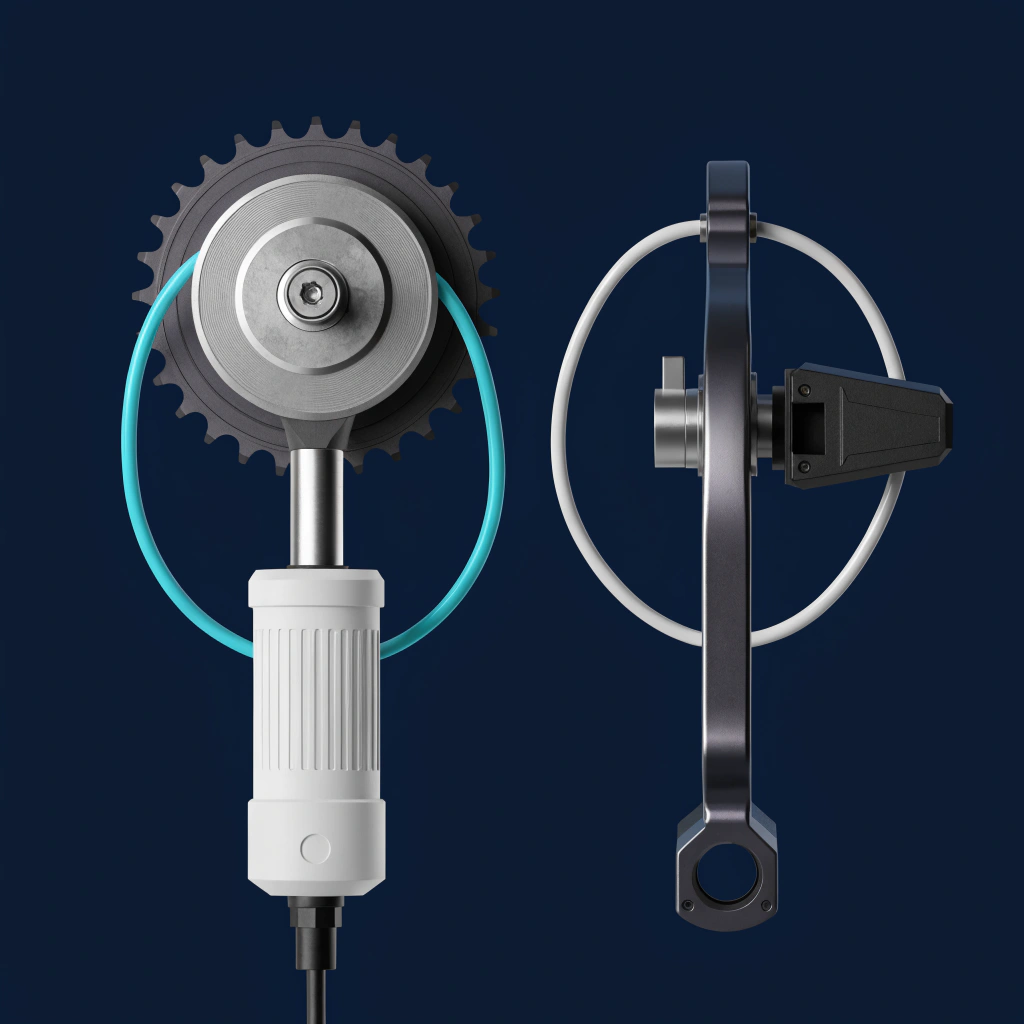
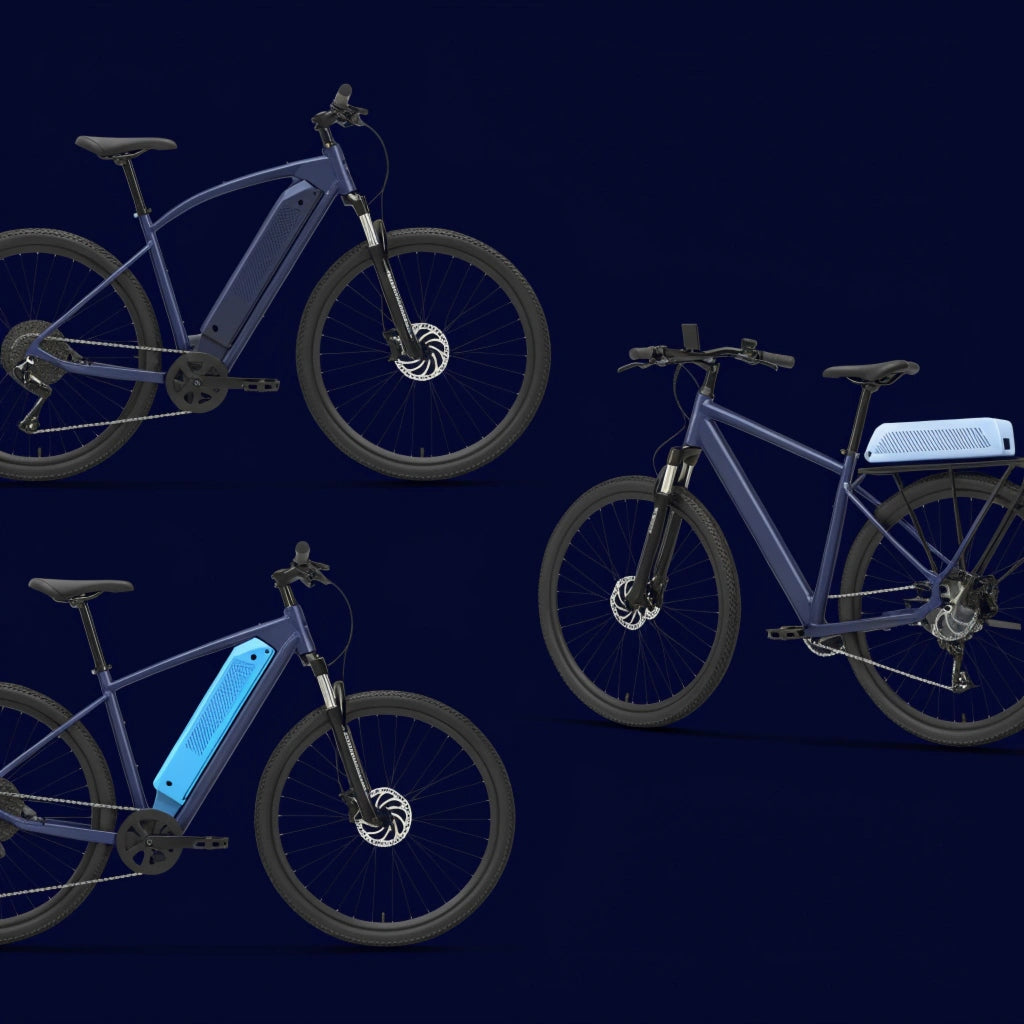
- Choose front, rear, or mid-drive motor placement
- Select battery capacity for your specific commute
- Pick display features you'll actually use
- Decide between throttle and pedal-assist priority
- Configure assist levels for your riding style
Multi-Bike Versatility:
- Convert commuter bike for work
- Electrify weekend bike separately
- Transfer kit seasonally
- Keep non-electric option available
- One kit, multiple applications
Bike Preservation Benefits
Keep Your Familiar Ride
Commuters often spend years developing comfort with their bicycle:
- Maintain known geometry and handling
- Preserve perfect saddle position
- Keep comfortable handlebar setup
- Retain trusted component upgrades
- Preserve emotional connection to bike
Frame Quality Advantage:
- Many existing bikes have superior frames
- High-end commuter bikes worth preserving
- Professional bike fits already completed
- Quality materials and construction
- Proven reliability through experience
Component Integration:
- Keep your preferred saddle
- Maintain favorite pedals
- Retain upgraded lights system
- Preserve quality wheels (except motor wheel)
- Keep panniers and accessories
Installation and Learning Benefits
Practical DIY Installation
The electric bike kit battery systems install quickly with basic tools:
Hub Motor Installation:
- 20 minutes typical completion
- Basic Allen keys and wrenches only
- Comprehensive video tutorials available
- Step-by-step written instructions
- Active online community support
Mid-Drive Installation:
- 30-40 minutes for experienced mechanics
- Bottom bracket tool required
- Detailed installation videos
- Technical support available
- Professional installation option exists
Knowledge Acquisition:
- Understand complete system operation
- Gain troubleshooting capabilities
- Learn maintenance requirements
- Develop repair confidence
- Build mechanical competence
Performance and Range Advantages
Superior Customization
Conversion kits offer performance flexibility impossible with factory e-bikes:
Power Delivery Options:
- Multiple pedal assist levels (typically 5-9)
- Throttle-only mode for traffic situations
- Combined pedal-assist and throttle
- Adjustable power curves
- Programmable controller settings
Battery Capacity Selection:
- 36V 13-16Ah for shorter commutes (30-50km)
- 48V 16-20Ah for standard commuting (35-60km)
- 52V 20-30Ah for extended range (40-70km)
- 60V-72V 20Ah for maximum performance (40-80km)
- Dual battery capability for extreme range
Real-World Commute Performance:
- Consistent power across temperature ranges
- Reliable hill-climbing assistance
- Headwind compensation
- Load-carrying capability (panniers, cargo)
- All-weather reliability
Significant Disadvantages to Consider
![]()

Installation Challenges
Technical Requirements
While advertised as simple, installation involves several challenges:
Mechanical Skills Needed:
- Comfort with basic bike maintenance
- Understanding of bicycle components
- Ability to follow detailed instructions
- Patience for troubleshooting
- Basic electrical knowledge helpful
Common Installation Issues:
- Dropout width compatibility problems
- Cable routing complexity
- Display mounting position challenges
- Sensor alignment precision required
- Electrical connection troubleshooting
Time Investment:
- First installation longer than advertised
- Learning curve for beginners
- Potential for mistakes requiring restart
- Testing and adjustment time
- Fine-tuning assist levels
Aesthetic Considerations
Visual Integration
Conversion kits don't achieve seamless factory integration:
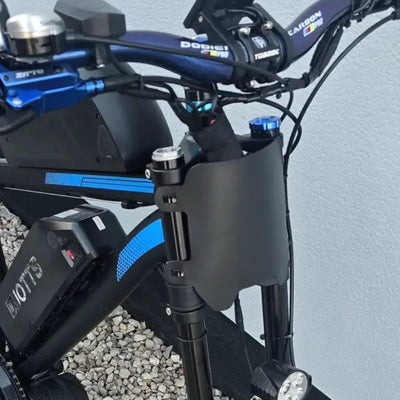
Appearance Factors:
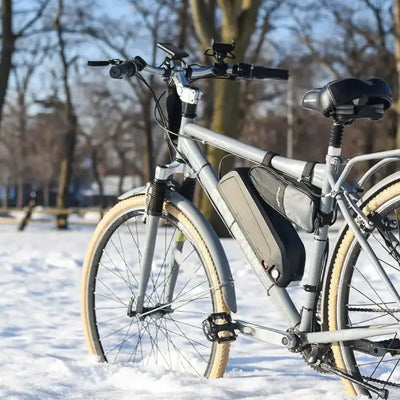
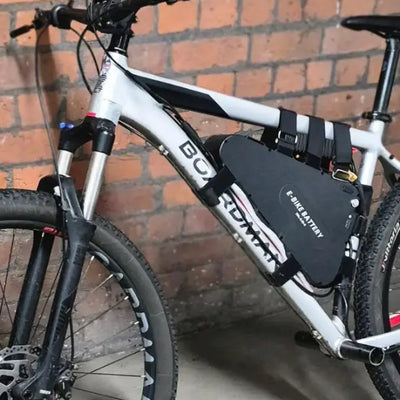
- External battery visible on frame
- Controller unit requires mounting
- Additional cables along frame
- Motor cable from wheel
- Bulkier than integrated e-bikes
Practical Solutions:
- Cable management improves appearance
- Battery bags available for discretion
- Color-matched components minimize impact
- Clean installation techniques help
- Acceptance of functional aesthetics
Weight and Handling Changes
Bicycle Dynamics Alteration
Adding electric components affects bike characteristics:
Weight Additions:
- Motor: 2.7-6.8kg depending on power
- Battery: 2.5-5kg depending on capacity
- Controller and wiring: 0.5-1kg
- Total addition: 5-13kg typically
- Affects handling and portability
Handling Modifications:
- Front hub motor changes steering feel
- Rear hub motor affects rear weight distribution
- Mid-drive maintains better balance
- Added weight impacts maneuverability
- Upstairs carrying becomes more difficult
Balance Considerations:
- Bike feels different when unpowered
- Weight distribution changes with battery position
- Turning dynamics shift
- Braking distances increase
- Requires adjustment period
Frame Stress and Safety Concerns
Structural Considerations
Standard bike frames weren't designed for electric power:
Stress Points:
- Dropout areas experience increased forces
- Frame flex with powerful motors
- Torque arm installation critical
- Aluminum frames need special attention
- Carbon frames generally incompatible
Safety Requirements:
- Torque arms mandatory for high power
- Regular inspection of critical joints
- Proper tightening of all fasteners
- Monitoring for frame fatigue
- Professional assessment for concerns
Brake System Demands:
- Standard brakes adequate for low power
- Upgraded brakes recommended for high power
- Disc brakes strongly preferred
- Brake pads wear faster
- More frequent adjustment needed
Limited Professional Support
Service and Repair Challenges
The mid motor electric conversion kit and hub systems face service limitations:
Local Bike Shop Issues:
- Many shops refuse electric component service
- Limited technician knowledge of conversion systems
- Liability concerns prevent service
- Focus on complete e-bike service
- Warranty complications
Service Alternatives:
- Self-service using online resources
- Manufacturer technical support
- Online community assistance
- Specialized e-bike shops (limited)
- DIY troubleshooting required
Maintenance Responsibility:
- Owner becomes system expert
- Self-diagnosis necessary
- Component replacement self-managed
- Electrical troubleshooting required
- Limited professional backup
Balanced Comparison Table
|
Factor
|
Advantages
|
Disadvantages
|
|
Cost
|
Significant savings vs e-bike
|
Potential hidden costs (tools, upgrades)
|
|
Installation
|
Quick (20-40 min), DIY-friendly
|
Requires mechanical skill, time
|
|
Customization
|
Unlimited power/battery options
|
Overwhelming choices for beginners
|
|
Performance
|
Match exact needs, upgradeable
|
Learning curve to optimize
|
|
Weight
|
Choose capacity vs weight balance
|
Adds 5-13kg to existing bike
|
|
Appearance
|
Functional, visible components
|
Less sleek than integrated e-bikes
|
|
Maintenance
|
Understand entire system
|
Self-service required
|
|
Frame
|
Keep beloved bike
|
Not designed for electric stress
|
|
Range
|
Customizable battery capacity
|
Real-world range varies
|
|
Support
|
Online resources abundant
|
Limited local shop support
|
|
Resale
|
Components hold value
|
Niche market
|
|
Upgrades
|
Easy component improvements
|
Requires ongoing investment
|
Commuter-Specific Scenarios
![]()

When Conversion Kits Excel for Commuters
Ideal Situations:
- Quality Bike Owner
- Already own reliable commuter bike
- Bike fits perfectly, comfortable for long rides
- High-quality frame worth preserving
- Professional bike fit completed
- Budget-Conscious Professional
- Need electric assistance affordably
- Comfortable with basic mechanics
- Value long-term cost savings
- Willing to self-maintain
- Variable Route Commuter
- Multiple commute options (distance/terrain varies)
- Need adjustable power levels
- Want throttle for flexibility
- Appreciate upgrade options
- Multi-Season Rider
- Year-round commuting required
- Want removable battery for cold weather
- Need easy component replacement
- Value system understanding
- Performance Enthusiast
- Want power exceeding factory limits
- Seek customization control
- Enjoy system optimization
- Interested in modifications
Maximizing Conversion Kit Success
Selection Best Practices
Choosing Right System:
For 5-15km urban commute:
- 36V 250-500W system adequate
- 13-16Ah battery sufficient
- Front hub motor simplest
- Budget-friendly entry point
- Road-legal compliance assured
For 15-25km mixed terrain:
- 48V 750-1000W recommended
- 16-20Ah battery appropriate
- Rear hub or mid-drive optimal
- Best value for performance
- Handles hills effectively
For 25km+ challenging routes:
- 52V 1500-2000W or higher
- 20-30Ah large battery
- Mid-drive for efficiency
- Superior hill climbing
- Extended range capability
Installation Success Tips
Preparation Phase:
- Watch entire installation video first
- Organize all components before starting
- Prepare proper workspace
- Gather all necessary tools
- Plan cable routing ahead
Installation Phase:
- Follow instructions methodically
- Take photos at each stage
- Test connections before final assembly
- Ensure proper torque on critical fasteners
- Double-check all safety features
Testing Phase:
- Begin in safe, flat area
- Test all assist levels
- Verify brake sensors function
- Check throttle response
- Confirm display accuracy
Maintenance for Commuter Reliability
Daily Checks:
- Battery charge level
- Tire pressure (critical for range)
- Brake operation
- Display function
- Visual inspection
The ebike kit battery requires proper care for commuter reliabilitycharge after each ride, store at moderate temperature, and avoid complete discharge.
Making Your Decision
Decision Framework
Choose Conversion Kit If: ✓ You own quality bike worth keeping ✓ Budget is significant consideration ✓ Comfortable with basic mechanics ✓ Want customization flexibility ✓ Value upgrade path ✓ Enjoy understanding systems ✓ Need specific power configuration ✓ Commute requirements may evolve
Choose Factory E-Bike If: ✓ Want immediate plug-and-play solution ✓ Don't own suitable bicycle ✓ Prefer professional installation ✓ Value integrated aesthetics ✓ Want comprehensive dealer support ✓ Uncomfortable with electrical systems ✓ Need warranty simplicity ✓ Prioritize convenience absolutely
Conclusion
For commuters willing to invest minimal time in installation and learning, e-bike conversion kits deliver exceptional value, performance flexibility, and long-term cost savings that factory e-bikes cannot match. The advantagessignificant financial savings, unlimited customization, superior upgrade paths, and environmental benefitssubstantially outweigh the disadvantages for most practical commuters.
While aesthetic integration and professional support limitations exist, the 20-minute installation time and comprehensive online resources make conversion accessible to anyone comfortable with basic bicycle maintenance.The key to conversion success lies in realistic expectations, quality component selection, and proper installation.
Whether you choose an entry-level system for budget commuting or a high-performance kit for challenging routes, modern conversion technology delivers reliable, powerful electric assistance that transforms daily commuting.Ready to experience the advantages yourself? Explore the comprehensive electric bike kit battery range and discover why thousands of commuters choose conversion over factory e-bikes for their daily transportation needs.
Frequently Asked Questions
What are the main pros and cons of e-bike conversion kits for daily commuting?
Major pros include significant cost savings, unlimited customization, keeping your familiar bike, and easy upgrades. Main cons involve 20-minute installation requirement, visible components vs integrated e-bikes, added weight (5-13kg), and limited local bike shop support though online resources and manufacturer support fill this gap effectively.
Are conversion kits reliable enough for daily commuter use?
Quality conversion kits with LG/Samsung cells and brushless motors prove highly reliable for commuting, with 1000+ charge cycles, waterproof construction (IP66), and components lasting 10,000+ km. Proper installation and basic maintenance ensure dependable daily performance matching or exceeding factory e-bikes at lower total cost.
How long does it take to install a conversion kit for commuting?
Hub motor kits install in 20 minutes with basic tools and video guidance. Mid-drive systems require 30-40 minutes and bottom bracket tool. First-time installation may take longer for learning, but subsequent conversions or maintenance become quick. Professional installation available if preferred at additional expense.
Will a conversion kit work with my commuter bike?
Conversion kits fit 99% of bikes including road bikes, hybrids, mountain bikes, and folding bikes with wheel sizes 16"-29" and 700C. Requirements include sound frame structure, adequate battery mounting space, and compatible brake system. Verify dropout width and measure available space before purchasing.
Do conversion kits handle hills well for hilly commutes?
Power level determines hill performance: 250-500W adequate for moderate hills, 750-1000W handles steep climbs well, 1500W+ conquers extreme terrain. Mid-drive systems with 140Nm torque excel at sustained climbing through efficient gear usage. Battery capacity (not just power) affects hill range significantly.
What ongoing costs should commuters expect with conversion kits?
Ongoing costs minimal: electricity for charging (pennies per commute), standard bike maintenance (chain, brakes, tires), and eventual battery replacement after 3-5 years of daily use. No registration, insurance, or special maintenance required. Long-term costs substantially lower than car, motorcycle, or complete e-bike replacement.
: invalid url input)
usmile
Liquid error (snippets/blog-best-product line 36): product form must be given a product
Liquid error (snippets/blog-best-product line 59): product form must be given a product