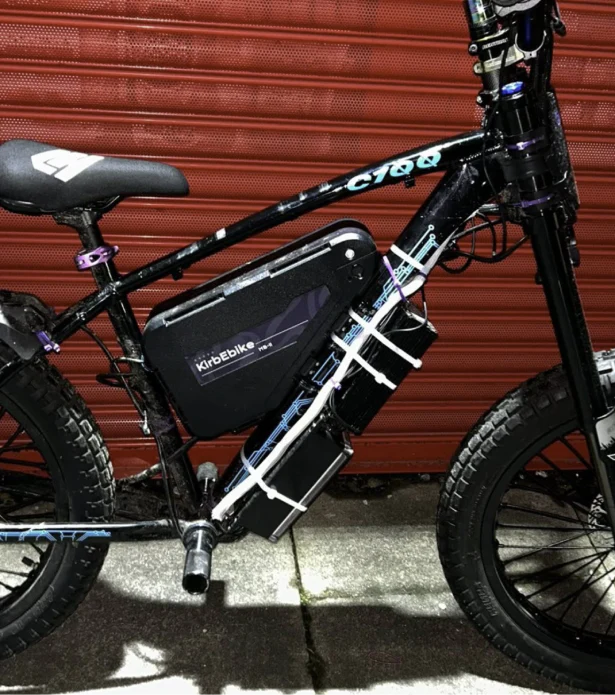
When you've invested in converting your regular bicycle with a quality e-bike kit, understanding how temperature impacts your battery's performance becomes crucial for getting the most from every ride. Whether you're commuting through winter mornings or enjoying summer adventures, temperature plays a significant role in determining how far you can travel on a single charge.
The Science Behind Temperature and Battery Chemistry

Lithium-ion batteries—the powerhouse behind modern e-bike conversion systems—operate through chemical reactions that are highly sensitive to temperature changes. These reactions either accelerate or slow down depending on the ambient conditions, directly affecting your battery's ability to deliver power efficiently.
The optimal operating range for most e-bike batteries sits between 15°C and 25°C (59°F to 77°F). Within this sweet spot, your battery performs at its peak efficiency, delivering the maximum range and power output that manufacturers promise.
Cold Weather: Your Battery's Biggest Challenge
Performance Degradation in Low Temperatures
When temperatures drop below 10°C (50°F), you'll notice the most dramatic impact on your e-bike's performance. Cold weather slows down the chemical reactions inside your battery cells, making it harder for electrons to flow freely. This results in:
-
Reduced capacity: Your battery may lose 20-40% of its effective capacity in freezing conditions
-
Lower voltage output: The motor receives less power, reducing acceleration and hill-climbing ability
-
Decreased range: Expect 30-50% shorter distances per charge in winter months
-
Slower charging: Cold batteries take significantly longer to reach full capacity
Real-World Cold Weather Impact
Riders using conversion kits in colder climates report noticeable differences. A 48V 16AH battery that typically delivers 40-60km range in moderate weather might only achieve 25-35km when temperatures hover around freezing.
High Temperature Challenges
While cold weather gets more attention, excessive heat presents its own set of problems for e-bike batteries:
Temperature Range Impact:
- 25°C to 35°C: Slight performance increase, but accelerated aging
- 35°C to 45°C: Risk of thermal protection activation
- Above 45°C: Potential permanent damage to battery cells
Heat-Related Performance Changes
In hot conditions, chemical reactions inside the battery accelerate. Initially, this might seem beneficial—your battery delivers power more readily. However, the downsides quickly outweigh any temporary advantages:
-
Faster self-discharge: Your battery loses charge more quickly when not in use
-
Accelerated degradation: High temperatures reduce overall battery lifespan
-
Safety concerns: Excessive heat can trigger built-in protection systems that limit performance
-
Reduced efficiency: The battery management system may throttle power to prevent damage
Battery Types and Temperature Tolerance
Different battery configurations respond differently to temperature extremes. Understanding your specific setup helps you set realistic expectations.
|
Battery Voltage
|
Typical Capacity
|
Cold Weather Range Loss
|
Heat Tolerance
|
|
36V Systems
|
13-15AH
|
25-35%
|
Good
|
|
48V Systems
|
11.6-20AH
|
30-40%
|
Very Good
|
|
52V Systems
|
20-30AH
|
25-35%
|
Excellent
|
|
60V-72V Systems
|
20AH+
|
30-45%
|
Excellent
|
Higher voltage systems with quality cells (like those from LG) generally handle temperature fluctuations better than budget alternatives. The robust construction and superior thermal management in premium battery packs provide better protection against extreme conditions.
Practical Strategies for Cold Weather Riding

Pre-Ride Preparation
Indoor Storage is Essential: Keep your battery at room temperature when not riding. Storing your battery indoors overnight makes an enormous difference. A battery that starts at 20°C (68°F) will perform dramatically better than one stored in a cold shed at 5°C (41°F).
Warm-Up Protocol: If possible, charge your battery indoors before your ride. The charging process generates gentle heat that brings the cells closer to optimal operating temperature. Never charge a frozen battery—allow it to warm to at least 10°C first.
During Your Ride
Insulation Solutions: Consider using a neoprene battery cover or insulating wrap for winter rides. Even basic insulation helps retain the heat generated during use, maintaining better performance throughout your journey.
Adjust Your Riding Style:
- Start with lower assist levels to allow gradual warm-up
- Use higher assist modes once the battery has reached operating temperature
- Avoid maximum throttle usage when the battery is still cold
- Plan for shorter ranges and more conservative power usage
Post-Ride Care
Remove your battery from the bike and bring it indoors immediately after cold-weather rides. This prevents repeated freeze-thaw cycles that accelerate degradation. Allow the battery to return to room temperature before charging.
Managing Hot Weather Challenges
Beat the Heat Strategies
Timing Your Rides: When summer temperatures soar, plan rides during cooler parts of the day—early morning or evening. This simple adjustment can keep your battery 10-15°C cooler than midday riding.
Avoid Direct Sunlight: When parking your e-bike, seek shade whenever possible. A battery exposed to direct sunlight can reach internal temperatures far exceeding ambient air temperature.
Airflow Matters: While riding, your battery benefits from natural cooling through airflow. However, when stationary, remove the battery if you're stopped for extended periods in hot weather.
Charging in Hot Weather
Never charge your battery immediately after a hot-weather ride. Allow it to cool for 30-60 minutes first. Charging an already-warm battery compounds heat stress and accelerates long-term degradation. Similarly, avoid charging in hot environments—a cool indoor space is ideal.
Long-Term Battery Health Across Seasons
Maximizing Battery Lifespan
Quality e-bike conversion systems typically feature batteries rated for 800-1000+ charge cycles. However, temperature management significantly influences whether you achieve this potential.
Storage Temperature Guidelines:
- Ideal long-term storage: 15-20°C (59-68°F)
- Store at 50-60% charge level for extended periods
- Check charge level monthly during winter storage
- Never store fully charged in hot conditions
Seasonal Performance Expectations
Understanding typical performance variations helps set realistic expectations:
Spring/Autumn (Optimal Conditions):
- Full rated range achievement
- Best power delivery
- Optimal charging efficiency
Summer (High Heat):
- 5-15% range reduction in extreme heat
- Increased battery aging per charge cycle
- Need for careful charging management
Winter (Cold Conditions):
- 30-50% range reduction in freezing temperatures
- Reduced power output affecting hill climbing
- Extended charging times required
Monitoring Your Battery's Health
Modern e-bike systems include displays that provide valuable information about battery performance. Pay attention to:
- Voltage readings during rides (drops more quickly when cold)
- Available range estimates (adjust expectations for temperature)
- Charging completion times (longer in cold weather)
- Any error messages related to temperature protection
The Battery Management System (BMS) in quality conversion kits continuously monitors temperature and will automatically protect the battery from dangerous conditions by reducing power output or preventing charging when necessary.
Technical Considerations for Different Conversion Kits
Hub Motor Systems
Front and rear hub motor conversions place the battery in various mounting positions—downtube, rear rack, or integrated mounts. Each location experiences different temperature exposure:
Downtube Batteries: Receive good airflow during riding and remain relatively protected from direct sun. These typically handle temperature variations well.
Rear Rack Batteries: More exposed to sunlight and weather but benefit from excellent ventilation. These positions work well in hot climates but need insulation in cold conditions.
Mid-Motor Systems
Mid-motor conversion kits position the battery closer to the motor, which generates its own heat. This provides a small benefit in cold weather but requires excellent thermal management in hot conditions to prevent heat accumulation between motor and battery.
Advanced Temperature Management Solutions
Battery Heating Systems
Some riders in extremely cold climates add heated battery bags or wraps with small heating elements powered by the battery itself. While these consume some capacity, they can dramatically improve cold-weather performance in sub-zero conditions.
Cooling Enhancements
For riders in consistently hot climates, additional cooling solutions include:
- Reflective battery covers to deflect solar radiation
- Ventilated battery boxes for improved airflow
- Heat-sink additions to downtube batteries
Based on extensive user feedback from riders across different climates, here's what you can expect:
Cold Climate Riders (winter temperatures -5°C to 5°C):
- Range typically drops to 50-70% of summer performance
- Pre-warming batteries provides 15-20% performance improvement
- Indoor storage essential for maintaining battery longevity
Hot Climate Riders (summer temperatures 30°C to 40°C):
- Range decreases by 10-20% compared to moderate temperatures
- Early morning riding shows 25% better performance than midday
- Proper charging management critical for battery lifespan
Moderate Climate Riders (year-round 10°C to 25°C):
- Consistent performance matching manufacturer specifications
- Minimal seasonal adjustments needed
- Best conditions for maximizing battery cycle life
Conclusion
Temperature significantly impacts e-bike battery performance, but understanding these effects empowers you to maximize your e-bike conversion kit's potential year-round. Cold weather presents the most dramatic challenges, potentially cutting your range in half, while hot weather accelerates long-term degradation even if immediate performance seems acceptable.
Remember, a well-maintained battery that's protected from temperature extremes will serve you reliably for years, making your conversion to electric cycling a worthwhile long-term investment.
Frequently Asked Questions
At what temperature should I stop riding my e-bike to protect the battery?
Most e-bike batteries can safely operate between -10°C and 45°C. However, performance suffers significantly below 0°C and above 35°C. If your battery triggers temperature protection warnings on the display, it's best to stop riding until conditions moderate.
Can I charge my e-bike battery in cold weather?
You should never charge a frozen battery. Allow it to warm to at least 10°C (50°F) indoors before charging. Charging in cold conditions can cause permanent damage to the cells and significantly reduce battery lifespan.
How much range will I lose in winter compared to summer?
Expect to lose 30-50% of your normal range when temperatures drop below freezing. A battery delivering 50km in moderate weather might only achieve 25-35km in winter conditions without pre-warming and proper insulation.
Does hot weather permanently damage e-bike batteries?
While occasional exposure to high temperatures won't immediately destroy your battery, repeated heat stress accelerates aging. Regular exposure to temperatures above 35°C can reduce your battery's total lifespan by 20-30%, meaning fewer total charge cycles before capacity significantly degrades.
Should I remove my battery when not riding?
Yes, especially in extreme temperatures. Storing your battery indoors at moderate temperatures (15-25°C) protects it from both cold damage and heat stress. This simple practice significantly extends battery lifespan and ensures better performance when you ride.
Will insulating my battery help in cold weather?
Absolutely. Adding neoprene covers or insulation wraps helps retain the heat generated during riding. Combined with pre-warming your battery indoors, insulation can improve cold-weather performance by 15-25%, partially offsetting temperature-related capacity losses.
How does temperature affect charging time?
Cold batteries charge much slower—sometimes taking twice as long in freezing conditions. Hot batteries may also charge slowly as the BMS limits current to prevent heat damage. Charging at room temperature (around 20°C) provides the fastest and safest charging times.