Choosing between an e-bike conversion kit and a complete factory-built e-bike represents one of the most important decisions for anyone considering electric cycling. Both pathways offer electric assistance, but they differ dramatically in cost, customization, installation, performance, and long-term value.
Understanding these differences helps you select the option that best aligns with your budget, mechanical comfort, cycling goals, and lifestyle needs. This comprehensive comparison examines every critical factor to guide your decision with clarity and confidence.
Understanding Your Two Options
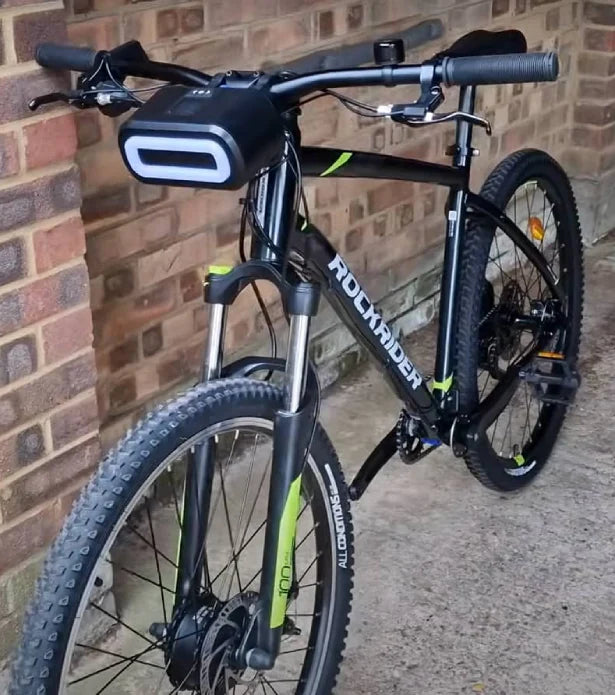
The best ebike kit solutions transform your existing bicycle into an electric-powered machine, while factory e-bikes arrive as complete, integrated systems ready to ride. Each approach has distinct characteristics that appeal to different rider types and situations.
What Is an E-Bike Conversion Kit?
Complete System Components:
- Electric motor (hub or mid-drive)
- Lithium battery pack with BMS protection
- Motor controller
- LCD display with ride data
- Pedal assist sensor (cadence or torque)
- Throttle control
- Brake cut-off sensors
- Complete wiring harness
- Installation hardware and tools
- Comprehensive instructions
Installation Requirements:
- 20 minutes for hub motor systems
- 30-40 minutes for mid-drive units
- Basic mechanical skills helpful
- Video tutorials available
- Technical support provided
What Is a Factory E-Bike?
Integrated System:
- Purpose-built frame for electric components
- Pre-installed motor and battery
- Factory-tuned controller
- Integrated wiring and cabling
- Professionally assembled
- Ready to ride immediately
- Comprehensive warranty
- Dealer support network
Detailed Comparison: Key Decision Factors

Cost Analysis
Conversion Kit Economics:
The financial advantage of conversion kits is substantial:
- Use existing bike frame (zero additional cost)
- Pay only for electric components
- Avoid e-bike depreciation (20-30% first year)
- Choose exact components needed
- No paying for integrated features you won't use
Long-Term Financial Benefits:
- Replace individual components vs entire bike
- Upgrade battery capacity anytime
- Transfer kit to different bikes
- Better resale value through modularity
- Lower total cost of ownership
Factory E-Bike Investment:
- Higher initial purchase required
- Complete bike depreciation
- Proprietary replacement parts often expensive
- Limited upgrade options
- Potential for entire bike replacement
Performance and Customization
Conversion Kit Flexibility:
|
Power Level
|
Speed Range
|
Best Applications
|
Customization
|
|
250-500W
|
25-35 km/h
|
Commuting, legal compliance, flat terrain
|
High
|
|
750-1000W
|
45-50 km/h
|
Hills, mixed terrain, daily use
|
Very High
|
|
1500-2000W
|
50-60 km/h
|
Performance, steep hills, fat bikes
|
Extreme
|
|
2500-4000W
|
75-85+ km/h
|
Maximum power, extreme terrain
|
Unlimited
|
Battery Capacity Options:
The electric bike kit battery selection provides extensive range choices:
-
36V 13-16Ah: 30-50km range
-
48V 16-20Ah: 35-60km range
-
52V 20-30Ah: 40-70km range
-
60V-72V 20Ah: 40-80km+ range
Motor Placement Choices:
-
Front hub: Simple installation, works with most bikes
-
Rear hub: Better traction, natural feel
-
Mid-drive: Superior hill climbing, efficient power
Factory E-Bike Limitations:
- Fixed power output (usually 250-750W)
- Limited battery upgrade options
- Single motor type and placement
- Proprietary systems restrict modifications
- One configuration per purchase
Installation and Setup
Conversion Kit Installation:
Hub Motor Systems:
- 20-minute average installation
- Remove existing wheel
- Install motor wheel
- Mount battery and controller
- Connect components
- Test system
Mid-Drive Systems:
- 30-40 minute installation
- Remove bottom bracket
- Install motor unit
- Mount battery
- Connect all components
- Adjust and test
Required Skills:
- Basic mechanical aptitude
- Comfort with bicycle maintenance
- Ability to follow instructions
- Understanding of bike components
- Patience for troubleshooting
Learning Benefits:
- Understand complete system
- Gain troubleshooting knowledge
- Develop repair confidence
- Learn maintenance requirements
- Build mechanical competence
Factory E-Bike Setup:
- Minimal assembly required
- Usually just pedals and handlebars
- 10-15 minutes to riding
- No mechanical knowledge needed
- Professional pre-assembly
Trade-offs:
- Less system understanding
- Dependent on dealer for service
- Limited self-repair capability
- Black box electronics
- Professional expertise required
Weight and Handling
Conversion Kit Weight Impact:
Added Components:
- Motor: 2.7-6.8kg (varies by power)
- Battery: 2.5-5kg (varies by capacity)
- Controller and wiring: 0.5-1kg
- Total addition: 5-13kg typically
Handling Changes:
- Front hub affects steering feel
- Rear hub changes weight distribution
- Mid-drive maintains better balance
- Added weight impacts maneuverability
- Upstairs carrying more difficult
Weight Distribution Options:
- Choose motor placement for balance
- Select battery position carefully
- Optimize for your riding style
- Adjust to bike characteristics
Factory E-Bike Weight:
- Complete bike optimized for electric
- Purpose-built weight distribution
- Frame designed around components
- Balanced from factory
- No pre-electric baseline for comparison
Frame Compatibility and Safety
Conversion Kit Considerations:
Frame Requirements:
- Sound structure without cracks
- Adequate dropout spacing
- Battery mounting space
- Brake system compatibility
- Appropriate material strength
Safety Essentials:
- Torque arms critical for high power
- Regular inspection of critical joints
- Proper tightening specifications
- Frame stress monitoring
- Brake system adequacy
Material Considerations:
- Steel frames excellent for conversion
- Aluminum frames need torque arms
- Carbon frames generally incompatible
- Titanium frames convertible with care
Factory E-Bike Advantages:
- Frame rated for motor loads
- Engineered for electric stress
- Integrated safety design
- Professional engineering
- Comprehensive testing
Comprehensive Comparison Table
|
Factor
|
Conversion Kit
|
Factory E-Bike
|
Winner
|
|
Initial Cost
|
Budget-friendly to premium
|
Generally higher
|
Conversion Kit
|
|
Installation Time
|
20-40 minutes DIY
|
Ready immediately
|
Factory E-Bike
|
|
Customization
|
Unlimited options (250W-4000W)
|
Fixed configuration
|
Conversion Kit
|
|
Power Options
|
250W to 4000W available
|
Usually 250-750W
|
Conversion Kit
|
|
Battery Choice
|
Multiple capacities
|
Fixed to model
|
Conversion Kit
|
|
Upgrade Path
|
Excellent, any component
|
Very limited
|
Conversion Kit
|
|
Aesthetics
|
Functional, visible
|
Integrated, sleek
|
Factory E-Bike
|
|
Weight
|
Add 5-13kg to bike
|
Optimized from design
|
Factory E-Bike
|
|
Frame Quality
|
Keep your premium frame
|
Varies by brand
|
Conversion Kit
|
|
System Knowledge
|
Deep understanding
|
Limited
|
Conversion Kit
|
|
Maintenance
|
DIY-friendly
|
Dealer-dependent
|
Conversion Kit
|
|
Professional Support
|
Limited local
|
Dealer network
|
Factory E-Bike
|
|
Parts Availability
|
Universal components
|
Proprietary parts
|
Conversion Kit
|
|
Long-term Value
|
Excellent
|
Moderate
|
Conversion Kit
|
|
Resale Value
|
Components hold value
|
Steep depreciation
|
Conversion Kit
|
|
Environmental Impact
|
Reuse existing bike
|
New production
|
Conversion Kit
|
|
Warranty
|
1 year typical
|
1-2 years typical
|
Tie
|
|
Speed to Ride
|
20-40 min setup
|
Immediate
|
Factory E-Bike
|
Decision Framework: Which Option Suits You?

Choose Conversion Kit If You:
✓ Own Quality Bicycle
- Already have reliable, comfortable bike
- Professional bike fit completed
- High-quality frame worth preserving
- Emotional attachment to bike
✓ Value Customization
- Want exact power level for terrain
- Need specific battery capacity
- Desire upgrade flexibility
- Appreciate configuration control
✓ Budget-Conscious
- Significant cost savings important
- Want best value for money
- Plan long-term ownership
- Prefer individual component replacement
✓ Mechanically Comfortable
- Enjoy understanding systems
- Confident with basic tools
- Comfortable following instructions
- Value self-sufficiency
✓ Performance-Focused
- Need power exceeding factory limits
- Want maximum speed capability
- Require specific torque characteristics
- Seek extreme performance options
✓ Multi-Bike Owner
- Want to convert multiple bikes
- Transfer kit seasonally
- Keep non-electric option
- Value versatility
Choose Factory E-Bike If You:
✓ Maximum Convenience Priority
- Want immediate ready-to-ride solution
- No time for installation
- Prefer professional assembly
- Value plug-and-play simplicity
✓ No Existing Suitable Bike
- Starting from scratch
- Don't own quality bicycle
- Need complete package
- No attachment to particular frame
✓ Aesthetic Perfectionist
- Integrated appearance essential
- Hidden battery critical
- Clean cable routing important
- Professional look required
✓ Zero Mechanical Interest
- Uncomfortable with installation
- Don't want system responsibility
- Prefer dealer dependency
- Value professional service
✓ Warranty Security
- Want comprehensive coverage
- Prefer dealer support network
- Value professional service access
- Need peace of mind
✓ Brand Loyalty
- Trust specific e-bike manufacturers
- Want established brand
- Prefer proven integrated systems
- Value brand reputation
Special Considerations
Commuter Perspective
Conversion Kit Advantages:
- Keep familiar commuter bike
- Customize power for route
- Battery capacity matches distance
- Throttle for traffic situations
- Cost-effective daily transport
Factory E-Bike Benefits:
- No installation time required
- Integrated lights and fenders often included
- Immediate commuting solution
- Professional appearance
Mountain Biker Perspective
Conversion Kit Advantages:
- Keep high-quality MTB frame
- Choose power for terrain (up to 4000W)
- Mid-drive with 140Nm torque available
- Upgrade as needs evolve
- Trail-specific configuration
Factory E-Bike Benefits:
- Purpose-built for e-MTB use
- Integrated suspension optimization
- Frame engineered for power
- Professional geometry
Recreational Rider Perspective
Conversion Kit Advantages:
- Electrify beloved leisure bike
- Modest power adequate (250-500W)
- Budget-friendly entry
- Maintain familiar ride
Factory E-Bike Benefits:
- Hassle-free weekend riding
- Complete package convenience
- No technical involvement
- Immediate enjoyment
Making Your Final Decision
Critical Questions to Answer
- Do you own a quality bike worth keeping?
- Yes → Strong argument for conversion
- No → Consider factory e-bike
- What's your mechanical comfort level?
- Confident with basics → Conversion feasible
- Uncomfortable with tools → Factory e-bike safer
- What power level do you need?
- Above 1000W → Conversion kit only option
- 250-750W → Either option works
- How important is customization?
- Very important → Conversion kit essential
- Not important → Factory e-bike acceptable
- What's your budget reality?
- Limited budget → Conversion kit better value
- Budget flexible → Either option viable
- Do you value upgrade options?
- Yes, want future flexibility → Conversion kit
- No, one-time purchase → Factory e-bike fine
- How important is appearance?
- Function over form → Conversion kit
- Aesthetics critical → Factory e-bike better
Conclusion
For most riders who own quality bicycles, value customization, and want superior long-term value, conversion kits represent the optimal choice. The combination of significant cost savings, unlimited power options (250W-4000W), extensive upgrade flexibility, and environmental benefits substantially outweigh the minimal 20-40 minute installation requirement and functional aesthetics.
Factory e-bikes suit riders prioritizing immediate convenience, integrated aesthetics, and dealer support over customization and value. However, the substantial cost premium, limited upgrade options, and proprietary system restrictions make them less attractive for informed, practical cyclists.
The mid motor electric conversion kit and hub motor options deliver professional-grade performance at accessible investment levels, with 1-year warranties, comprehensive support, and the flexibility to adapt as your needs evolve.
Ready to make your decision? Explore the complete electric bike kit battery range and discover why conversion kits deliver superior value, performance, and satisfaction compared to factory e-bikes for practical cyclists worldwide.
Frequently Asked Questions
Which is better value—conversion kit or factory e-bike?
Conversion kits offer dramatically better value, costing significantly less while providing superior customization (250W-4000W power options), excellent upgrade paths, and component-level replacement versus entire bike.
Is a conversion kit as reliable as a factory e-bike?
Quality conversion kits with LG/Samsung cells and brushless motors match or exceed factory e-bike reliability, delivering 1000+ charge cycles, IP66 waterproofing, and 10,000+ km motor lifespan.
How difficult is conversion kit installation compared to buying ready-to-ride e-bike?
Hub motor kits install in 20 minutes with basic tools, mid-drive systems in 30-40 minutes—minimal time investment for substantial cost savings and performance flexibility.
Can conversion kits match factory e-bike performance?
Conversion kits often exceed factory e-bike performance, offering power ranges from 250W to 4000W versus typical factory limits of 250-750W. You gain customization for speed (25-85+ km/h), range (30-80+ km), and specific terrain requirements that fixed factory systems rarely provide.
Which option provides better long-term value and upgradeability?
Conversion kits deliver superior long-term value through individual component replacement, battery capacity increases anytime, motor upgrades, and kit transfer between bikes. Factory e-bikes rarely allow meaningful upgrades due to proprietary systems, often requiring complete bike replacement for improvements—dramatically higher total cost.
Should I convert my existing bike or buy a complete e-bike?
Convert if you own quality bike worth keeping, value customization, want upgrade flexibility, or seek best value. Buy factory e-bike if you need immediate solution, don't own suitable bike, prioritize integrated aesthetics absolutely, or refuse any installation involvement despite superior conversion value.
What about warranty and support differences?
Conversion kits include 1-year comprehensive warranty with manufacturer technical support and abundant online resources for self-service. Factory e-bikes offer 1-2 year warranties but create dealer dependency since many local shops refuse electric service, leading to proprietary part expenses and limited service availability long-term.